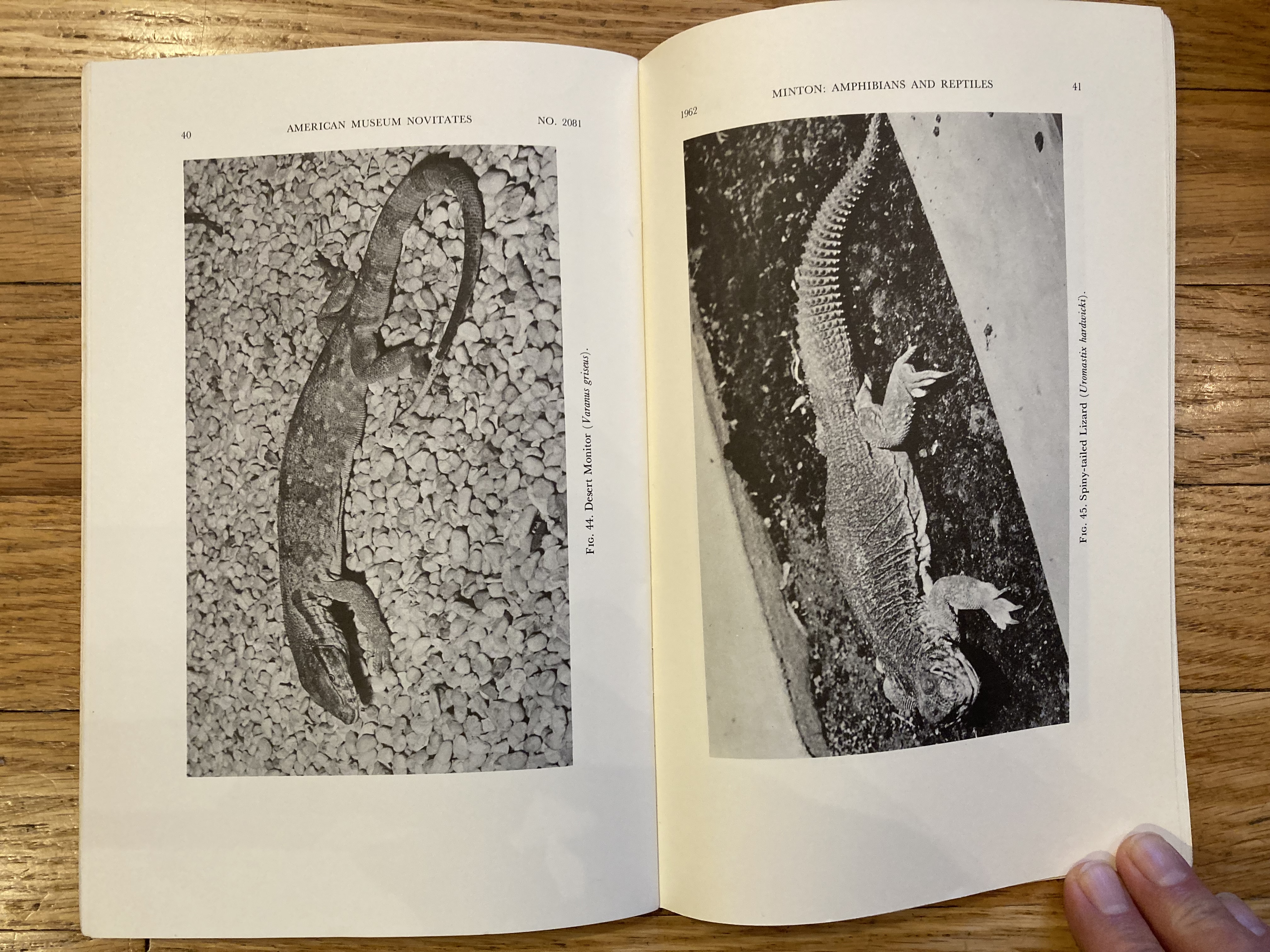
Defining the scope of reptile articles requires identifying the specific taxonomic group, geographical focus, and intended purpose—whether it be clinical herpetology, captive care, or ecological research. Key data points must include verified morphometrics, environmental requirements, and conservation status to ensure technical accuracy and reader utility in any 2026 publication.
The study and documentation of the class Reptilia demand a high degree of precision due to the vast diversity within the group. From the micro-habitats of tropical geckos to the sprawling territories of apex crocodilians, "reptiles" is a broad umbrella that covers significantly different biological needs and ecological roles. When drafting articles on these species, establishing a clear scope is the first step toward providing high-value information that serves both the scientific community and the general public.
Establishing the Taxonomic Scope
The foundation of any high-quality article on reptiles is a clearly defined taxonomic scope. Writers must decide whether they are addressing the entire class Reptilia, a specific order, or a single subspecies. As of 2026, the scientific consensus continues to emphasize the distinction between "non-avian reptiles" and the broader monophyletic group that includes birds. For most educational and hobbyist articles, the scope is limited to the four extant orders of reptiles.
The Four Extant Orders
To define the scope effectively, an article should explicitly state which of the following groups are under consideration:
- Squamata: This is the largest order, encompassing lizards, snakes, and amphisbaenians (worm lizards). Given that there are over 10,000 species within this order, articles often need to narrow their scope further to a specific family, such as Boidae or Gekkonidae.
- Testudines: This order includes turtles, tortoises, and terrapins. Articles focusing on Testudines require specific data regarding shell morphology and aquatic versus terrestrial adaptations.
- Crocodilia: Including crocodiles, alligators, caimans, and gharials, this group requires a scope focused on semi-aquatic ecology and complex social behaviors.
- Rhynchocephalia: Represented today only by the tuatara (Sphenodon punctatus) of New Zealand. Articles on this order are highly specialized, focusing on "living fossils" and unique physiological traits like the parietal eye.
By identifying the taxonomic boundaries early, the writer prevents the "generalization trap," where care requirements or biological facts for one species are incorrectly applied to another. For example, the basking requirements for a desert-dwelling Bearded Dragon (Pogona vitticeps) are fundamentally incompatible with those of a tropical Crested Gecko (Correlophus ciliatus), even though both fall under the order Squamata.
Defining Subject Intent: Captive Care vs. Ecological Research
The "scope" is not just about the animal; it is about the goal of the article. In 2026, herpetological content is generally divided into three primary categories, each requiring a different set of key data.
1. Captive Care and Husbandry
The intent here is to assist keepers in maintaining the health of a reptile. The scope must cover the "micro-environment" of the enclosure. Key data points include precise thermal gradients, humidity percentages, UVB lighting requirements (using the Ferguson Zone system), and dietary supplementation schedules. Failure to define this scope results in vague advice that can lead to Metabolic Bone Disease (MBD) or respiratory infections in captive specimens.
2. Ecological and Field Research
If the article is intended for academic or conservation purposes, the scope shifts to the "macro-environment." Key data includes population density, geographic distribution (GIS mapping), interspecies interactions, and the impact of climate change on nesting temperatures. For many reptiles, sex is determined by incubation temperature (TSD); therefore, data regarding rising ground temperatures is critical for 2026 conservation articles.
3. Systematic and Morphological Studies
These articles focus on the physical characteristics and evolutionary history of the species. The scope is often limited to anatomical descriptions, scale counts (pholidosis), and genetic sequencing. Key data involves holotype descriptions and comparisons with sister taxa.
Critical Data Parameters for Herpetological Writing
Once the scope is established, the article must be populated with specific, verifiable data. Generalities like "this snake grows large" are insufficient. Instead, use standardized metrics that allow for comparison and verification.
Morphological Data
Articles should provide clear measurements. For snakes, this often involves Snout-to-Vent Length (SVL) and total length. For turtles, Carapace Length (CL) is the standard. Weight should be recorded in grams or kilograms, and sexual dimorphism—the physical differences between males and females—must be clearly documented. For example, many female colubrid snakes are significantly larger than their male counterparts, a data point essential for both breeders and field researchers.
Environmental and Climate Data
Reptiles are ectothermic, meaning their internal temperature is regulated by their environment. Therefore, an article's data section must include:
- Preferred Optimal Temperature Zone (POTZ): The range at which the species' physiological processes function most efficiently.
- Heliothermy vs. Thigmothermy: Does the reptile gain heat from the sun (heliothermic) or from surfaces like warm rocks (thigmothermic)?
- Hydration Requirements: This includes ambient humidity and the availability of standing or moving water.
Life History and Reproductive Data
To provide a comprehensive overview, articles should include data on longevity (both in the wild and in captivity), age of sexual maturity, clutch size or litter size, and incubation periods. Distinguishing between oviparous (egg-laying), viviparous (live-bearing), and ovoviviparous species is a non-negotiable data point for taxonomic accuracy.
The Role of Conservation Data in 2026
In the current year, no article on reptiles is complete without addressing the conservation status of the subject. With habitat loss and the illegal wildlife trade remaining significant threats, defining the "legal and conservation scope" is a requirement for ethical journalism.
Writers should consult and cite the IUCN Red List of Threatened Species. Data points should include the specific category: Least Concern (LC), Near Threatened (NT), Vulnerable (VU), Endangered (EN), Critically Endangered (CR), Extinct in the Wild (EW), or Extinct (EX). Additionally, the article should note if the species is listed under CITES (the Convention on International Trade in Endangered Species of Wild Fauna and Flora) Appendices I, II, or III. This data informs the reader about the legality of trade and the urgency of preservation efforts.
Technical Standards for Data Verification
To maintain credibility, all key data must be sourced from reputable outlets. In 2026, this involves a hierarchy of evidence:
- Peer-Reviewed Journals: Sources like the Journal of Herpetology or Copeia provide the highest level of data integrity.
- Museum Records and Biodiversity Databases: The VertNet or Global Biodiversity Information Facility (GBIF) offers verified occurrence data.
- Citizen Science (with caveats): Platforms like iNaturalist provide valuable real-time distribution data, but these should be cross-referenced with expert-verified observations.
- Official Government Resources: For data on protected species or invasive species management, state and federal wildlife agencies (such as the FWC for Burmese Python data in Florida) are essential.
| Data Category | Purpose of Inclusion | Standard Metric/Source |
|---|---|---|
| Taxonomy | Establishes biological identity. | binomial nomenclature (Genus species) |
| Morphometrics | Defines physical limits and growth. | SVL, Carapace Length, Mass (g/kg) |
| Thermal Biology | Outlines survival requirements. | Basking Temp, POTZ, Night Drop |
| Distribution | Defines geographic scope. | GIS Coordinates, Biome type |
| Conservation | Addresses legal/ethical status. | IUCN Category, CITES Appendix |
| Dietary Habits | Informs husbandry or ecology. | Nutrient ratios, Prey frequency |
Common Pitfalls in Defining Scope
One of the most frequent errors in reptile-related articles is "taxonomic drifting." This occurs when an article begins with a narrow scope—such as the care of the Green Iguana (Iguana iguana)—but then drifts into generalities about all iguanids. Since the family Iguanidae includes diverse species with different needs, this drift devalues the specific data provided earlier.
Another pitfall is the failure to account for regional variation. A wide-ranging species like the North American Gopher Snake (Pituophis catenifer) exhibit different behaviors, color patterns, and sizes across its range. An article that fails to define its geographic scope (e.g., focusing on the Pacific Gopher Snake vs. the Great Basin Gopher Snake) may provide misleading data to someone located in a different region.
Finally, writers often overlook the "temporal scope." Data regarding reptile populations from 2010 may no longer be accurate in 2026 due to habitat fragmentation or climate shifts. Always ensure that census data and conservation statuses are updated to the current year's findings.
Frequently Asked Questions
Why is Snout-to-Vent Length (SVL) used instead of total length?
Total length can be misleading because many reptiles, particularly lizards and some snakes, can lose and regrow their tails (autotomy). A regrown tail is rarely the same length as the original. SVL provides a more consistent measure of the animal's actual body size and physiological development, making it the standard for scientific comparison.
How do I determine the "Ferguson Zone" for a reptile article?
The Ferguson Zone system categorizes reptiles into four groups based on their daily sun exposure and UVB requirements. To include this in an article, you must research the species' natural behavior. For example, crepuscular species (active at dawn and dusk) usually fall into Zone 1, while high-sun baskers like Chuckwallas fall into Zone 4. This data is essential for modern captive care articles.
Can I use "Reptile" and "Herptile" interchangeably?
No. The term "reptile" refers specifically to members of the class Reptilia. "Herptile" (or "herp") is a colloquial term that includes both reptiles and amphibians. If your article's scope includes frogs or salamanders, you are writing about herptiles. If it is strictly about snakes, turtles, or lizards, you should use the term reptiles to maintain technical accuracy.
Is it necessary to include the scientific name in every article?
Yes, at least upon the first mention. Common names vary wildly by region and language. For instance, the "Puff Adder" refers to Bitis arietans in Africa, but in parts of North America, it is a common name for the Hognose snake (Heterodon platirhinos). Using the scientific name ensures that the reader, researcher, or veterinarian knows exactly which species the data refers to.
What is the most important data point for a conservation-focused article?
While population numbers are important, "Habitat Fragmentation" and "Population Trend" (increasing, decreasing, or stable) are often more critical. In 2026, understanding the connectivity between isolated populations is vital for assessing the long-term genetic health and survival of a species.
Practical Recommendation for Content Creators
When preparing an article on reptiles, begin by creating a Scope Manifesto. Write down exactly which species is being covered, the intended audience (e.g., "intermediate hobbyists" or "conservation biologists"), and the primary geographic region. Once this is set, use a data-first approach: gather your morphometric and environmental statistics from peer-reviewed databases before writing the narrative. This ensures that the article is built on a foundation of hard data rather than anecdotal evidence. For every claim regarding care or biology, ensure there is a corresponding data point—such as a specific temperature or a cited IUCN status—to support it. By following this structured approach, you will produce a publication-ready piece that meets the rigorous standards of 2026 herpetological communication.