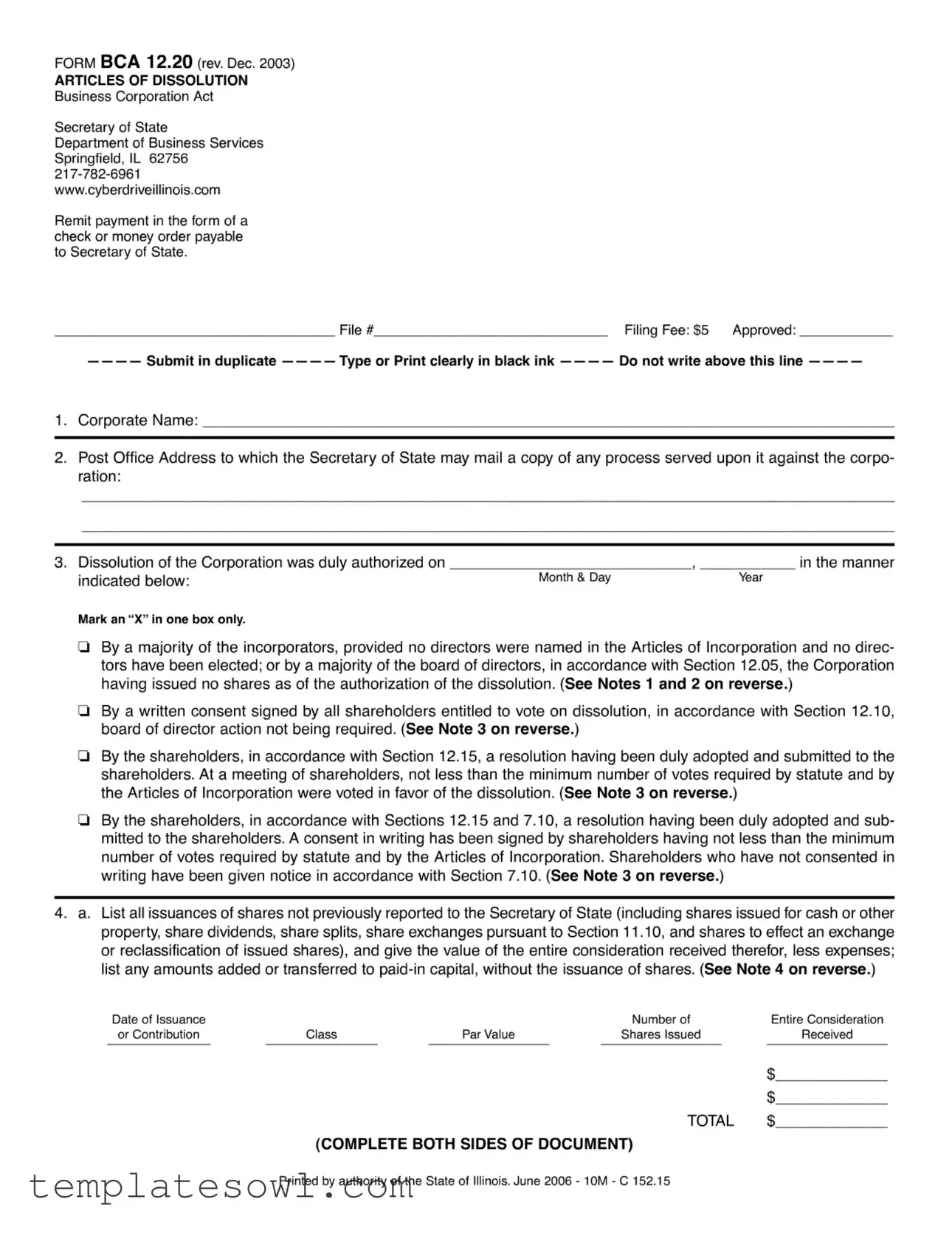
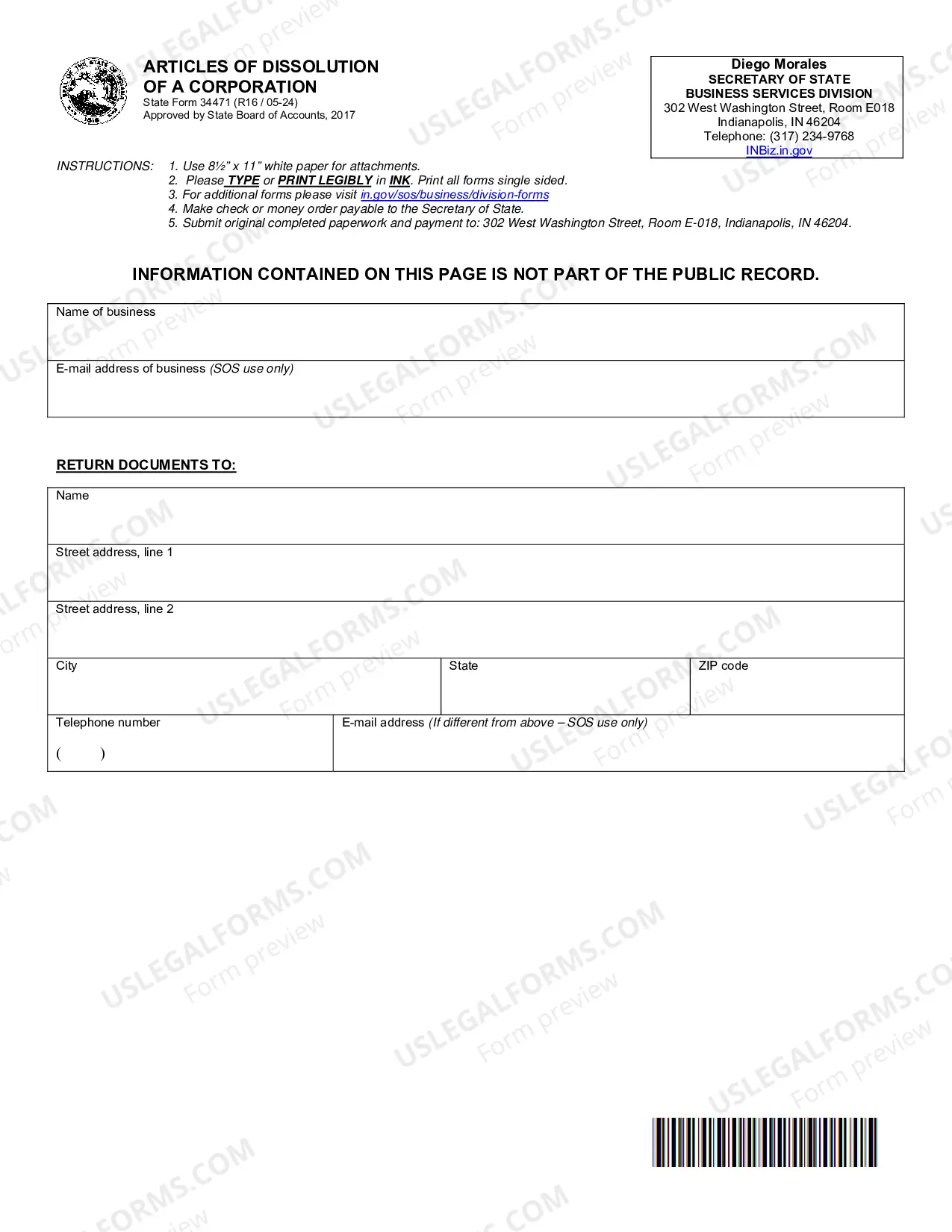
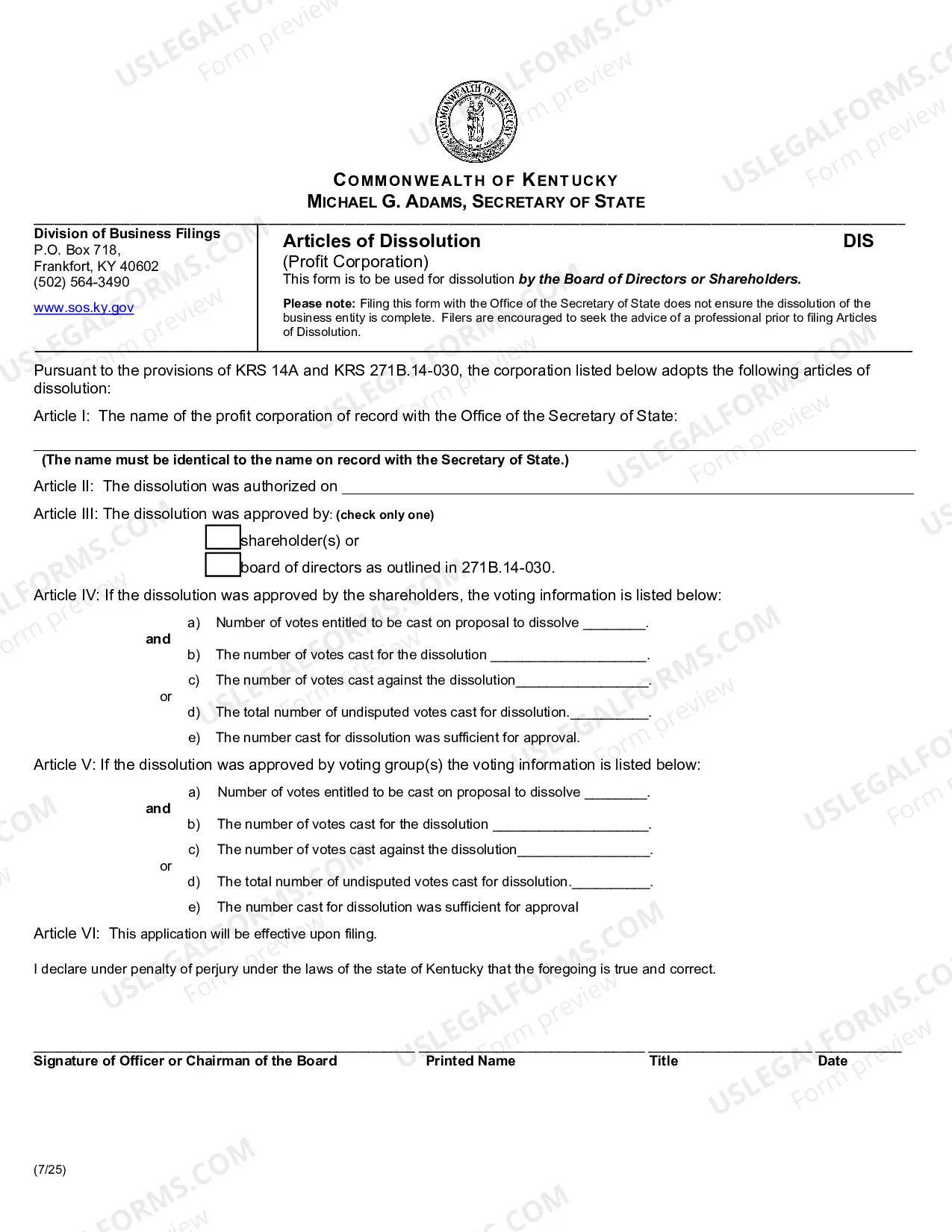
An article of dissolution is the formal legal document filed with a state government agency to officially terminate a business entity’s existence. By submitting this filing, business owners notify the state that the company has ceased operations, settled its outstanding debts, and distributed remaining assets, thereby ending the entity's legal obligations, tax liabilities, and statutory reporting requirements.
The Role of Formal Dissolution in Business Lifecycle Management
Every business entity—whether a corporation, limited liability company (LLC), or limited partnership—is born through a state-sanctioned filing, typically the Articles of Incorporation or Articles of Organization. Consequently, the entity possesses a "legal personality" that exists independently of its owners. Closing a business involves more than simply locking the doors or ceasing revenue-generating activities; it requires a systematic, state-mandated process to ensure that the business's legal death is as formal as its birth.
Filing an article of dissolution is the mechanism that signals to the Secretary of State or equivalent corporate filing agency that the business is no longer conducting commerce. Failure to file this document leaves the entity in a state of "active" or "delinquent" status. This status may expose owners to ongoing franchise taxes, annual report filing requirements, and potential liability for corporate debts if the entity remains technically alive in the eyes of the government.
Prerequisites to Filing for Dissolution
Before the formal article of dissolution is drafted and submitted, the business must satisfy several operational and legal prerequisites. Skipping these steps can lead to the rejection of your filing or, more seriously, future legal repercussions.
1. Authorization and Governance Compliance
The authority to dissolve a business must be rooted in the company’s internal governing documents. For an LLC, this is typically the Operating Agreement; for a corporation, it is the Bylaws. You must follow the exact voting procedures outlined in these documents. In most cases, this requires a formal resolution passed by a majority of the members or shareholders. It is essential to record the minutes of the meeting or execute a written consent form that documents the decision to dissolve, as some states require proof of this authorization during the filing process.
2. Liquidation of Assets and Settlement of Liabilities
A business cannot simply disappear while owing money. The liquidation phase involves:
- Asset Sale: Selling equipment, inventory, and intellectual property.
- Notice to Creditors: Providing formal notice to known creditors and potential claimants. Many states have specific notice requirements to satisfy due process.
- Payment of Debts: Prioritizing and paying off outstanding liabilities, including business loans, vendor contracts, and utility bills.
- Tax Finalization: Filing all final federal, state, and local tax returns. This often includes obtaining a "Tax Clearance Certificate" from your state’s Department of Revenue, which confirms that all tax obligations have been satisfied.
3. Distribution to Owners
Once all debts, including taxes, have been settled, the remaining assets—cash, equipment, or other holdings—are distributed to the owners based on their equity percentage or the terms established in the company’s governing documents.
The Filing Process: Step-by-Step
Once the prerequisites are complete, the actual filing of the article of dissolution becomes the final administrative act. While procedures vary significantly by jurisdiction, the following workflow is common across the United States.
- Drafting the Document: Many states provide a pre-printed form for dissolution. If a form is not available, you must draft a document that includes the entity’s exact name, the date of the dissolution authorization, and a statement confirming that all debts have been paid.
- State Agency Submission: The document is filed with the Secretary of State or the Division of Corporations in the state where the business was formed (the "domestic state"). If the business was registered to do business in other states (as a "foreign entity"), you must also file a certificate of withdrawal or cancellation in those jurisdictions.
- Payment of Filing Fees: Most states charge a nominal fee to process the article of dissolution. This fee must be paid at the time of submission.
- Verification and Approval: Once the agency receives the document, they review it for accuracy and completeness. If it meets all statutory requirements, they will issue a stamped copy or an official acknowledgment of the dissolution.
Comparison of Key Considerations for Business Closure
| Consideration | Requirement/Task | Importance |
|---|---|---|
| Internal Approval | Vote by members/shareholders | High (prevents future litigation) |
| Tax Clearance | State Dept. of Revenue approval | Critical (prevents tax audits) |
| Public Notice | Optional/Required by some states | Medium (legal protection) |
| State Filing | Official Article of Dissolution | Mandatory (ends legal status) |
| Asset Distribution | Final accounting | High (protects against claims) |
Common Mistakes to Avoid
Closing a business is a high-stress transition, and administrative oversights are frequent. Understanding these pitfalls can save significant time and money.
- Forgetting "Foreign" Registrations: If you qualified your business to operate in other states, failing to withdraw from those states will result in recurring franchise tax bills and penalty notices, even if your home state has already processed your dissolution.
- Ignoring Tax Clearances: In states like California or New York, the Secretary of State may refuse to accept a dissolution filing until the Department of Revenue has issued a clearance certificate. Skipping this step often results in the automatic rejection of the dissolution application.
- Incomplete Records: Always maintain a copy of the stamped, filed article of dissolution for your permanent records. You may need this for future tax examinations or to prove to a lender that the entity no longer exists.
- Failure to Notify Vendors: If you have ongoing contracts, failing to notify vendors can lead to breach-of-contract claims. Ensure that all service providers receive formal termination notices according to the terms of your agreements.
FAQ: Addressing Common Concerns
Do I need an attorney to file an article of dissolution? While you are not legally required to hire an attorney, it is highly recommended if your business has multiple owners, significant assets, complex liabilities, or ongoing litigation. An attorney ensures that you are shielded from personal liability during the wind-down process.
What happens if I simply stop filing annual reports? This is known as "administrative dissolution." While it might seem like an easy way to end the business, it is risky. Administrative dissolution is an involuntary process triggered by the state for non-compliance. It can lead to the "piercing of the corporate veil," potentially exposing personal assets to business creditors. Always choose voluntary dissolution over administrative neglect.
How long does it take for the state to process the filing? Processing times vary by state and method. In 2026, many states offer online filing portals where status changes can be reflected almost immediately. Paper filings sent by mail can take anywhere from 10 to 30 business days.
Does a dissolution cancel my Employer Identification Number (EIN)? The IRS does not automatically deactivate your EIN when you dissolve your business with the state. You should send a letter to the Internal Revenue Service to close your business account, especially if you have an active payroll account, to prevent future automated tax notices.
Can a dissolved business be "revived"? Most states offer a reinstatement process if a business was dissolved by mistake or if the owners decide to resume operations shortly after dissolution. However, this process often involves back-filing fees and penalties. It is essentially a "fresh start" for the entity.
Next Steps and Recommendations
If you have determined that your business has reached its natural conclusion, the most responsible path is to initiate a voluntary dissolution immediately.
- Review your governing documents: Determine the exact vote threshold required for dissolution.
- Audit your financials: Conduct a final reconciliation of all debts and assets.
- Consult a tax professional: Ensure all final returns are prepared and request any necessary tax clearances early.
- Execute the filing: Use your state’s official business portal to submit the article of dissolution. If you are unsure about the specific forms, contact the Secretary of State's office directly, as their staff can often provide the specific forms required for your entity type.
Disclaimer: This article provides general information and does not constitute legal or tax advice. Laws regarding business dissolution are subject to change and vary by state. Consult with a qualified legal or tax professional regarding your specific business structure and jurisdictional requirements.