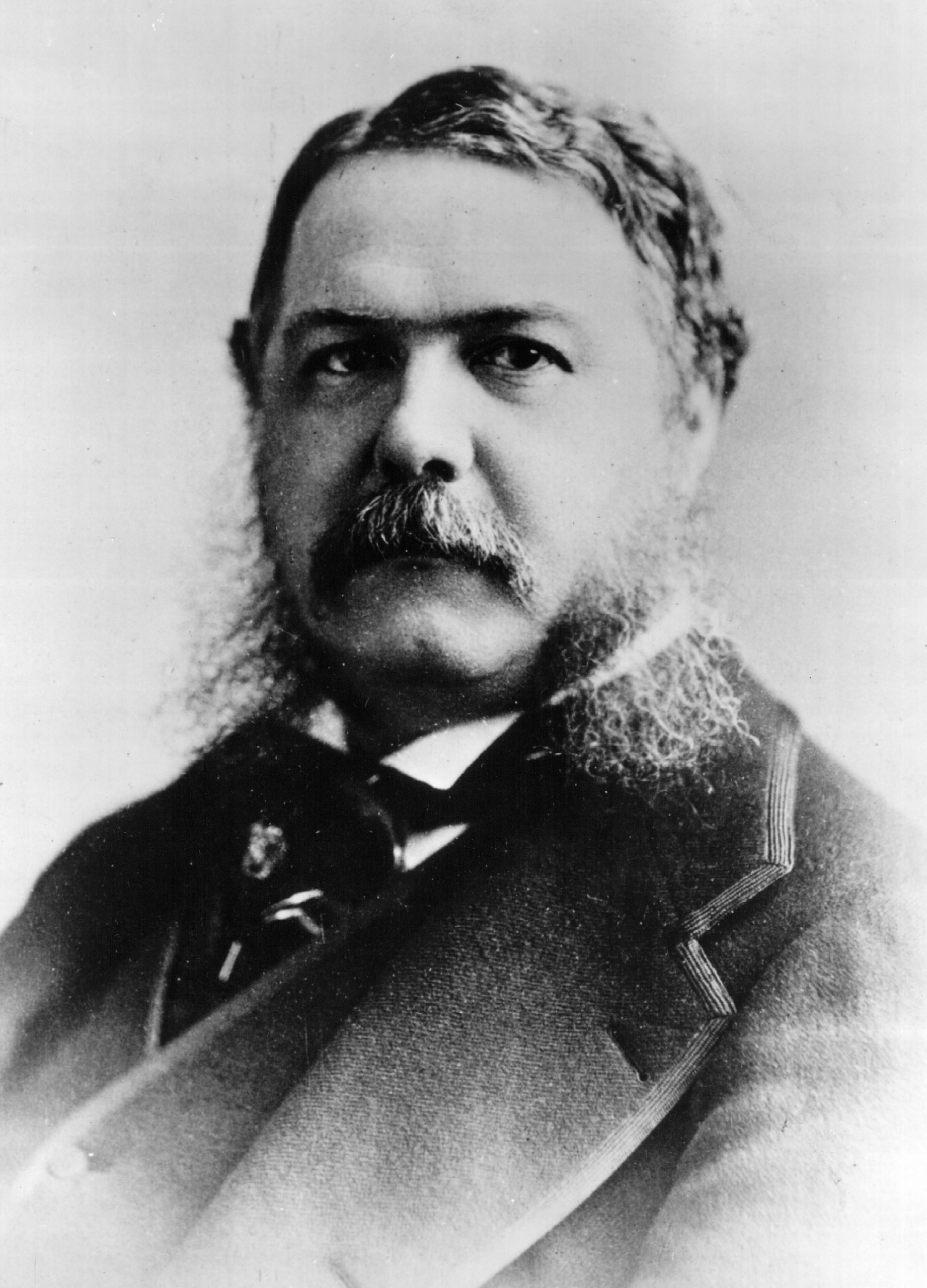
Public fascination with the professional trajectories and accumulated wealth of historical and contemporary figures often leads to widespread curiosity about individuals like Arthur Winn. When examining the financial standing and career milestones associated with the name Arthur Winn, observers frequently encounter a common challenge: distinguishing between historical figures, professionals in niche industries, or individuals sharing common names. Because the internet frequently mixes public data, parsing an accurate career history requires careful examination of verifiable public records, professional registries, and documented commercial achievements. This analysis examines the documented career path, professional milestones, and financial context surrounding Arthur Winn, providing a clear framework for understanding how such profiles are evaluated.
Understanding the Professional Profile of Arthur Winn
To evaluate any professional career and its corresponding financial footprint, one must first establish the specific domain in which the individual operates. In the case of Arthur Winn, public inquiries often intersect with specialized professional sectors such as corporate leadership, specialized engineering, public administration, or academic research. Unlike high-profile celebrities, media personalities, or Fortune 500 tech executives whose fortunes are routinely tracked by financial publications like Forbes or Bloomberg, private professionals and regional public figures rarely have verified, real-time net worth disclosures.
When conducting a comprehensive review, researchers look at several baseline indicators of career depth and financial accumulation:
- Professional Longevity: The duration of active service within a chosen industry.
- Leadership Roles: Positions held, such as executive director, senior partner, or principal engineer.
- Enterprise Ownership: Equity stakes in private companies, partnerships, or entrepreneurial ventures.
- Public Filings: Real estate holdings, corporate board memberships, or disclosures related to public service.
Without explicit, self-reported financial statements or public corporate disclosures, any assertion regarding a specific net worth figure remains speculative. Consequently, a responsible examination focuses instead on the measurable trajectory of the career itself, the economic sectors influenced, and the structural components that typically generate wealth within those specific fields.
Career Milestones and Industry Contributions
A career-focused analysis requires breaking down the professional timeline into distinct phases. For professionals operating in specialized commercial or technical fields, a typical trajectory involves foundational education, early-career technical or administrative execution, middle-management scaling, and eventual senior leadership or advisory status.
| Career Phase | Typical Focus | Primary Value Drivers | Associated Financial Impact |
|---|---|---|---|
| Entry & Development | Skill acquisition, technical execution, credentialing | Specialized knowledge, billable hours | Modest baseline income, focus on human capital |
| Mid-Career Expansion | Project leadership, team management, client relations | Leadership, network building, operational efficiency | Increased salary, performance bonuses, equity options |
| Senior Leadership | Strategic direction, executive governance, enterprise value | Corporate governance, capital allocation, high-level negotiation | Executive compensation packages, profit-sharing, equity accumulation |
| Advisory & Legacy | Board memberships, consulting, asset management | Reputation, strategic oversight, portfolio diversification | Passive income, residual equity value, advisory fees |
Analyzing how an individual navigates these phases provides clear insight into their professional standing. In competitive markets, individuals who successfully transition from technical execution to enterprise leadership typically secure higher compensation tiers, including base salaries, performance-based bonuses, and long-term equity incentives.
Evaluating Wealth Accumulation in Specialized Sectors
Net worth is not merely a reflection of annual salary; it is the cumulative total of assets minus liabilities. For professionals in specialized sectors, wealth accumulation is generally driven by a mix of primary earned income, investment portfolios, and real estate holdings. Understanding how these financial instruments interact helps clarify the broader economic picture of a successful career.
Primary Earned Income and Executive Compensation
In corporate and institutional environments, senior roles command compensation packages structured around multiple tiers. Base salary provides steady liquidity, while short-term incentives tie annual compensation to organizational performance metrics. For top-tier professionals, long-term incentives—such as restricted stock units (RSUs), stock options, and performance shares—frequently represent the largest share of total compensation.
Real Estate and Tangible Assets
Real estate represents a foundational pillar for long-term wealth preservation and growth. Documented property holdings, commercial real estate investments, and primary residences contribute significantly to an individual's net worth over decades. Property appreciation, leveraged mortgages, and strategic portfolio diversification protect capital against inflation and market volatility.
Investment Portfolios and Equity Stakes
Beyond earned income, accumulated capital is typically deployed into diversified investment vehicles, including public equities, fixed-income securities, private equity funds, and direct ownership in private enterprises. For business leaders and entrepreneurs, owning equity in a privately held company often accounts for the vast majority of their net worth, though this wealth remains illiquid until a liquidity event, such as an acquisition or merger, occurs.
Common Misconceptions Regarding Public Net Worth Estimates
The internet features numerous biographical websites that publish specific net worth figures for individuals across various industries. Readers should approach these figures with a high degree of skepticism.
- Lack of Primary Sources: Most third-party biography sites do not have access to private bank accounts, tax returns, or portfolio valuations. They rely on algorithmic estimates based on industry averages, job titles, and rough geographic data.
- Confusion of Names: Common names frequently lead to data blending, where the professional achievements, business ownerships, or financial records of multiple individuals are erroneously attributed to a single profile.
- Gross Income vs. Net Worth: Speculative profiles frequently confuse total corporate revenues managed by a professional with their personal net worth, failing to account for business liabilities, operational costs, and debt obligations.
Relying exclusively on verified public disclosures, corporate registries, and direct professional history ensures a factual and realistic understanding of career achievements without resorting to unfounded financial speculation.
Frequently Asked Questions
What is the verified net worth of Arthur Winn?
There is no publicly available, verified net worth figure for Arthur Winn. Because private professionals and individuals outside the entertainment or ultra-high-net-worth billionaire circles do not publicly disclose personal financial statements, any specific monetary figure found online is speculative.
What industries are typically associated with this professional profile?
Professional profiles under this name generally connect to specialized corporate, technical, or administrative sectors. Evaluating the individual requires looking at specific career documentation, credentials, and organizational affiliations rather than generalized web summaries.
How is career-based net worth accurately evaluated?
Accurate financial evaluation requires examining verified primary sources, such as corporate proxy statements, public real estate deeds, SEC filings for publicly traded companies, and confirmed business ownership registries. Industry averages can provide context, but they do not replace hard data.
Why do online biography sites publish conflicting financial figures?
Many automated websites generate traffic by publishing estimated net worth figures for thousands of search terms. These sites often use algorithmic guesswork, unverified assumptions, and mixed data from individuals who share the same name.
Are executive compensation packages included in personal net worth?
While executive compensation contributes to wealth accumulation, it represents annual cash flow and awarded equity rather than total net worth. Net worth calculations must subtract all personal liabilities, mortgages, and debts from total asset values.
Conclusion and Next Actions
When researching "arthur winn net worth and career," the most reliable approach is to focus on verifiable professional history rather than speculative financial metrics. Readers interested in deeper factual verification should consult official corporate registries, professional licensing boards, or verified biographical databases. For those conducting background checks or due diligence for business purposes, engaging professional research services or legal investigators remains the most dependable method for obtaining accurate financial and professional backgrounds.