Article 7 of workers' compensation legislation typically governs foundational definitions, administrative frameworks, jurisdictional boundaries, or specific statutory benefits depending on the regional jurisdiction. It outlines how claims are processed, who qualifies for protection, and the legal obligations binding employers and insurance providers.
Navigating the intricacies of workers' compensation law requires a precise understanding of how statutory articles operate within the broader legal framework. Whether you are an injured employee seeking clarity on your entitlements, an employer ensuring compliance, or a legal professional evaluating liability, examining Article 7 provides crucial insights into administrative procedures, dispute resolution mechanisms, and benefit calculations. This guide breaks down the core structural elements, operational requirements, and practical implications associated with this critical provision.
The Structural Context of Workers' Compensation Legislation
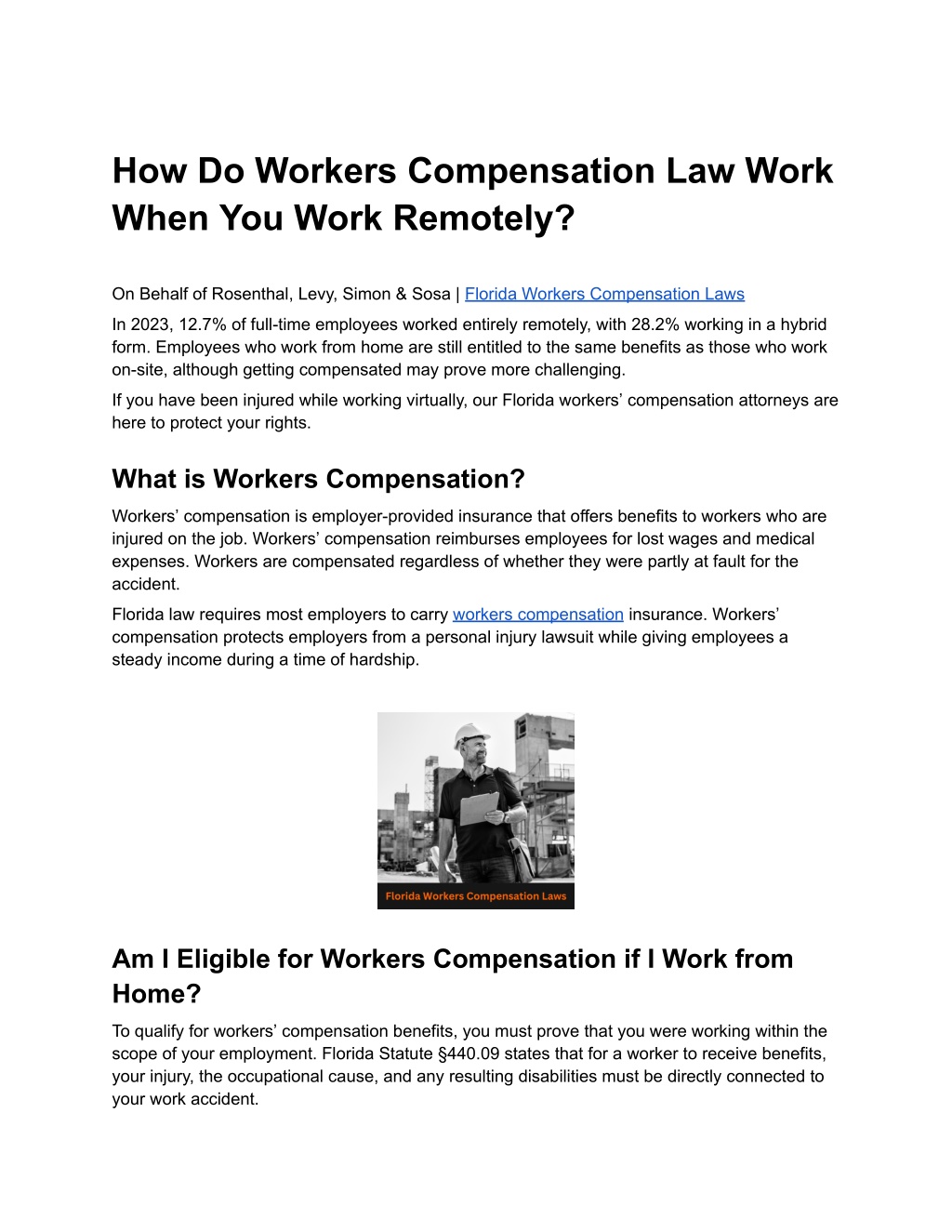
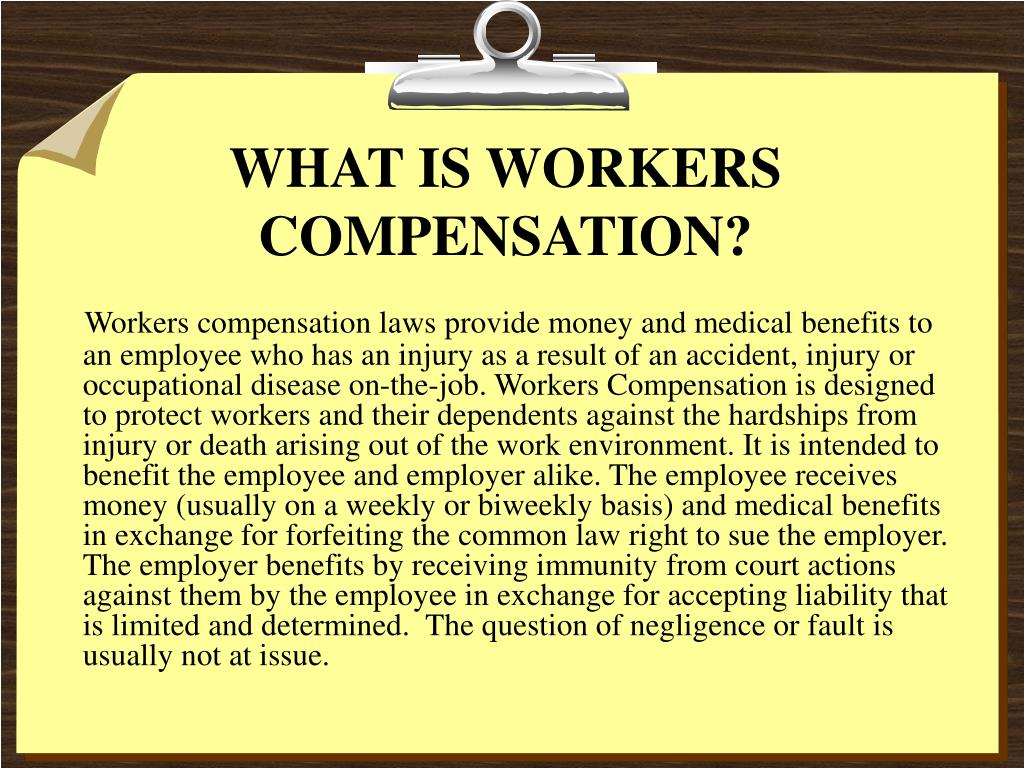
Workers' compensation acts are comprehensive legislative frameworks designed to provide a reliable, no-fault system for compensating workers who suffer occupational injuries or diseases. Rather than forcing employees to prove employer negligence through protracted civil litigation, statutory frameworks establish a compromise: employees receive guaranteed medical care and wage replacement, while employers are granted immunity from common-law tort suits in most workplace injury scenarios.
Within these expansive statutes, laws are divided into numbered parts, chapters, or articles, each addressing a discrete operational facet of the system. While exact numbering conventions vary significantly by jurisdiction—ranging from state-level acts in the United States and provincial statutes in Canada to national frameworks in various international jurisdictions—provisions designated as "Article 7" generally focus on administrative enforcement, specialized benefit categories, or jurisdictional oversight.
Understanding Article 7 requires placing it within the hierarchy of the broader act. Statutes typically begin with definitions and coverage mandates, move through employer obligations and insurance requirements, establish administrative boards or commissions, and conclude with dispute resolution and penalty provisions. An article situated later in the sequence often governs specialized enforcement mechanisms, occupational disease protocols, or the appeals process triggered when a claim is contested.
Core Legal Principles and Scope of Coverage
To properly interpret any specific article within a workers' compensation statute, one must understand the foundational principles governing the entire act. These laws rest on several core tenets that shape how individual provisions are applied by administrative judges and appellate courts.
The No-Fault Bargain
The foundational pillar of workers' compensation is the elimination of the fault requirement. An injured worker generally does not need to prove that their employer was negligent, nor does an employer typically escape liability by proving the worker was momentarily careless, provided the injury arose out of and in the course of employment. However, exceptions exist for intentional self-harm, intoxication, or gross misconduct expressly defined by the statute.
Arising Out Of and In the Course of Employment
Eligibility for benefits under workers' compensation—and by extension, the application of provisions governing claims processing and disputes—hinges on whether an injury meets the statutory threshold of occurring "out of and in the course of employment."
- In the course of employment: Refers to the time, place, and circumstances under which the injury occurred (e.g., performing assigned duties during working hours on company premises).
- Arising out of employment: Requires a causal connection between the employment conditions and the resulting injury (e.g., machinery malfunction, repetitive strain from required tasks, or environmental hazards inherent to the job).
Operational Mechanics: How Provisions are Enforced
When an administrative article governs enforcement, adjudication, or specific benefit structures, it interacts directly with daily workplace operations. The practical application of these rules involves a predictable sequence of events managed by employers, insurance carriers, and administrative boards.
- Workplace Injury Occurs
- Notice Given to Employer
- Medical Evaluation & Treatment
- Claim Filed with Administrative Authority
- Adjudication / Dispute Resolution (Governed by Statutory Articles)
Administrative boards rely on statutory guidelines to evaluate whether proper procedures were followed. Failure to adhere to statutory timelines for reporting injuries or filing claims can result in severe penalties or the outright forfeiture of benefits. Conversely, employers who fail to maintain required coverage or improperly deny valid claims face significant statutory fines and potential civil exposure.
Key Provisions and Comparative Analysis
Because workers' compensation laws are jurisdiction-dependent, the precise subject matter of "Article 7" varies depending on the specific legislative body enacted. To illustrate how different jurisdictions structure these provisions, the table below compares common legislative focuses found in major legal frameworks.
| Jurisdiction Type | Typical Focus of Article 7 / Equivalent Section | Primary Administrative Body | Key Procedural Focus |
|---|---|---|---|
| State-Level US Statutes | Special Compensation Funds, Second Injury Funds, or Vocational Rehabilitation | State Workers' Compensation Board / Commission | Funding mechanisms for pre-existing conditions and retraining |
| Provincial Canadian Acts | Occupational Disease, Appeals, or Assessment and Classification | Workers' Compensation Board (WCB) / Workplace Safety & Insurance Board (WSIB) | Employer assessment rates, industrial disease schedules, and tribunal appeals |
| National International Acts | Dispute Resolution Tribunals, Penalties, and Enforcement | Ministry of Labor / Specialized Industrial Tribunals | Inspectorate powers, penal sanctions, and arbitration procedures |
Note: Readers must verify the exact statutory text of the specific jurisdiction governing their employment, as legislation is subject to continuous legislative amendments and judicial interpretation.
Rights and Obligations Under Statutory Frameworks
Provisions concerning administrative oversight or specialized benefits carry strict compliance obligations for all participating parties. Understanding these duties prevents costly legal disputes and ensures timely access to necessary remedies.
Employer Responsibilities
- Mandatory Insurance Coverage: Employers must secure workers' compensation insurance through authorized commercial carriers, state funds, or approved self-insurance programs.
- Immediate Reporting: Employers are statutorily required to report workplace injuries to their insurance carrier and the relevant administrative board within mandated timeframes.
- Posting Notices: Most jurisdictions require employers to display official notices informing workers of their rights under the act and providing contact information for the insurer.
Employee Responsibilities
- Timely Notice: An injured worker must notify their employer of an injury within a specified statutory period (ranging from days to weeks, depending on the jurisdiction).
- Cooperation with Medical Treatment: Claimants must attend authorized medical examinations and follow prescribed treatment plans to maintain eligibility for wage-replacement benefits.
- Accurate Disclosure: Workers must provide truthful information regarding their medical history, prior injuries, and employment status during claim adjudication.
Common Pitfalls and Troubleshooting Disputed Claims
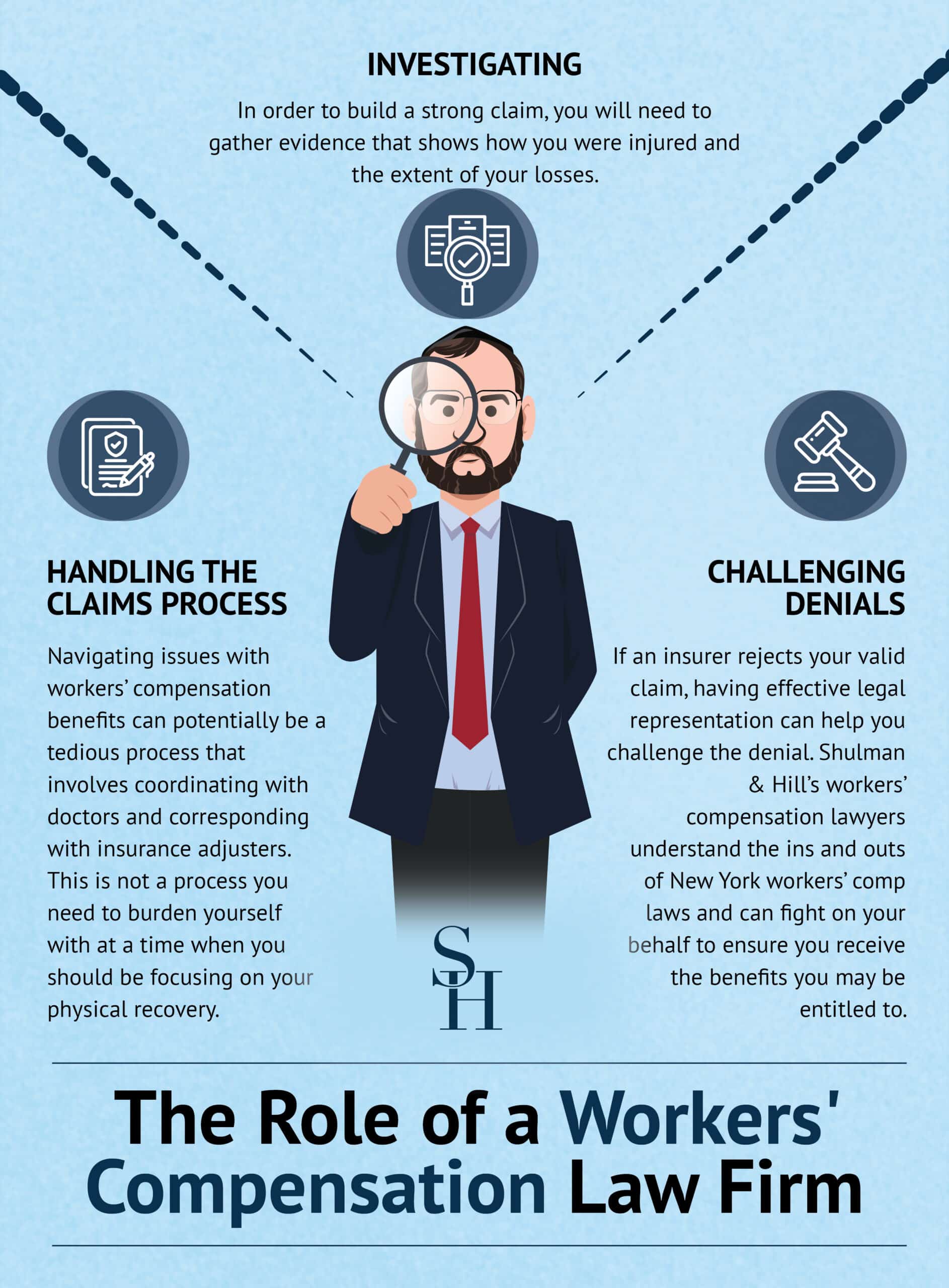
Disputes frequently arise during the claims process, particularly when a carrier contests whether an injury is work-related or disputes the extent of permanent disability. Navigating these challenges requires adherence to established legal remedies.
Common Mistakes to Avoid
- Delayed Reporting: Waiting too long to report an injury gives insurers grounds to question whether the incident occurred at work.
- Using Unauthorized Medical Providers: Many jurisdictions require treatment by physicians within an approved network. Visiting an unauthorized doctor can result in denied medical reimbursement.
- Failing to Keep Detailed Records: Lacking documentation of medical visits, correspondence with employers, and missed workdays weakens a claimant's position during dispute resolution.
Resolution and Appeals Process
When a claim is denied or benefits are prematurely terminated, statutory provisions outline the formal appeals pathway:
- Mediation or Informal Conference: Many administrative agencies attempt to resolve disputes through non-binding mediation before scheduling formal hearings.
- Formal Administrative Hearing: If mediation fails, the case is presented before an administrative law judge or tribunal member, where witnesses testify and medical evidence is submitted.
- Appellate Review: Decisions by administrative judges can typically be appealed to a higher commission or state appellate court, focusing on errors of law or lack of substantial evidence.
Frequently Asked Questions
What does workers' compensation typically cover?
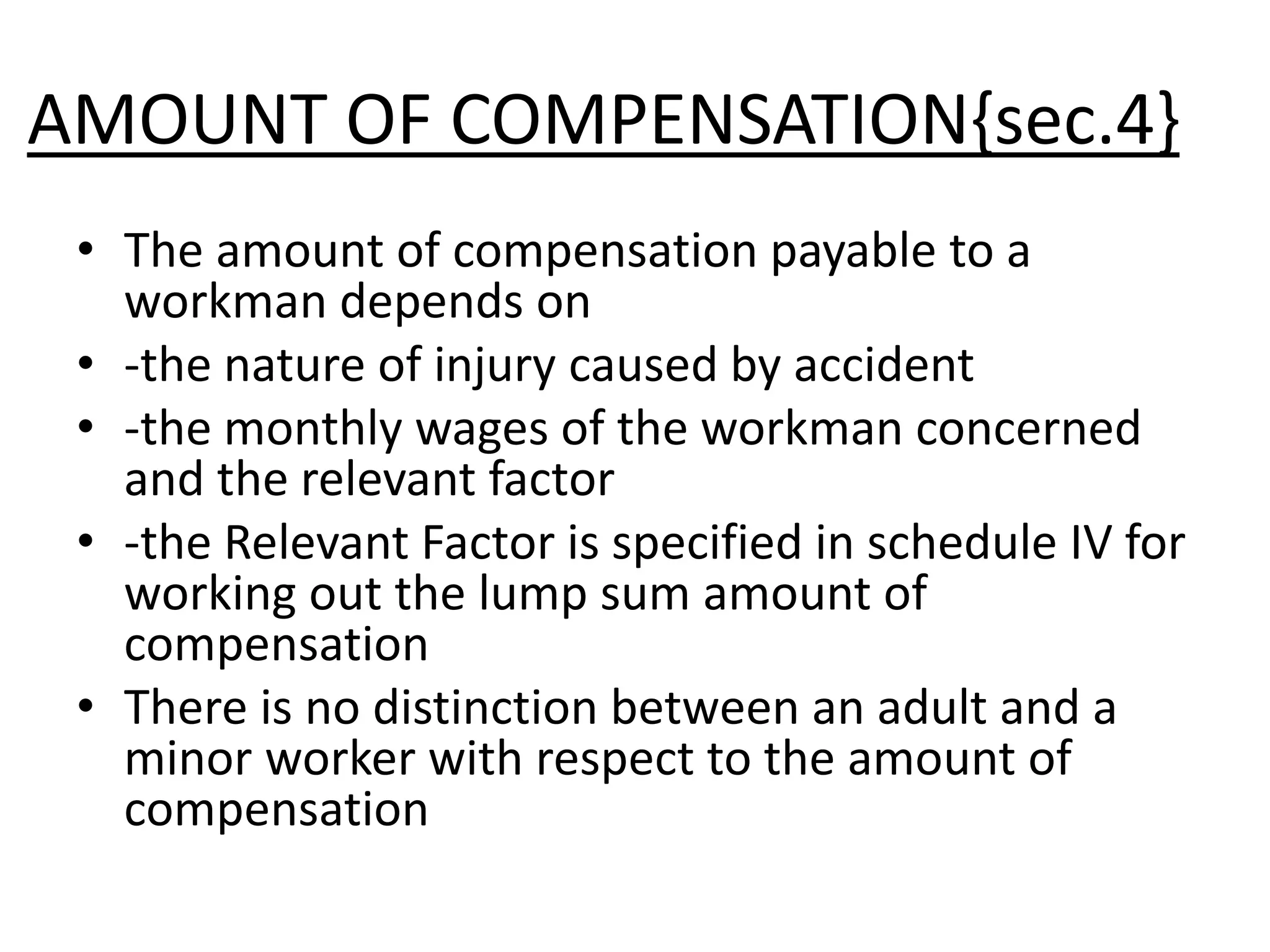
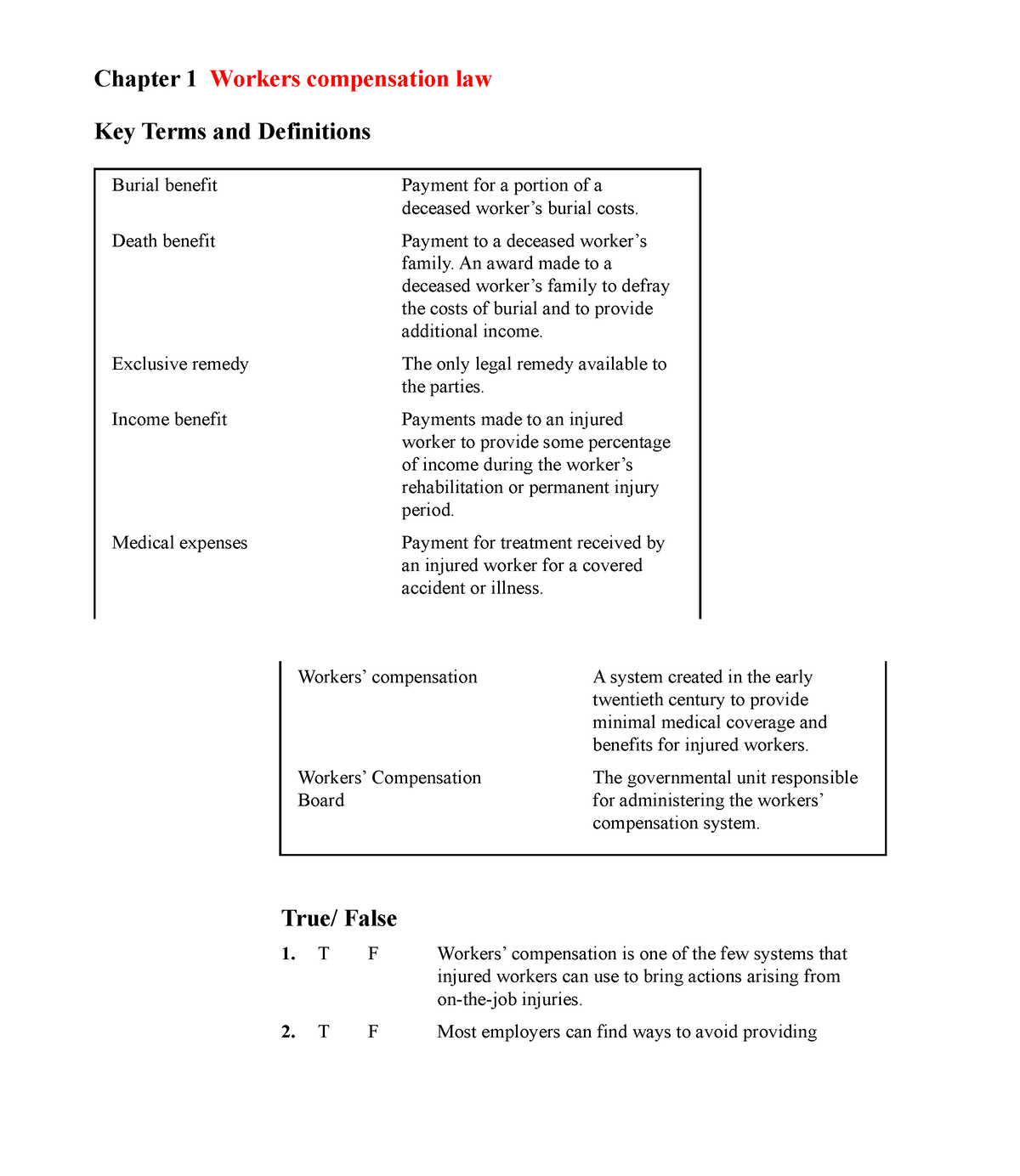
Workers' compensation generally covers necessary medical treatment, temporary or permanent wage-replacement disability benefits, vocational rehabilitation, and death benefits for surviving dependents when a fatality occurs due to a work-related incident.
Can an employee sue their employer directly for a workplace injury?
In most cases, the exclusive remedy doctrine prevents injured employees from filing personal injury lawsuits against their employers. Civil lawsuits are generally only permitted if the employer committed an intentional tort or failed to maintain mandatory workers' compensation insurance.
What should I do immediately after suffering a workplace injury?
Notify your supervisor or employer in writing as soon as possible, seek prompt medical attention from an approved healthcare provider, and ensure an official injury report is filed with both the employer and the relevant state or provincial board.
Are independent contractors covered under these acts?
True independent contractors are generally excluded from mandatory workers' compensation coverage, though statutory definitions of employment are complex. Misclassification of employees as independent contractors is a frequent subject of legal dispute.
How are permanent disability benefits calculated?
Permanent disability benefits are typically calculated using statutory schedules that assign specific values or weeks of compensation based on the body part affected, the percentage of functional impairment, and the worker's pre-injury average weekly wage.
Professional Guidance and Next Actions
Because workers' compensation law is strictly jurisdictional and subject to frequent legislative and judicial updates, individuals facing complex claims or disputes should consult with a qualified workers' compensation attorney or a certified legal advocate. Employers should maintain close coordination with their insurance risk managers and legal counsel to ensure ongoing compliance with statutory reporting and coverage requirements. Reviewing official state or provincial labor department publications provides the most accurate, up-to-date guidance for specific situations.