Article 10 of the Articles of Confederation established the Committee of the States, a legal mechanism designed to manage the United States government during congressional recesses by exercising delegated executive and administrative powers.
Introduction to the Articles of Confederation and Article 10
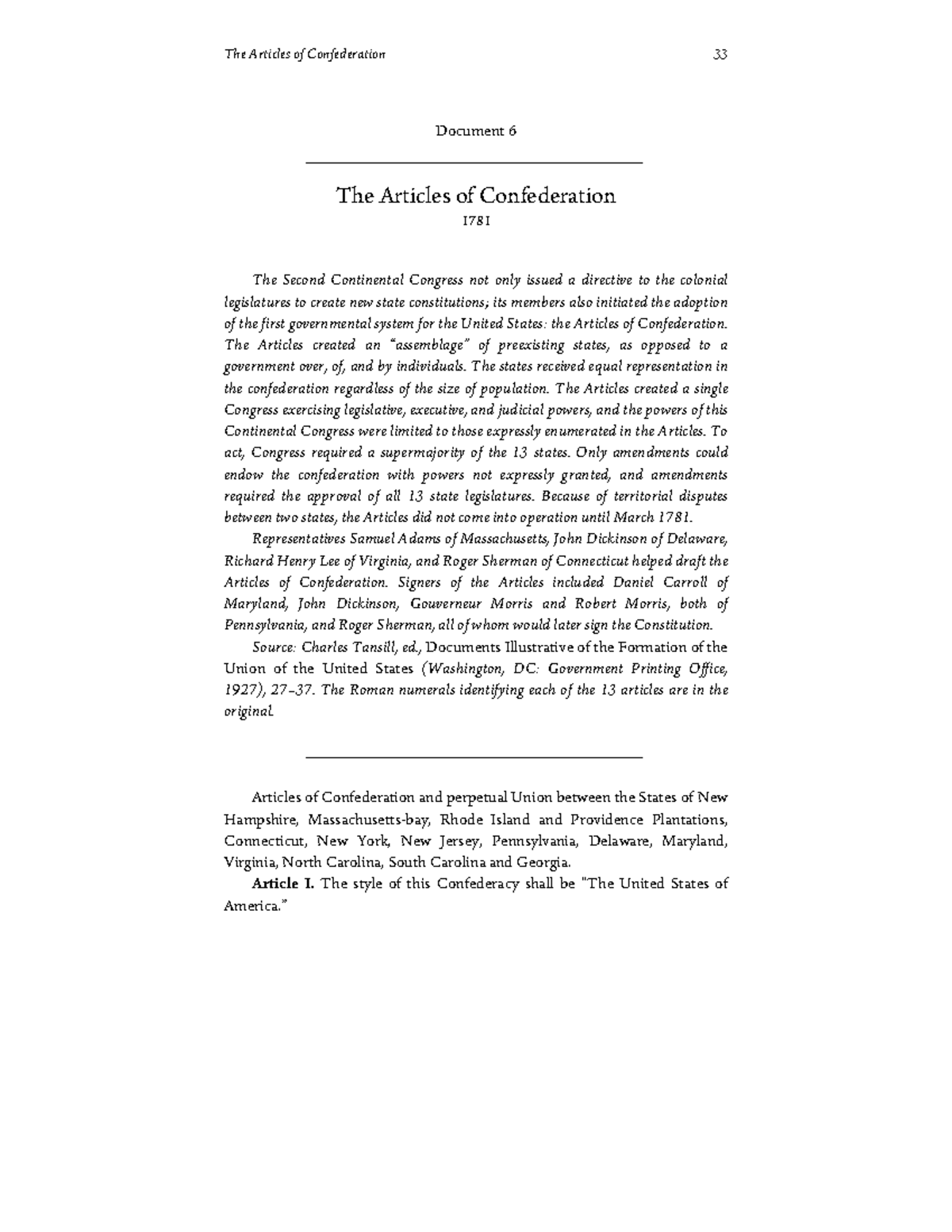
The Articles of Confederation served as the first written constitution of the United States, adopted by the Continental Congress on November 15, 1777, and finally ratified by all thirteen states on March 1, 1781. Operating under a framework that prioritized state sovereignty and limited centralized authority, the framers deliberately constructed a weak national government to prevent the tyranny experienced under British rule. Within this decentralized constitutional document, Article 10 of the Articles of Confederation plays a specific operational role. It outlines the creation, composition, and authority of the "Committee of the States," an interim body meant to act on behalf of the United States Congress when the full legislative assembly was not in session.
Understanding Article 10 requires examining the structural challenges faced by the early American republic, particularly the difficulty of maintaining a quorum in the Confederation Congress. Delegates frequently returned home for planting seasons, personal business, or state legislative duties, leaving the national government paralyzed at critical moments. Article 10 attempted to bridge these administrative gaps without granting the executive body independent sovereignty. By analyzing the exact text, historical intent, operational limitations, and eventual obsolescence of this provision, historians and legal scholars gain insight into the structural weaknesses that ultimately led to the drafting of the United States Constitution in 1787.
The Full Text of Article 10
To understand the legal boundaries and operational scope of Article 10, it is necessary to examine the primary historical document itself. The original text establishes both the necessity of the committee and the strict checks placed upon its power by the sovereign states:
"The committee of the states, or any nine of them, shall be authorized to execute, in the recess of congress, such of the powers of congress as the united states, in congress assembled, by the consent of nine states, shall, from time to time, think expedient to vest them with; provided that no power be delegated to the said committee, for the exercise of which, by the articles of confederation, the voice of nine states, in the congress of the united states assembled, is requisite."
This precise wording reveals several foundational design choices of the Confederation government. First, it mandates that the committee consist of representatives from the states. Second, it establishes a functional quorum threshold—requiring at least nine states to be represented and concurring to take action. Third, and most importantly, it places a strict constitutional restriction on what powers can be delegated: the committee cannot exercise any power that would normally require the consent of nine states in the full Congress if those powers are explicitly fenced off by other articles.
Structural Purpose and the Need for a Recess Committee
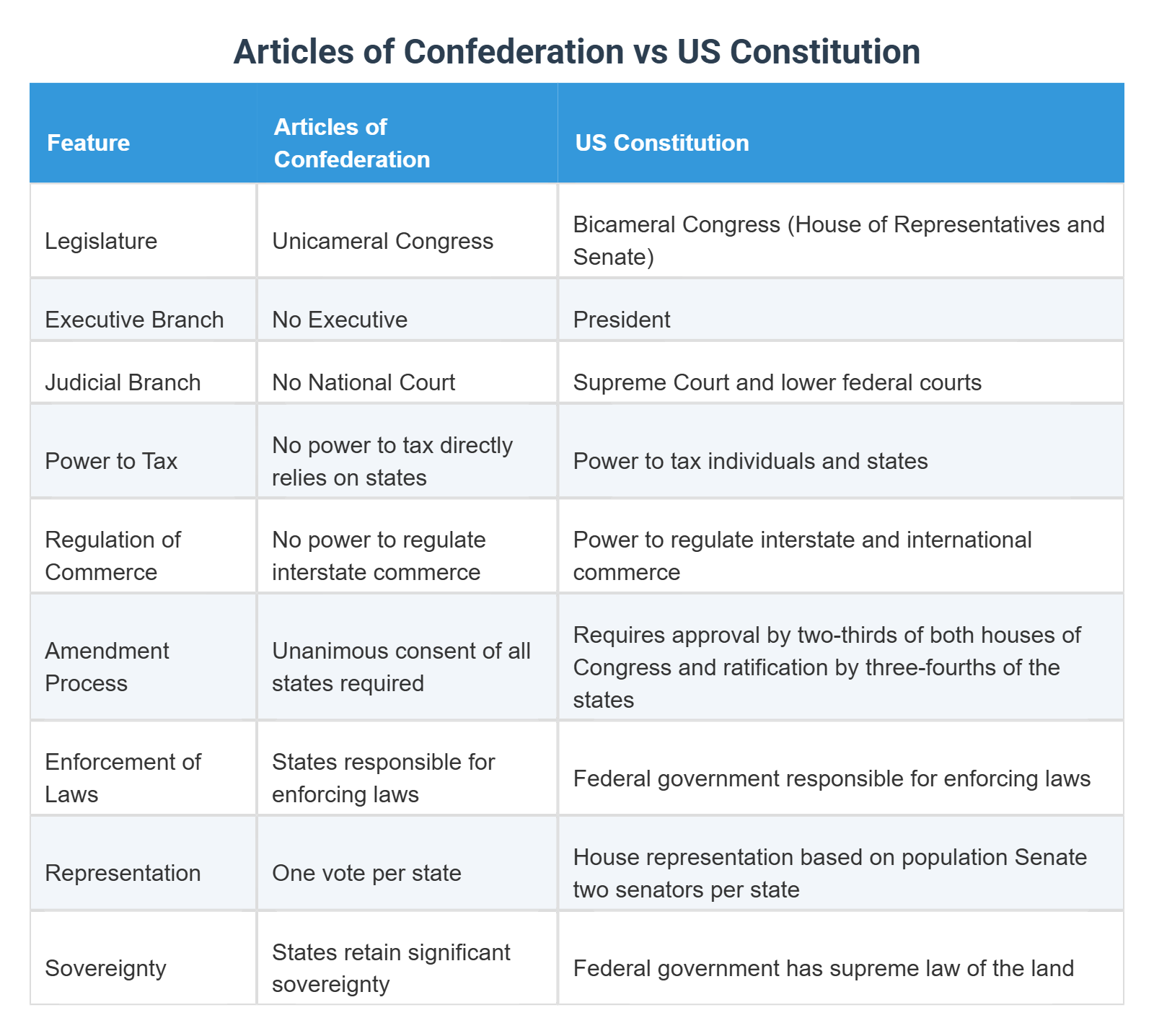
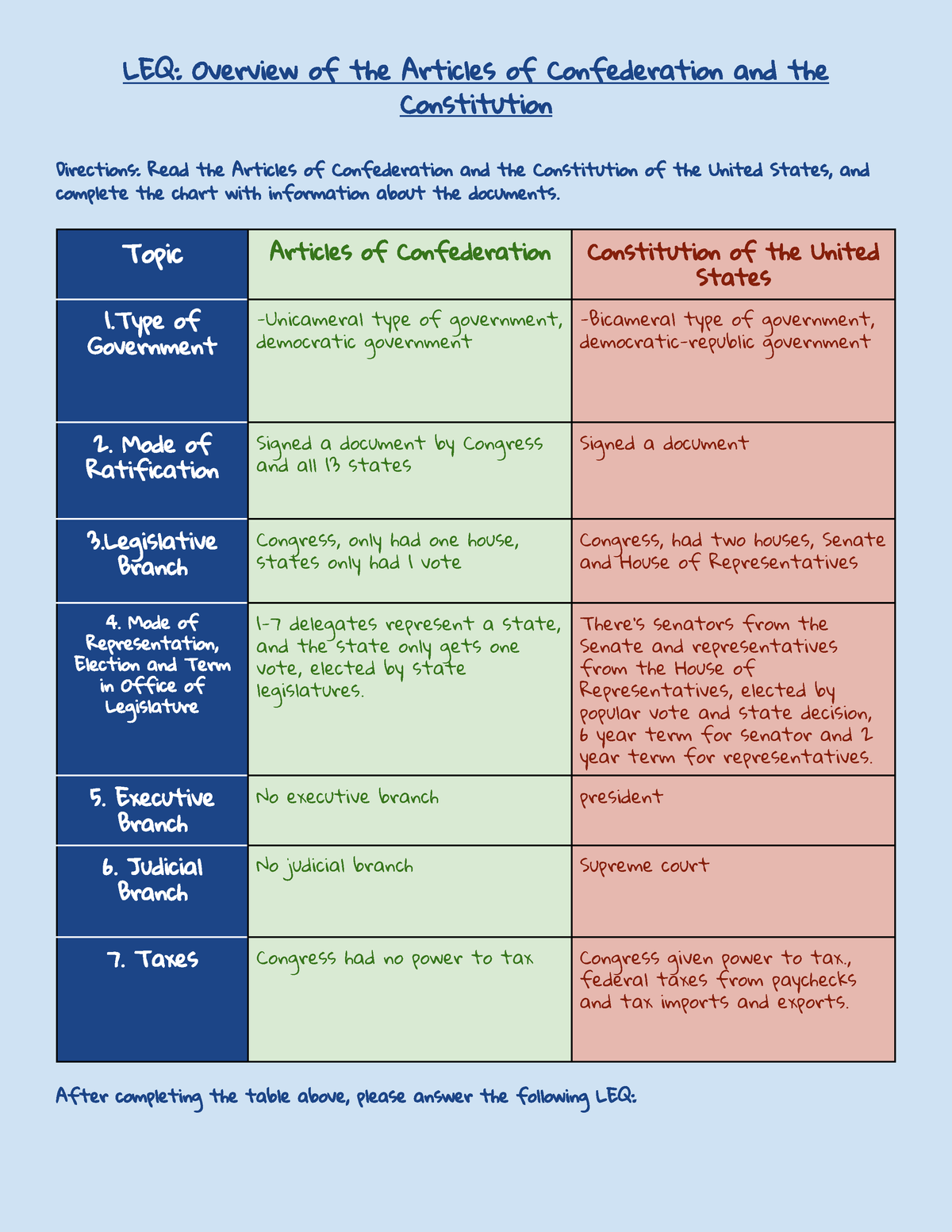
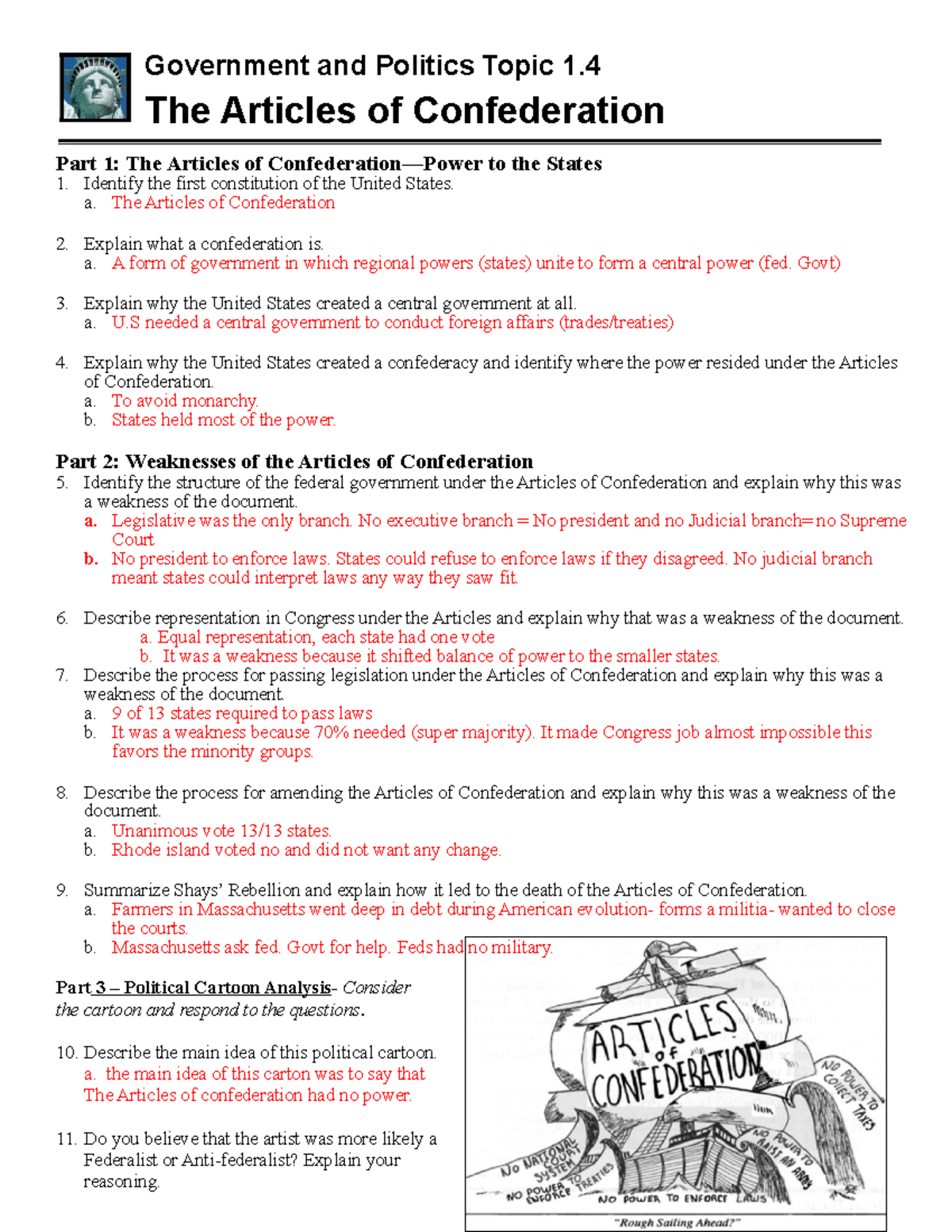
During the American Revolutionary War and the immediate post-war period, the Continental Congress functioned as both a legislative body and an ad-hoc executive administration. It directed military strategy, negotiated foreign treaties, managed domestic finances, and handled Indian affairs. However, the unicameral Congress struggled with chronic absenteeism. Delegates were dependent on their state legislatures for financial compensation and appointment, leading to frequent interruptions in governance.
Without an independent executive branch—such as a president or a cabinet—the national government effectively ground to a halt whenever Congress adjourned. Article 10 was drafted to solve this administrative paralysis. The Committee of the States was conceived as a bridge over legislative recesses, ensuring that urgent diplomatic or military matters could be addressed immediately without waiting months for state legislatures to select and send new delegates to Philadelphia or New York.
Comparison of Governance Structures
| Governance Feature | Confederation Congress (In Session) | Committee of the States (Article 10 Recess) | U.S. Constitution (Post-1789 Executive) |
|---|---|---|---|
| Primary Authority | Legislative & Executive Combined | Delegated Administrative Oversight | Independent Executive Branch (Article II) |
| Quorum / Representation | One vote per state (delegations required) | At least nine states required | Single executive with legislative checks |
| Duration of Power | Continuous while assembled | Active only during congressional recesses | Permanent, continuous operation |
| Constitutional Limits | Bounded by the Articles of Confederation | Bounded by Congress and Article 10 restrictions | Bounded by Article II and federal law |
Key Powers and Operational Limitations
While Article 10 provided a framework for continuous governance, the actual powers wielded by the Committee of the States were severely constrained. The provision acts as a legal double-negative: the committee could exercise only those powers that the full Congress explicitly chose to delegate, and Congress could only delegate powers that did not require a supermajority of nine states under normal operational rules.
Furthermore, the proviso at the end of Article 10 created a significant legal paradox. Matters of war, peace, treaties, and the appropriation of money generally required the assent of nine states in the full Congress. Because Article 10 prohibited delegating any power that required a nine-state vote in Congress, the committee was legally barred from handling the most critical affairs of state during a recess. Consequently, the committee's practical utility was severely restricted to minor administrative tasks, routine correspondence, and low-level logistical oversight.
Historical Execution and Practical Failures
In practice, the Committee of the States rarely functioned as intended and ultimately proved to be a failure of institutional design. The most notable attempt to operationalize Article 10 occurred in the summer of 1784. Following the adjournment of Congress in Annapolis, Maryland, the designated committee members attempted to convene to manage national affairs.
However, the attempt collapsed due to a lack of attendance and deep political divisions. Out of the thirteen states, several failed to send delegates, and those who did arrive quickly found themselves deadlocked over regional interests and minor jurisdictional disputes. The breakdown of the 1784 committee highlighted the inherent flaws of the Confederation model: states viewed national administrative bodies with suspicion, and individual delegates were unwilling to abandon their local responsibilities to serve on a toothless interim committee. This systemic failure reinforced the growing consensus among nationalists—such as James Madison, Alexander Hamilton, and George Washington—that the Articles of Confederation were fundamentally unfixable and required a wholesale structural overhaul.
Frequently Asked Questions
What was the primary purpose of Article 10 of the Articles of Confederation?
Article 10 created the Committee of the States to manage essential administrative and executive functions during congressional recesses, preventing complete government paralysis when the full assembly was not in session.
Why did the Committee of the States fail in practice?
The committee failed due to chronic absenteeism, state-level suspicion of centralized authority, severe legal restrictions on its powers, and an inability to maintain the required quorum of state representatives during legislative adjournments.
How many states were required to form a quorum under Article 10?
The text explicitly required the presence and concurrence of at least nine states to execute any delegated congressional powers during a recess.
Did the Committee of the States have the power to declare war or make treaties?
No. Article 10 prohibited the committee from exercising any power that required the consent of nine states in the full Congress, effectively barring it from handling major military, financial, or diplomatic decisions.
How did Article 10 influence the drafting of the U.S. Constitution?
The administrative failures of the Committee of the States demonstrated the critical need for a permanent, independent executive branch—leading directly to the establishment of the American presidency under Article II of the 1787 Constitution.
Next Actions and Further Historical Study
For researchers, students, and legal scholars examining early American history, analyzing Article 10 provides a clear window into the evolution of American federalism. To deepen your understanding of this era, consult primary source collections such as the Journals of the Continental Congress hosted by the Library of Congress. Reviewing the debates surrounding the Constitutional Convention of 1787 will also clarify how the framers deliberately discarded the structural weaknesses of the Articles of Confederation—including the failed committee model—in favor of a robust, separation-of-powers framework.