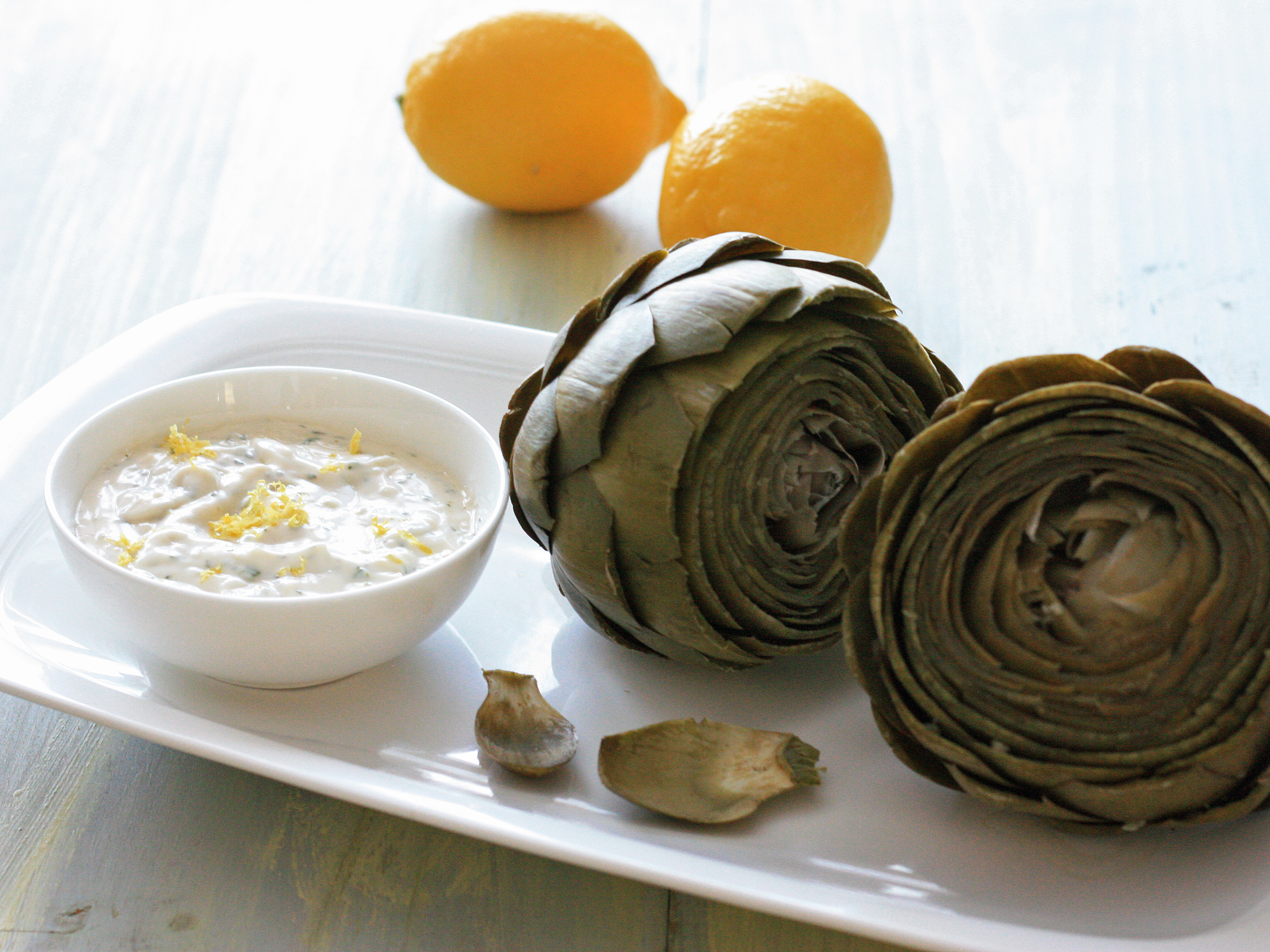
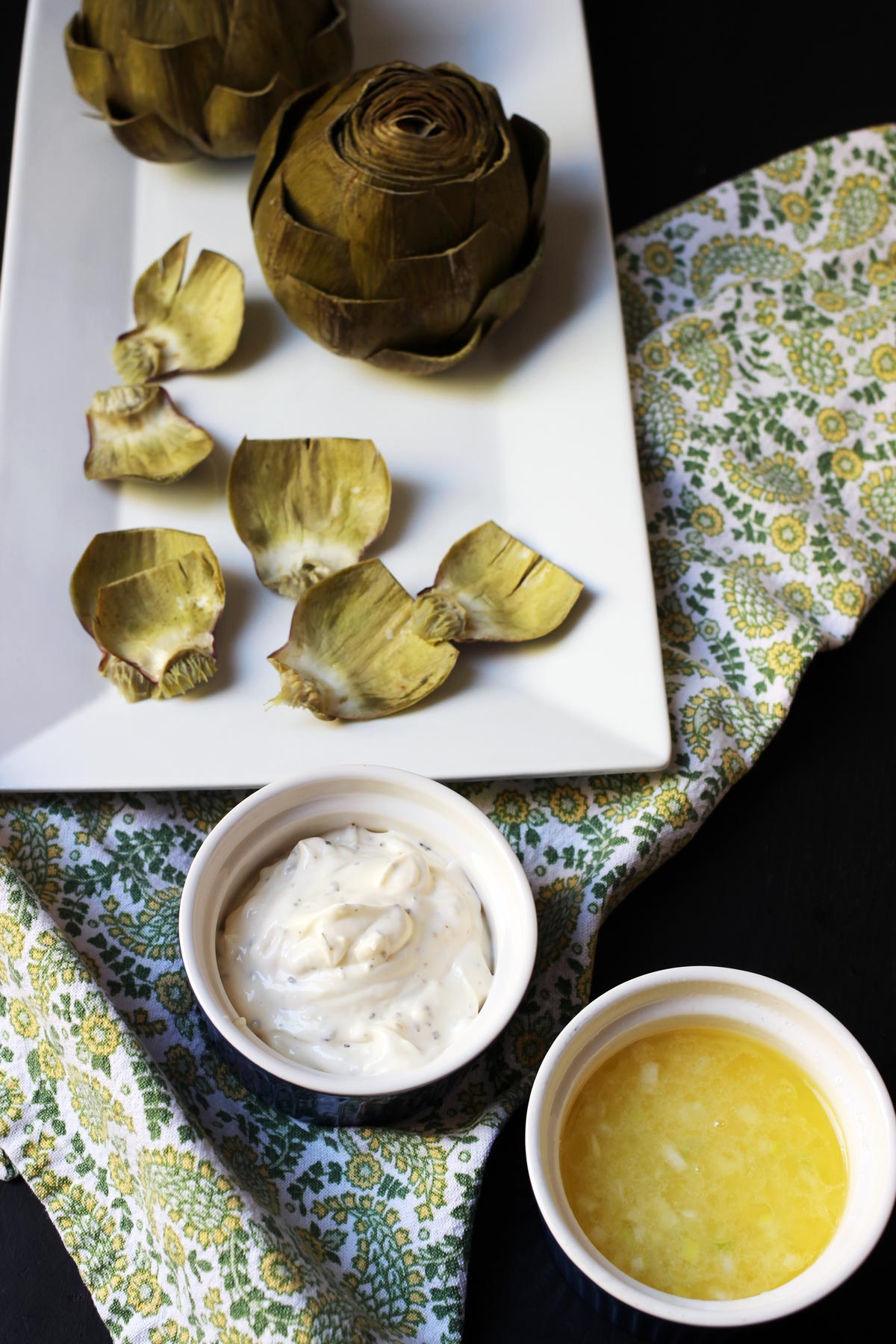
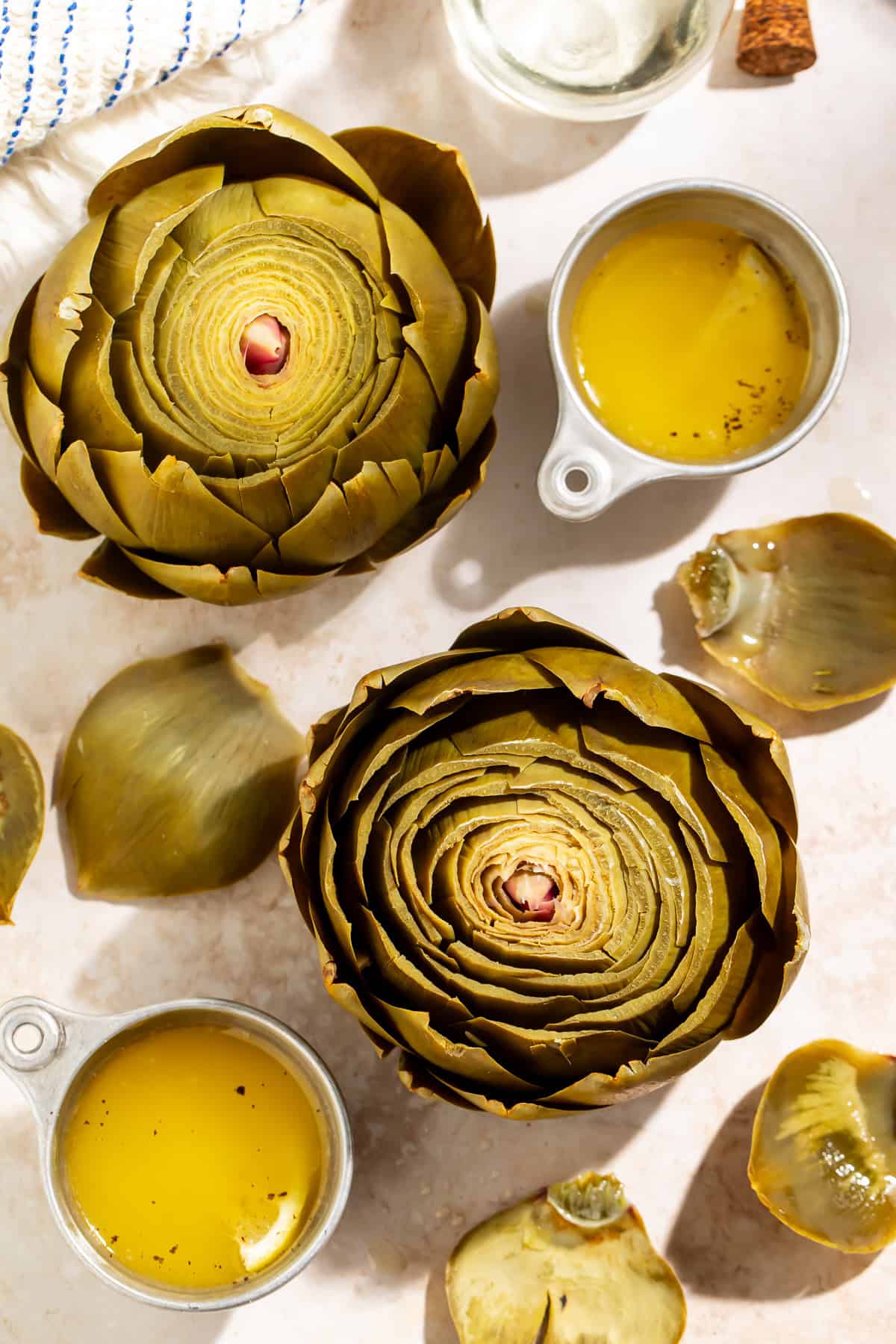
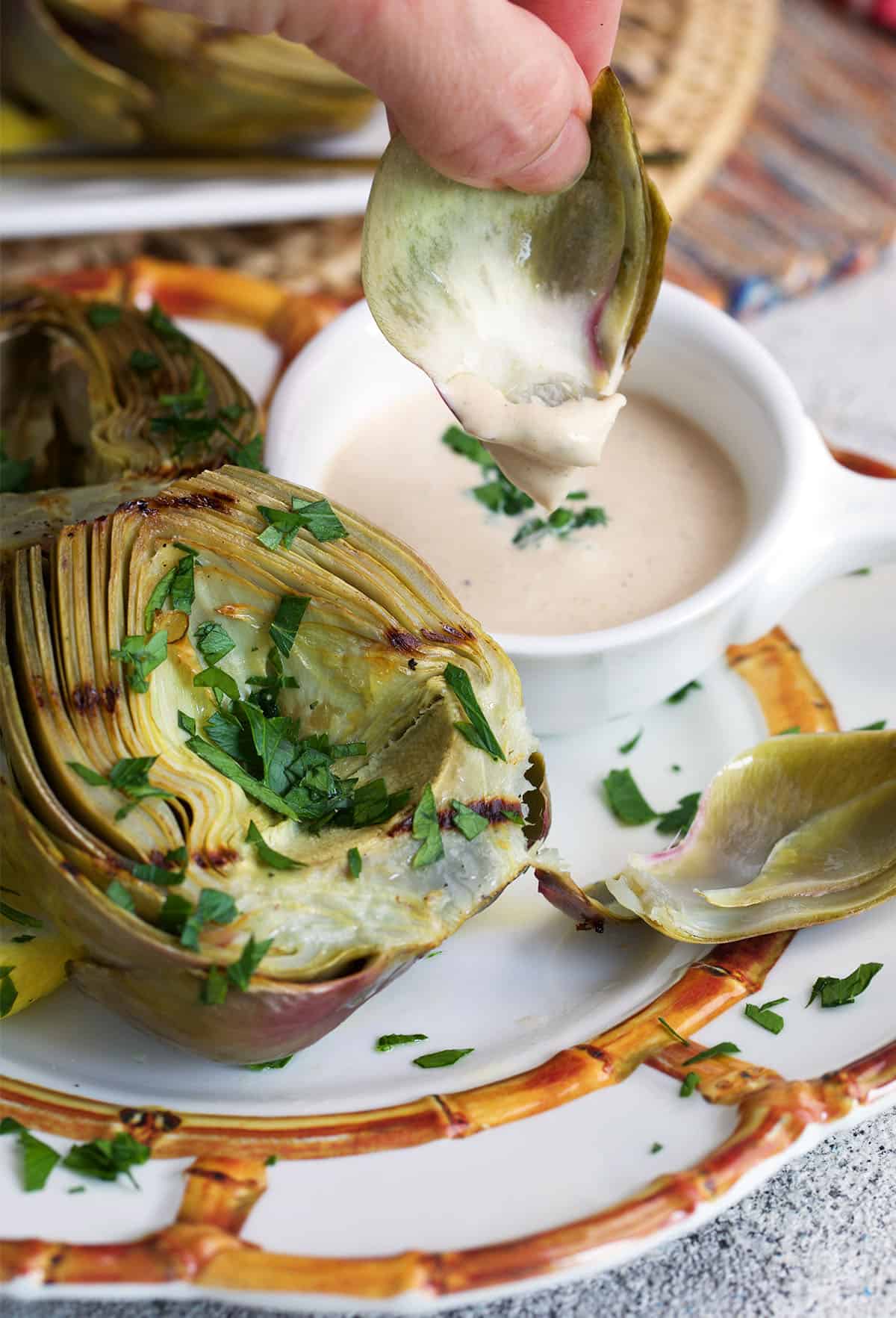
Artichoke dipping sauce with butter is a classic, rich accompaniment designed to elevate steamed or boiled artichokes by marrying the clean, earthy bitterness of the vegetable with the velvety richness of pure milkfat. Achieving the ideal balance requires managing fat separation, controlling heat to prevent scorching, and incorporating acids or aromatics to cut through the heavy lipids.
When preparing artichoke dipping sauce with butter, the primary culinary goal is to keep the butter in a warm, emulsified state without letting it break down into separated oil and milk solids. Whether you are using traditional clarified butter (ghee), whole melted salted butter, or a compound butter infused with garlic, lemon, and fresh herbs, understanding the interaction between the high fat content and the fibrous, slightly sweet flesh of the artichoke is essential for a successful dining experience. This guide explores the chemistry of butter emulsions, step-by-step preparation methods, ingredient variations, troubleshooting techniques, and professional tips to ensure your sauce enhances every single leaf.
The Culinary Science of Butter and Artichokes
To understand why butter is the quintessential pairing for artichokes, one must examine both components at a molecular level. Artichokes contain a natural organic compound called cynarin, which temporarily alters the human palate's taste receptors. When you consume an artichoke and immediately follow it with water or wine, a sweet taste sensation occurs because the cynarin blocks bitter receptors and heightens sensitivity to sweetness.
Butter, being dense in lipids, coats the tongue. This creates a protective, velvety barrier that tempers the astringent, slightly metallic bite of the vegetable while carrying fat-soluble aromatic compounds. However, standard melted butter naturally separates into clear yellow oil and heavy, sinking milk solids if overheated or left unattended.
Clarified Butter vs. Whole Melted Butter
Choosing the right base fat determines the texture and stability of your dipping sauce:
- Whole Melted Butter: Offers a rich, complex flavor because it retains the milk solids (whey and casein). It provides a traditional, rustic mouthfeel but burns easily if subjected to direct, high heat.
- Clarified Butter (Ghee): Made by removing the water and milk solids entirely. It has a high smoke point, remains stable longer, and yields a pure golden oil that clings cleanly to the artichoke leaves without feeling heavy.
- Drawn Butter (Bureau): A hybrid approach where butter is gently melted over low heat with a splash of water or lemon juice to create a temporary, stable emulsion before the solids can fully separate.
Essential Ingredients and Flavor Variations
While a simple bowl of warm, salted butter remains a timeless favorite, expanding the flavor profile transforms a basic condiment into an unforgettable culinary component. The secret lies in balancing acidity, salinity, and savory depth.
Core Flavor Profiles
- Classic Lemon-Garlic Butter: The gold standard. Fresh lemon juice provides citric acid that cuts through the rich butterfat, while minced or roasted garlic adds a savory punch that complements the earthy heart of the artichoke.
- Herb-Infused Drawn Butter: Incorporating finely minced fresh herbs such as tarragon, parsley, chives, or thyme introduces vibrant color and herbaceous notes that bridge the gap between plant and fat.
- Spicy Cajun Butter: For those seeking warmth, adding a pinch of cayenne pepper, smoked paprika, or a dash of hot sauce introduces a subtle heat that lingers pleasantly on the palate.
- Dijon-White Wine Reduction: Whisking a teaspoon of Dijon mustard and a splash of dry white wine into the butter creates a stable emulsion with a sophisticated, slightly sharp finish.
Step-by-Step Preparation Methods
Executing a flawless artichoke dipping sauce with butter requires careful temperature control. The following methods outline how to prepare both a simple drawn butter and an emulsified garlic-lemon variation.
Method 1: Traditional Drawn Butter (Quick Emulsion)
This method keeps the milk solids suspended in the fat longer, preventing immediate separation.
Ingredients:
- 1/2 cup (1 stick) unsalted European-style butter (higher fat content)
- 1 tablespoon fresh lemon juice
- 1/4 teaspoon kosher salt
- 1 small garlic clove, finely grated (optional)
Instructions:
- Cut the stick of butter into small, uniform cubes to ensure even melting.
- Place a small saucepan over medium-low heat. Add the butter cubes.
- Allow the butter to melt slowly without stirring aggressively. Swirl the pan occasionally.
- Once about three-quarters of the butter has melted, remove the pan from the heat source.
- Continue swirling the pan off the heat until the residual warmth melts the remaining pieces.
- Whisk in the fresh lemon juice, kosher salt, and grated garlic until a uniform, slightly opaque liquid forms.
- Transfer immediately to individual warm ramekins for serving.
Method 2: Clarified Butter Base
If you prefer a dipping sauce that will not burn or separate even if kept warm over a candle warmer during a long dinner.
- Instructions:
- Melt 1 cup of butter in a heavy-bottomed saucepan over low heat.
- Do not stir. Allow the foam (milk solids) to rise to the surface and the clear yellow oil to settle.
- Skim the foam off the top with a spoon.
- Carefully pour the clear yellow liquid into a separate container, leaving the milky residue at the bottom of the pan behind.
- Stir in your desired seasonings, such as fresh herbs or a drop of hot sauce, before serving.
Comparison of Butter Dipping Sauce Variations
| Variation Type | Best Used For | Stability | Primary Flavor Notes |
|---|---|---|---|
| Simple Melted Butter | Traditionalist diners wanting pure flavor | Low (separates quickly) | Rich, creamy, sweet dairy |
| Lemon-Garlic Drawn Butter | Steamed whole artichokes | Medium (holds 15–20 minutes) | Bright, savory, sharp, buttery |
| Clarified Butter (Ghee) | Long meals requiring sustained warmth | High (does not separate) | Pure, nutty, intense butter flavor |
| Herb & White Wine Reduction | Gourmet pairings and dinner parties | High (stabilized by reduction) | Complex, herbaceous, tangy |
Common Mistakes to Avoid
Even experienced home cooks can encounter issues when working with melted butter sauces. Avoiding these common pitfalls ensures a smooth, professional result every time.
- Using High Heat: Applying direct, high heat to butter scorches the milk solids instantly, resulting in an acrid, bitter taste and a dark brown color. Always use low to medium-low heat.
- Skipping Quality Butter: American standard butter contains up to 20% water, which causes the sauce to break and sputter. European-style butter contains less moisture (around 82–85% fat), creating a much smoother, richer dip.
- Adding Cold Lemon Juice Abruptly: Pouring cold citrus juice directly into hot, bubbling butter causes the mixture to seize and separate violently. Temper the citrus by warming it slightly or whisking it in off the heat.
- Neglecting Salt Balance: Artichokes have a natural sweetness, but without adequate salt in the butter, the sauce will taste flat. Use fine kosher salt rather than coarse rock salt to ensure quick dissolution.
Frequently Asked Questions
What kind of butter is best for artichoke dipping sauce?
European-style cultured butter is widely considered the best choice because of its higher fat content and lower water percentage. This minimizes splattering and creates a richer, more cohesive mouthfeel when paired with steamed artichoke leaves.
How do I keep the butter sauce from hardening while I eat?
Artichoke leaves take time to scrape and eat, causing standard butter to cool and solidify. To keep your sauce warm, serve it in a small ceramic ramekin placed over a tea-light candle warmer, or prepare a drawn butter emulsion with a splash of warm water to slow down solidification.
Can I make artichoke butter sauce ahead of time?
Yes, you can clarify butter or prepare herb-infused butter a day in advance. Store it in an airtight container in the refrigerator, then gently reheat it on the stove over low heat or in the microwave in short 10-second intervals just before serving.
Why does my butter sauce separate into oil and water?
Separation occurs when the milk solids and fats break down due to excessive heat or the rapid addition of cold liquids (like lemon juice or wine). To fix a broken sauce, remove it from the heat immediately, add a single tablespoon of warm water, and vigorously whisk the mixture until it re-emulsifies.
Is clarified butter healthier than regular melted butter?
Clarified butter removes the lactose and casein milk proteins, making it easier to digest for people with mild dairy sensitivities. However, its caloric and total fat density remain nearly identical to whole butter, so it should be enjoyed in moderation as part of a balanced diet.
Conclusion and Next Actions
Mastering an artichoke dipping sauce with butter is a simple yet rewarding culinary skill that transforms a humble vegetable into an exquisite dining centerpiece. By prioritizing low-heat techniques, selecting high-fat European butter, and balancing the richness with fresh citrus or herbs, you create a harmonious pairing that respects the unique flavor of the artichoke. For your next meal, prepare a fresh batch of steamed artichokes, whisk together a warm lemon-garlic drawn butter, and enjoy the timeless interplay of rich lipids and earthy plant fibers.