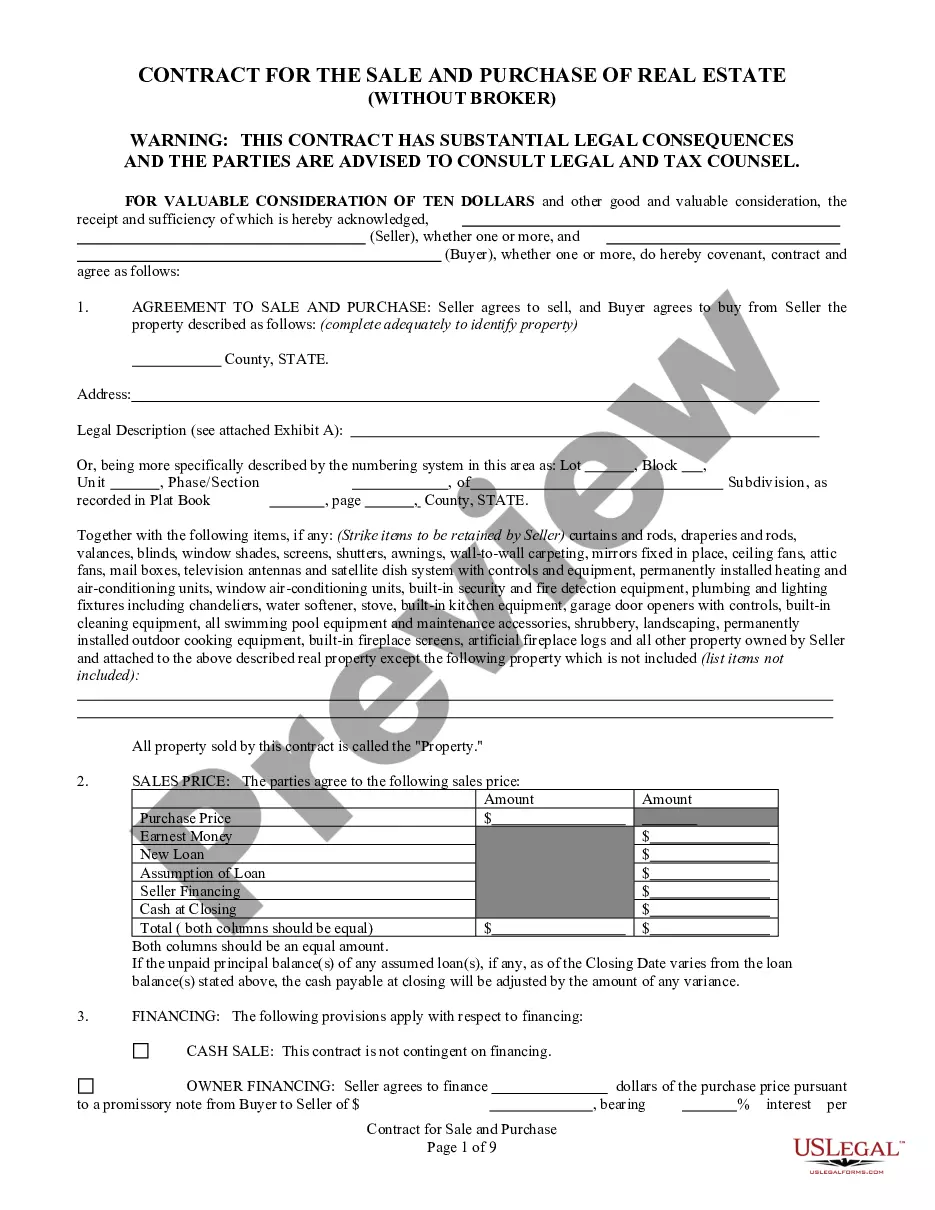
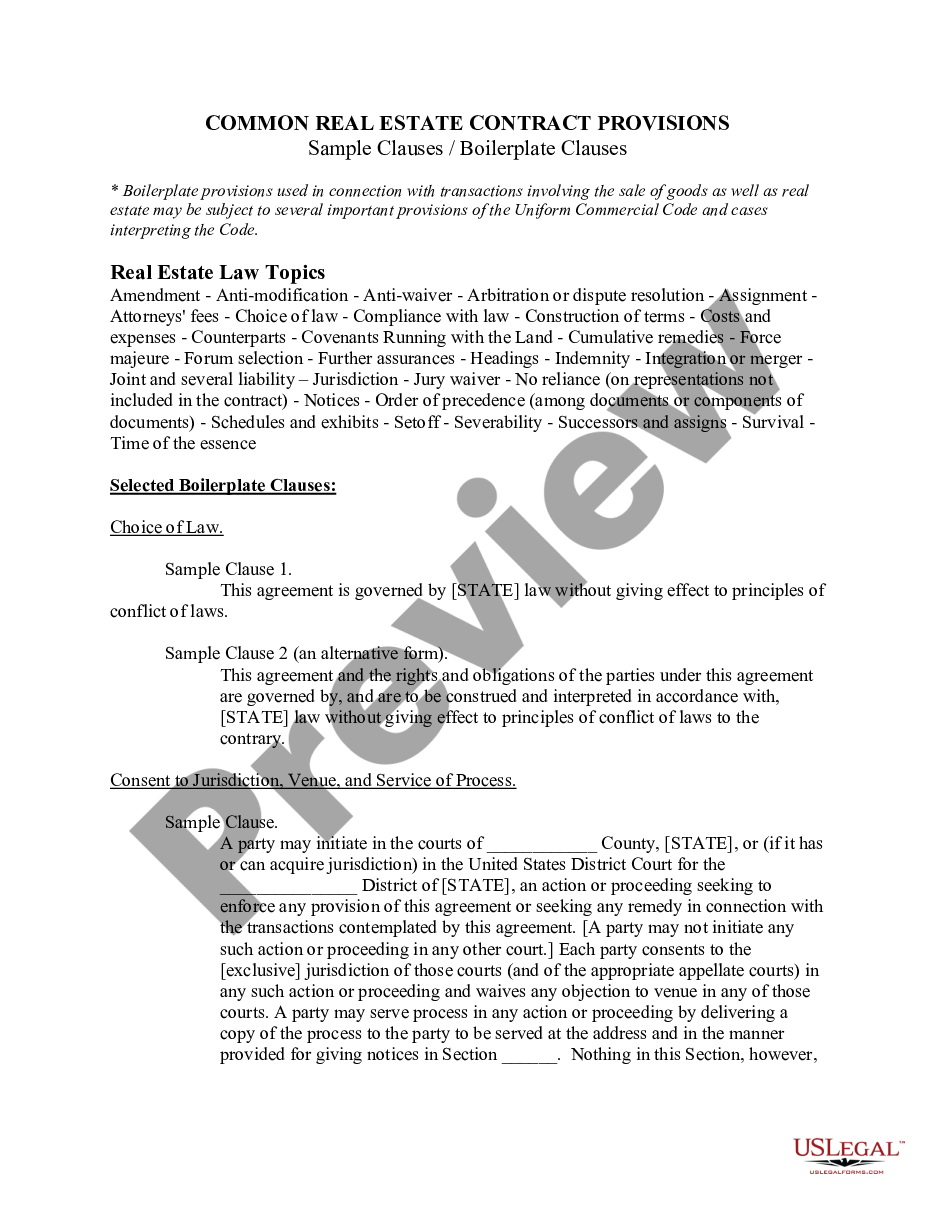
In real estate contracts, articulate words are precise legal terms and phrases—such as "shall," "indemnify," "liquidated damages," and "contingency"—that define specific obligations and eliminate ambiguity. Using this language ensures a clear "meeting of the minds," protects parties from litigation, and establishes enforceable timelines and financial boundaries throughout a property transaction.
The foundation of any successful real estate transaction is the written agreement. Because real estate law is governed by the Statute of Frauds, which requires most property-related contracts to be in writing to be enforceable, the specific vocabulary used within those documents carries immense weight. As we navigate the 2026 real estate market, the complexity of transactions—ranging from residential sales to commercial lease-backs—demands a sophisticated command of contractual language. Precision in wording prevents "grey areas" that a court or arbitrator might otherwise interpret against the drafter.
The Linguistic Architecture of Real Estate Agreements
To understand the role of articulate words in real estate contracts, one must first recognize that legal drafting is a form of architecture. Each word serves as a structural component intended to support the intent of the parties. When words are vague or "inarticulate," the structure is prone to collapse under the pressure of a dispute.
The Power of "Shall" versus "May"
One of the most fundamental distinctions in contract law involves the use of mandatory versus permissive language. In an articulate contract, "shall" signifies a mandatory obligation. If a contract states "The buyer shall deposit the earnest money within three days," it creates a strict requirement. Conversely, "may" implies discretion. If the contract says "The seller may provide a property survey," they are under no obligation to do so.
Misusing these simple words often leads to "breach of contract" allegations. In 2026, legal professionals continue to emphasize the "Plain English" movement, yet the precision of "shall" remains the industry standard for creating binding duties.
Defining "Best Efforts" versus "Reasonable Efforts"
In many real estate deals, parties agree to work toward a goal, such as securing financing or obtaining a zoning variance. However, "trying" is not a legal standard. Articulate contracts define the level of effort required.
- Best Efforts: This is the most rigorous standard, requiring the party to do everything in their power, even if it incurs significant cost.
- Reasonable Efforts: This suggests a balanced approach, where the party acts as a typical, prudent person would in similar circumstances without necessarily sacrificing their own financial interest.
Without articulating which standard applies, a buyer who fails to get a loan might find themselves sued by a seller who claims the buyer didn't try "hard enough."
Critical Clauses and Their Precise Terminology
An articulate contract does not just use big words; it uses the right words for specific legal protections. These clauses act as the "fine print" that determines who wins and who loses when a deal goes sideways.
The "Time is of the Essence" Doctrine
Perhaps no phrase is more articulate—or more dangerous—than "Time is of the Essence." In standard contract law, dates are often seen as flexible targets. If a closing is set for June 1st but happens on June 3rd, it may not be considered a material breach unless this specific phrase is included.
When "Time is of the Essence" is written into a real estate contract, every deadline becomes a "hard stop." Missing a deadline by even a few minutes can result in a default, allowing the non-breaching party to terminate the contract and keep the earnest money deposit. Articulating this phrase is essential for sellers who need to move on a specific timeline to fund their next purchase.
Indemnification and Hold Harmless
In 2026, property liability remains a top concern for investors. Indemnification is an articulate term that means one party agrees to compensate the other for losses or damages arising from the contract. For example, if a buyer’s inspector causes damage to the property, an articulate contract will state that the buyer shall "indemnify, defend, and hold harmless" the seller from any resulting claims. This tripartite phrase ensures the seller doesn't just get paid back but is also shielded from the legal costs of defending a lawsuit.
Liquidated Damages
What happens if a buyer backs out of a deal without a legal excuse? An articulate contract doesn't leave the penalty to chance. The Liquidated Damages clause specifies a pre-determined amount (often the earnest money deposit) that serves as the total compensation for the seller in the event of a buyer's default. This prevents the seller from having to prove "actual damages" in court, which can be difficult and expensive.
The Role of Contingencies: Precision in "What-If" Scenarios
Contingencies are the "escape hatches" of a real estate contract. For these to be effective, the articulate words used must define exactly how, when, and why the hatch can be opened.
The Appraisal Gap Clause
In competitive markets, we often see "Appraisal Gaps." An articulate contract will include specific language detailing what happens if the property appraises for less than the purchase price.
- Vague: "Buyer and Seller will negotiate if the appraisal is low."
- Articulate: "If the appraised value is less than the Purchase Price, Buyer agrees to pay an additional amount up to $10,000 above the appraised value, not to exceed the original Purchase Price."
The latter leaves no room for debate and provides a clear roadmap for the escrow officer.
Inspection Contingencies and "As-Is" Language
The term "As-Is" is often misunderstood. While it means the seller won't make repairs, it does not necessarily waive the buyer's right to an inspection. An articulate contract will clarify that the property is being sold "As-Is, Where-Is, and with all faults," but will still grant the buyer a specific "due diligence period" to cancel the contract if the inspection reveals major structural defects.
Comparative Analysis of Contractual Phrasing
The following table demonstrates the difference between common, vague phrasing and the articulate language required in high-stakes real estate transactions.
| Contract Topic | Vague/Inarticulate Phrasing | Articulate/Precise Phrasing | Legal Impact of Articulation |
|---|---|---|---|
| Payment Terms | "Buyer will pay the balance at the end of the deal." | "Buyer shall deliver the balance of the Purchase Price in cleared funds via wire transfer at Closing." | Eliminates confusion over payment methods (e.g., personal checks) and timing. |
| Property Condition | "The house should be clean when the buyer moves in." | "Seller shall deliver the Property in 'broom-clean' condition, free of all personal property and debris." | Defines "clean" and requires removal of unwanted junk. |
| Closing Date | "Closing will happen on or about October 1st." | "Closing shall occur on October 1, 2026. Time is of the essence regarding this date." | Converts a "target date" into a strict legal deadline. |
| Notice | "Just let the other person know if there's a problem." | "All notices must be in writing and delivered via certified mail or encrypted electronic signature platform." | Prevents "he-said/she-said" disputes regarding verbal communications. |
| Dispute Resolution | "We will go to court if we can't agree." | "Any dispute arising from this Agreement shall be submitted to binding arbitration under the rules of the AAA." | Redirects disputes from expensive public courts to private, faster arbitration. |
The 2026 Landscape: Digital Articulation and Smart Contracts
As of 2026, the use of Smart Contracts—self-executing contracts with the terms directly written into lines of code—has become more prevalent in commercial real estate. In these digital environments, "articulate words" are even more critical because the computer code executes based on literal interpretations.
If a smart contract is programmed to release funds upon "Confirmation of Title," that term must be perfectly defined in the underlying legal prose. Ambiguity in a digital contract can lead to "execution errors" where funds are locked in escrow indefinitely because a condition was met in spirit but not in the literal "articulate" sense required by the code.
Furthermore, with the rise of environmental, social, and governance (ESG) standards, articulate contracts now frequently include Sustainability Covenants. These clauses require properties to maintain certain energy ratings or LEED certifications. Using articulate words like "attain," "maintain," and "certify" ensures that buyers know exactly what environmental standards they are inheriting.
Common Pitfalls: When "Good Words" Go Bad
Even with a dictionary of articulate terms, errors occur. The two most common pitfalls are redundancy and contradiction.
- Redundancy: Using "null and void" or "fit and proper." In modern law, one word usually suffices. Over-drafting can sometimes lead to "surplusage," where a court tries to find a different meaning for the second word, unintentionally changing the contract's intent.
- Contradiction: This often happens when "Addendums" are added to a standard form. If the main contract says "Buyer pays for title insurance" but the addendum says "Seller pays for all closing costs," you have a conflict. Articulate contracts solve this with a "Precedence Clause," stating: "In the event of a conflict between this Agreement and any Addendum, the terms of the Addendum shall control."
Practical Steps for Drafting and Review
To ensure your real estate contracts are sufficiently articulate, follow these professional guidelines:
- Avoid Legalese for the Sake of Legalese: Do not use "heretofore" or "whenceforth" if "before" or "where" works. Articulation is about precision, not sounding like a 19th-century barrister.
- Use Defined Terms: At the beginning of the contract, create a "Definitions" section. Capitalize these terms throughout the document (e.g., "the Property," "the Effective Date"). This ensures that whenever that word is used, it refers back to the specific definition established at the start.
- The "Four Corners" Rule: Remember that most courts will only look at the "four corners" of the document. If a promise was made verbally but not written in articulate words in the contract, it effectively does not exist. This is known as the Parol Evidence Rule.
- Verify Cross-References: If Section 4 refers to "the remedies in Section 12," ensure Section 12 actually contains remedies. Broken cross-references are a hallmark of inarticulate, "copy-paste" drafting.
For more information on standard contractual terms, the Legal Information Institute (LII) provides comprehensive definitions of contract law principles. Additionally, the National Association of Realtors (NAR) often updates its standard forms to reflect the most articulate and legally defensive language available for current market conditions.
Frequently Asked Questions
What are the most important articulate words for a first-time homebuyer?
The most important words for a buyer are "Contingency," "Subject to," and "Earnest Money." These terms define the conditions under which you can back out of the deal without losing your deposit. Ensuring these are articulated with specific dates and conditions protects your capital.
Can I write my own articulate words into a standard real estate form?
While you can add "Custom Clauses," it is risky. Standard forms are usually vetted by state bar associations. If you add your own language, ensure it does not conflict with existing clauses. It is always recommended to have a real estate attorney review any non-standard language to ensure it is legally "articulate."
Does the word "Including" limit the scope of a list?
In articulate drafting, the phrase "including, but not limited to," is used. If you simply say "the sale includes the fridge and stove," a court might rule that the microwave is not included. By adding "but not limited to," you indicate the list is illustrative, not exhaustive.
What is the difference between "Void" and "Voidable"?
An articulate contract knows the difference. A "Void" contract is one that was never legal to begin with (e.g., a contract to perform an illegal act). A "Voidable" contract is one that is valid but can be canceled by one party under specific articulate conditions (e.g., a contract signed by a minor or under duress).
How has the language of real estate contracts changed by 2026?
By 2026, language has become more focused on digital delivery, cybersecurity protocols for wire transfers, and force majeure clauses that specifically account for climate-related disruptions and global health events, replacing the vague "Acts of God" phrasing of the past.
Recommendation for Next Actions
Whether you are a buyer, seller, or agent, your next step should be a thorough audit of your current contract templates. Focus on removing "passive voice" and replacing it with "active voice" and mandatory "shall" statements. If you are entering a complex transaction, do not rely on "boilerplate" language alone. Engage a legal professional to draft specific interlineations (words added between the lines of a standard form) that reflect the unique risks of your deal. Remember, in the world of real estate, the most articulate party is usually the best-protected party.