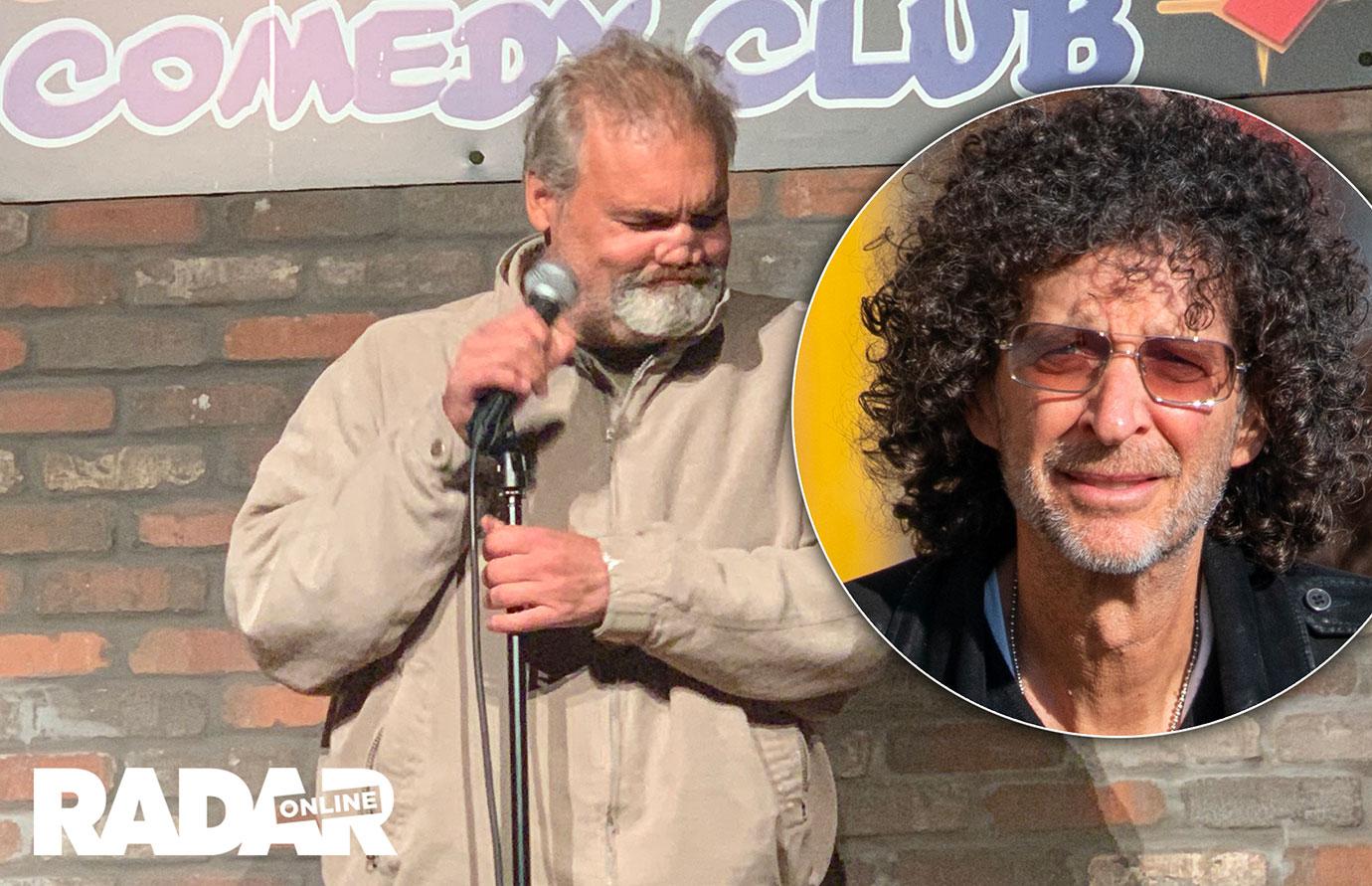
Artie Lange has reached a monumental milestone in his recovery, marking over seven years of continuous sobriety since his 2019 entry into the New Jersey drug court system. This achievement represents a successful transition from high-profile addiction and legal intervention to sustained health, emphasizing the effectiveness of long-term rehabilitation programs.
For decades, Artie Lange was as famous for his self-destructive behavior as he was for his comedic brilliance. As a mainstay on The Howard Stern Show and a veteran of MADtv, Lange’s career was often a backdrop to a harrowing struggle with heroin and cocaine addiction. However, as of 2026, the narrative surrounding Lange has shifted from one of cautionary tragedy to one of profound recovery. This milestone is not merely a number; it is the result of a rigorous, multi-year process involving legal oversight, clinical treatment, and a fundamental lifestyle overhaul.
The Catalyst for Change: The Drug Court Mandate
The foundation of Lange’s current sobriety milestone can be traced back to early 2019. Following a series of arrests and a well-documented physical decline—most notably the collapse of his nasal septum due to long-term drug use—Lange was inducted into the New Jersey drug court program.
Drug courts are specialized court calendar dockets that provide an alternative to incarceration for non-violent, drug-addicted offenders. The program is intensive, requiring frequent drug testing, mandatory attendance at support meetings, and regular status hearings before a judge. For Lange, this structured environment provided the guardrails that previous, self-directed attempts at rehab lacked.
The Intensity of the New Jersey Program
The New Jersey drug court program is known for its rigor. It is divided into phases, each requiring participants to meet specific goals before moving forward. During his time in the program, Lange engaged in:
- Residential Treatment: Initial periods spent in a controlled, clinical environment to manage detox and early withdrawal.
- Outpatient Services: Continued counseling while reintegrating into the community.
- Employment Requirements: Lange famously spent time working on a garbage crew and performing community service, which he later cited as a humbling and grounding experience.
- Strict Supervision: Regular check-ins with probation officers and random screenings to ensure total abstinence from illicit substances.
Lange’s successful completion of this program in 2023 laid the groundwork for the milestone he celebrates today in 2026. It moved him from a state of "survival" to a state of "maintenance."
Understanding the "Seven-Year" Sobriety Milestone
In the field of addiction medicine, the five-to-seven-year mark is considered a critical threshold. According to research published by institutions like the National Institute on Drug Abuse (NIDA), the risk of relapse drops significantly after five years of sustained abstinence. By 2026, Lange has surpassed this "danger zone," entering a phase where his recovery is considered "stable."
The Clinical Significance of Long-Term Recovery
Long-term recovery involves more than just the absence of drugs; it involves the repair of the brain’s reward system. Chronic opioid and stimulant use severely alters dopamine pathways. It often takes several years of abstinence for the brain to achieve a new "homeostasis," where an individual can experience pleasure from everyday activities without the need for chemical intervention.
For Lange, reaching this milestone in 2026 suggests a significant neurological and psychological healing. The stability he has maintained since his legal supervision ended in 2023 demonstrates that the tools he acquired during his time in drug court have been successfully integrated into his independent life.
The Physical Toll and the Path to Wellness
One of the most visible aspects of Artie Lange’s journey has been the physical damage caused by his addiction. The collapse of his nose became a viral image of the "face of addiction." In the years leading up to 2026, Lange underwent several corrective procedures, but more importantly, he has used his appearance as a platform for honesty.
Recovery in 2026 for Lange has involved:
- Corrective Surgery: Addressing the physical damage to his nasal passages to improve breathing and quality of life.
- Nutritional Health: Reversing the effects of years of neglect through diet and consistent medical care.
- Mental Health Maintenance: Managing the underlying depression and anxiety that often fuel substance use disorders.
By prioritizing his health over his career for the first time in his life, Lange has managed to sustain a level of wellness that many fans once thought impossible.
A Timeline of Artie Lange's Recovery Journey
The following table outlines the pivotal moments that led to his current status in 2026, highlighting the transition from active addiction to long-term sobriety.
| Period | Recovery Phase | Key Developments |
|---|---|---|
| 2017–2018 | Active Crisis | Multiple arrests, high-profile relapses, and visible physical decline. |
| 2019 | Legal Intervention | Entry into the NJ Drug Court program; start of residential treatment. |
| 2020–2022 | Structured Recovery | Completion of various program phases, community service, and garbage crew work. |
| 2023 | Program Completion | Official graduation from the drug court program; transition to independent maintenance. |
| 2024–2025 | Stability | Continued private life with occasional public appearances focusing on recovery advocacy. |
| 2026 | Major Milestone | Reaching over 7 years of sobriety; recognized as a long-term recovery success story. |
The Role of the Comedy Community and Fan Support
Lange’s recovery has not occurred in a vacuum. The comedy community, which once enabled or observed his descent, has largely rallied around his sober milestone. Peers who once feared for his life, such as Jimmy Kimmel and former colleagues from the Stern Show, have expressed public and private support for his continued health.
However, Lange has also set firm boundaries. In 2026, his presence in the entertainment industry is more measured. He has avoided the high-stress, late-night environments of comedy clubs that were once triggers for his use. Instead, his "milestone" is characterized by a quieter life, focusing on his podcast Artie Lange’s Halfway House and speaking engagements where he shares his story to help others.
The Impact on Modern Addiction Treatment Views
Lange’s case is frequently cited by advocates of drug court programs as a primary example of why restorative justice works better than traditional incarceration for addicts.
- Cost-Effectiveness: It is significantly cheaper for the state to treat an individual in a drug court program than to house them in a state prison.
- Recidivism: Lange’s lack of new legal issues since 2019 supports the statistic that drug court graduates are much less likely to re-offend.
- Public Awareness: By being transparent about his struggle, Lange has humanized the process of recovery, showing that even the most "hopeless" cases can achieve stability.
Guidance for Those Seeking a Similar Path
Artie Lange’s milestone in 2026 serves as a beacon for others struggling with severe substance use disorders. His journey highlights that recovery is a marathon, not a sprint, and often requires external intervention to succeed.
If you or someone you know is seeking to begin their own recovery journey, the following steps are recommended based on the clinical models Lange followed:
- Professional Assessment: Contact a healthcare provider or a facility like SAMHSA (Substance Abuse and Mental Health Services Administration) for a clinical evaluation.
- Explore Legal/Structural Alternatives: In many jurisdictions, drug court or diversion programs are available for those with legal issues stemming from addiction.
- Prioritize Continuity of Care: Sobriety rarely lasts with a "quick fix" 30-day program. Successful milestones like Lange's are usually the result of years of continuous support and monitoring.
- Adopt a Holistic View: Focus on mental health, physical repair, and social reintegration simultaneously.
Frequently Asked Questions
Has Artie Lange returned to The Howard Stern Show in 2026?
As of 2026, Artie Lange has not returned as a regular member of The Howard Stern Show. While he remains a beloved figure in the show's history, both Lange and Stern have indicated that maintaining Lange's health and sobriety is the priority, which often means avoiding the high-pressure environment of the broadcast.
What was the specific program Artie Lange used to stay sober?
Lange’s recovery was primarily facilitated by the New Jersey Drug Court program. This involved a combination of 12-step participation, mandatory counseling, random drug testing, and judicial oversight. He also utilized residential rehab facilities in the early stages of his 2019 recovery.
Is Artie Lange still performing stand-up comedy?
Yes, but his approach to performing has changed. In 2026, he performs more selective sets, often at theaters or venues that do not focus heavily on alcohol sales. He also focuses heavily on his recovery-oriented podcast, which allows him to maintain a connection with his audience from a safer, more controlled environment.
How did Artie Lange fix his nose?
While Lange underwent several surgeries to address the structural damage caused by drug use, he has been candid about the fact that it will never return to its original state. His current appearance in 2026 is the result of reconstructive efforts combined with the natural healing that occurs once the constant irritation of drug use is removed.
What is the clinical significance of seven years of sobriety?
Seven years is a landmark because it signifies that the individual has successfully navigated multiple "cycles" of life—holidays, stressors, and personal losses—without returning to substance use. Clinically, it suggests that the brain's neurobiology has significantly healed, and the lifestyle changes have become permanent habits.
Summary and Next Actions
Artie Lange’s sober milestone in 2026 is a testament to the power of structured recovery and the possibility of personal transformation. His journey from the brink of death to a stable, healthy life offers hope to millions and validates the intensive methods of drug court programs.
If you are inspired by this journey, the best next action is to seek out local resources for addiction support. Whether it is a 12-step meeting, a consultation with an addiction specialist, or exploring local diversion programs, the first step is recognizing that recovery is a long-term commitment that requires a professional support system.