When people search for article 10 of the united states constitution, they are typically navigating a slight conceptual misunderstanding between the Articles of the Constitution, the Amendments (specifically the Bill of Rights), and the structural divisions of American constitutional law. Unlike the original Articles of the United States Constitution—which establish the branches of government and federal powers—or the Articles of Confederation, the number "10" most prominently brings to mind the Tenth Amendment to the United States Constitution, the final provision of the Bill of Rights. This article examines the structural composition of the U.S. Constitution's original articles, resolves the common confusion surrounding "Article 10," and provides a comprehensive analysis of the Tenth Amendment, its historical origins, legal interpretations, and modern constitutional significance.
Disambiguating "Article 10" in Constitutional Law
To understand what a reader means when inquiring about Article 10 of the Constitution, it is first necessary to look at the actual structure of the document drafted in 1787 and ratified in 1788.
The original text of the United States Constitution consists of exactly seven Articles, not ten:
- Article I: Establishes the Legislative Branch (Congress: Senate and House of Representatives).
- Article II: Establishes the Executive Branch (The President and Vice President).
- Article III: Establishes the Judicial Branch (The Supreme Court and federal courts).
- Article IV: Outlines the states' relations with each other and the federal government.
- Article V: Details the amendment process.
- Article VI: Establishes the Constitution as the supreme law of the land (the Supremacy Clause).
- Article VII: Outlines the ratification process for the original thirteen states.
Because the original text stops at Article Seven, there is no Article 8, Article 9, or Article 10 in the foundational framework of the 1787 Constitution.
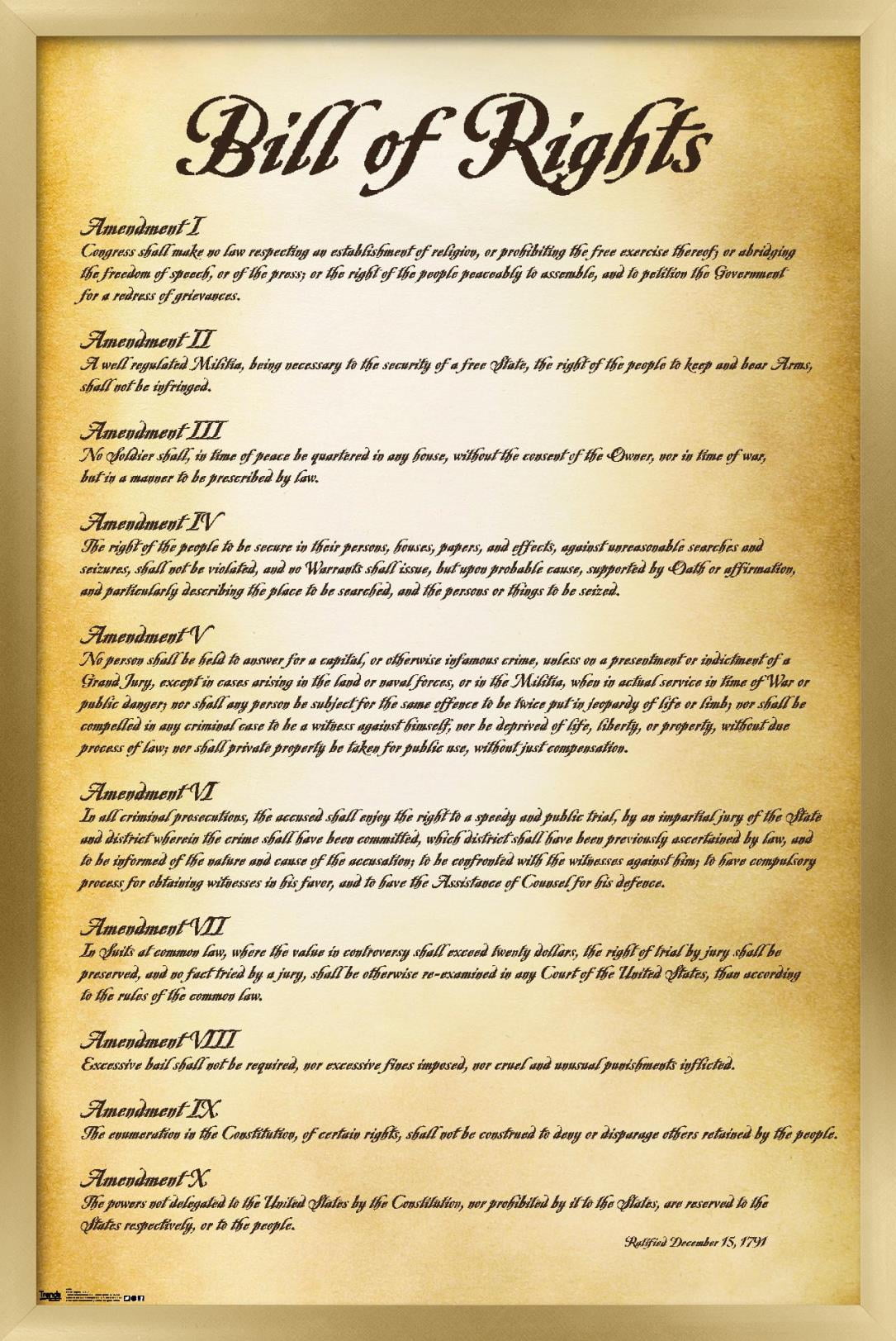
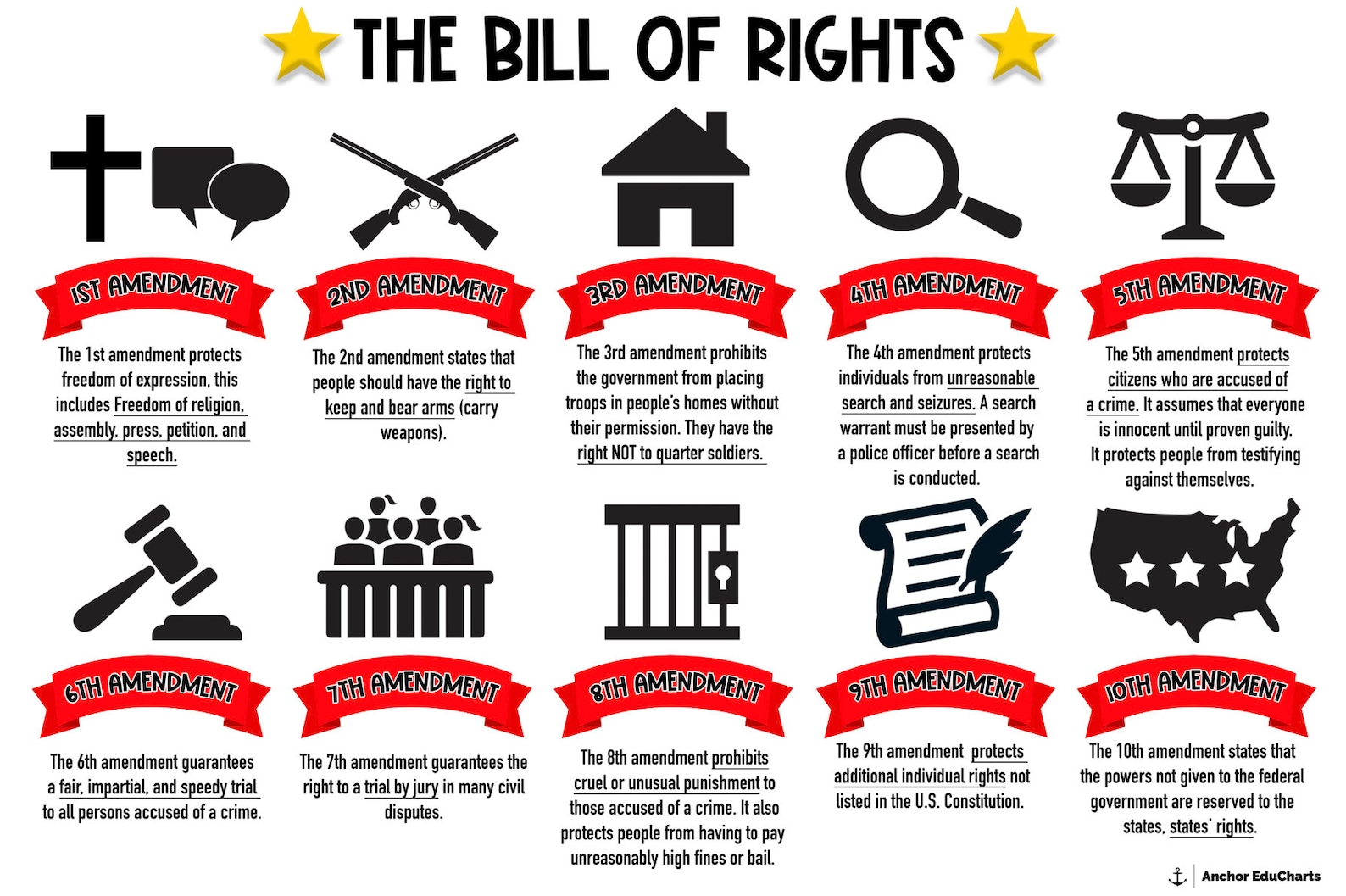
Instead, when individuals refer to Article 10 in the context of foundational American rights and limits on federal power, they are almost universally referring to the Tenth Amendment. Ratified in 1791 as part of the initial ten amendments known collectively as the Bill of Rights, the Tenth Amendment serves as a cornerstone of American federalism.
The Tenth Amendment: Text and Immediate Meaning
The text of the Tenth Amendment is remarkably concise, containing only 28 words:
"The powers not delegated to the United States by the Constitution, nor prohibited by it to the States, are reserved to the States respectively, or to the people."
This single sentence anchors the principle of federalism—the division of power between the national federal government and the individual state governments.
Core Components of the Text
- Powers delegated to the United States: These are the enumerated (explicitly listed) and implied powers granted to the federal government primarily under Article I, Section 8 of the Constitution (such as the power to coin money, declare war, and regulate interstate commerce).
- Powers prohibited to the States: These are actions that the Constitution explicitly forbids state governments from taking, such as entering into treaties, coining their own money, or passing ex post facto laws.
- Reserved powers: Any authority that does not fall into the first two categories does not automatically vanish or default to the federal executive or legislature. Instead, those powers are deliberately reserved to the individual states or directly to the people.
Historical Context and Intent of the Founders
The inclusion of the Tenth Amendment was not an accidental afterthought; it was a hard-fought compromise born out of the fierce ratification debates between the Federalists and the Anti-Federalists.
During the drafting of the Constitution in Philadelphia, many delegates—most notably James Madison initially—argued that a bill of rights was unnecessary. They reasoned that because the federal government was one of limited, enumerated powers (meaning it could only do what the Constitution explicitly allowed it to do), there was no need to list things it could not do. Listing specific rights or reserved powers, they feared, might imply that the federal government possessed unmentioned powers over areas not explicitly restricted.
However, the Anti-Federalists strongly disagreed. They argued that without an explicit reservation of state and individual authority, the elastic clauses of the Constitution—such as the Necessary and Proper Clause—would allow the federal government to expand its jurisdiction infinitely, swallowing state sovereignty and individual liberty.
To secure ratification in pivotal states like Massachusetts, New York, and Virginia, the Federalists promised to support a series of structural amendments immediately after the new government took office. James Madison, having shifted his perspective to recognize the political necessity of reassuring the public, introduced the amendments that would become the Bill of Rights in the First Congress. The Tenth Amendment was drafted specifically to codify the presumption of state sovereignty and calm fears of centralized tyranny.
Comparative Framework: Federal vs. State Powers
To understand how the Tenth Amendment operates in practice, it is helpful to examine the division of authority under the U.S. constitutional system.
| Power Category | Constitutional Basis | Examples |
|---|---|---|
| Delegated (Federal) Powers | Article I, Section 8; Articles II & III | Regulating foreign and interstate commerce, declaring war, coining money, establishing post offices, conducting foreign policy. |
| Concurrent (Shared) Powers | Overlapping constitutional provisions | Levying taxes, building roads, establishing lower courts, borrowing money, passing laws for general welfare and public safety. |
| Reserved (State) Powers | Tenth Amendment | Establishing public school systems, regulating intrastate commerce, conducting elections, issuing professional licenses, defining local criminal laws. |
| Prohibited Powers | Article I, Sections 9 & 10 | States cannot coin money or form treaties; the federal government cannot pass titles of nobility or violate fundamental Bill of Rights protections. |
Judicial Interpretation and Evolution of the Tenth Amendment
Over more than two centuries, the legal application of the Tenth Amendment has shifted dramatically depending on the composition of the Supreme Court and prevailing political philosophies regarding federal power. Legal historians generally divide the interpretation of the amendment into three distinct eras.
1. The Early Nineteenth Century: Dual Federalism
For much of the 19th century and the early 20th century, the Supreme Court viewed the Tenth Amendment through the lens of dual federalism. Under this doctrine, the federal government and state governments were viewed as co-equal sovereigns operating in distinct, mutually exclusive spheres.
During this era, the Court frequently invoked the Tenth Amendment to strike down federal legislation that attempted to regulate local economic activity, such as child labor laws or agricultural production regulations, ruling that such matters fell exclusively within the police powers of the states.
2. The New Deal Era and Expansion of Federal Power
The Great Depression and the New Deal marked a watershed moment in American constitutional law. Facing unprecedented economic collapse, President Franklin D. Roosevelt's administration enacted sweeping federal programs to regulate the national economy.
Initially, the Supreme Court struck down several New Deal measures using Tenth Amendment arguments. However, following the constitutional crisis of 1937 and a shift in judicial appointments, the Supreme Court drastically altered its jurisprudence. In landmark decisions such as United States v. Darby (1941), the Court famously declared the Tenth Amendment to be a "truism"—meaning that it simply stated the principle that all powers not surrendered are retained, without acting as an independent limitation on the broad expansion of federal power under the Interstate Commerce Clause.
3. The Modern Era: Revival of Anti-Commandeering Principles
While the Tenth Amendment no longer serves as a broad shield preventing Congress from regulating national economic activity, it experienced a significant revival in the late 20th and early 21st centuries regarding anti-commandeering.
In cases such as New York v. United States (1992) and Printz v. United States (1997), the Supreme Court ruled that while Congress has vast authority to regulate private citizens and corporations, the Tenth Amendment prohibits the federal government from forcing state legislatures to pass specific laws or compelling state and local law enforcement officers to execute federal regulatory programs. The federal government must either administer its own laws or offer financial incentives rather than directly commanding state sovereign entities.
Frequently Asked Questions
Is there actually an Article 10 in the United States Constitution?
No. The original text of the U.S. Constitution contains only seven Articles. When people refer to "Article 10," they are almost always mistakenly referring to the Tenth Amendment, which is the final provision of the Bill of Rights and deals with reserved powers.
What is the primary purpose of the Tenth Amendment?
The primary purpose of the Tenth Amendment is to define the balance of federalism by establishing that any power not explicitly granted to the federal government by the Constitution, nor prohibited to the states, belongs to the individual states or directly to the people.
Does the Tenth Amendment allow states to nullify federal laws?
No. The doctrine of nullification—the idea that a state can declare a federal law void within its borders—was historically rejected by the federal courts and discredited by the Civil War. Under the Supremacy Clause (Article VI), valid federal laws override conflicting state laws.
How does the Tenth Amendment affect local police power?
The Tenth Amendment is the constitutional source of the police power exercised by state governments. This encompasses the broad authority of states to pass laws protecting the health, safety, welfare, and morals of their citizens, such as traffic laws, building codes, and state criminal statutes.
Can the federal government force state police to enforce federal laws?
No. Under the modern "anti-commandeering" doctrine established by Supreme Court precedent interpreting the Tenth Amendment, the federal government cannot compel state or local governments to enforce federal regulatory programs or pass state legislation.
Practical Next Steps and Further Reading
For those researching constitutional law, government structure, or American history, distinguishing between the original structural Articles of the Constitution and the Bill of Rights is a critical foundation. To explore the primary documents and judicial interpretations further:
- Consult the annotated text of the Constitution provided by the Library of Congress or the Legal Information Institute at Cornell Law School.
- Review the text of the Federalist Papers (particularly James Madison's essays in Federalist No. 45 and Federalist No. 46) for historical insights into how the framers intended federal and state powers to interact.
- Examine landmark Supreme Court jurisprudence on federalism and the Commerce Clause to understand how the boundaries of federal authority continue to evolve in contemporary legal practice.