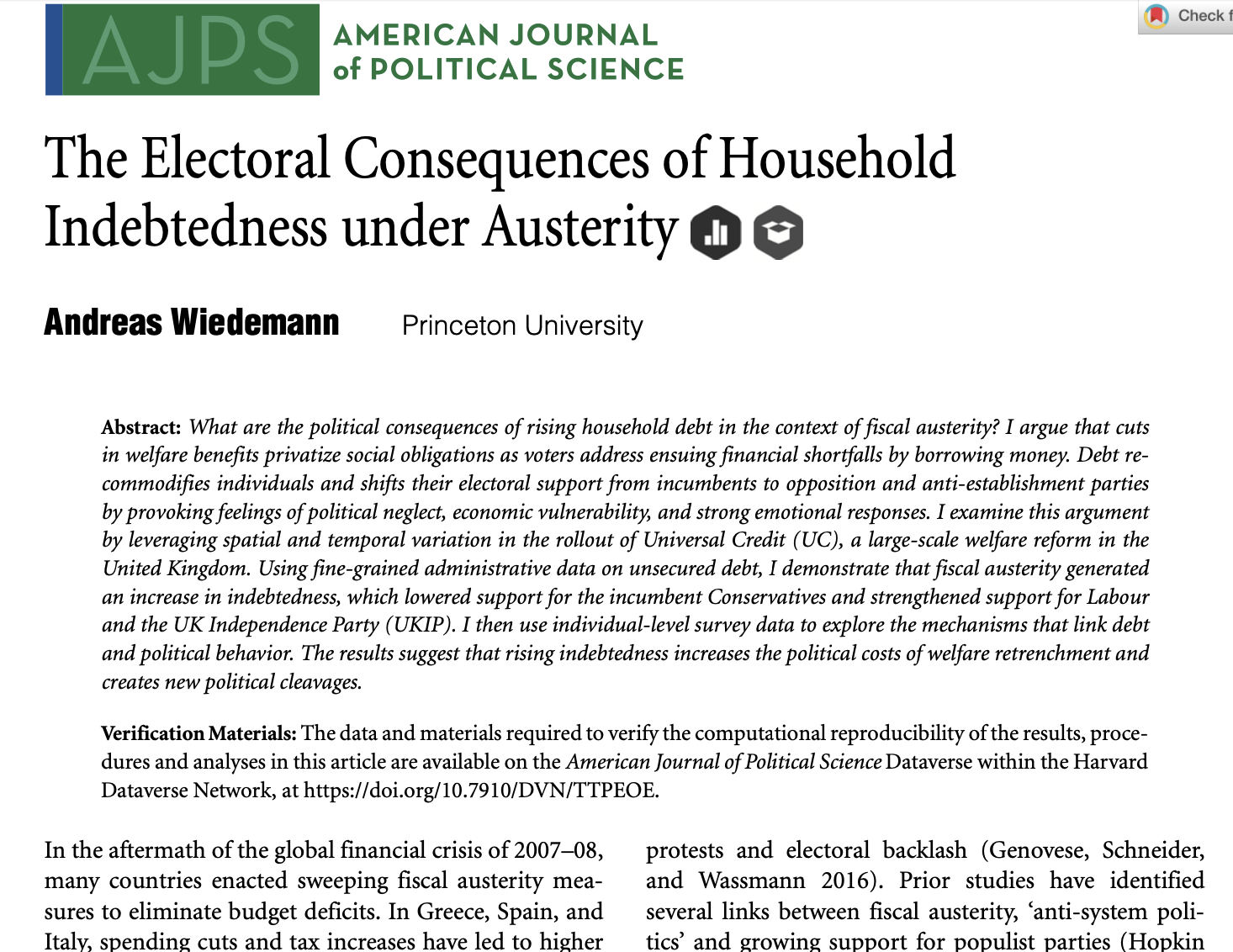
Publishing an article in social science requires a rigorous adherence to systematic research methodologies, ethical standards, and the specific stylistic requirements of disciplinary journals. Authors must navigate the transition from raw data analysis to peer-reviewed dissemination by selecting appropriate venues, ensuring transparency in reporting, and meticulously refining their manuscripts to meet the high standards of contemporary academic gatekeeping.
Understanding the Social Science Article Lifecycle
The lifecycle of a social science article begins long before the first draft is written. It is rooted in the identification of a research gap, the selection of a robust methodology—whether qualitative, quantitative, or mixed-methods—and the subsequent execution of an investigation that adheres to the Institutional Review Board (IRB) or equivalent ethical oversight requirements.
In 2026, the academic landscape remains highly competitive, with journals prioritizing studies that demonstrate significant theoretical contributions or replicable empirical evidence. A successful article serves as a coherent narrative that connects the researcher's hypothesis to the existing body of literature while acknowledging the limitations of their findings. The transition from a finished manuscript to a published work involves a complex peer-review process where anonymous experts evaluate the validity, novelty, and clarity of the research. Understanding this process is critical for researchers, as it allows them to anticipate common pitfalls such as lack of methodological transparency, insufficient literature review, or misalignment with the scope of their chosen journal.
Determining the Scope and Disciplinary Niche
Social science is a broad umbrella encompassing fields such as sociology, psychology, anthropology, political science, and economics. Before preparing an article, authors must identify the exact disciplinary niche their work occupies. An article intended for a sociology journal, for example, will prioritize social structure and interactional dynamics, whereas a psychology journal will emphasize individual behavioral outcomes and cognitive processes.
To select the right journal, researchers should evaluate:
- Thematic Alignment: Does the journal regularly publish on the specific phenomenon being studied?
- Methodological Preference: Does the journal favor large-scale longitudinal datasets, or does it prioritize deep ethnographic engagement?
- Audience Reach: Is the goal to reach a narrow circle of specialists or a broader interdisciplinary audience?
Methodological Rigor and Reporting Standards
The credibility of a social science article rests entirely upon its methodological rigor. Regardless of whether the approach is positivist or constructivist, transparency is the primary metric for quality. In 2026, journals are increasingly demanding "Open Science" practices, which include the pre-registration of studies, the sharing of anonymized datasets, and the documentation of analysis code.
For quantitative studies, authors must clearly define their variables, justify their sample sizes, and account for potential biases or confounding variables. For qualitative research, the focus shifts toward reflexivity—the acknowledgment of the researcher's own influence on the data—and the reliability of coding or thematic analysis. Omission of these details often leads to immediate rejection during the desk-review stage, before a manuscript even reaches peer reviewers.
Navigating the Submission and Peer Review Process
The submission process is the formal initiation of a dialogue between the author and the journal’s editorial board. Upon submission, the manuscript undergoes an initial "desk check," where an editor assesses whether the paper is suitable for the journal's mission. If it passes, it moves to the double-blind peer review phase.
This phase is rarely a simple "accept" or "reject" outcome. More commonly, authors receive a request for "Major" or "Minor" revisions. Responding to these requests requires a systematic approach:
- The Response Letter: Create a detailed document that addresses each reviewer comment individually.
- Track Changes: Provide a clean version of the manuscript alongside a version highlighting all changes made.
- Professionalism: Maintain a respectful, evidence-based tone even when disagreeing with a reviewer's critique. If a critique is based on a misunderstanding, clarify the point in the manuscript rather than dismissing the reviewer.
Table 1: Common Types of Social Science Articles
| Article Type | Purpose | Key Focus | Typical Length |
|---|---|---|---|
| Empirical Research | Report new findings from primary data | Methodology and statistical significance | 6,000–9,000 words |
| Literature Review | Synthesize existing research | Trends, gaps, and theoretical frameworks | 8,000–12,000 words |
| Theoretical Paper | Propose new conceptual models | Logic, abstraction, and paradigm shifts | 7,000–10,000 words |
| Methodological Note | Describe new research techniques | Technical validity and practical utility | 3,000–5,000 words |
Addressing Ethics and Reproducibility
Ethical considerations are non-negotiable in social science research. Protecting human subjects, ensuring informed consent, and safeguarding sensitive data are fundamental requirements. In 2026, many journals require an "Ethical Statement" section detailing how these obligations were met. Failure to document this process can lead to the retraction of an article years after publication, which carries significant professional consequences.
Furthermore, the reproducibility crisis has forced many journals to adopt stricter reporting guidelines. If an empirical claim cannot be verified because the underlying data is inaccessible or the analysis process is opaque, the article loses its standing as a contribution to scientific knowledge. Researchers are encouraged to use repositories such as the Open Science Framework (OSF) to host their materials, thereby enhancing the discoverability and impact of their work.
Avoiding Common Editorial Pitfalls
Even well-conducted research can fail if the article is poorly framed. One common mistake is the "kitchen sink" approach, where an author attempts to report every single finding regardless of its relevance to the primary research question. This dilutes the narrative and confuses the reader. A strong article should be focused, with every section serving the purpose of supporting a single, cohesive argument.
Another common pitfall is the failure to engage with the most recent literature. While foundational texts are necessary, an article that ignores developments from the last 3–5 years suggests to reviewers that the author is disconnected from the current discourse. Ensure that the bibliography reflects the most relevant and current debates within the specific sub-field.
Essential Frequently Asked Questions
What is the difference between a desk rejection and a rejection after review? A desk rejection occurs when an editor decides the paper is not a good fit for the journal, often due to scope mismatch or lack of originality, before it is sent to external experts. A rejection after review occurs when the editors and reviewers agree that the quality or contribution of the paper is insufficient even after revisions.
How do I decide between an open-access and a subscription-based journal? Open-access journals make your work freely available to all readers, which can increase citation rates and reach, though they often require an Article Processing Charge (APC). Subscription journals are free for the author but restrict access to the public. Evaluate your institutional funding and your goal for public accessibility.
How long should the literature review section be? The literature review should be long enough to establish the gap in current knowledge without becoming a history lesson. It should focus exclusively on literature that informs your specific research question, framing the conversation you intend to join.
What should I do if the reviewers disagree with each other? It is common for reviewers to have conflicting views. In your response letter, acknowledge both perspectives, explain how you balanced their feedback, and clearly state your rationale for the decisions you made in the revised draft.
Can I submit my manuscript to multiple journals simultaneously? No. Simultaneous submission (also known as "dual submission") is considered unethical in the academic publishing community. You must wait for a formal decision from one journal before submitting to another.
Next Steps for Aspiring Authors
The most effective next step for any researcher is to cultivate a consistent writing practice that prioritizes the "story" of the data over the mechanical output of text. Before finalizing your manuscript, share a working draft with colleagues for a "blind" read to identify areas where your logic may be unclear to those not intimately involved in your specific project. Once you have a polished draft, utilize journal finder tools offered by major publishers—such as Elsevier, Springer, or Taylor & Francis—to match your keywords and abstract against the scopes of potential journals. Finally, ensure your submission package is complete, including a cover letter that concisely explains the impact of your work, and prepare for the iterative process of peer review as a natural phase of your ongoing development as a social scientist.