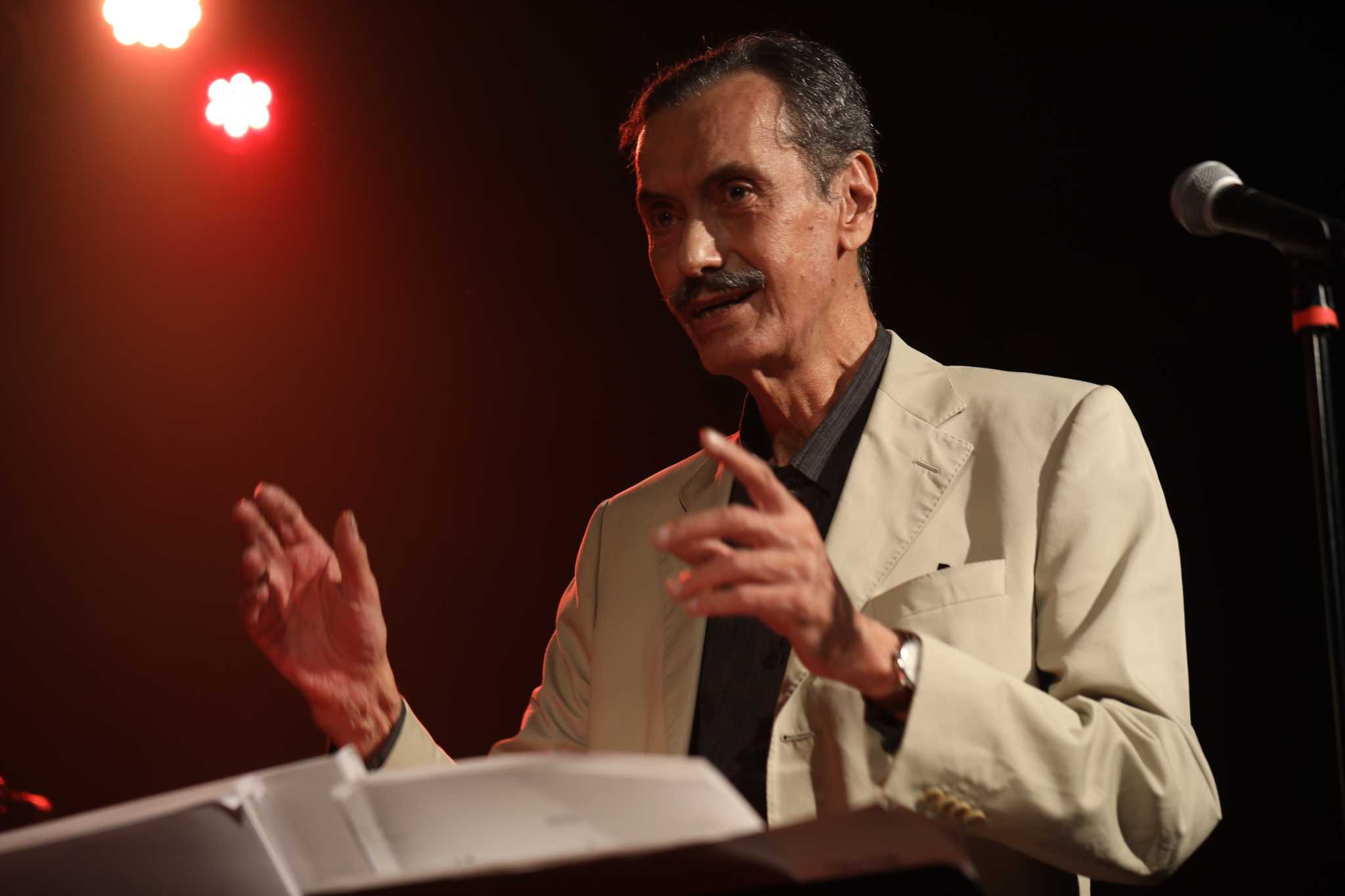
Arthur Verocai’s 1972 self-titled debut album is a masterpiece of Brazilian orchestration, seamlessly blending bossa nova, psychedelic rock, soul, and avant-garde jazz into a lush, cinematic soundscape that redefines Latin American popular music history.
Introduction to Arthur Verocai and His 1972 Masterpiece
Released in 1972 through Continental, Arthur Verocai is widely regarded as one of the most brilliant and uncompromising artistic statements in Brazilian music history. At the time of its release, the album was a commercial failure, largely ignored by the mainstream public and misunderstood by a recording industry dominated by standard MPB (Música Popular Brasileira) formulas and stifled by the military dictatorship governing Brazil. For decades, original vinyl copies remained elusive holy grails for dedicated crate diggers, international collectors, and producers searching for rare grooves.
However, the album's trajectory changed dramatically in the late 1990s and 2000s, driven by hip-hop producers—most notably Madlib and MF Doom—who sampled its intricate compositions, bringing Verocai’s genius to a global audience. Today, the album stands as a towering achievement in orchestral arrangement. It merges the intimate warmth of acoustic bossa nova with the sprawling, cinematic scope of American soul-jazz and the experimental edge of Tropicália. Understanding this record requires examining Verocai's background as an arranger, the socio-political climate of 1970s Brazil, the unique sonic characteristics of the tracking sessions, and the album's monumental legacy.
The Musical Background and Pre-Album Career of Arthur Verocai
Before stepping into the spotlight as a solo recording artist, Arthur Verocai had already established himself as a heavy-hitting behind-the-scenes figure in the Brazilian music industry. Born in Rio de Janeiro, Verocai immersed himself in the rich musical ecosystem of the 1960s, studying civil engineering before fully dedicating his life to music. He quickly gained a reputation as a virtuoso arranger and composer, working closely with major Brazilian icons such as Ivan Lins, Jorge Ben, Gal Costa, and Elis Regina.
Working as an arranger gave Verocai unprecedented technical insight into the inner workings of recording studios and the mechanics of large ensembles. He mastered the art of balancing horns, strings, electric guitars, and percussion without losing the rhythmic groove essential to Brazilian popular music. By the early 1970s, he had absorbed international influences, listening closely to American arrangers like Eumir Deodato and Charles Stepney, as well as the cinematic string arrangements of 1960s pop and soul. This extensive preparation allowed him to walk into the studio in 1972 with a fully realized vision for his own record, blending traditional Brazilian song structures with complex, polyrhythmic string and horn charts.
Musical Analysis: Structure, Instrumentation, and Sound
The defining characteristic of the Arthur Verocai album is its fearless approach to orchestration. Unlike standard singer-songwriter records of the era—which typically relied on a core rhythm section of acoustic guitar, piano, bass, and drums—Verocai treated the entire orchestra as a rhythm and texture machine. Every track on the album utilizes complex harmonic progressions, modal jazz chords, and unconventional time signatures while remaining deeply melodic and emotionally resonant.
The instrumentation is a masterclass in balance. Verocai utilized top-tier Brazilian session musicians, including drummer Robertinho Silva and percussionist Dom Um Romão, whose rhythmic foundations anchored the flights of fancy executed by the horn and string sections. The use of fuzz bass, wah-wah guitars, and electric pianos injects a distinct psychedelic soul flavor, aligning the record with contemporary American records by artists like Curtis Mayfield or Love. Yet, the core rhythmic cadence remains undeniably Brazilian.
| Track Position | Song Title | Key Musical Characteristics | Primary Instruments |
|---|---|---|---|
| Side A, Track 1 | Cabocla | Upbeat groove, intricate brass stabs, dynamic vocal delivery | Electric guitar, brass, drums, choir |
| Side A, Track 2 | Pelas Tabelas | Melancholic mood, lush string arrangements, shifting meters | Acoustic guitar, strings, flute |
| Side A, Track 3 | Presente de Grego | Driving rhythm, complex horn charts, jazz-funk undertones | Piano, fuzz bass, horns, percussion |
| Side A, Track 4 | Soledad | Sprawling cinematic atmosphere, dramatic string swells | Vocals, cello, violin, acoustic guitar |
| Side A, Track 5 | Sylvia | Gentle bossa nova cadence, intricate acoustic picking | Acoustic guitar, light percussion, backing vocals |
Socio-Political Context and the 1972 Brazilian Music Scene
To fully appreciate the ambition of Verocai's debut, one must examine the environment in which it was created. In 1972, Brazil was under the strict control of a military dictatorship that enforced harsh censorship, political repression, and cultural conformity. While the Tropicália movement of the late 1960s had successfully challenged artistic boundaries by mixing traditional sounds with electric rock and international avant-garde techniques, many of its leaders—such as Caetano Veloso and Gilberto Gil—had been forced into exile by the early 1970s.
In this climate of artistic caution, Continental Records granted Verocai the creative freedom to record his self-titled album. While the lyrics are largely poetic and impressionistic rather than overtly political protest statements, the sheer sonic radicalism of the music acted as an implicit defiance of mainstream expectations. The record refused to fit neatly into the commercial MPB boxes demanded by radio programmers. Consequently, upon its release, the album suffered from poor distribution, lack of radio airplay, and total commercial indifference, prompting Verocai to step away from solo recording for decades and focus instead on commercial jingles and arranging for other artists.
The Hip-Hop Era, Rediscovery, and Global Revaluation
For nearly three decades, Arthur Verocai remained an obscure footnote known only to hardcore Brazilian vinyl collectors and elite DJs. The turning point arrived with the global vinyl revival of the late 1990s and early 2000s, coupled with the relentless crate-digging culture of American hip-hop producers. The rich textures, dramatic horn breaks, and cinematic string samples on tracks like "Sylvia" and "Na Boca do Sol" proved irresistible to beatmakers looking for sophisticated, unmined sonic material.
Most notably, legendary producer Madlib and rapper/producer MF Doom incorporated elements of Verocai’s work, introducing his compositions to a younger, international audience that valued musical complexity and organic instrumentation. This digital-era and vinyl-reissue rediscovery led to authorized reissues by labels such as Luv N' Haight and Mr Bongo, transforming a forgotten 1972 vanity project into a globally revered cult classic. The renewed interest culminated in Verocai receiving invitations to perform his arrangements live across Europe, North America, and South America, conducting full symphony orchestras playing his 1970s charts to packed houses of devoted fans.
Practical Guide for Collectors: Editions, Pressings, and Identification
For music enthusiasts looking to explore physical copies of the Arthur Verocai album, understanding the marketplace, pressing history, and reissues is essential for navigating purchases safely.
Original 1972 Pressing
- Label: Continental (SLP-10.094)
- Country: Brazil
- Characteristics: Original gatefold sleeve featuring distinctive typography and photography. Original pressings feature heavy vinyl weight typical of early 1970s Brazilian manufacturing, though vinyl quality control in Brazil during this era varied significantly compared to US or Japanese plants.
- Market Status: Extremely rare. Original copies command high prices among international collectors, often trading in the thousands of dollars depending on condition.
Modern Reissues and Remasters
- Mr Bongo / Luv N' Haight Reissues: These labels have periodically issued remastered vinyl and CD versions starting in the 2000s, utilizing master tapes where available.
- Audiophile Considerations: Modern reissues offer a cleaner listening experience with significantly reduced surface noise compared to worn-out original Brazilian pressings, making them the preferred choice for daily listening and casual collectors.
Frequently Asked Questions
What genre is the Arthur Verocai album?
The album defies simple categorization, sitting at the intersection of MPB (Música Popular Brasileira), bossa nova, psychedelic soul, jazz-funk, and avant-garde orchestral pop. It combines traditional Brazilian rhythms with lush American-style string and horn arrangements.
Why was the original 1972 album a commercial failure?
The album suffered from poor promotion, lack of radio-friendly singles, and a commercial environment in Brazil that favored conventional pop and standard MPB formulas. Additionally, its complex, challenging arrangements alienated mainstream audiences at the time of release.
Which famous hip-hop artists sampled Arthur Verocai?
Producers and artists such as Madlib, MF Doom, and Little Brother have famously sampled Verocai’s compositions, utilizing his intricate string and horn breaks to build modern hip-hop instrumentals.
Is the original 1972 vinyl pressing difficult to find?
Yes, original pressings on the Continental label are exceptionally rare. Due to small initial production runs and poor commercial distribution, surviving copies in good condition are highly coveted collector items commanding premium prices.
Did Arthur Verocai release other solo albums after 1972?
While Verocai continued to work prolifically as an arranger for decades, he did not release another solo studio album until Ensaio Geral in 2003 and subsequently Saudade do Futuro in 2015, followed by live projects and collaborative recordings.
Conclusion and Next Listening Steps
Arthur Verocai’s self-titled 1972 album represents a triumphant fusion of Brazilian rhythmic tradition and avant-garde orchestration. For listeners looking to explore his musical world further, the logical next steps include examining his follow-up solo work, such as Saudade do Futuro, exploring his extensive 1970s and 1980s arrangement catalog for artists like Ivan Lins, and diving into the contemporary Brazilian jazz-funk scene that shares his uncompromising artistic vision.