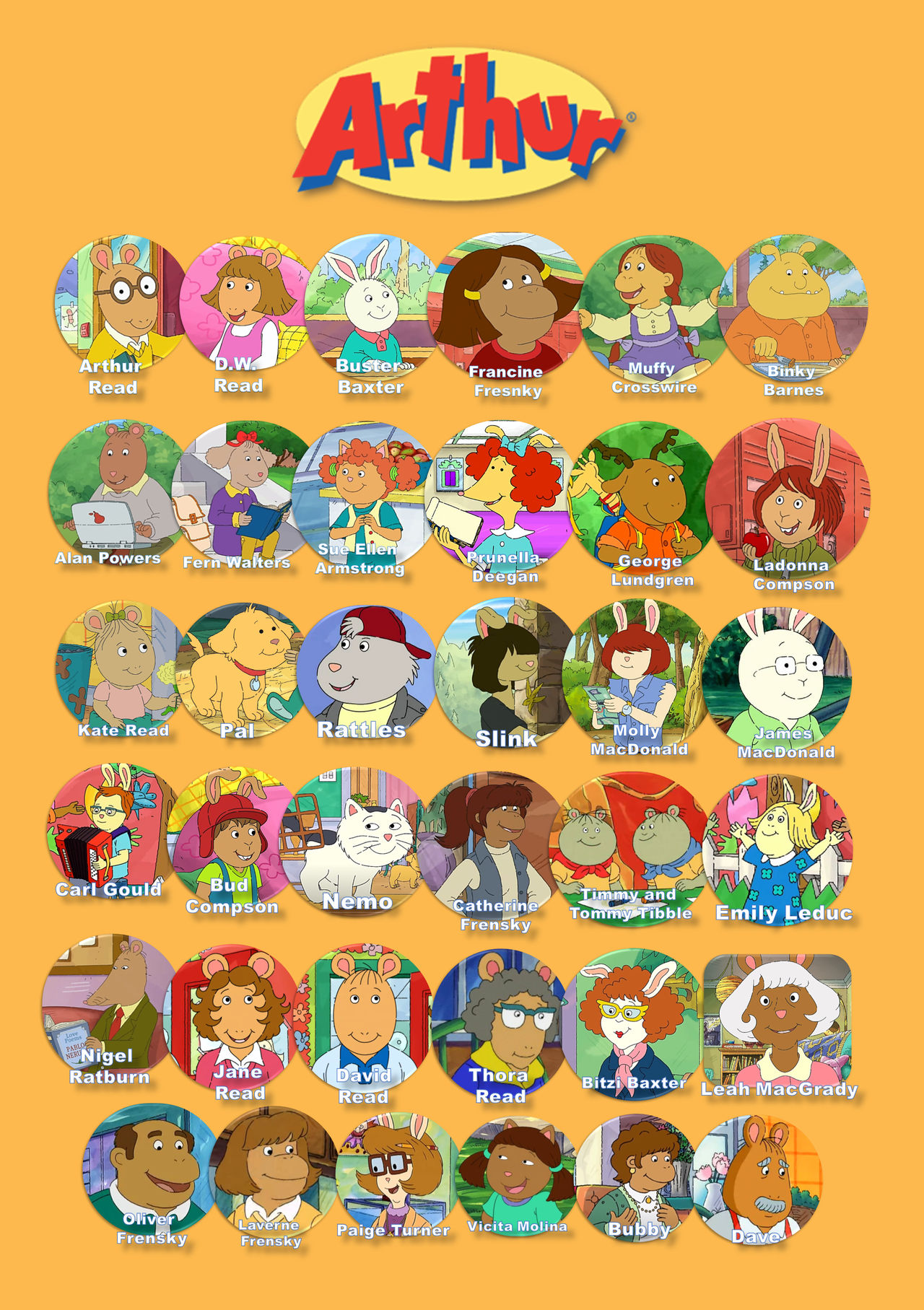
The "Arthur the Cave Episode in Arthur" typically refers to memorable storylines from the beloved animated children's television series Arthur where cave settings, prehistoric themes, or subterranean explorations play a central role. These episodes capture the inquisitive nature of Arthur Read and his friends as they encounter ancient environments, explore the mysteries of archaeology, or let their imaginations run wild with stone-age adventures.
Understanding the Prehistoric and Cave Themes in Arthur
The long-running animated series Arthur, based on the book series by Marc Brown, frequently used imaginative sequences, school field trips, and historical themes to educate and entertain its young audience. While the show is primarily grounded in the everyday elementary school experiences of Arthur Read, D.W., Buster Baxter, and their peers in Elwood City, it often expands its narrative scope into history, science, and paleontology.
Episodes featuring caves, caverns, or prehistoric motifs usually serve dual purposes. First, they provide an entertaining backdrop for the characters' vivid imaginations, where ordinary summer camps or museum visits transform into epic prehistoric adventures. Second, they introduce young viewers to concepts like geology, ancient human history, and cave formations like stalactites and stalagmites in an accessible, age-appropriate manner.
When fans search for the "cave episode," they are often recalling specific narrative beats where the characters venture underground or engage with ancient history. Because Arthur spans 25 seasons with hundreds of episodes, specific segments involving caves or prehistoric roleplay stand out due to their distinct visual styling and imaginative storytelling.
Notable Episodes Involving Caves and Prehistoric Explorations
Throughout the broadcast history of Arthur, several key episodes touched upon caves, archaeology, or ancient civilizations. Examining these storylines helps clarify how the production team incorporated subterranean and ancient themes into the curriculum of the show.
Museum Visits and Archaeological Digs
Elwood City's local museum and science center frequently served as settings for educational field trips. In various episodes, Arthur and his classmates learn about ancient artifacts, fossils, and early human life. These segments often feature characters donning hard hats, using flashlights, and examining simulated cave paintings. The educational objective is to demystify archaeology and encourage children to appreciate scientific discovery.
Imaginative Stone-Age Sequences
A hallmark of the Arthur series is the use of extended fantasy sequences where the characters imagine themselves in entirely different historical eras or fictional worlds. When Buster or Arthur becomes obsessed with a topic—such as dinosaurs, early humans, or cave explorers—the narrative shifts into a stylized reenactment. In these sequences, the characters dwell in prehistoric caves, hunt for fictional creatures, or invent early technologies, blending humor with light historical education.
Outdoor Adventures and Summer Camp Settings
Suburban and rural excursions outside of Elwood City occasionally led the characters into natural geological formations. Whether visiting a state park, exploring a wooded trail, or attending summer camp, episodes set in the great outdoors regularly feature caves as mysterious, slightly spooky locations that test the characters' courage and problem-solving skills.
The Production and Educational Framework of Arthur
To understand why cave and history themes resonated so strongly in Arthur, it is helpful to look at the production philosophy of the series. Developed by WGBH in Boston and CINAR (later Cookie Jar Entertainment and 9 Story Media Group), Arthur was designed from its inception to promote reading, social-emotional development, and basic scientific literacy.
| Production Aspect | Educational Objective | Narrative Implementation |
|---|---|---|
| Field Trip Episodes | Introducing institutional learning environments (museums, libraries). | Real-world locations where characters interact with docents and exhibits. |
| Fantasy Sequences | Fostering creative thinking and historical curiosity. | Exaggerated, humorous scenarios where children roleplay as historical figures or explorers. |
| Science Integration | Explaining natural phenomena (geology, paleontology, biology). | Accessible explanations of fossils, rock formations, and ecosystems delivered through peer dialogue. |
This structured approach ensured that even when an episode took a whimsical detour into a prehistoric cave, the underlying facts regarding science and history remained accurate and grounded.
Common Themes Explored in Cave-Centric Storylines
When the residents of Elwood City encounter caves or ancient history, the episodes typically center on a few core narrative devices and moral lessons:
- Overcoming Fear of the Unknown: Caves are naturally dark, enclosed spaces. Several storylines use subterranean settings to help characters confront their anxieties about darkness, tight spaces, and unexpected sounds.
- The Power of Imagination: Buster Baxter, in particular, frequently drives plots involving speculative history, aliens, or ancient mysteries. His imaginative interpretations of caves and artifacts add a layer of comedy.
- Scientific Inquiry vs. Superstition: Episodes involving mysterious noises or shadows in a cave environment usually teach children to rely on observation, evidence, and critical thinking rather than jumping to supernatural conclusions.
Reception and Legacy Among Viewers
The enduring popularity of Arthur on streaming platforms and syndication means that viewers of all ages continue to revisit specific episodes. Subterranean and prehistoric-themed segments are frequently cited by fans in online communities as nostalgic highlights. The balance between educational content and lighthearted humor ensured that these episodes left a lasting impression on generations of children who grew up watching Arthur Read navigate the complexities of growing up.
Summary of Key Takeaways
While Arthur is primarily a slice-of-life comedy-drama about elementary school life, its exploration of caves, history, and science demonstrates the versatility of the series. By blending educational frameworks with imaginative storytelling, the show successfully introduced complex concepts like archaeology and geology to young audiences. Whether through museum exhibits, summer camp adventures, or elaborate fantasy sequences, these episodes remain a cherished part of the series' extensive catalog.