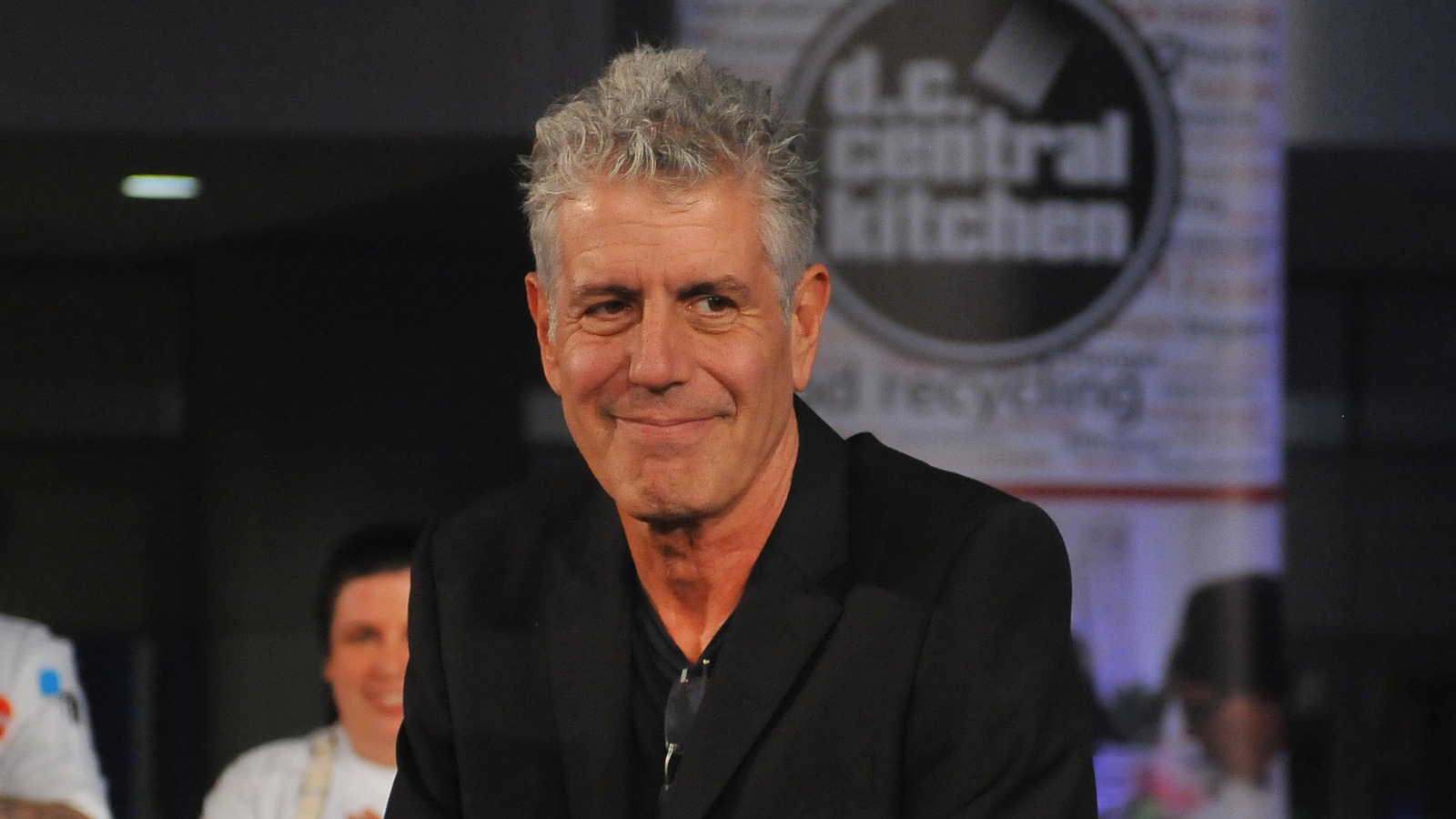
The official toxicology findings for Anthony Bourdain, released by French authorities following his death in June 2018, confirmed that there were no illegal narcotics or toxic substances in his system at the time of his passing. The report indicated only the presence of a therapeutic, non-narcotic medication in normal doses, alongside no significant presence of alcohol, ruling out substance-induced impairment as a factor in his suicide.
The death of Anthony Bourdain—chef, author, and world traveler—remains one of the most impactful losses in the world of culinary arts and broadcast journalism. When Bourdain was found dead in his hotel room in Kaysersberg, France, on June 8, 2018, the global community was left with profound questions. Given his historical openness about past struggles with substance abuse, many speculated that a relapse might have played a role in his final moments. However, the forensic evidence provided a different, albeit more complex, narrative.
The Official Investigation in Kaysersberg
Anthony Bourdain was in the Alsace region of France filming an episode of his award-winning CNN series, Parts Unknown. He was traveling with his close friend and fellow chef, Eric Ripert. When Bourdain failed to appear for a scheduled dinner and subsequent breakfast, Ripert asked a hotel receptionist to check on him, leading to the discovery of his body.
The investigation was led by Christian de Rocquigny, the prosecutor for Colmar in the Alsace region. Because the death occurred on French soil, the protocols followed the specific legal requirements of the French justice system. Unlike some American jurisdictions where detailed autopsy reports are sometimes released to the public, French law tends to be more restrictive, prioritizing the privacy of the deceased and their family unless foul play is suspected.
Early in the investigation, de Rocquigny confirmed that there was no evidence of foul play or the involvement of a third party. The physical evidence at the scene clearly pointed to suicide by hanging. This preliminary assessment shifted the focus of the investigation toward the toxicology screen to determine if Bourdain’s mental state had been altered by chemical substances.
Breaking Down the Toxicology Results
The toxicology report is a standard procedure in any unattended death or suicide. It involves the analysis of blood, urine, and sometimes vitreous humor (eye fluid) to identify the presence of drugs, alcohol, or poisons. In Bourdain's case, the results were highly anticipated by a public seeking an explanation for the tragedy.
Absence of Narcotics and Alcohol
The most significant finding of the toxicology screen was the absence of illicit drugs. Despite Bourdain’s well-documented history of heroin and crack cocaine use in the 1980s—a subject he wrote about extensively in Kitchen Confidential—the results proved that he was not under the influence of any such substances at the time of his death. Furthermore, the report indicated that there was no significant amount of alcohol in his system, which debunked early rumors that a night of drinking might have precipitated the event.
Presence of Therapeutic Medication
The report did identify a "trace" amount of a prescription medication. The prosecutor described this as a "non-narcotic medication in therapeutic doses." In medical terms, "therapeutic doses" refers to an amount of medication that is within the range prescribed by a doctor to treat a specific condition, rather than a toxic or recreational amount.
While the specific name of the medication was not publicly disclosed by French authorities to protect Bourdain’s medical privacy, experts have noted that many individuals manage chronic conditions—ranging from high blood pressure to depression or insomnia—with such medications. The key takeaway from the findings was that the medication was used as intended and did not contribute to a loss of cognitive control or physical impairment.
The Psychological Context of the Findings
The toxicology findings served to complicate the public's understanding of Bourdain’s death. When a high-profile individual dies by suicide, there is often a search for a "trigger," such as a drug-induced lapse in judgment. The fact that Bourdain was "sober" (in the sense of being free from illicit substances) at the time suggested that his decision was not a momentary chemical impulse but rather the result of a deep-seated psychological struggle.
The "Sober" Suicide
Clinical psychologists often distinguish between impulsive suicides, often fueled by intoxication, and those that occur when an individual is fully cognizant. The toxicology report placed Bourdain’s death in the latter category. For his fans and family, this was in many ways more difficult to process. It suggested that the "demons" Bourdain often alluded to in his writing and interviews were present even when he was at his most professional and functional.
Mental Health and the "High-Functioning" Persona
Bourdain was the epitome of a "high-functioning" individual. He managed a grueling travel schedule, produced multiple television shows, wrote books, and maintained a massive public profile. The toxicology results reinforced the reality that professional success and the absence of active drug addiction do not provide immunity against clinical depression or suicidal ideation.
In the years following 2018, and leading into 2026, the conversation surrounding Bourdain has shifted from the "how" of his death to the "why" of his mental health. His death became a catalyst for a broader discussion on the mental health crisis within the culinary industry, a field known for high stress, long hours, and a historical "tough it out" culture.
Key Facts and Timeline Summary
The following table summarizes the factual findings and logistical details of the investigation into Anthony Bourdain's death.
| Category | Detail | Official Finding |
|---|---|---|
| Date of Death | June 8, 2018 | Confirmed by French Authorities |
| Location | Le Chambard Hotel, Kaysersberg, France | No evidence of foul play |
| Primary Cause of Death | Asphyxiation | Suicide by hanging |
| Alcohol Presence | Blood Alcohol Content (BAC) | Negative / Insignificant |
| Illicit Substances | Heroin, Cocaine, Amphetamines, etc. | None detected |
| Prescription Meds | Therapeutic substances | Present at normal levels |
| Investigating Official | Christian de Rocquigny | Prosecutor for Colmar, France |
| Legal Status | Case Closed | Ruled suicide; no criminal investigation |
Addressing Myths and Public Speculation
In the vacuum of information that often follows a celebrity death, several myths emerged regarding the Anthony Bourdain toxicology findings. It is essential to address these with the verified facts provided by the French prosecutor's office.
Myth 1: The "Cover-up" Theory
Some conspiracy theorists suggested that the French government or Bourdain's associates suppressed the "real" toxicology results to protect his legacy. There is no evidence to support this. The investigation was conducted by an independent judicial body in France, which has no incentive to falsify forensic data for an American citizen. The findings were consistent with the physical evidence at the scene.
Myth 2: The Role of Asia Argento
Bourdain’s relationship with Italian actress Asia Argento was a subject of intense tabloid scrutiny. While their relationship was reportedly tumultuous toward the end, the toxicology report remains a separate scientific document. It measures chemical substances, not emotional states. While personal stress is a known factor in mental health struggles, the toxicology report confirms that Bourdain did not use substances to cope with that stress on the night he died.
Myth 3: Undisclosed Illness
Speculation that Bourdain was secretly suffering from a terminal illness, which prompted him to end his life, was not supported by the autopsy. While the full autopsy was not released to the public, the prosecutor's statement indicated that the cause of death was purely the result of the act of suicide, with no mention of underlying physical pathology that would have caused immediate natural death.
The Impact of the Findings on the Culinary World
The toxicology findings had a profound impact on the restaurant industry. Because Bourdain was a hero to many chefs, his death—and the fact that it was not caused by a drug overdose—forced the industry to look at mental health more seriously.
- Breaking the Stigma: For decades, the "pirate" culture of kitchens glorified substance use and ignored mental health. Bourdain's clean toxicology report showed that even those who have moved past addiction can still be at risk.
- Resource Allocation: Organizations like "Heard Guides" and "Ben’s Friends" gained traction, providing support specifically for hospitality workers.
- The "Bourdain Effect": This term is now used to describe the increased awareness of the psychological toll of the culinary lifestyle. In 2026, many restaurant groups now include mental health coverage as a standard part of their benefits packages, a direct legacy of the conversations started in 2018.
The Role of the "Roadrunner" Documentary
In 2021, the documentary Roadrunner: A Film About Anthony Bourdain was released, providing deeper insight into his final months. While the film was controversial for its use of AI-generated voiceovers, it provided valuable context to the toxicology findings. The film interviewed his closest friends and crew members, who described a man who was increasingly exhausted, isolated, and struggling with his identity.
The documentary corroborated the toxicology report’s suggestion that Bourdain’s state of mind was not a sudden break caused by drugs, but a slow build-up of internal pressure. It painted a picture of a man who had "everything" but found himself unable to find peace, highlighting that toxicology is only one piece of a much larger psychological puzzle.
Forensic Science and Modern Toxicology Protocols
To understand why the toxicology report was so definitive, one must look at the methods used by French forensic labs. Modern toxicology utilizes Gas Chromatography-Mass Spectrometry (GC-MS) and Liquid Chromatography-Tandem Mass Spectrometry (LC-MS/MS). These technologies allow toxicologists to identify substances at the molecular level, even in very small concentrations.
- Screening: The initial phase searches for broad categories of drugs (opioids, benzodiazepines, etc.).
- Confirmation: If a substance is detected, a second, more specific test is run to quantify the exact amount.
- Significance: In Bourdain's case, the "therapeutic" designation means the concentration of the medication in his blood matched the levels expected for someone taking a standard dose prescribed by a physician.
This level of scientific rigor is why the French prosecutor was able to state with such certainty that no narcotics were involved.
Frequently Asked Questions
Was there any alcohol in Anthony Bourdain's system?
The French prosecutor, Christian de Rocquigny, stated that the toxicology results were negative for alcohol in any significant or intoxicating amount. While some very minor traces can sometimes be present due to natural post-mortem processes, there was no evidence that Bourdain was under the influence of alcohol at the time of his death.
Did Anthony Bourdain have a terminal illness?
There is no evidence or official report suggesting that Anthony Bourdain had a terminal illness. The autopsy and investigation focused on the cause of death, which was ruled a suicide. His friends and family have never corroborated any claims of a secret physical illness.
What medication was found in his system?
The specific medication was not named publicly to respect the privacy of the deceased, but it was officially described as a "non-narcotic medication" found in "therapeutic doses." This means it was a standard prescription drug, such as a blood pressure medication or a common antidepressant, taken in the correct amount.
Why did it take time for the toxicology results to be released?
Toxicology results typically take several days to several weeks because of the complexity of the lab work. In Bourdain's case, the results were released about two weeks after his death, which is a standard timeframe for a high-priority forensic investigation.
Was foul play ever considered in the investigation?
French authorities initially investigated all possibilities, which is standard procedure. However, Prosecutor Christian de Rocquigny quickly stated that there was no evidence of foul play, no signs of a struggle, and no reason to believe anyone else was involved in the hotel room.
Final Perspective and Recommendations
The toxicology findings for Anthony Bourdain provide a clear, scientific conclusion: his death was not the result of a drug overdose or an alcohol-fueled impulse. It was a sober, tragic act that underscored the severity of his internal mental health battle. For those looking for lessons in his passing, the findings suggest that we must look beyond external signs of "wellness" or "success."
If you or someone you know is struggling with mental health or suicidal thoughts, please reach out for help. In the United States, you can call or text 988 to reach the Suicide & Crisis Lifeline, available 24/7. Globally, many countries have dedicated hotlines and resources designed to provide support in times of crisis. Anthony Bourdain's legacy is one of curiosity and connection; maintaining those connections in our own lives is perhaps the best way to honor his memory.