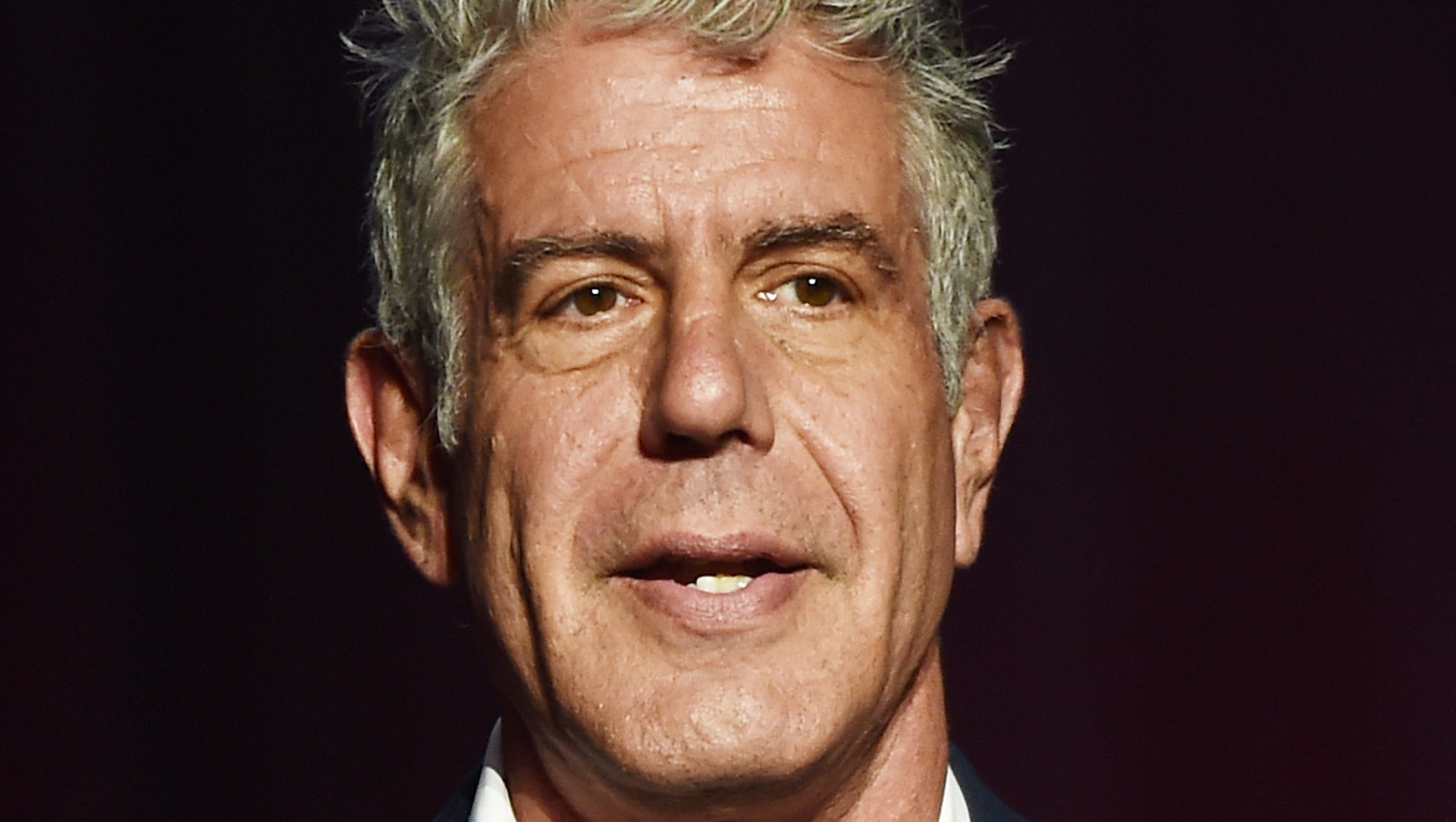
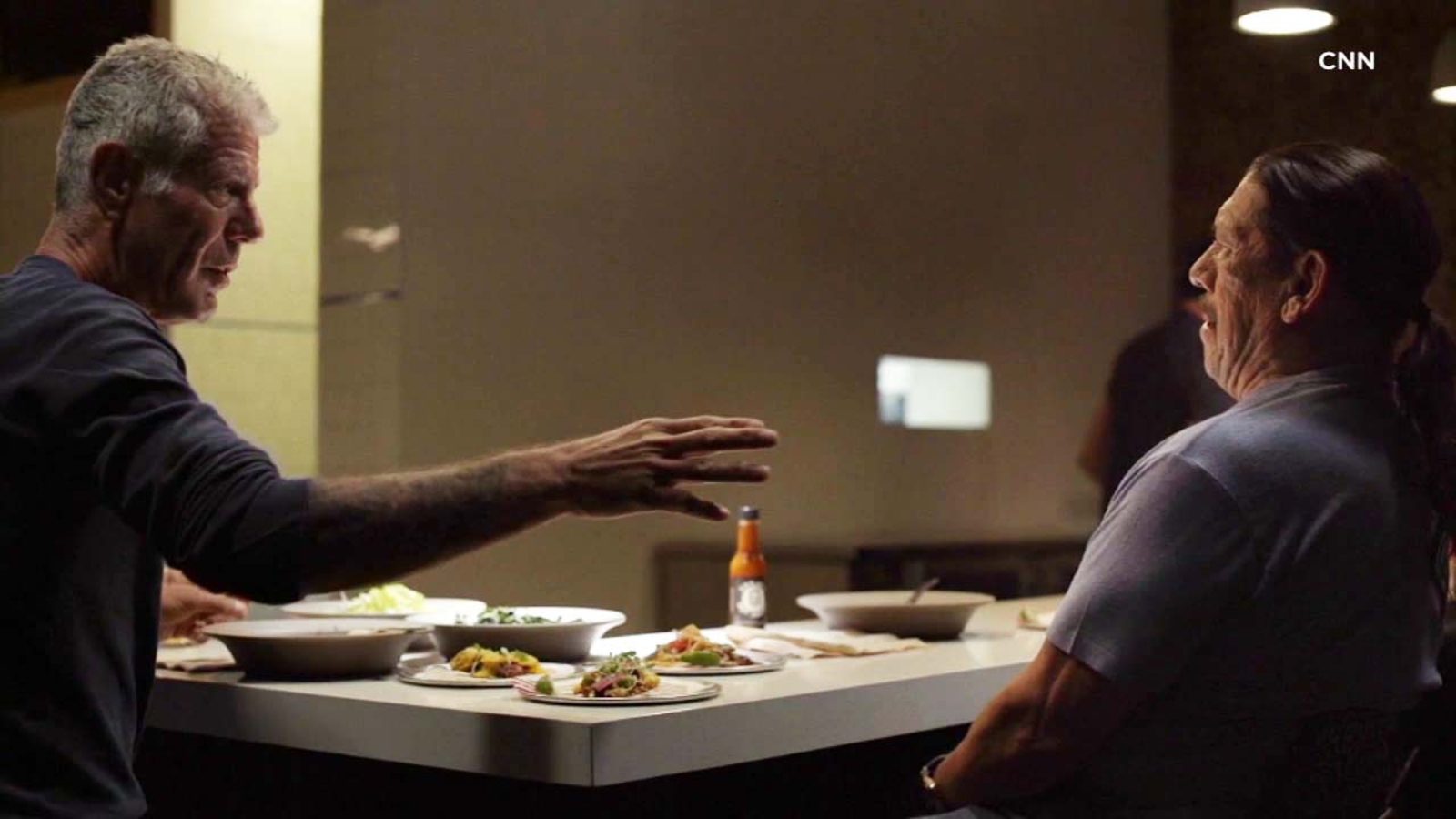
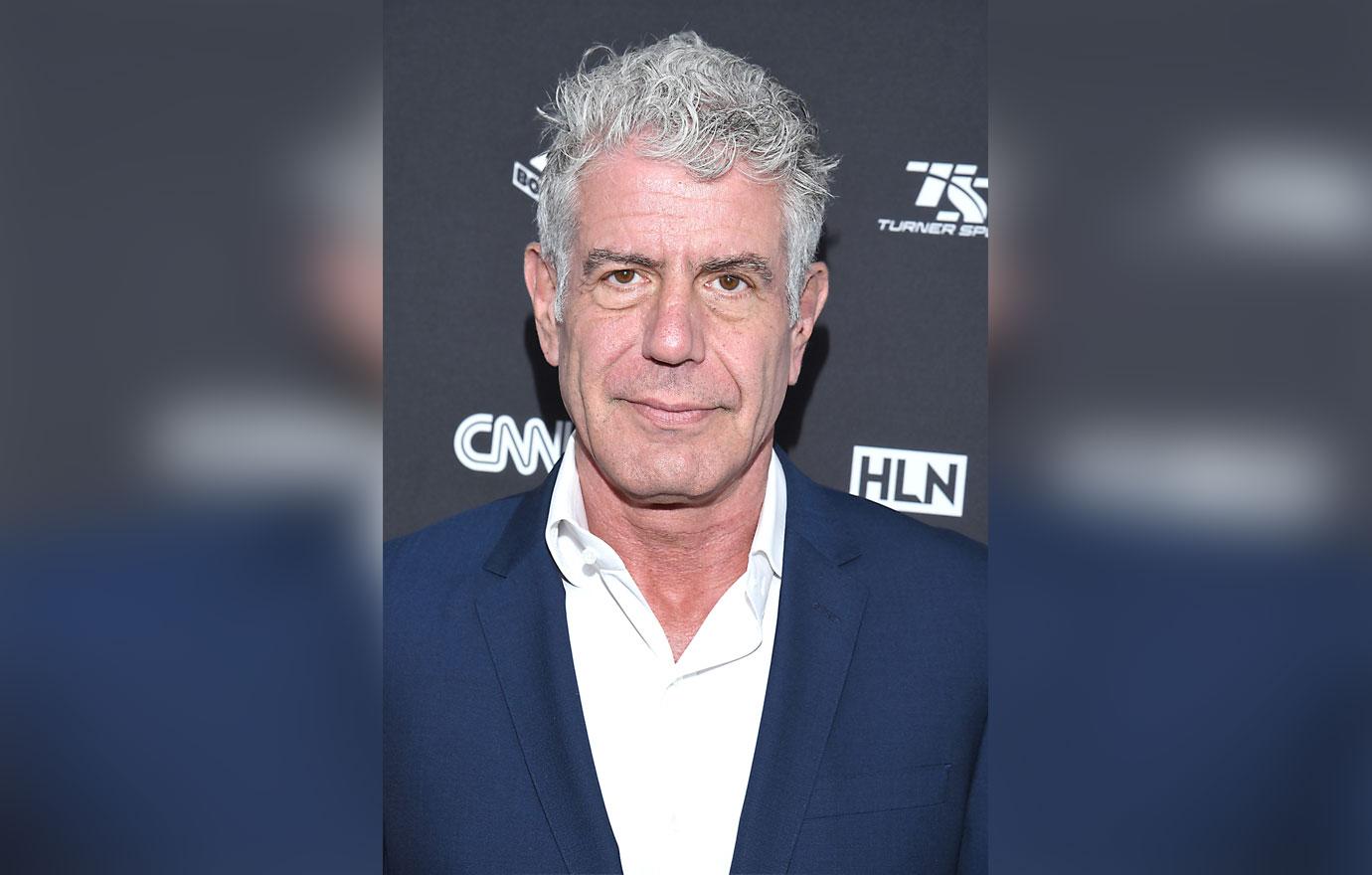
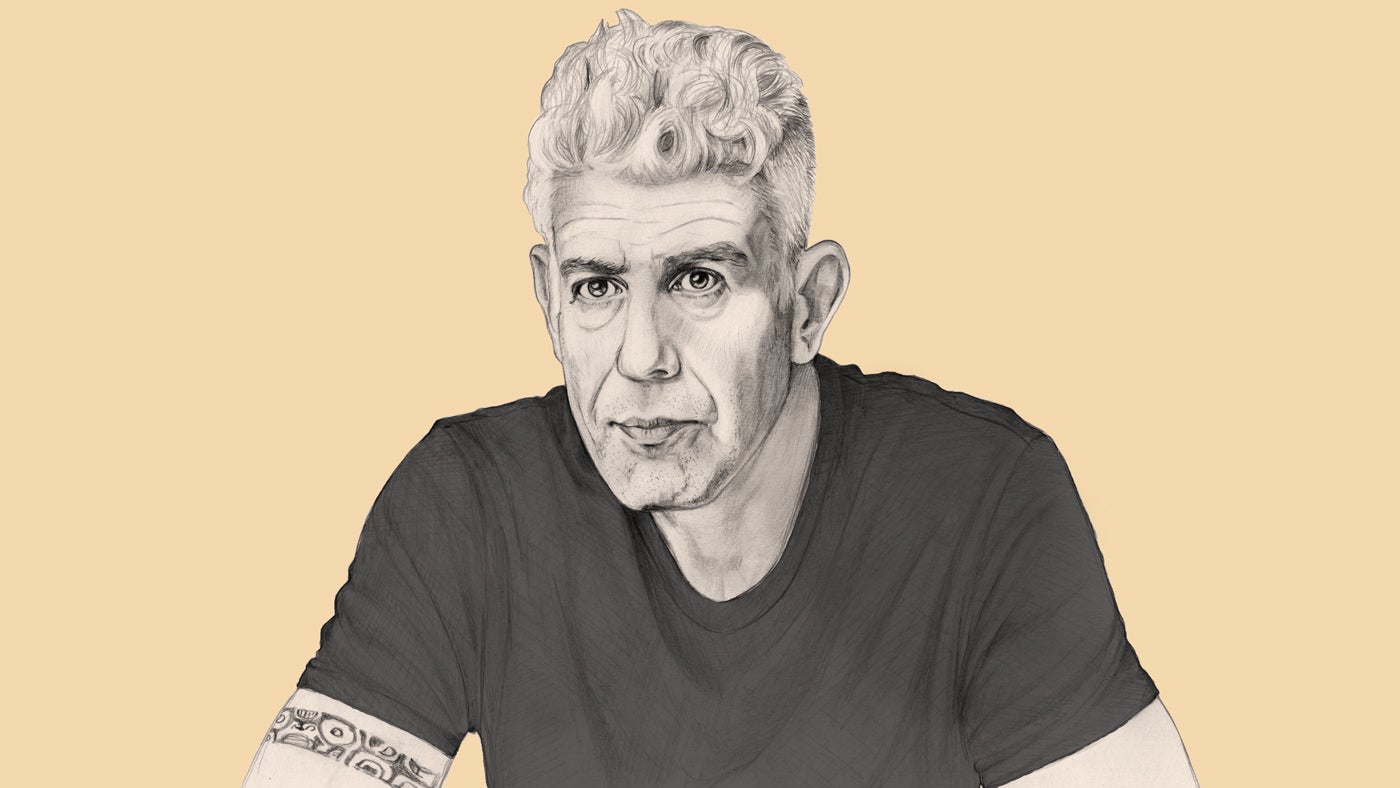
Anthony Bourdain’s history with drug addiction was a defining element of his public identity, characterized by a brutal honesty that challenged the stigma surrounding substance abuse. During the 1980s, Bourdain struggled with a serious addiction to heroin and crack cocaine while working in the high-pressure kitchens of New York City. His eventual recovery and subsequent openness about these "lost years" provided a raw, unfiltered look at the intersection of culinary culture and the dark realities of addiction.
The Crucible of the 1980s New York Kitchen
To understand Anthony Bourdain’s drug past, one must first understand the environment that fostered it. In the late 1970s and throughout the 1980s, the professional kitchen was an unregulated, fringe world populated by "misfits and dreamers," as Bourdain often described them. New York City, particularly the Lower East Side, was the epicenter of a heroin epidemic that bled directly into the service industry.
Bourdain entered this world after graduating from the Culinary Institute of America (CIA) in 1978. While his education was formal, his practical training occurred in kitchens where the "pirate ship" mentality prevailed. In this subculture, long hours, intense heat, and physical exhaustion were often mitigated by substances. Bourdain’s descent into heavy drug use was not an anomaly in his peer group; rather, it was a reflection of a systemic culture where drugs were as much a part of the inventory as the produce.
His addiction was not limited to "party drugs." It progressed rapidly to intravenous heroin use. He famously recounted stories of selling his record collection and even his clothes to fund his habit. The duality of his life—maintaining a level of professional competence as a chef while navigating the dangerous street-level realities of 1980s drug procurement—became the foundation for his later literary works.
A Timeline of Substance Use and Professional Transition
The following table outlines the key phases of Bourdain’s life regarding his substance use and his subsequent shift toward recovery and writing.
| Period | Phase | Key Details |
|---|---|---|
| Late 1970s | Early Exposure | Introduction to cannabis and cocaine while working summer jobs in Provincetown. |
| 1980 – 1987 | Hard Drug Use | Peak addiction to heroin and crack cocaine while working in various NYC kitchens. |
| 1988 – 1990 | The Turning Point | Initial attempts to quit; use of methadone to stabilize and eventually taper off. |
| 1990s | Professional Focus | Working as Executive Chef at Brasserie Les Halles; focused on sobriety from narcotics. |
| 2000 | Publication | Kitchen Confidential is released, detailing his drug use to a global audience. |
| 2000 – 2018 | Global Advocacy | Using his platform to discuss addiction, mental health, and the "High-Functioning" addict. |
The Mechanics of Addiction and Heroin Use
Bourdain’s experience with heroin was visceral and destructive. He often spoke about the "romance" of the drug—the way it appealed to his sense of being an outsider—only to be replaced by the crushing reality of physical dependency. In his writings, he detailed the rituals of the "junkie" lifestyle: the desperate search for a dealer, the immediate relief of the "hit," and the subsequent "dopesickness" that dictated every waking hour.
The 1980s in New York were particularly dangerous due to the varying purity of heroin and the lack of public health resources for addicts. Bourdain survived a period when many of his contemporaries did not, a fact he attributed to a combination of luck and a residual sense of professional pride that kept him showing up to work, however compromised he might have been.
One of the most significant aspects of his drug past was his use of crack cocaine. While heroin provided a sedative escape, crack offered a chaotic, manic energy that aligned with the frantic pace of a Saturday night dinner service. The combination of these substances created a volatile cycle of "upping" and "downing" that nearly cost him his life on several occasions.
The Role of Methadone in His Recovery
Bourdain was transparent about the fact that he did not achieve sobriety through a traditional 12-step program or a high-end rehabilitation facility. Instead, he utilized methadone maintenance therapy to break the cycle of heroin addiction. Methadone, a long-acting opioid agonist, is used to reduce cravings and withdrawal symptoms without producing the same high as heroin.
For Bourdain, methadone was a tool that allowed him to function while he slowly rebuilt his life. He often spoke about the "cold, clinical" nature of the methadone clinic, which stripped away the romanticized notions of drug use and replaced them with the reality of medical necessity. His transition away from hard drugs was a slow, agonizing process that lasted several years, rather than an overnight revelation. It is important to note that while he quit narcotics, he continued to consume alcohol throughout his life, a choice that remained a point of discussion among addiction specialists who advocate for total abstinence.
Kitchen Confidential and the Breaking of Silence
When Kitchen Confidential: Adventures in the Culinary Underbelly was published in 2000, it revolutionized the way the public viewed chefs. It also broke the industry's "omertà" (code of silence) regarding drug use. By detailing his history with heroin and crack, Bourdain didn't just tell his own story; he shone a light on a global labor force that was struggling with the same issues.
The book’s success was built on its lack of self-pity. Bourdain didn't present himself as a victim, but as a person who had made choices and lived through the consequences. This approach resonated with millions of people who felt alienated by more clinical or moralistic depictions of addiction. He demonstrated that one could have a "shameful" past and still build a meaningful, productive future.
However, the book also inadvertently glamorized the "bad boy" chef persona for a new generation. Bourdain later expressed regret that some readers took the wrong lessons from his work, viewing his drug use as a prerequisite for culinary greatness rather than a hurdle he was lucky to overcome. In his later years, specifically in his book Medium Raw, he challenged this glamorization, emphasizing the waste of talent and life that addiction truly represents.
The "High-Functioning" Addict and Mental Health
Bourdain often referred to himself as a "high-functioning" addict during the 80s—a term used to describe individuals who manage to fulfill professional and social obligations while maintaining a severe substance use disorder. This concept is dangerous because it often delays the individual from seeking help; if they are still working and paying bills, they may believe the addiction is "under control."
Through his shows No Reservations and Parts Unknown, Bourdain frequently visited locations hit hard by the opioid crisis, such as Massachusetts and West Virginia. In these episodes, he spoke as a peer rather than an outsider. He emphasized that addiction is not a moral failing but a "hole in the soul" that people try to fill with substances. His drug past gave him a unique level of empathy that made him one of the most effective communicators on the subject in modern media.
Despite his recovery from hard drugs, Bourdain remained vocal about his struggles with depression and "dark thoughts." His death by suicide in 2018 brought a tragic new dimension to the conversation about his past. It served as a reminder that the cessation of drug use is often only the first step in a lifelong journey of managing mental health.
The Impact on the Modern Culinary Industry
Bourdain’s legacy regarding his drug past has had a tangible impact on the hospitality industry. Prior to his transparency, substance abuse in kitchens was an open secret that was rarely addressed formally. Today, there is a growing movement toward "sober kitchens" and mental health support for restaurant workers, spurred in part by the conversations he started.
Organizations like CHOW (Culinary Hospitality Outreach and Wellness) and Ben’s Friends provide support groups specifically for food and beverage professionals. These groups acknowledge the unique triggers of the industry—the accessibility of alcohol, the late hours, and the high-stress environment—that Bourdain so vividly described.
FAQ: Understanding Bourdain’s History with Addiction
Did Anthony Bourdain ever go to rehab? No, Bourdain famously stated that he did not go to a traditional inpatient rehab facility. He quit heroin "cold turkey" in some respects but utilized methadone maintenance to manage his withdrawal and transition back into a stable life. He often credited a shift in his mindset and a desperate desire for a different life as his primary motivators.
What drugs did Anthony Bourdain use? Bourdain was most vocal about his addiction to heroin and crack cocaine. He also mentioned using cannabis, LSD, psilocybin mushrooms, and various amphetamines during his youth and his early years in the culinary industry.
Was Anthony Bourdain sober at the time of his death? Bourdain was sober from narcotics (heroin and crack) for several decades. However, he was not "sober" in the sense of total abstinence, as he continued to drink alcohol and occasionally used cannabis where it was legal. This approach is sometimes referred to as "harm reduction" or "California sober," though Bourdain didn't necessarily use those labels for himself.
How did his drug past affect his career? Initially, it hampered his career, leading to periods of financial instability and job hopping. However, in the long term, his drug past became the catalyst for his writing career. The honesty regarding his addiction in Kitchen Confidential is what made the book a bestseller and launched his career as a television personality.
Did he believe the culinary industry caused his addiction? Bourdain generally viewed the industry as an accelerant rather than the root cause. He believed he had a certain "disposition" toward addiction, and the kitchen culture of the 1980s provided the perfect environment for that disposition to manifest. He often said that the kitchen was the only place that would have him when he was at his worst.
Practical Considerations for Those Facing Similar Struggles
If you or someone you know is navigating the challenges of substance abuse, particularly within the high-pressure environment of the service industry, there are resources available that reflect the honesty Bourdain championed.
- Seek Industry-Specific Support: Organizations like Ben’s Friends offer support groups specifically for chefs, bartenders, and servers. These groups understand the unique pressures of the "back of house" life.
- Utilize Public Health Resources: The Substance Abuse and Mental Health Services Administration (SAMHSA) provides a national helpline (1-800-662-HELP) for confidential, free, 24/7 information and treatment referral.
- Acknowledge the Mental Health Component: Substance use is often a symptom of underlying issues. Consulting with a mental health professional who specializes in addiction can help address the "why" behind the "what."
- Practice Harm Reduction: If total abstinence feels impossible, look into harm reduction strategies. Like Bourdain’s use of methadone, these are valid medical paths toward stabilizing one’s life.
Anthony Bourdain’s journey from the heroin-heavy kitchens of the 80s to global stardom was not a straight line. It was a messy, difficult, and profoundly human struggle. By refusing to hide his drug past, he gave others permission to acknowledge their own, fundamentally changing the culture of the culinary world and the public's understanding of recovery.