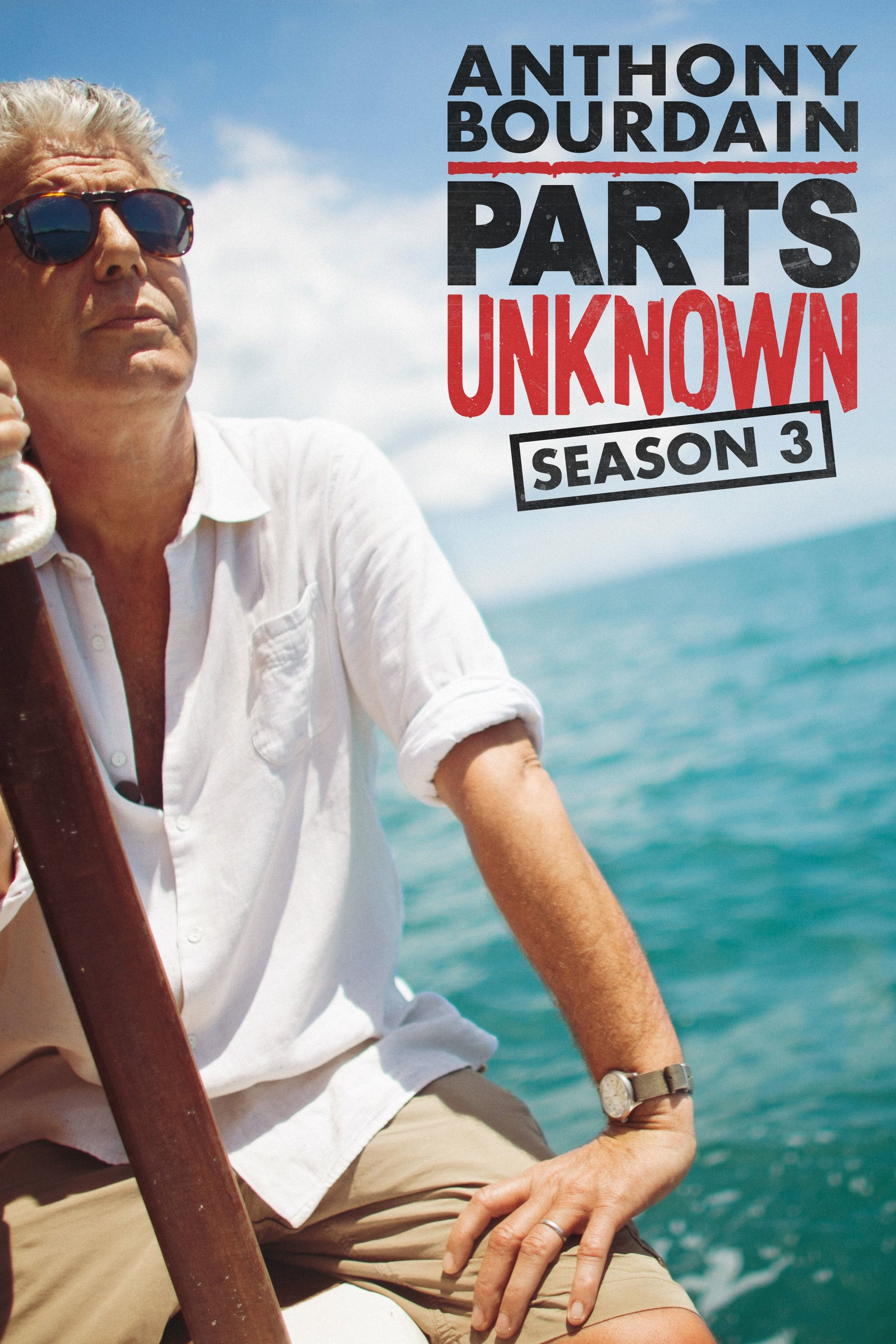
The Hong Kong episode of Anthony Bourdain: Parts Unknown (Season 11, Episode 5) is widely regarded as one of the most visually stunning and emotionally resonant entries in the series' history. Premiering in June 2018, just days before Bourdain’s passing, the episode serves as a cinematic love letter to a city in flux, directed and photographed by the legendary cinematographer Christopher Doyle. It explores the intersection of Hong Kong’s colonial past, its precarious political future, and its enduring culinary heritage through a lens of neon-soaked nostalgia and gritty realism.
The Intersection of Film and Food: The Christopher Doyle Influence
What distinguishes the Parts Unknown Hong Kong episode from any other travel documentary is the involvement of Christopher Doyle. Doyle is best known for his work with director Wong Kar-wai on films like In the Mood for Love and Chungking Express. His signature style—handheld camera movements, blurred motion, and a hyper-saturated color palette of greens, reds, and blues—defines the visual language of this episode.
Bourdain, a lifelong cinephile, wanted this episode to look and feel like a Hong Kong movie. By collaborating with Doyle, the production moved away from the standard "food host at a table" format. Instead, the camera wanders through crowded markets and cramped apartments like a voyeur. This technical choice serves a narrative purpose: it captures the claustrophobia and kinetic energy of one of the world's most densely populated urban centers.
For viewers, the technical depth of the cinematography provides a layer of subtext. The frequent use of Dutch angles and low-light filming highlights the "noir" elements of Hong Kong. It reflects the internal state of a city that feels it is losing its identity. By 2026, looking back at this footage, the episode acts as a time capsule of a specific aesthetic that defined the city’s international image for decades.
Key Culinary Locations and Their 2026 Status
While the episode is an artistic triumph, it remains at its core a guide to the soul of Hong Kong through its food. Bourdain avoided the Michelin-starred heights of the city’s luxury hotels, choosing instead to highlight the "dai pai dongs" (open-air food stalls) and the communal "cooked food centers" that represent the city’s working-class heart.
Tung Po Kitchen (Java Road Cooked Food Centre)
One of the most famous segments features Bourdain and Doyle dining at Tung Po Kitchen. Known for its raucous atmosphere, beer served in "fighting bowls," and the Michael Jackson-dancing owner Robby Cheung, it epitomized the "old school" Hong Kong spirit.
- Significance: It demonstrated the "Work Hard, Play Hard" ethos of the city.
- Current Status (2026): After facing closure at its original North Point location in 2022 due to licensing issues, Tung Po successfully relocated to Wan Chai. As of 2026, it remains a pilgrimage site for fans of the show, though the atmosphere is slightly more polished than the grit captured in 2018.
The Graham Street Market
Bourdain walked through the Graham Street Market, one of the oldest wet markets in the city. He used this location to discuss the rapid gentrification and the "Manhattanization" of Central Hong Kong.
- Significance: It serves as a visual metaphor for the disappearance of traditional life.
- Current Status (2026): Much of the surrounding area has been redeveloped into high-rise residential and commercial towers. While parts of the market persist, the "old Hong Kong" charm Bourdain sought to document is increasingly rare.
Tea and Chaos at Lin Heung Tea House
The episode captured the traditional, somewhat aggressive ritual of dim sum at Lin Heung Tea House, where diners must fight for carts of steaming baskets.
- Significance: This represents the "yum cha" culture in its most authentic, un-sanitized form.
- Current Status (2026): After several "final" closures and reopenings, the institution survives in various forms, though the original 100-year-old style has been largely digitized or modernized to accommodate tourists.
Historical and Political Context: A City in Transition
To understand the Hong Kong episode, one must understand the political climate during its filming. The episode was shot a few years after the 2014 "Umbrella Movement" and before the massive 2019 protests. Bourdain spends significant time talking to local activists, artists, and journalists about the "One Country, Two Systems" policy and the anxiety surrounding the 2047 expiration of Hong Kong's semi-autonomous status.
The dialogue in the episode is remarkably prescient. Bourdain asks his guests about the feeling of being "in between"—no longer a British colony, but not yet fully integrated into mainland China. This tension is reflected in the food: a mix of traditional Cantonese techniques, British influences (like milk tea and macaroni soup), and modern global fusion.
In 2026, these segments are often viewed through a bittersweet lens. Many of the legal and social structures discussed in the episode have since been overhauled. For the modern traveler or student of history, this episode provides essential context for why Hong Kong’s identity is so fiercely defended by its residents.
Comparing "No Reservations" (2007) and "Parts Unknown" (2018)
Bourdain visited Hong Kong multiple times throughout his career. Comparing his first major visit in No Reservations to the Parts Unknown finale provides a fascinating look at his evolution as a storyteller.
| Feature | No Reservations (Season 3) | Parts Unknown (Season 11) |
|---|---|---|
| Primary Focus | Exploration of classic Cantonese cuisine. | Cinematography, identity, and political tension. |
| Visual Style | Standard travel documentary (ENG style). | Cinematic, noir, heavily stylized (Doyle). |
| Key Companion | Local food guides and chefs. | Christopher Doyle and local activists. |
| Narrative Tone | Enthusiastic and curious explorer. | Reflective, slightly melancholic, and analytical. |
| Iconic Food | Roast goose and street noodles. | "Fighting bowls" of beer and market seafood. |
The 2007 episode was about the discovery of Hong Kong. The 2018 episode was about the memory of Hong Kong. By Season 11, Bourdain was less interested in the recipe for a perfect shrimp dumpling and more interested in why that dumpling mattered to a society facing an existential crisis.
Essential Logistics for the Bourdain-Inspired Traveler in 2026
If you are planning to follow in Bourdain’s footsteps in 2026, there are several logistical considerations to keep in mind. Hong Kong has changed significantly in terms of infrastructure and digital integration.
- Transport: The MTR (subway) remains the most efficient way to reach locations like North Point or Central. However, the Star Ferry—which Bourdain is seen riding—is still the most atmospheric and affordable way to cross Victoria Harbour.
- Payments: While the shops Bourdain visited were once "cash only," almost all now accept Octopus cards, AliPay, or WeChat Pay. Even small dai pai dongs in 2026 are largely cashless.
- Dining Etiquette: In the episode, Bourdain is seen sharing large communal tables. This practice (known as daap toi) is still standard in busy eateries. Be prepared to sit with strangers and expect fast, no-nonsense service.
- Language: While English remains an official language, the use of Mandarin has increased. However, in the traditional eateries shown in Parts Unknown, Cantonese remains the dominant language and the heart of the culinary culture.
The Production Behind the Scenes
The making of the Hong Kong episode was a logistical challenge for the Zero Point Zero production team. Filming with Christopher Doyle meant moving away from the "invisible" crew approach. Doyle himself became a character in the episode, often seen on camera or heard interacting with Bourdain.
The production utilized "available light" as much as possible to maintain the authenticity of Hong Kong’s neon-lit streets. This required high-end sensors capable of capturing detail in the shadows of the city’s narrow alleys. The sound design also played a crucial role, layering the ambient noise of clashing woks, street traffic, and Cantonese chatter to create an immersive "wall of sound."
This episode was one of the few where the director was given almost total creative control over the visual output, which is why it feels more like a short film than a television segment. It pushed the boundaries of what "travel media" could be, proving that the medium could handle complex themes of loss and political uncertainty.
Frequently Asked Questions
Which episode of Parts Unknown is Hong Kong?
It is Season 11, Episode 5. It originally aired on June 3, 2018. It is notable for being one of the final episodes to air before Anthony Bourdain's death and for its unique collaboration with cinematographer Christopher Doyle.
Where did Anthony Bourdain eat in the Hong Kong Parts Unknown episode?
The most prominent locations include Tung Po Kitchen (for "fighting bowl" beer and seafood), the Graham Street Market (for fresh produce and street life), and several traditional Dai Pai Dongs in the Sham Shui Po and Central districts. He also explored the tea culture at Lin Heung Tea House.
Is Tung Po Kitchen still open in 2026?
Yes, but not at its original location in the Java Road Cooked Food Centre. After a high-profile closure in 2022, it successfully reopened in Wan Chai. It continues to serve its signature dishes, including the Wind Sand Chicken and Deep-fried Squid with Ink.
Why is the cinematography different in this episode?
Bourdain collaborated with Christopher Doyle, the cinematographer famous for his work with Wong Kar-wai. Doyle used handheld cameras, unconventional angles, and a specific color palette to mimic the look of classic Hong Kong cinema, making it the most stylized episode in the series.
Can I still find the "Old Hong Kong" Bourdain described?
While gentrification and political changes have altered the landscape, the "Old Hong Kong" can still be found in districts like Sham Shui Po and Kowloon City. However, the open-air wet markets and street stalls Bourdain championed are facing increasing regulatory pressure and are fewer in number in 2026 than they were in 2018.
Practical Recommendation for Fans
To truly experience the spirit of the Parts Unknown Hong Kong episode in 2026, do not just visit the specific restaurants mentioned. Instead, adopt Bourdain’s philosophy of "accidental discovery."
Take the Star Ferry at dusk to see the skyline ignite, then head to the cooked food centers in districts like Mong Kok or Sheung Wan. Order something you don't recognize, drink a beer from a bowl, and engage with the locals. The episode was never just about the food; it was about the resilience and unique identity of the people of Hong Kong. By looking past the shopping malls and into the crowded, steaming back alleys, you find the city that Bourdain so deeply admired.