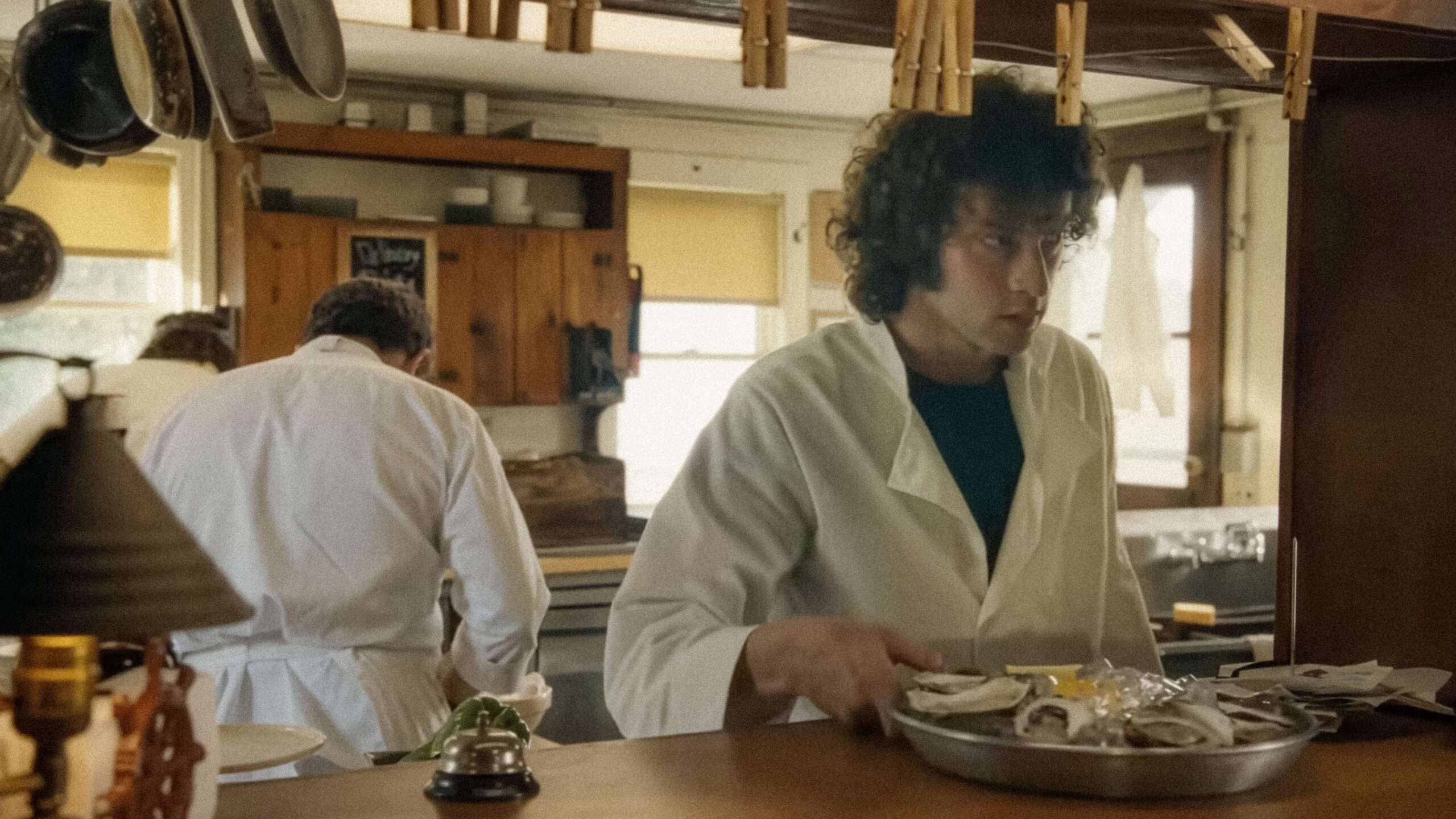
The Anthony Bourdain story follows the transformation of a weary New York executive chef into a world-renowned storyteller and cultural diplomat. Through his raw, honest prose and cinematic television series, Bourdain redefined food journalism by using the dinner table as a gateway to explore human history, politics, and shared identity.
The narrative of Anthony Bourdain is not merely a chronicle of a celebrity chef; it is a profound study of redemption, curiosity, and the power of storytelling. From the sweltering, drug-fueled kitchens of 1970s Manhattan to the most remote corners of the globe, Bourdain’s journey challenged the conventions of the "foodie" culture and replaced them with a gritty, empathetic realism. As we reflect on his life in 2026, his influence remains a cornerstone for travelers, writers, and cooks who seek the "true" version of a place rather than the curated tourist experience.
The Formative Years: The Making of a "Kitchen Pirate"
Anthony Bourdain was born in 1956 in New York City and raised in Leonia, New Jersey. His fascination with food was famously sparked during a childhood family vacation to France, where he ate his first oyster on a fisherman’s boat. This moment served as the catalyst for a lifelong obsession with the sensory and cultural weight of what we eat. However, the path to global stardom was anything but direct.
After dropping out of Vassar College, Bourdain attended the Culinary Institute of America (CIA), graduating in 1978. The decades that followed were characterized by the grueling, unglamorous reality of the restaurant industry. He worked his way through the ranks of New York City’s culinary scene, experiencing the highs of creative control and the lows of burnout and substance abuse. This period, often referred to as his "pirate" era, informed the cynical yet deeply romantic perspective he would later share with the world.
During the 1990s, Bourdain served as the executive chef at Brasserie Les Halles, a classic French bistro in Manhattan. It was here, while managing the chaos of a high-volume kitchen, that he began to document the subculture of the professional line cook. He wrote about the "mercenaries" of the kitchen—the immigrants, the outcasts, and the addicts who kept the city fed while the world looked the other way.
The Turning Point: Kitchen Confidential and the Birth of a Writer
The trajectory of the Anthony Bourdain story changed forever in 1999 when The New Yorker published his essay, "Don't Eat Before Reading This." The piece offered a scandalous, behind-the-scenes look at the restaurant industry, famously warning diners never to order fish on Mondays or well-done steak. The overwhelming response to the article led to the publication of his memoir, Kitchen Confidential: Adventures in the Culinary Underbelly, in 2000.
Kitchen Confidential was a literary phenomenon. Bourdain’s voice was unlike anything the culinary world had heard: it was punchy, noir-inspired, and unapologetically honest. He didn’t focus on recipes or plating techniques; instead, he focused on the character of the kitchen. He elevated the line cook to the status of a folk hero, emphasizing the discipline, loyalty, and sheer physical endurance required to survive the "industry."
The book’s success offered Bourdain an "escape hatch" from the kitchen. At age 44, a time when many professional chefs face physical decline, Bourdain began a second career as a writer and television presenter. This transition was the beginning of his transformation from a New York chef to a global icon.
The Television Evolution: From A Cook’s Tour to Parts Unknown
Bourdain’s transition to television began with A Cook’s Tour on the Food Network, but it was his move to the Travel Channel with No Reservations that allowed his storytelling to mature. In the early 2000s, food television was largely instructional or competitive. Bourdain broke this mold by focusing on the context of the meal. He was less interested in the ingredients of a dish than in why people were eating it and what their history said about their future.
As his career progressed, the "Anthony Bourdain story" became increasingly political and sociological. This shift was most evident in his final and perhaps most influential series, CNN’s Anthony Bourdain: Parts Unknown.
The Impact of Parts Unknown
In Parts Unknown, Bourdain utilized a cinematic approach to documentary filmmaking. He didn't just visit major capitals; he went to places the Western media often ignored or misunderstood, such as West Virginia, the Gaza Strip, Libya, and Myanmar.
- Humanizing the "Other": By sitting down and sharing a meal with people in conflict zones or marginalized communities, Bourdain stripped away political labels. He showed that regardless of borders, people share the same fundamental desires: to provide for their families and to take pride in their heritage.
- The Obama Interview: One of the most iconic moments in television history occurred in 2016, when Bourdain shared a $6 meal of bún chả and cold beers with President Barack Obama in Hanoi, Vietnam. The scene perfectly encapsulated Bourdain’s philosophy: that the most important conversations happen over low plastic stools and simple food.
- Advocacy for the Underdog: Throughout his travels, Bourdain remained a staunch advocate for the invisible workers of the world. He frequently highlighted the contributions of Mexican and Central American migrants to the American restaurant industry, calling them the "backbone" of the culinary world.
The Philosophy of "Mise en Place" and Global Citizenship
Central to understanding the Anthony Bourdain story is the concept of mise en place—a culinary term meaning "everything in its place." For Bourdain, this was not just a kitchen requirement but a philosophy for life. It represented the order, preparation, and respect for one's craft that allowed for creative freedom.
However, Bourdain’s greatest contribution was his promotion of "cultural mise en place." He encouraged his audience to travel with humility. He famously loathed the "tourist" mindset—the desire to see things comfortably and safely from a distance. Instead, he championed the "traveler" mindset: the willingness to be uncomfortable, to get lost, and to eat things that might seem strange.
He believed that by exposing ourselves to different cultures, we become more empathetic and less susceptible to the fear of the unknown. This brand of global citizenship was his primary message until his untimely death in 2018.
Key Milestones in the Anthony Bourdain Story
The following table summarizes the pivotal moments and works that defined Bourdain's career and lasting influence.
| Year | Milestone / Work | Significance |
|---|---|---|
| 1978 | Graduated from the CIA | Formal entry into the professional culinary world. |
| 1998 | Executive Chef at Les Halles | The setting that inspired his most famous writings. |
| 1999 | "Don't Eat Before Reading This" | The New Yorker article that launched his literary career. |
| 2000 | Kitchen Confidential | Best-selling memoir that redefined the "chef" archetype. |
| 2005 | No Reservations Premiere | Shifted food television toward cultural documentary. |
| 2013 | Parts Unknown Premiere | Won multiple Emmys and a Peabody Award for journalism. |
| 2016 | Dinner with Barack Obama | A cultural landmark demonstrating the power of "street food diplomacy." |
| 2018 | Final Season / Death | Marked the end of an era in travel and food media. |
| 2021 | Roadrunner Documentary | A retrospective film examining his complex life and legacy. |
The Enduring Legacy in 2026
Eight years after his passing, the Anthony Bourdain story continues to resonate. In 2026, his influence is seen in the way modern travel content is produced. The "Bourdain Effect" has led to a permanent shift away from glossy, superficial travelogues toward more authentic, long-form storytelling.
His estate, along with former colleagues, has ensured that his voice remains accessible through posthumous publications like World Travel: An Irreverent Guide. Moreover, the scholarship funds established in his name at the Culinary Institute of America continue to support aspiring chefs who share his passion for global exploration.
His legacy is also felt in the ongoing conversations regarding mental health within the hospitality industry. Bourdain’s death by suicide in June 2018 sparked a global dialogue about the pressures of the culinary profession and the importance of supporting those who work in the high-stress environments he once called home.
Frequently Asked Questions
What was Anthony Bourdain's most famous book?
While he wrote several novels and cookbooks, Kitchen Confidential: Adventures in the Culinary Underbelly (2000) remains his most famous and influential work. It is credited with bringing the "behind-the-scenes" reality of professional kitchens to the mainstream public and established Bourdain as a major literary voice.
Why was Anthony Bourdain so influential in travel?
Bourdain was influential because he rejected the traditional "tourist" approach to travel. He didn't focus on luxury resorts or famous landmarks; instead, he sought out local experiences, street food, and honest conversations with ordinary people. He used food as a bridge to discuss complex topics like war, poverty, and cultural identity, making travel journalism more meaningful and empathetic.
Where was Anthony Bourdain's favorite place to visit?
Bourdain frequently cited Vietnam as one of his favorite places on Earth. He felt a deep connection to its history, its people, and its vibrant street food culture. He often remarked that his first trip to Vietnam was life-changing, and he returned to the country many times throughout his various television series.
How did the Anthony Bourdain story end?
Anthony Bourdain died by suicide on June 8, 2018, in Kaysersberg, France, while filming an episode of Parts Unknown. His death resulted in a massive outpouring of grief from around the world, highlighting the deep personal connection he had built with his audience through his vulnerability and honesty.
What is the "Bourdain Effect" in food journalism?
The "Bourdain Effect" refers to the trend of food writers and television hosts prioritizing cultural and political context over mere taste or technique. It describes a shift toward "adventure eating" and a focus on the stories of the people behind the food, rather than just the food itself.
Practical Recommendations for Following the Bourdain Path
For those inspired by the Anthony Bourdain story, the best way to honor his legacy is through mindful travel and authentic engagement with the world.
- Eat Locally and Humbly: Avoid international chains when traveling. Seek out "mom and pop" establishments and street stalls where the locals eat. These are often the places where the true heart of a culture resides.
- Practice Vulnerability: Be willing to try things that make you uncomfortable, whether it is a dish you can't identify or a conversation with someone whose life is vastly different from your own.
- Read Widely: Bourdain was a voracious reader. To understand the world as he did, look beyond food blogs. Read the history, fiction, and journalism of the places you plan to visit to gain a deeper appreciation for their context.
- Prioritize the Story: Whether you are a professional creator or just sharing photos with friends, focus on the "why" behind the experience. What did you learn about the people? What surprised you?
The Anthony Bourdain story serves as a reminder that the world is a vast, complicated, and beautiful place, and that the best way to understand it is to show up, keep an open mind, and pull up a chair.