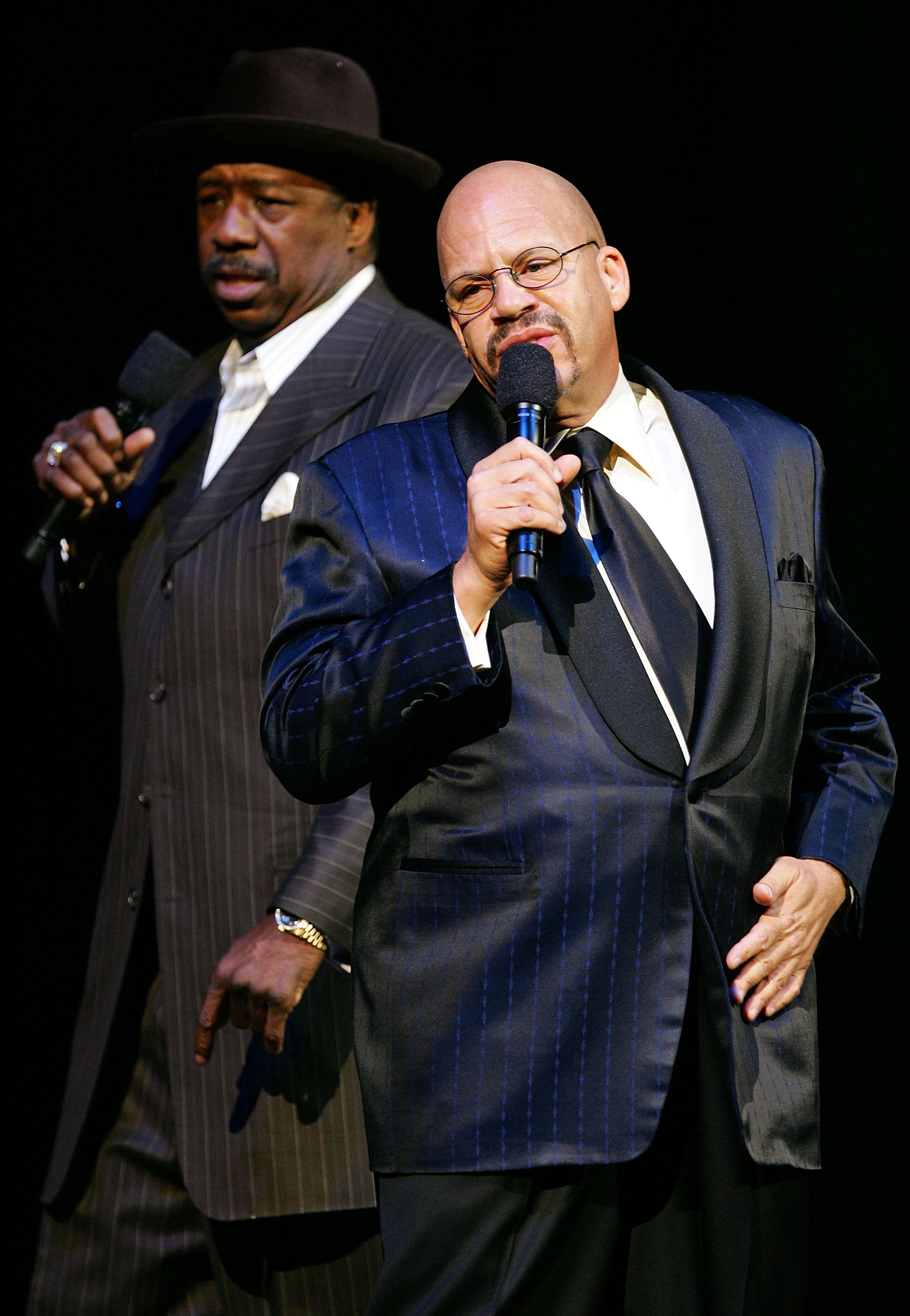
As of 2026, the estimated net worth of Anthony Brown—the Grammy-nominated Gospel artist, songwriter, and leader of "group Therapy"—is approximately $3 million to $5 million. This valuation is derived from his extensive catalog of hits, including the record-breaking single "Worth," consistent touring schedules, music production ventures, and his role as a prominent figure in the contemporary Gospel and worship industry.
Disambiguating the "Anthony Brown" Identity
Before exploring the financial intricacies of Anthony Brown’s career, it is essential to distinguish the Gospel artist from other prominent figures sharing the same name. In the public sphere, three other individuals often appear in search queries, each with distinct financial profiles:
- Anthony Brown (Professional Football): An NFL cornerback known for his long tenure with the Dallas Cowboys. His net worth is largely tied to multi-year athletic contracts and performance bonuses.
- Anthony Brown (Professional Basketball): A swingman who has played in the NBA and various international leagues. His wealth is primarily based on professional sports salaries and endorsements.
- Anthony G. Brown (Political Figure): The Attorney General of Maryland and former Lieutenant Governor. His financial profile is consistent with high-level public service and legal practice.
This analysis focuses exclusively on the Anthony Brown of Anthony Brown & group Therapy, whose financial success is built upon the music industry, intellectual property, and ministry-related engagements.
The Financial Foundation: Early Career and Education
Anthony Brown’s path to a multi-million dollar net worth began not in a corporate office, but in the creative hubs of Baltimore, Maryland. A graduate of Morgan State University, Brown was a member of the world-renowned Morgan State University Choir. This educational background provided the technical foundation for his future as an arranger and producer.
His early career involved significant work "behind the curtain." Before becoming a household name in Gospel music, Brown served as an assistant minister of music at First Baptist Church of Glenarden. In the religious sector, such roles often provide a stable base salary, but for Brown, it served as a networking platform. His early earnings were supplemented by providing backing vocals and vocal arrangements for established artists, a common entry point for music industry professionals that allows for the accumulation of early-career capital without the overhead of personal branding.
Revenue Streams: How a Gospel Star Builds Wealth in 2026
By 2026, the landscape of music monetization has shifted heavily toward a diversified model. Anthony Brown’s wealth is not dependent on a single source but is distributed across several high-performing verticals.
Streaming and Digital Catalog Performance
The shift from physical sales to digital streaming initially challenged the Gospel genre, but veteran artists like Brown have adapted. His catalog, particularly hits like "Worth," "Bless the Lord," and "Trust in You," generates substantial monthly listeners across platforms like Spotify, Apple Music, and Amazon Music.
Unlike pop music, which often sees sharp declines in listenership after a few months, "Worship" and "Gospel" tracks function as "evergreen assets." They are frequently added to church service playlists and personal devotionals, ensuring a steady stream of micro-royalties. For an artist of Brown's caliber, streaming revenue from a decade-old hit can still provide a six-figure annual contribution to his overall net worth.
Songwriting and Publishing (The "Worth" Legacy)
The most lucrative aspect of Anthony Brown’s portfolio is his intellectual property. As a songwriter and producer, he retains significant publishing rights. His song "Worth" spent a record-breaking 26 weeks at number one on the Billboard Gospel Airplay chart.
In the music business, the songwriter earns royalties every time the song is played on the radio, streamed, or performed by others. Furthermore, Gospel music has a unique revenue stream known as CCLI (Christian Copyright Licensing International). When churches across the globe print his lyrics or perform his arrangements during services, licensing fees are collected and distributed. Given the global popularity of his arrangements, these "church performance" royalties constitute a significant portion of his passive income.
Live Performances and Global Touring
In 2026, live performances remain the primary driver of liquid cash flow for musicians. Anthony Brown & group Therapy are known for high-energy, technically complex shows that command premium appearance fees.
His revenue in this sector comes from:
- Ticketed Tours: Multi-city tours where revenue is split with promoters.
- Conference Headlining: Major religious conventions and leadership summits often pay flat fees ranging from $20,000 to $75,000 per appearance for top-tier Gospel talent.
- International Bookings: The Gospel market in Africa and Europe has grown substantially, allowing artists like Brown to command higher fees for international dates which often include travel and production buyouts.
Business Ventures and Production Credits
Beyond his own performances, Brown operates as a businessman through his production company, Key of A Music Group, and his long-standing partnership with Tyscot Records.
By producing for other artists, Brown earns production fees and a percentage of the backend royalties. This diversification protects his net worth from the volatility of his own release cycles. If he chooses not to release an album in a given year, his income remains stable through the success of the artists he mentors and produces.
Additionally, Brown has ventured into fashion and lifestyle branding. While these are secondary to his music income, his public image as a "fashion-forward" Gospel artist has led to collaborations and brand ambassador roles that add to his annual earnings.
Real Estate and Private Assets
While Anthony Brown maintains a level of privacy regarding his personal holdings, public records and industry insights indicate a lifestyle consistent with his multi-millionaire status. His primary residence in the Maryland/Washington D.C. metropolitan area is a significant asset. The D.C. real estate market is one of the most stable in the United States, and property ownership in this region serves as a powerful hedge against inflation.
Asset management for an artist of his profile typically includes:
- Residential Real Estate: High-value property in the Maryland suburbs.
- Studio Equipment: Ownership of a high-end recording studio, which serves as both a tool for his work and a depreciable business asset for tax purposes.
- Investment Portfolio: Standard wealth management involving diversified stocks and bonds, managed by professional financial advisors to ensure long-term wealth preservation beyond his performing years.
Comparative Analysis of Gospel Industry Earnings
To understand where Anthony Brown stands financially, it is helpful to compare the typical earnings structure of the Gospel music industry as of 2026.
| Revenue Category | Industry Average (Mid-Tier) | Anthony Brown (Top-Tier) | Financial Impact |
|---|---|---|---|
| Performance Fee | $5,000 - $15,000 | $30,000 - $60,000+ | Primary liquidity source. |
| Streaming (Annual) | $10,000 - $40,000 | $150,000 - $350,000 | Passive recurring income. |
| Publishing/CCLI | Low (if not a writer) | High (Owner/Writer) | Long-term wealth builder. |
| Endorsements | Minimal | Moderate/Strategic | Supplementary income. |
| Production Fees | $2,000/track | $10,000+/track | Business-to-business revenue. |
Philanthropy and Community Investment
Net worth is often measured by what is kept, but for figures in the religious sector, financial standing is also defined by philanthropic output. Anthony Brown has been consistently involved in community initiatives in Baltimore and the broader D.C. area.
While charitable donations are tax-deductible, they require a high level of liquid capital. Brown’s ability to fund scholarships, support local church programs, and participate in global relief efforts is a testament to the health of his financial estate. These actions also bolster his brand equity, which indirectly supports his career longevity and, by extension, his net worth.
Factors Influencing Future Growth
As we look toward the remainder of the 2020s, several factors will influence whether Anthony Brown’s net worth continues its upward trajectory:
- Catalog Acquisition: In 2026, the trend of artists selling their music catalogs for large lump sums remains popular. Should Brown decide to sell the rights to his hit "Worth" and other tracks, his net worth could see an immediate eight-figure surge.
- Digital Innovation: Exploration into AI-driven music tools or specialized fan-engagement platforms could provide new revenue streams.
- Expansion into Media: Transitioning into television hosting or film scoring (similar to peers like Kirk Franklin or Erica Campbell) would significantly increase his earning potential outside of the traditional music loop.
Frequently Asked Questions (FAQs)
What is the primary source of Anthony Brown's wealth?
The primary source of Anthony Brown's wealth is his career as a Gospel artist and songwriter. Specifically, the songwriting royalties from his hit single "Worth" and the performance fees from his group, "Anthony Brown & group Therapy," constitute the majority of his earnings. His role as a producer and his partnership with Tyscot Records also contribute significantly to his annual income.
How does his net worth compare to other Gospel artists?
Anthony Brown’s net worth of $3M - $5M places him in the upper echelon of modern Gospel artists. While he may not yet reach the $20M+ levels of legacy acts like Kirk Franklin or CeCe Winans, he is considered one of the most financially successful artists of the "modern era" (those who rose to prominence in the 2010s).
Does Anthony Brown own his master recordings?
Most artists of Brown's stature work through hybrid deals. While he may have shared ownership with his label, Tyscot Records, he likely retains a significant percentage of his publishing rights through his own entity, Key of A Music Group. Retaining publishing is often more financially beneficial in the long term than owning masters in the Gospel genre due to the high volume of cover performances and church usage.
Is he still active in the music industry in 2026?
Yes, as of 2026, Anthony Brown remains a dominant force in the industry. He continues to release new music, produce for emerging artists, and headline major Gospel festivals. His "veteran" status has allowed him to transition into more lucrative mentorship and production roles while maintaining a busy touring schedule.
How did the song "Worth" affect his financial status?
"Worth" was a financial "game-changer" for Brown. Beyond the initial sales and radio airplay, the song became a staple in worship services globally. This level of saturation ensures that he receives consistent royalty checks from CCLI and performance rights organizations (PROs) like BMI or ASCAP, providing a stable financial floor that few other artists achieve.
Does he have business interests outside of music?
While music is his core business, Anthony Brown has interests in fashion and media production. He has often been recognized for his stylistic choices, leading to minor ventures in apparel and branding. However, these remain secondary to his music-related assets and production company.
Final Practical Consideration
For those tracking the financial growth of figures in the Gospel industry, Anthony Brown serves as a prime example of how intellectual property and diversified income can build a sustainable multi-million dollar estate. His success suggests that the most viable path to wealth in the modern music landscape is not just through "fame," but through the strategic ownership of compositions and the professionalization of a performance ensemble. If you are an aspiring artist or investor, the lesson from Brown’s career is clear: focus on the "song" as a long-term asset, as it often provides a higher return on investment than the "singer" alone.