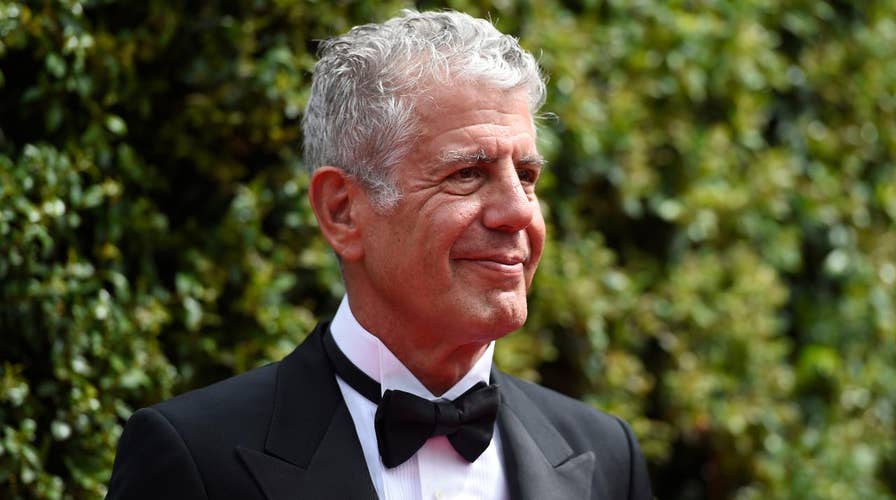
Anthony Bourdain, the influential chef, author, and television personality, died by suicide on June 8, 2018, in Kaysersberg, France. His death occurred while on location filming for his CNN series, Parts Unknown. It remains a pivotal moment in cultural history, sparking global conversations about mental health and depression.
The Circumstances in France (June 2018)
In early June 2018, Anthony Bourdain was in the Alsace region of France, working on an upcoming episode of his award-winning series, Parts Unknown. He was accompanied by his close friend and frequent collaborator, French chef Eric Ripert. The production was centered around the culinary traditions and local culture of the region, a task Bourdain had mastered over decades of travel.
On the morning of June 8, Bourdain failed to appear for a scheduled breakfast at Le Chambard, a luxury hotel in Kaysersberg-Vignoble where the crew was staying. Eric Ripert, concerned by his friend's absence, eventually discovered Bourdain unresponsive in his hotel room. The local prosecutor for Colmar, Christian de Rocquigny, confirmed shortly thereafter that the cause of death was suicide by hanging. There were no signs of foul play, and the investigation concluded that the act was a private, solitary decision.
The timing of his death was particularly jarring for the public, as Bourdain appeared to be at the height of his career. From our vantage point in 2026, we can see how this event forced a reconciliation between the public persona of the "adventurous world traveler" and the private reality of clinical depression. Bourdain was known for his grit, his honesty about his past struggles with substance abuse, and his seemingly inexhaustible curiosity. His death underscored the fact that mental health struggles do not correlate with external markers of success or happiness.
Post-Mortem Findings and Toxicology Reports
In the weeks following June 8, 2018, French authorities conducted a thorough investigation to rule out any external factors. The toxicology report was a point of significant public interest, given Bourdain's history of heroin and crack cocaine addiction in the 1980s. However, the findings clarified that Bourdain was sober at the time of his death.
Prosecutor Christian de Rocquigny stated that the toxicology tests showed no narcotics, no illegal substances, and only a therapeutic trace of a non-abusive prescription medication in his system. This information was vital for his fans and the media, as it dispelled rumors that a relapse into drug use had precipitated the event. It confirmed that Bourdain’s struggle was one of mental health, specifically depression, rather than a direct result of chemical impairment.
The clarity of the toxicology report shifted the narrative from one of "accidental overdose" or "relapse"—common tropes in the culinary world—to a deeper discussion on the "high-functioning" nature of certain mental health conditions. It highlighted how individuals can maintain rigorous professional schedules and engage in complex social interactions while simultaneously navigating severe internal distress.
The "High-Functioning" Paradox: Mental Health in the Culinary Industry
Anthony Bourdain was the unofficial spokesperson for the professional kitchen. His 2000 memoir, Kitchen Confidential, pulled back the curtain on the grueling, often toxic environment of high-pressure restaurants. While he transitioned from the kitchen to the screen, he remained deeply connected to the industry’s culture—one characterized by long hours, high stress, and a historical tendency to mask emotional pain with substances or workaholism.
The "Bourdain effect" on the culinary industry was profound. Following his suicide, chefs and restaurant workers worldwide began speaking more openly about the mental health crisis in the hospitality sector. The industry is notorious for its lack of health insurance, minimal time off, and an "old school" mentality that views vulnerability as weakness. Bourdain’s death served as a tragic catalyst for organizations like Heard Guide and Chowline, which provide mental health resources specifically tailored for food service workers.
As of 2026, many major restaurant groups have implemented mental health days and "wellness stipends," a direct legacy of the conversation Bourdain’s death ignited. His passing proved that even those who seem to have "made it out" of the trenches of the kitchen still carry the psychological weight of that environment.
Posthumous Releases and Cultural Impact
The years following 2018 saw several projects that attempted to contextualize Bourdain's life and his final days. These releases provided fans with a sense of closure while also raising ethical questions about legacy and the use of technology in storytelling.
The Final Episodes of Parts Unknown
CNN chose to air the remaining episodes of Season 12 of Parts Unknown. Only the Alsace episode featured Bourdain’s signature narration, as he had recorded it before his death. The remaining episodes were completed using location audio and interviews with the people who were with him, creating a haunting, minimalist tribute to his final journeys.
Roadrunner: A Film About Anthony Bourdain (2021)
Directed by Morgan Neville, this documentary provided an intimate look at Bourdain’s meteoric rise and the internal pressures he faced. It sparked controversy for its use of an AI-generated voice to read snippets of Bourdain’s private emails. Despite the ethical debate, the film was a commercial and critical success, helping viewers understand the depths of his restlessness and his search for a "home" that seemed to elude him.
World Travel: An Irreverent Guide (2021)
This book, co-authored by his longtime assistant Laurie Woolever, was released as a practical guide for travelers. It utilized Bourdain’s past writings and transcripts to offer advice on the places he loved most. It became a New York Times bestseller, proving that his voice as a travel authority remained unrivaled.
The Global Response and Suicide Prevention
Bourdain’s death occurred during the same week that the Centers for Disease Control and Prevention (CDC) released a report showing that suicide rates in the United States had increased by nearly 30% since 1999. This coincidence amplified the national conversation.
In the 24 hours following the news of his death, the National Suicide Prevention Lifeline (now the 988 Suicide & Crisis Lifeline) reported a 25% increase in call volume. This phenomenon is often seen after the death of a high-profile individual; while it reflects the deep pain felt by the public, it also indicates an increased willingness to seek help. Bourdain’s vulnerability, even in death, encouraged others to acknowledge their own struggles.
| Key Event | Date/Detail | Significance |
|---|---|---|
| Birth | June 25, 1956 | Born in New York City, raised in New Jersey. |
| Kitchen Confidential | 2000 | The book that launched his global career. |
| No Reservations | 2005 - 2012 | Travel series on the Travel Channel. |
| Parts Unknown | 2013 - 2018 | Award-winning CNN series exploring global culture. |
| Date of Death | June 8, 2018 | Found in Kaysersberg, France, at age 61. |
| Post-Mortem Result | June 2018 | Confirmed suicide; no narcotics in system. |
| Roadrunner Release | July 2021 | Major documentary exploring his life and death. |
| Legacy Status (2026) | Ongoing | Permanent shift in culinary mental health awareness. |
Frequently Asked Questions
Was there a note found after Anthony Bourdain’s death?
No, authorities and close associates confirmed that no suicide note was found in Anthony Bourdain's hotel room. This lack of a final message is common in many suicide cases and often leaves loved ones and the public with many unanswered questions regarding the specific immediate triggers for the act.
Did Anthony Bourdain have a history of mental health issues?
Bourdain was open about his "darker turns" and bouts of depression throughout his life. In various episodes of his shows, he spoke about feeling "low" or "agitated." While he didn't always use clinical terms, his writing often reflected a deep-seated restlessness and a struggle with the "grind" of fame and constant travel.
What happened to the final season of Parts Unknown?
The final season (Season 12) was completed by CNN with the help of his production company, Zero Point Zero. Only one episode was fully narrated by Bourdain. The other episodes were finished by using guests and directors to tell the story, serving as a farewell to the series.
Who inherited Anthony Bourdain’s estate?
The majority of Anthony Bourdain’s estate was left to his daughter, Ariane Busia-Bourdain. His will, filed in Manhattan Surrogate’s Court, appointed his estranged wife, Ottavia Busia-Bourdain, as the executor. The estate included personal property, royalties, and his various business interests.
Why was the Roadrunner documentary controversial?
The documentary Roadrunner (2021) faced criticism because director Morgan Neville used artificial intelligence to "deepfake" Bourdain’s voice for about 45 seconds of the film. The AI was used to read a letter Bourdain had written to a friend. Some critics and fans felt this was an unethical use of his likeness after his death.
How did the culinary world change after his death?
His death led to a "reckoning" regarding work-life balance and mental health. More restaurants now prioritize the psychological well-being of their staff, and the stigma around seeking therapy has significantly decreased within the industry. Bourdain's death made it clear that the "tough guy" kitchen culture was often a mask for profound suffering.
Moving Forward: Resources and Support
If you or someone you know is struggling with depression or thoughts of self-harm, it is essential to reach out for professional help. The conversation started by Anthony Bourdain’s life and tragic death continues to save lives by promoting transparency and empathy.
- 988 Suicide & Crisis Lifeline: Call or text 988 (available 24/7 in the US and Canada).
- Crisis Text Line: Text HOME to 741741.
- International Resources: The International Association for Suicide Prevention provides a directory of crisis centers and hotlines globally.
In 2026, we remember Anthony Bourdain not just for the way his life ended, but for the way he lived—with an open heart, a curious mind, and an unwavering commitment to telling the stories of people who are often overlooked by the rest of the world.