The professional intersection of Anthony Bourdain and Andrew Zimmern transformed culinary television from instructional cooking into cultural anthropology. Through their respective shows, No Reservations and Bizarre Foods, they challenged Western biases, emphasizing that food is a universal language capable of bridging profound social and political divides across the globe.
For decades, food television was largely confined to the domestic sphere—brightly lit studios where chefs taught viewers how to braise a pot roast or bake a souffle. This paradigm shifted dramatically in the early 2000s when two distinct yet complementary personalities emerged on the Travel Channel. Anthony Bourdain, the cynical but soulful chef-turned-author, and Andrew Zimmern, the relentlessly curious and resilient food writer, collided in the cultural zeitgeist. This "collision" was not one of conflict, but of a shared mission: to use the plate as a portal into the human experience.
The Architect of Grit: Anthony Bourdain’s Philosophical Foundation
Anthony Bourdain’s entry into the public eye followed the 2000 publication of Kitchen Confidential: Adventures in the Culinary Underbelly. Before he was a global traveler, he was a line cook and executive chef who pulled back the curtain on the grueling, often dark reality of the restaurant industry. His transition to television with A Cook’s Tour and later No Reservations marked a departure from the "celebrity chef" trope.
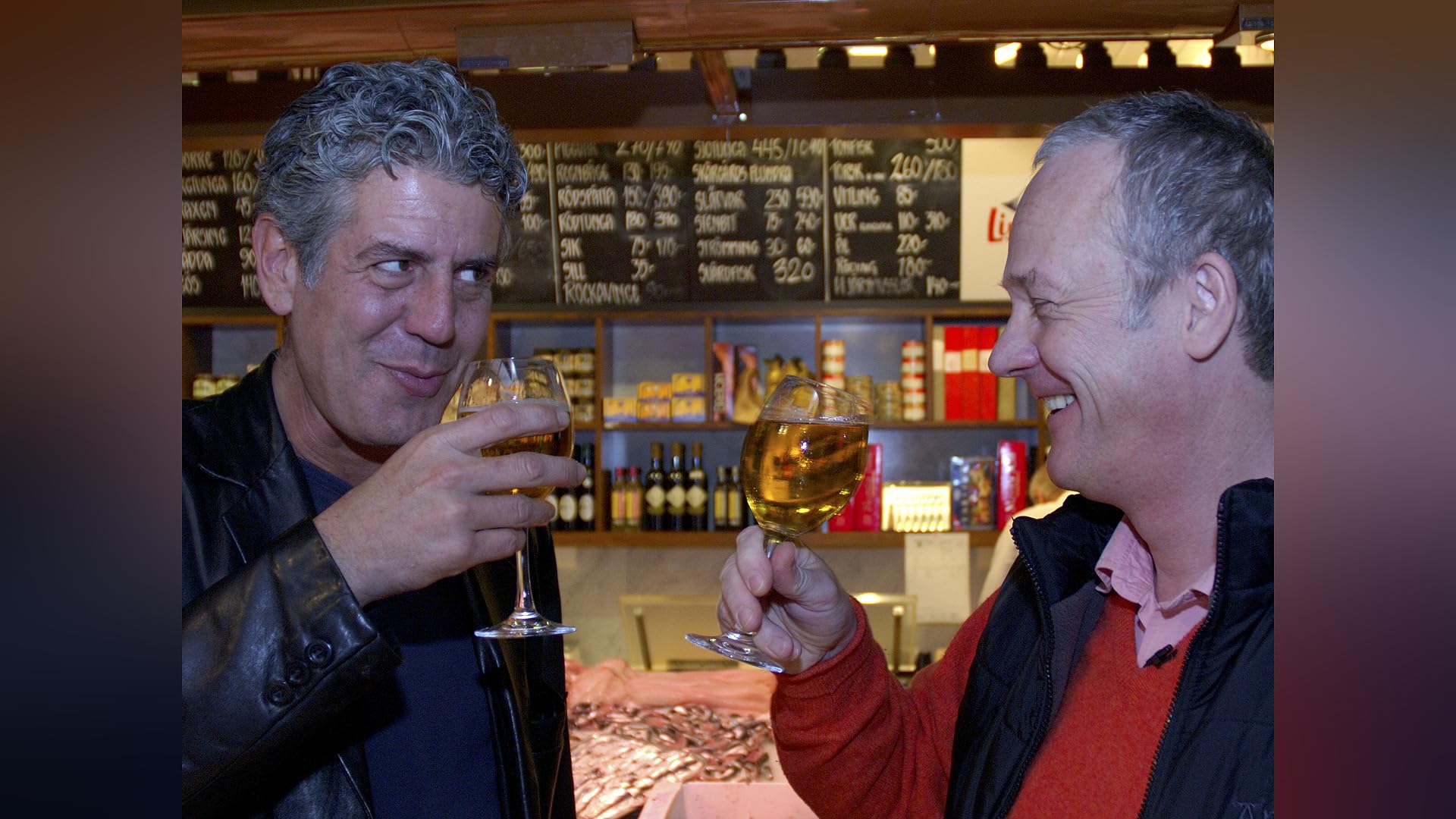
Bourdain did not want to show you how to cook; he wanted to show you how people lived. His approach was rooted in the "punk rock" ethos—unfiltered, often skeptical of authority, and deeply empathetic toward the marginalized. In his travels, the food was frequently a secondary character to the people eating it. Whether he was sitting on a plastic stool in Hanoi with President Barack Obama or exploring the complex political landscape of Gaza, Bourdain used his platform to advocate for a more nuanced understanding of the "other."
By 2026, his legacy remains the gold standard for long-form storytelling in food media. He proved that a food show could win Peabody Awards and Emmys not for its recipes, but for its journalism. His "collision" with the mainstream media forced a realization that viewers were hungry for authenticity, even if it came with a side of discomfort.
The Anthropology of the Plate: Andrew Zimmern’s Global Curiosity
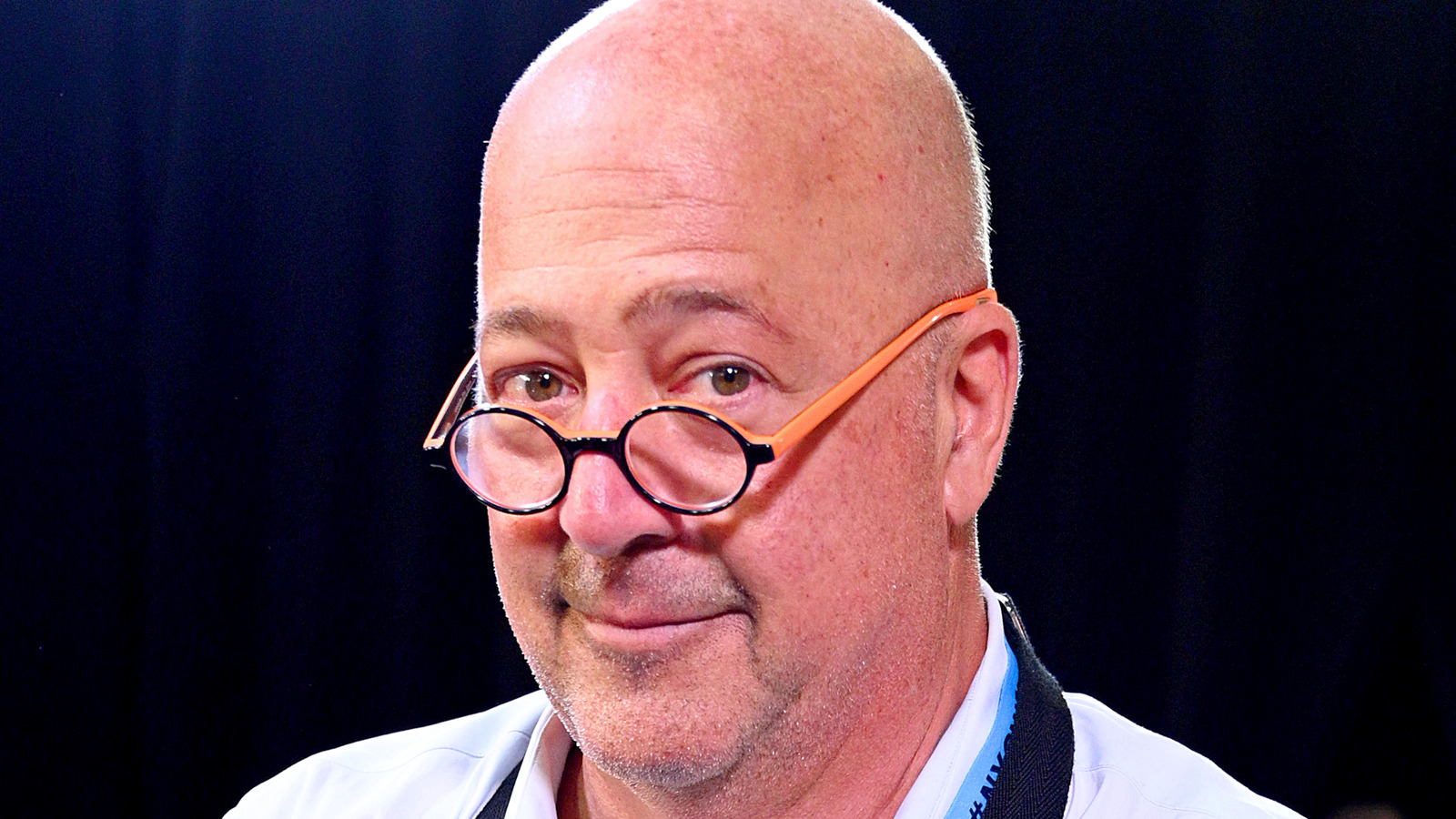
While Bourdain was the poet of the culinary world, Andrew Zimmern was its explorer. Launching Bizarre Foods in 2006, Zimmern initially faced criticism for what some perceived as a "freak show" approach to global cuisine. However, those who watched closely realized that Zimmern’s mantra—"If it looks good, eat it"—was an act of radical acceptance.
Zimmern’s work was built on the foundation of breaking down the "ick factor" that Westerners often applied to non-European cultures. By consuming fermented shark in Iceland, dung beetles in Thailand, or calf brains in Morocco, Zimmern wasn't just seeking a shock; he was validating the traditions and survival strategies of different peoples. He often remarked that what is "bizarre" to one person is "home cooking" to another.
In the years leading up to 2026, Zimmern’s focus shifted more toward the systemic issues within the food chain, as seen in his later work like What’s Eating America. Yet, his early "collision" with Bourdain’s territory established a dual-track for travel television: one focused on the socio-political narrative (Bourdain) and the other on the anthropological and historical roots of what we consume (Zimmern).
The Travel Channel Era: A Shared Orbit of Influence
During the mid-to-late 2000s, Bourdain and Zimmern were the twin pillars of the Travel Channel. This period represented a unique moment in television history where two men with vastly different energies—Bourdain’s cool, detached noir style and Zimmern’s boisterous, accessible enthusiasm—worked toward a common goal.
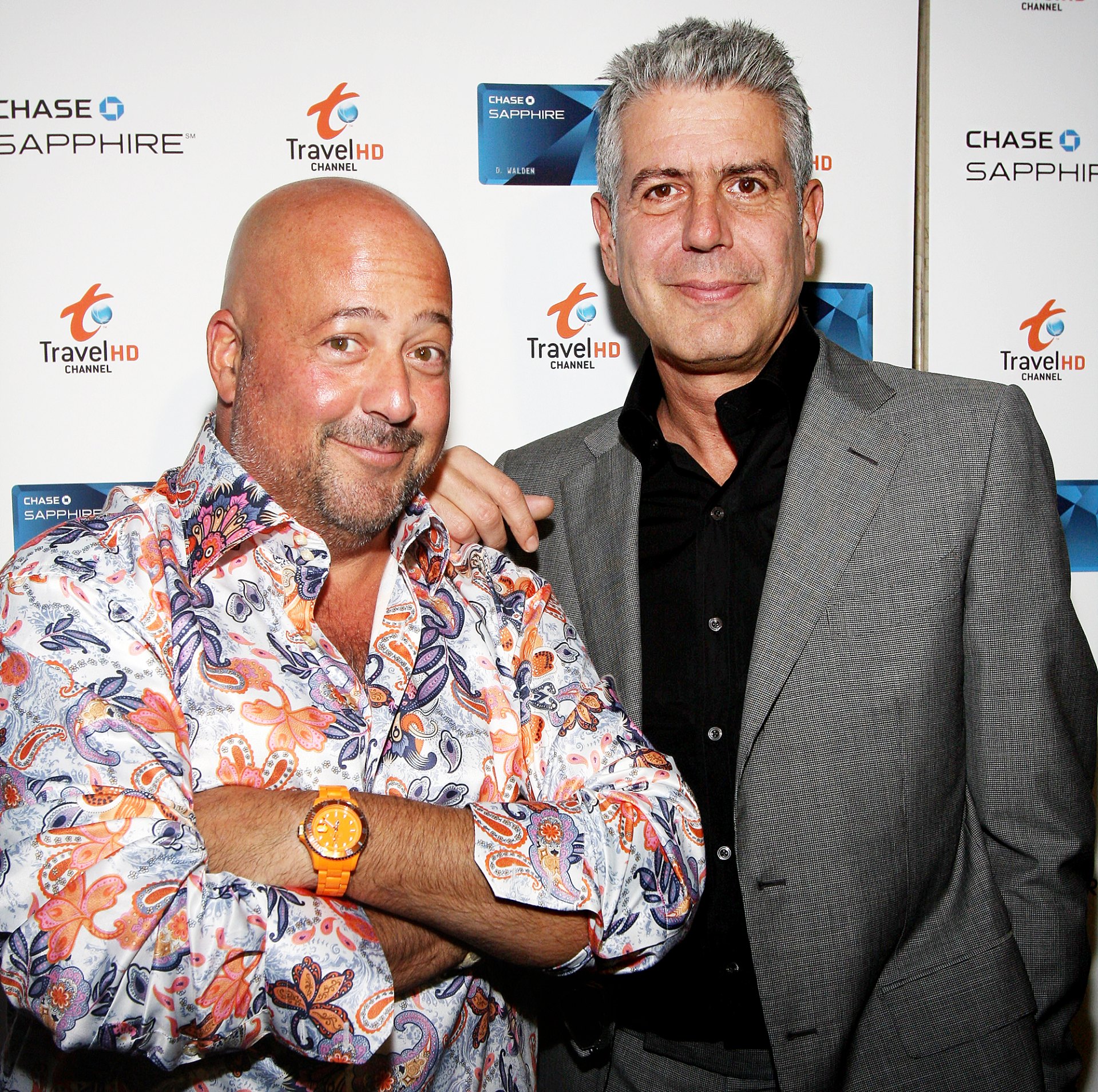
Their relationship was characterized by mutual respect and a shared sense of humor. They frequently appeared in network promos together and occasionally guest-starred in each other's specials. This professional proximity created a "culinary collision" that forced the industry to evolve. They moved the camera out of the kitchen and into the streets, the jungles, and the high-altitude villages.
The production techniques pioneered during this era changed the visual language of food TV. The use of handheld cameras, natural lighting, and a focus on "found" sound rather than canned music became the new standard. This shift allowed the audience to feel as though they were traveling alongside the hosts, sharing in the heat of a street market or the tension of a border crossing.
Comparative Analysis: Philosophies and Methodologies
Understanding the impact of these two icons requires a look at how they approached their craft. While they occupied the same genre, their tools and "North Stars" differed significantly.
| Feature | Anthony Bourdain | Andrew Zimmern |
|---|---|---|
| Primary Lens | Socio-political and Narrative | Anthropological and Historical |
| Key Series | No Reservations, Parts Unknown | Bizarre Foods, The Zimmern List |
| Narrative Tone | Cynical, Poetic, Intense | Enthusiastic, Educational, Inclusive |
| View of Food | A catalyst for conversation and story | A biological and cultural artifact |
| Visual Style | Cinematic, Film Noir influences | Documentary, Verité, Action-oriented |
| Core Message | "Be a guest, not a tourist." | "Food is the best way to understand people." |
The Impact of the "Collision" on Global Perspectives
The intersection of Bourdain and Zimmern’s work had a measurable impact on how Western audiences viewed global cultures. Before their rise, "ethnic food" was often relegated to cheap takeout or exotified "fusion" restaurants. Through their eyes, viewers saw the complexity behind these cuisines.
- Humanizing the "Enemy": Bourdain, in particular, was known for traveling to countries that the U.S. government had labeled as adversaries. By eating dinner with families in Iran or Libya, he humanized populations that were often reduced to headlines.
- Validating Indigenous Wisdom: Zimmern’s exploration of indigenous diets highlighted the sustainability and nutritional brilliance of traditional ways of eating long before "farm-to-table" became a marketing buzzword.
- The Death of the "Expert": Both men moved away from the idea of the white Westerner as the "expert" on foreign food. Instead, they positioned themselves as students, deferring to the local grandmothers and street vendors who were the true masters of their craft.
Technical Evolution of Food Docuseries
The "collision" also sparked a technical revolution in how food content was produced. By 2026, the influence of the Bourdain/Zimmern era is visible in every high-end food production on platforms like Netflix and HBO.
Cinematography and Sound Design Bourdain’s long-time collaborators, Zero Point Zero Production, introduced a level of cinematography previously reserved for feature films. They used slow-motion, specific color grading, and immersive soundscapes to evoke the "feeling" of a location. Zimmern’s productions focused on the "action" of food—the sizzle of a wok, the crunch of an insect, and the visceral reaction of the host—which required high-fidelity audio and close-up macro photography.
The Rise of the Unscripted Moment One of the most significant changes was the move away from rigid scripts. Both hosts leaned into the "happy accidents" of travel—missed trains, rainstorms, or unexpected invitations to a wedding. These unscripted moments became the heart of the shows, teaching viewers that the best parts of travel are often the ones you cannot plan.
The Legacy of the Intersection in 2026
In 2026, the landscape of food media is more diverse than ever, but it remains built on the foundations laid by this culinary collision. Bourdain’s tragic passing in 2018 left a void that many have attempted to fill, yet his influence persists in the work of creators like Padma Lakshmi and Stanley Tucci, who use food to explore identity and heritage.
Andrew Zimmern continues to be a vital voice in the industry, transitioning from the "bizarre" to the "essential." His work now focuses heavily on food policy, the climate crisis’s impact on agriculture, and the recovery of the restaurant industry. He has successfully leveraged his "Bizarre Foods" fame to become a respected advocate for systemic change.
The "collision" of these two giants proved that food is never just food. It is history, it is politics, it is religion, and it is the most effective tool we have for fostering empathy. They taught a generation of viewers that to sit down and eat with someone—especially someone who looks, speaks, or prays differently than you—is a revolutionary act.
Frequently Asked Questions
Did Anthony Bourdain and Andrew Zimmern ever film a show together?
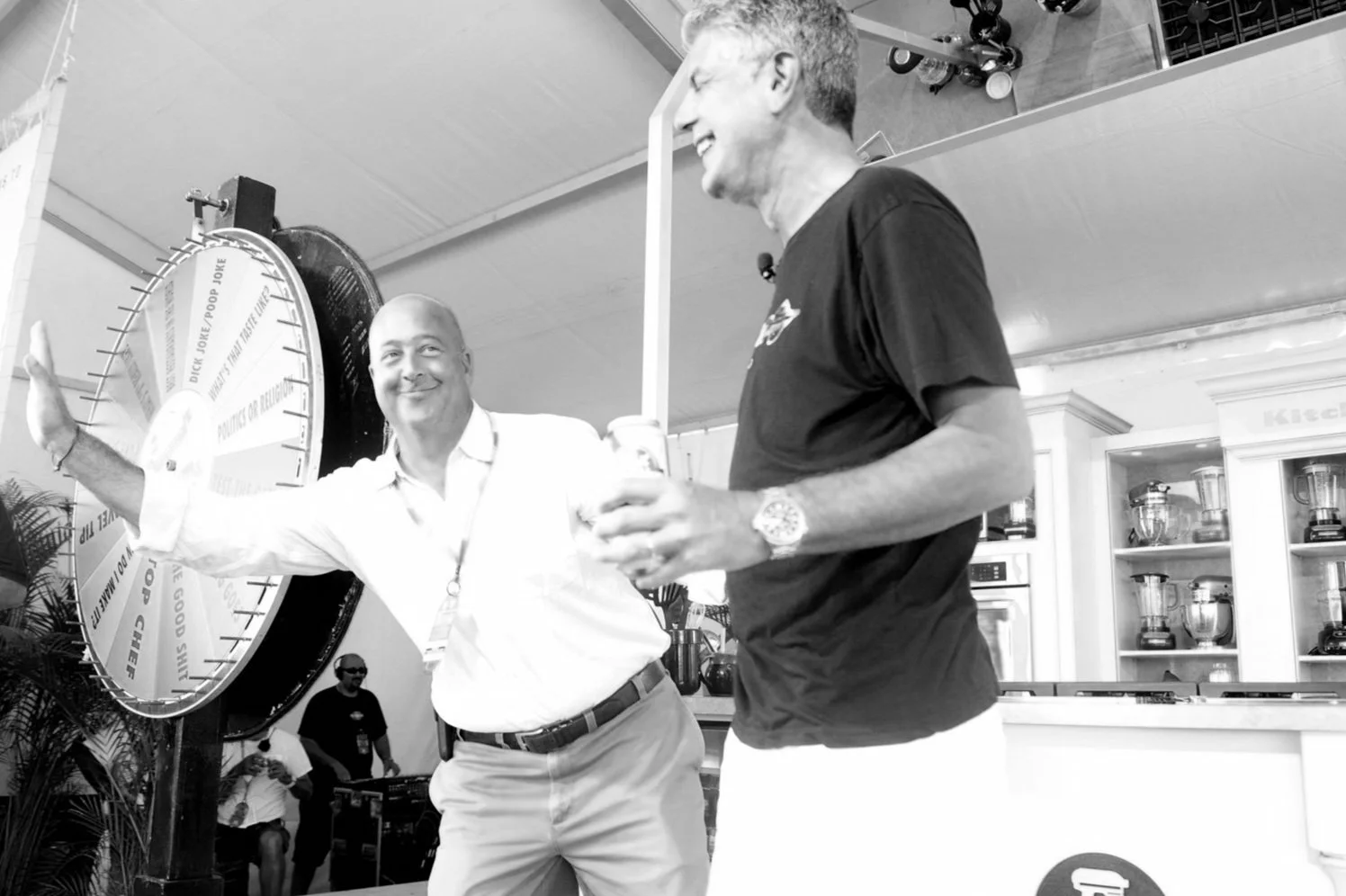
While they never co-hosted a full series, they appeared together in various specials and network promos for the Travel Channel. They were close personal friends and frequently shared the stage at food festivals and media events, often engaging in witty banter about their differing travel styles.
What is the most famous "collision" moment between the two?
One of the most memorable moments occurred during a promotional campaign for the Travel Channel where the two engaged in a "debate" about the merits of their respective shows. Bourdain poked fun at Zimmern's willingness to eat almost anything, while Zimmern countered by highlighting Bourdain's penchant for brooding, moody monologues.
How did their styles influence modern food YouTubers?
The "Bourdain style" is evident in YouTubers who focus on cinematic storytelling and social commentary (e.g., Best Ever Food Review Show's more serious segments). The "Zimmern style" is seen in creators who focus on the "extreme" or highly localized aspects of food, emphasizing curiosity and the physical experience of eating.
Why was their time at the Travel Channel considered a "Golden Age"?
It is considered a Golden Age because it was the first time a major network invested heavily in high-production-value food documentaries that prioritized storytelling over recipes. This era shifted the power from studio-bound chefs to field-based journalists and explorers.
Are their shows still relevant for viewers in 2026?
Absolutely. The themes of cultural empathy, environmental sustainability, and the importance of preserving culinary traditions are more relevant today than they were when the shows first aired. Their work serves as a historical archive of global foodways that are, in some cases, disappearing.
Final Recommendation for Viewers and Creators
To truly appreciate the "culinary collision" of Anthony Bourdain and Andrew Zimmern, one should watch their work chronologically. Start with Bourdain’s A Cook’s Tour to see the raw beginnings of the genre, then move to Zimmern’s early Bizarre Foods episodes. Observe how their narratives evolved from simple travelogues into complex, multi-layered explorations of what it means to be human. For modern creators, the lesson remains clear: authenticity and empathy are the most important ingredients in any story.