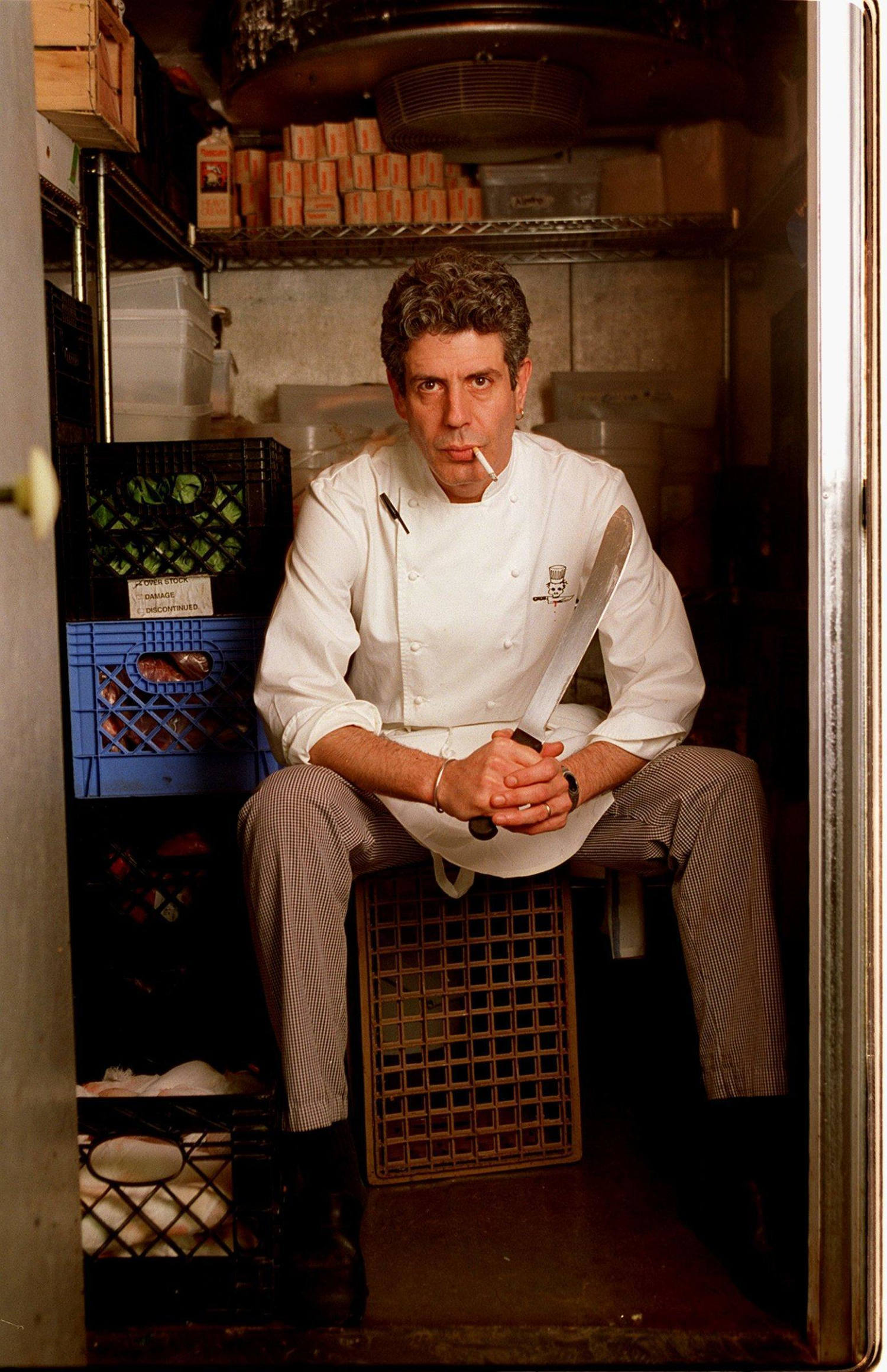
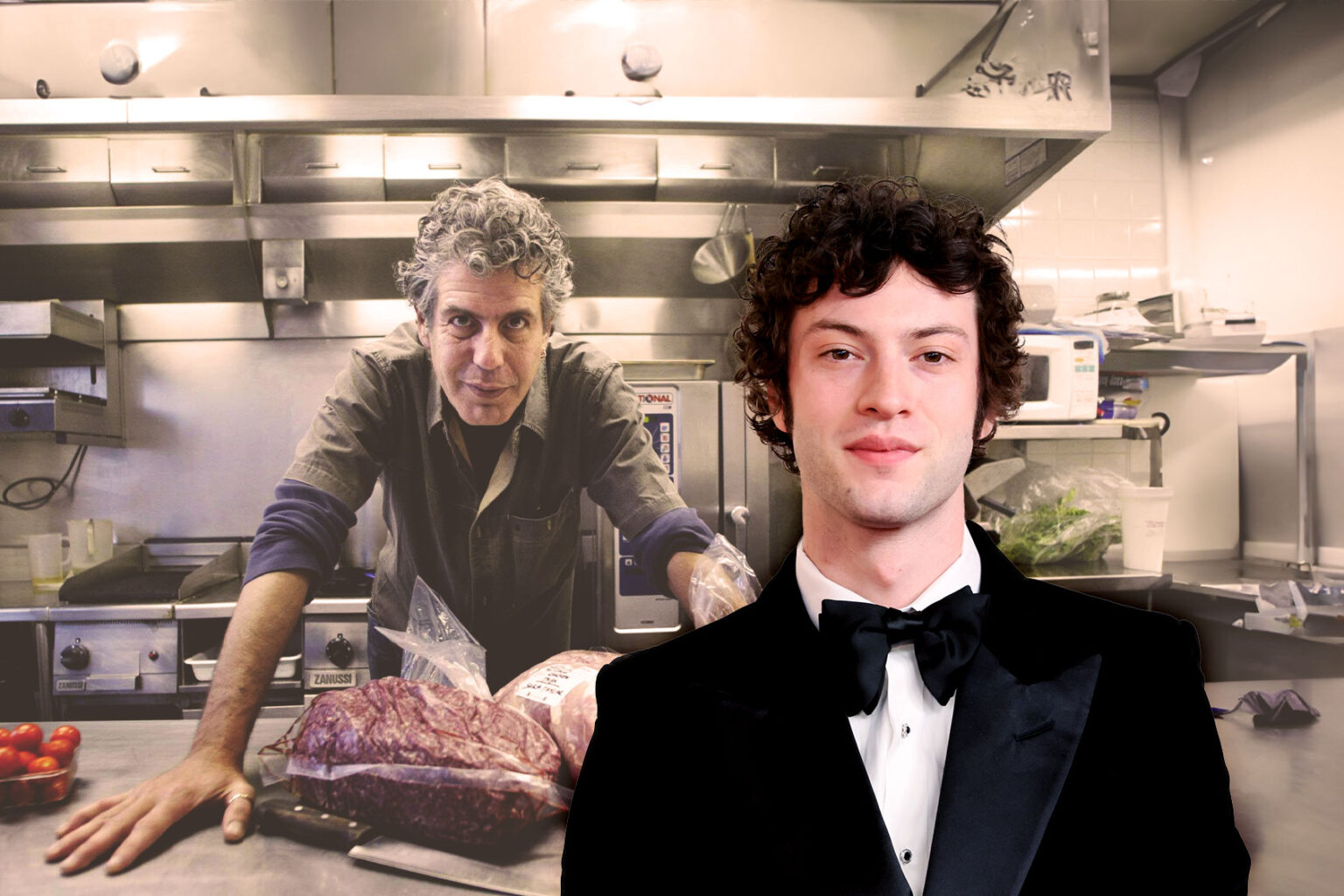
The Anthony Bourdain experience at Le Bernardin represents the ultimate synthesis of high-culture culinary precision and the "gonzo" spirit of modern food exploration. Through his deep friendship with Chef Eric Ripert, Bourdain transformed Le Bernardin from an intimidating temple of French seafood into a relatable symbol of excellence, making its world-class technique accessible to a global audience.
While Anthony Bourdain was famously known for his love of street food, dive bars, and unpretentious "grandma cooking," his relationship with Le Bernardin—a Three-Michelin-starred institution in Midtown Manhattan—remains one of the most significant chapters in culinary history. For Bourdain, Le Bernardin wasn't just a place to eat; it was a sanctuary of integrity and a benchmark for what professional cooking should be. As we look at this legacy from the perspective of 2026, the connection between Bourdain and Chef Eric Ripert continues to define how diners perceive the "Le Bernardin experience," blending the restaurant's rigid French standards with the humanistic, storytelling approach Bourdain championed.
The Genesis of a Culinary Brotherhood
The bond between Anthony Bourdain and Eric Ripert was arguably the most famous friendship in the food world. It began unexpectedly. Bourdain, the "bad boy" of the kitchen who rose to fame with Kitchen Confidential, had once been skeptical of the refined, often stuffy world of fine dining. However, his first encounters with Ripert’s work at Le Bernardin challenged his cynicism.
Bourdain recognized that Ripert wasn't just a "celebrity chef" in the superficial sense; he was a technician of the highest order. Ripert, in turn, found in Bourdain a voice that could articulate the soul of the kitchen in a way few others could. Their "Odd Couple" dynamic—the Buddhist-influenced, refined Frenchman and the tall, gravelly-voiced American iconoclast—became a staple of travel television. This relationship fundamentally changed the Le Bernardin experience for the public, moving it away from the perception of an elitist enclave and toward being a masterclass in respect for ingredients.
The Impact on Public Perception
Before Bourdain featured Le Bernardin on No Reservations and Parts Unknown, many viewers saw three-star dining as an inaccessible ritual. Bourdain’s visits to the kitchen showed the grit, the heat, and the incredible discipline required to maintain such high standards. He demystified the "Experience," showing that at its core, Le Bernardin was about the relentless pursuit of perfection in a single piece of fish.
Defining the Le Bernardin Experience
To understand the experience Bourdain so frequently lauded, one must understand the structure of the restaurant itself. Founded by Maguy and Gilbert Le Coze in Paris before moving to New York in 1986, Le Bernardin has maintained its status as one of the world's premier seafood destinations for decades.
The experience is categorized by a unique menu structure that has remained largely consistent in philosophy, even as the dishes evolve. The menu is divided into three sections: Almost Raw, Barely Touched, and Lightly Cooked. This progression reflects Ripert’s philosophy that the fish is the star, and the chef’s role is to enhance, not overshadow, the natural flavors.
Almost Raw
In this stage, the technique is invisible but profound. It involves the highest quality of sourcing. Bourdain often spoke of the "sashimi-grade" quality handled with French sensibility. A signature dish often cited in the Bourdain-era was the Pounded Thin Tuna with toasted baguette, chives, and extra virgin olive oil. It is a dish of extreme simplicity that requires absolute perfection in every component.
Barely Touched
This section introduces heat, but only enough to transform the texture slightly. Think of warm scallops or flash-seared hamachi. For Bourdain, this section represented the "sweet spot" of professional cooking—the ability to apply heat without losing the essence of the ocean.
Lightly Cooked
The final savory stage features more traditional French techniques—poaching, steaming, and pan-searing—accompanied by complex sauces that never feel heavy. Le Bernardin is famous for its "emulsion" sauces that provide richness through vegetable juices and flavored oils rather than heavy creams.
Bourdain’s Role as the "Everyman" Critic
When Bourdain visited Le Bernardin for his television segments, he often acted as a bridge for the viewer. He would sit in the sleek, wood-paneled dining room and describe the food not with the flowery language of a food critic, but with the reverence of a fellow cook.
One of the most famous moments occurred during the "Technique" episode of No Reservations. Bourdain spent time in the Le Bernardin kitchen, attempting to keep up with the rigorous standards of the line. This segment highlighted the "experience" as a feat of athleticism and focus. By showing the sweat behind the three stars, Bourdain made the eventual plate of food seem more valuable to the average viewer.
In his book Medium Raw, Bourdain wrote extensively about Ripert and the restaurant, noting that Le Bernardin was one of the few places that didn't "sell out." This endorsement was crucial. In an era of expanding culinary brands and diluted quality, Bourdain held up the Le Bernardin experience as the gold standard of consistency.
Comparing the Tiers of the Le Bernardin Experience
As of 2026, Le Bernardin offers several ways to engage with its culinary philosophy. While the main dining room remains the primary destination, the Lounge provides a slightly more accessible entry point.
| Experience Tier | Service Style | Typical Number of Courses | Primary Focus |
|---|---|---|---|
| The Lounge | A la carte / Casual Elegant | 1–3 dishes | High-quality seafood in a relaxed setting. No reservations required for some seating. |
| Prix Fixe | Formal Dining Room | 4 courses | A customizable experience choosing from the three core seafood categories. |
| Chef’s Tasting | Formal Dining Room | 8 courses | The definitive journey through Ripert’s current seasonal inspirations. |
| Vegetarian Tasting | Formal Dining Room | 8 courses | A masterclass in applying seafood-level precision to seasonal vegetables. |
Practical Logistics for the Modern Guest
Visiting Le Bernardin in 2026 requires preparation, as it remains one of the most sought-after reservations in New York City. The restaurant has successfully navigated the transition into the mid-2020s by maintaining its core identity while modernizing its reservation systems.
Reservations and Timing
Reservations typically open on the first of the month for the following month. For example, to secure a table in November, one must be ready on the morning of October 1st. Using platforms like Resy is the standard procedure. It is highly recommended to book precisely when the window opens, as prime slots disappear within minutes.
Dress Code and Etiquette
The "Le Bernardin Experience" still honors a tradition of formal elegance. For the main dining room, jackets are required for gentlemen (though ties have become optional over the years). This adherence to tradition is something Bourdain—despite his casual personal style—respected. He understood that the "theater" of fine dining was part of the respect shown to the food.
The Cost of Excellence
In 2026, the four-course prix fixe menu typically starts at approximately $210 per person, with the Chef’s Tasting Menu reaching $325 or more, excluding wine pairings, tax, and gratuity. While expensive, it is often cited by culinary experts as one of the best "values" in high-end dining due to the sheer quality of the ingredients and the level of service provided.
The Enduring Legacy of the Bourdain-Ripert Connection
The "Bourdain Experience" at Le Bernardin isn't just about what is on the plate; it’s about the philosophy of the kitchen. After Bourdain’s passing in 2018, Ripert and the Le Bernardin team have been instrumental in honoring his memory, most notably through the establishment of Bourdain Day (June 25th).
For diners today, visiting the restaurant often feels like a pilgrimage. Many guests still request the table where Bourdain and Ripert filmed their famous scenes. The restaurant has managed to balance being a memorial to a lost friend with its primary mission of being a world-leading culinary institution.
The "Bourdain Effect" on Seafood Sourcing
Bourdain’s advocacy for Le Bernardin helped popularize the idea of "traceability" and "sustainability" in seafood before those terms became marketing buzzwords. The experience today emphasizes the origin of the fish—whether it’s fluke from the Hamptons or sea urchin from Maine. This transparency is a direct reflection of the honesty Bourdain demanded in the food industry.
Frequently Asked Questions
Did Anthony Bourdain ever work at Le Bernardin?
Anthony Bourdain never officially worked as a chef at Le Bernardin. He was, however, a frequent guest and filmed several segments in their kitchen for his shows No Reservations and Parts Unknown. In those segments, he often "staged" (interned) for a day to demonstrate the difficulty of their techniques to his audience.
What was Anthony Bourdain’s favorite dish at Le Bernardin?
While his tastes evolved, Bourdain frequently praised the simplicity of the Tuna Carpaccio (Pounded Thin Tuna). He was also a vocal fan of the restaurant’s bread service and their ability to cook fish so that it was "just barely" opaque, a technique Eric Ripert perfected.
Is Le Bernardin still considered a top restaurant in 2026?
Yes, Le Bernardin has maintained its three-star rating from the Michelin Guide for nearly two decades. It consistently ranks high on the "World's 50 Best Restaurants" list and holds four stars from The New York Times, making it one of the most decorated restaurants in history.
Can I experience Le Bernardin without a full tasting menu?
Yes. The Lounge at Le Bernardin offers an a la carte menu where guests can enjoy signature dishes and cocktails without committing to the full multi-course dining room experience. This is a popular option for those who want a "taste" of the Bourdain-Ripert legacy in a more spontaneous fashion.
How has the restaurant changed since Bourdain’s passing?
While the culinary soul remains the same, Le Bernardin has subtly updated its interior and expanded its vegetarian offerings. Eric Ripert remains the creative and operational heart of the restaurant, ensuring that the standards Bourdain so admired are never compromised.
Final Recommendation: How to Approach the Experience
If you are seeking to replicate the "Bourdain experience" at Le Bernardin, do not approach it as a mere status symbol. Instead, approach it with the curiosity of a traveler and the respect of a cook.
- Read Medium Raw or Kitchen Confidential: Re-familiarize yourself with Bourdain’s perspective on professional excellence before you dine.
- Opt for the Wine Pairing: The sommeliers at Le Bernardin are world-class, and the pairings are designed to elevate the subtle flavors of the seafood, much like the conversations Bourdain and Ripert shared over a bottle of wine.
- Engage with the Staff: The service at Le Bernardin is famously professional yet warm. Ask about the techniques and the sourcing; the staff is trained to share the "why" behind every dish.
By viewing Le Bernardin through the lens of the Bourdain-Ripert friendship, you transform a meal into a narrative—a celebration of what happens when passion, technique, and brotherhood intersect.