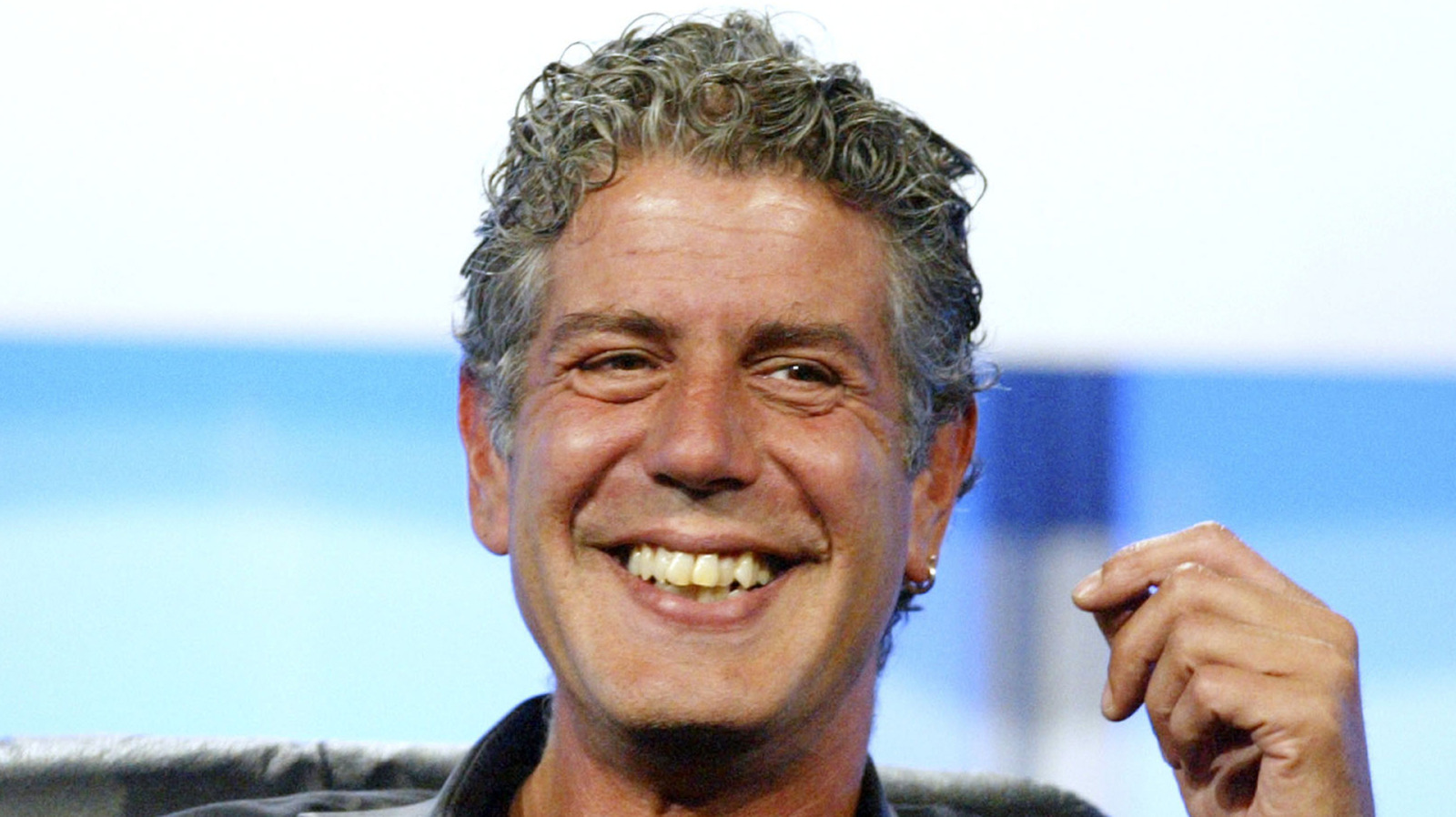
Anthony Bourdain was a recovering heroin addict who maintained a complex, highly public relationship with alcohol throughout his career. While he did not identify as a traditional "alcoholic" in his later years—choosing moderation over total abstinence—his history of substance abuse and the drinking culture he championed in the culinary world remain central to his legacy and the ongoing discussion regarding mental health in the hospitality industry.
The Roots of Substance Abuse in Bourdain’s Early Career
To understand Anthony Bourdain’s relationship with alcohol, one must first examine his history with more "hard" substances. In his seminal 2000 memoir, Kitchen Confidential, Bourdain was brutally honest about his descent into drug addiction during the 1970s and 1980s. Working in the high-pressure environments of New York City’s restaurant scene, he became heavily involved with heroin and crack cocaine. He famously described himself during this period as a "drug addict" who would do almost anything to secure his next fix.
His recovery from heroin was not through a traditional twelve-step program like Narcotics Anonymous (NA), but rather what he described as a "cold turkey" transition, eventually shifting his focus back to his culinary career. However, this history of opioid dependency is a critical prerequisite for understanding his later views on alcohol. Many addiction specialists suggest that individuals with a history of severe substance use disorder are at a higher risk for "addiction transfer," where one substance is replaced by another. In Bourdain’s case, while he successfully navigated away from the "deadly" drugs of his youth, alcohol became a permanent fixture in both his personal and professional life.
The 1980s kitchen culture that Bourdain inhabited was one of extreme excess. The "brigade de cuisine" system, established by Georges Auguste Escoffier, created a high-stress, military-style hierarchy. To cope with the 15-hour shifts and the intense heat, many chefs turned to stimulants to stay awake and depressants, like alcohol, to "wind down." Bourdain was a product of this environment, and he initially romanticized the image of the hard-drinking, chain-smoking chef. This archetype resonated with a generation of cooks, but it also masked the burgeoning health crises within the industry.
The Role of Alcohol in "No Reservations" and "Parts Unknown"
When Bourdain transitioned from the kitchen to the television screen, his relationship with alcohol became a primary component of his public persona. In series like A Cook’s Tour, No Reservations, and Parts Unknown, drinking was rarely just a side activity; it was a fundamental tool for cultural immersion. Whether he was drinking negronis in Rome, cold beers in Southeast Asia, or vodka in Russia, alcohol served as a social lubricant that allowed him to connect with people from vastly different backgrounds.
This "professional drinking" presented a unique challenge. Unlike many people in recovery who adhere to a policy of total abstinence, Bourdain chose a path of moderation. He frequently pushed back against the idea that he needed to stop drinking entirely because he had once been a heroin addict. In interviews, he often stated that he did not feel he had a "problem" with alcohol in the same way he did with narcotics. He famously said, "I am a person who was a heroin addict, and I am a person who drinks."
However, the volume of alcohol consumed on-camera led many viewers and health professionals to question if he was a "high-functioning alcoholic." High-functioning alcoholism refers to individuals who maintain a successful professional and personal life while consuming amounts of alcohol that meet the clinical criteria for Alcohol Use Disorder (AUD). Bourdain’s ability to produce award-winning television, write best-selling books, and maintain a rigorous travel schedule seemed to contradict the traditional image of a struggling alcoholic, yet the sheer frequency of his intake was a point of concern for many who followed his work closely.
The "Work" of Drinking and the Toll of Travel
The physical and psychological toll of Bourdain’s lifestyle cannot be understated. By 2018, he was traveling approximately 250 days a year. The constant jet lag, the pressure to deliver "authentic" experiences, and the loneliness of the road are all significant triggers for substance misuse. In several episodes of his shows, Bourdain hinted at the exhaustion and the "darkness" that followed him. Alcohol often served as the primary bridge between the high-octane filming environment and the solitude of a hotel room.
In the context of his television career, drinking was essentially part of his job description. If a host in a foreign country offered a drink as a gesture of hospitality, refusing it could be seen as an insult or a barrier to the "truth" Bourdain was trying to uncover. This created a professional environment where sobriety was not just difficult, but potentially detrimental to the "product" being created. This phenomenon is common among travel journalists and foreign correspondents, who may use alcohol to process the trauma or intensity of the environments they cover.
Expert analysis of Bourdain’s later years suggests that while he may not have been intoxicated in every scene, the cumulative effect of constant, "moderate" drinking over decades takes a significant toll on the liver, the brain’s chemistry, and overall mental health. Alcohol is a known depressant, and for an individual already struggling with the pressures of fame and underlying depressive tendencies, even social drinking can exacerbate emotional instability.
Toxicology and the Truth of His Passing
On June 8, 2018, Anthony Bourdain died by suicide in his hotel room in Kaysersberg, France. Because of his well-documented history with drugs and his public drinking, immediate speculation suggested that a relapse or intoxication might have played a role in his death. However, the official toxicology report provided a different narrative.
The local prosecutor in Colmar, Christian de Rocquigny, confirmed that toxicology tests showed no narcotics or illegal substances in Bourdain’s system at the time of his death. Furthermore, there was no evidence of significant alcohol intoxication. The only substance found was a "therapeutic dose" of a non-narcotic medication (an internal medicine) in a trace amount. This finding was significant because it dispelled the myth that Bourdain had "fallen off the wagon" in a traditional sense before his death.
| Substance Category | Historical Usage (Bourdain) | Status at Time of Death (2018) |
|---|---|---|
| Opioids (Heroin) | Heavy use in the 1980s; ceased in the late 80s. | None detected. |
| Cocaine | Occasional/Heavy use in early career. | None detected. |
| Alcohol | Regular, public consumption for 20+ years. | No significant level/intoxication detected. |
| Prescription Meds | Occasional use for travel/health. | Trace "therapeutic" amounts only. |
The absence of alcohol in his system at the time of his death suggests that his struggle was primarily one of mental health rather than acute intoxication. However, the long-term impact of a lifestyle centered around alcohol cannot be ignored. Clinical studies often point to the "rebound effect" of alcohol, where the brain’s chemistry becomes increasingly imbalanced as it tries to compensate for the regular presence of a depressant, potentially leading to increased anxiety and depression during periods of "sobriety."
Changing the Culture: Bourdain’s Legacy in the Kitchen
Perhaps the most significant outcome of the discussions surrounding Anthony Bourdain and alcoholism is the shift in restaurant culture. Before Bourdain, the "bad boy" chef who drank all night and worked all day was a celebrated figure. Bourdain himself admitted later in life that he felt some guilt for "romanticizing" this lifestyle in Kitchen Confidential.
Since 2018, there has been a global movement toward "sober kitchens" and better mental health support for hospitality workers. Organizations like Ben’s Friends and The Heirloom Foundation have gained significant traction, providing support groups specifically for chefs and servers who want to maintain sobriety while staying in the industry. The industry has begun to move away from the "work hard, play hard" mentality toward a model that prioritizes sustainable careers and mental well-being.
Bourdain’s openness about his "addictive personality" paved the way for these conversations. By acknowledging that he was always "at risk"—even if he wasn't currently using heroin—he highlighted the reality that addiction is a lifelong management process rather than a one-time fix. His life served as a case study in the nuances of "high-functioning" behavior, showing that professional success does not equate to internal peace.
FAQs
Did Anthony Bourdain ever attend Alcoholics Anonymous (AA)?
Bourdain was vocal about his distaste for the "groupthink" and "quasi-religious" aspects of twelve-step programs like AA or NA. He famously claimed to have quit heroin "on his own," though he acknowledged that this path is not for everyone and is often dangerous. He did not participate in AA during his later years of drinking.
Was Bourdain considered a "sober" person?
No, Anthony Bourdain did not identify as sober. He distinguished between being "off drugs" and being "sober." He continued to drink wine, beer, and spirits throughout his television career and often criticized the "all or nothing" approach to sobriety, advocating instead for a person’s right to manage their own vices.
What is "high-functioning alcoholism" in the context of a chef?
In the culinary world, high-functioning alcoholism refers to a chef who can successfully run a kitchen, manage costs, and create high-quality food while consuming large quantities of alcohol. It is often masked by the industry's culture, where drinking with "the crew" or with "the house" after a shift is seen as a standard professional requirement.
How did the culinary industry react to Bourdain’s death?
The reaction was a massive shift toward mental health awareness. Many high-profile restaurants began implementing "sober shifts" and removing alcohol from the workplace entirely. It sparked a realization that the "Kitchen Confidential" era of excess was not sustainable and was leading to a crisis of burnout and loss within the profession.
Did alcohol play a role in his suicide?
According to the French toxicology reports, Bourdain was not intoxicated when he died. While he had a long-term relationship with alcohol that may have influenced his overall mental health and depression over many years, it was not an acute factor (intoxication) in the final moments of his life.
Practical Recommendations and Next Actions
For those inspired by Bourdain’s life but concerned about the culture of alcohol in their own professional or personal lives, several steps can be taken to ensure a healthier balance:
- Acknowledge the "High-Functioning" Myth: Understand that being productive does not mean alcohol isn't taking a toll. If you find yourself needing a drink to "transition" from work to home, it may be time to reassess your relationship with the substance.
- Seek Industry-Specific Support: For those in the restaurant or travel industries, seek out groups like Ben’s Friends. These organizations understand the specific pressures of the "brigade" system and offer support that doesn't require leaving your career behind.
- Prioritize Mental Health Screening: Substance use and mental health are inextricably linked. If you or someone you know is using alcohol to mask depression or anxiety, professional counseling is a vital step. The National Suicide Prevention Lifeline and SAMHSA provide 24/7 support and resources.
- Promote a New Kitchen Culture: If you are in a leadership position, discourage the "shift drink" culture and replace it with wellness-focused team activities. Normalizing sobriety in the workplace is the most effective way to prevent future crises.
Anthony Bourdain’s story is not a simple one of "alcoholism" or "sobriety." It is a complex narrative of a man who navigated the highest peaks of fame while carrying the weight of his past. His legacy continues to challenge us to look deeper into the cultures we celebrate and the hidden costs of the "brilliant but tortured" artist archetype.