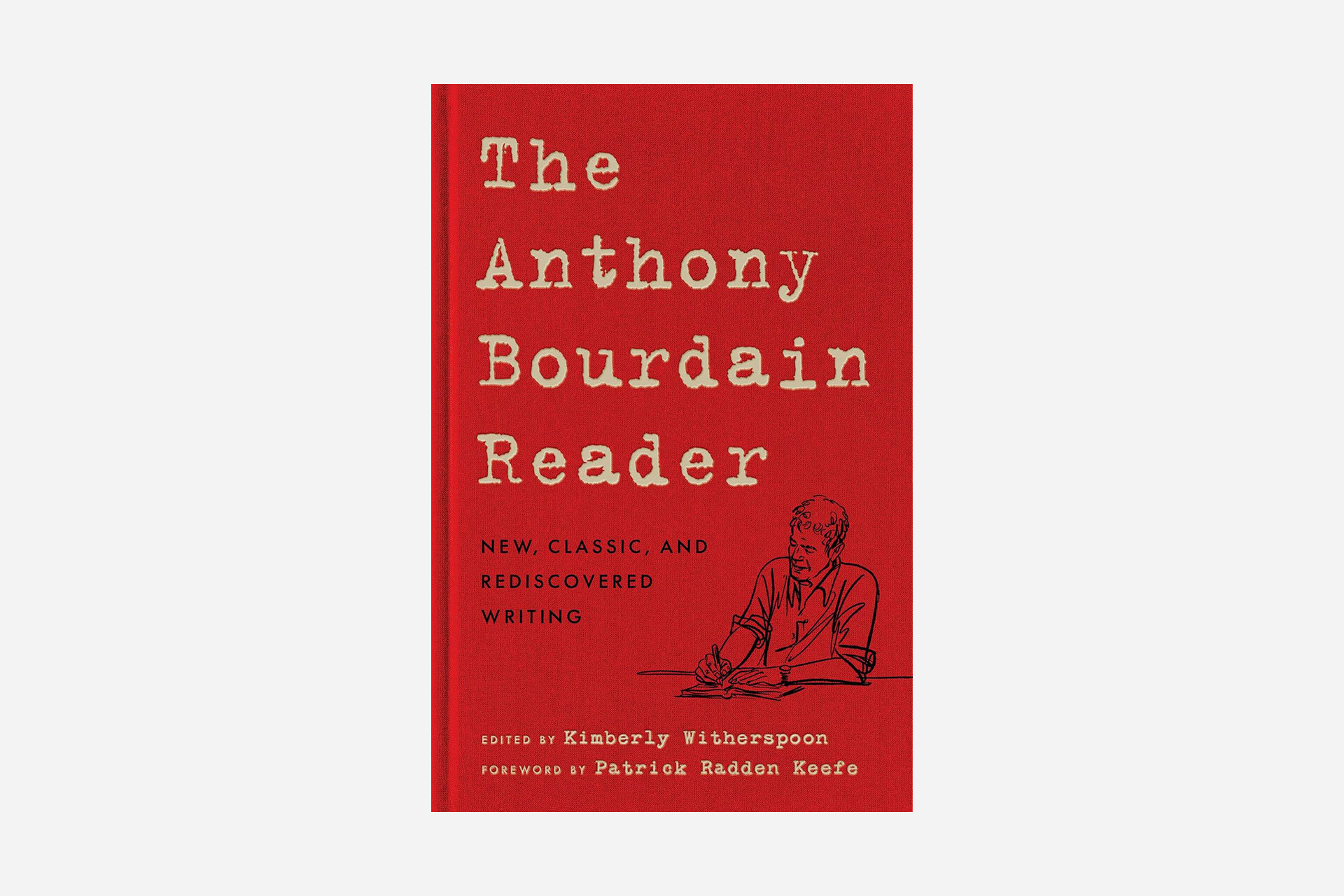
Locating Anthony Bourdain’s articles in the public record requires navigating three distinct areas: his extensive journalistic output in periodicals like The New Yorker and Gourmet, his physical archives housed at the Culinary Institute of America (CIA), and legal filings such as probate records in the New York County Surrogate’s Court. These records are accessible through digital databases, university libraries, and official government portals.
The legacy of Anthony Bourdain is preserved not only in his television programs and books but also in a vast, fragmented landscape of "public records." In this context, the public record refers to two specific types of documentation: the published record (his journalism, essays, and op-eds) and the official record (legal documents, estate filings, and archival collections). For researchers, biographers, and enthusiasts in 2026, accessing these materials requires a structured approach to both digital and physical repositories.
Defining the Scope of Bourdain’s Public Record
When searching for "articles in the public record" regarding a figure of Bourdain’s stature, it is essential to distinguish between commercial publications and government-held documents. The public record, in its broadest sense, encompasses any document that is not privileged or private and is available for public inspection.
For Anthony Bourdain, this includes:
- Journalistic Contributions: Essays and articles published in magazines and newspapers.
- Legal and Probate Filings: Records concerning his estate and business entities.
- Archival Collections: Personal papers and manuscripts donated to educational institutions.
- Copyright and Intellectual Property Records: Filings with the U.S. Copyright Office.
Understanding where these documents reside is the first step in conducting a comprehensive search. While a standard search engine may surface recent digital articles, it often misses deep-archive materials or formal legal filings that require specific portal access.
The Published Record: Bourdain’s Journalistic Body of Work
Anthony Bourdain’s transition from a professional chef to a global cultural icon was catalyzed by a single article in the public record: "Don't Eat Before Reading This," published in The New Yorker on April 19, 1999. This piece serves as the cornerstone of his literary identity and is a primary target for researchers.
The New Yorker Archives
The New Yorker maintains a robust digital archive. As of 2026, subscribers and institutional researchers can access the full "Page View" of Bourdain’s original submissions. This is significant because it shows the article in its original layout, providing historical context that a plain-text version lacks. His relationship with the magazine continued long after his initial breakout, with subsequent reflections and tributes becoming part of the permanent record.
Magazine and Periodical Contributions
Beyond The New Yorker, Bourdain was a prolific contributor to several food and lifestyle publications. Many of these articles are now held in digital databases such as ProQuest and EBSCO, which are typically accessible through public or university libraries. Key publications include:
- Food Arts: This trade magazine was one of the first to publish Bourdain’s "Kitchen Junkie" voice. These articles are essential for understanding his perspective before he achieved mainstream fame.
- Gourmet Magazine: Under the editorship of Ruth Reichl, Bourdain contributed essays that bridged the gap between professional cooking and travelogue.
- Bon Appétit and Esquire: His later work often focused on the intersection of politics, culture, and food.
To find these, researchers should use the ISSN (International Standard Serial Number) for each publication to filter searches in academic databases. This ensures that the results are limited to the official published record rather than blog posts or unauthorized reprints.
Institutional Archives: The Culinary Institute of America (CIA)
In 2019, following his passing, the Culinary Institute of America—Bourdain’s alma mater (Class of 1978)—announced the creation of an archive and scholarship in his name. This represents the most significant collection of his "articles" in a physical and curated public record format.
The Anthony Bourdain Papers
The archive at the CIA’s Conrad N. Hilton Library in Hyde Park, New York, contains more than just published works. It includes:
- Draft Manuscripts: Original versions of his articles and books, often containing handwritten edits that reveal his creative process.
- Personal Correspondence: Letters and emails that provide context for his published articles.
- Field Notes: Observations made during the filming of A Cook’s Tour, No Reservations, and Parts Unknown that often served as the basis for his written essays.
Accessing these records generally requires an appointment with the library’s archivist. While some materials have been digitized for public viewing as of 2026, many of the core "public record" documents in this collection remain physical assets that must be examined on-site for academic or biographical research.
Legal Public Records: Estate and Business Filings
A significant portion of the public record regarding any public figure involves their legal and financial presence. In the case of Anthony Bourdain, these records provide factual data points regarding his career trajectory and the management of his intellectual property.
Probate Records (New York County Surrogate's Court)
When Bourdain passed away in June 2018, his will was filed in the New York County Surrogate's Court. Probate records are, by definition, public records. These documents include:
- The Last Will and Testament: Detailing the distribution of his estate and the appointment of executors.
- Inventory of Assets: While often partially redacted for privacy, the initial filings provide a public look at the valuation of his literary and media empire at the time of his death.
- Petitions for Administration: These documents list legal heirs and any claims made against the estate.
Researchers can access these records through the New York State Courts Electronic Filing (NYSCEF) system or by visiting the courthouse in Manhattan. It is important to note that while the records are public, there is often a fee for copying or downloading official transcripts.
Corporate and Business Records
Bourdain operated through several business entities, most notably Zero Point Zero Production Inc. (the production company behind his major shows) and various publishing imprints. Records of these corporations—including filings for "Doing Business As" (DBA) names and trademark registrations—are held by the New York Department of State’s Division of Corporations. These filings are vital for anyone researching the commercial side of his "public record" articles and media ventures.
Digital Preservation and the "Lost" Records
Not all of Bourdain’s articles were published in high-profile magazines. Early in his career, he contributed to various online forums, defunct websites, and early culinary blogs. Finding these requires the use of digital forensic tools and web archives.
The Wayback Machine (Internet Archive)
The Internet Archive’s Wayback Machine is the primary tool for recovering Bourdain’s digital-only articles. For example, his contributions to early 2000s culinary forums (like eGullet) or his early travel dispatches for now-defunct media sites are preserved here. To search these effectively, one must know the original URL or the specific date range of the publication.
Social Media as Public Record
In 2026, the legal and historical community increasingly views verified social media accounts as a form of public record. Bourdain’s Twitter (X) and Instagram archives serve as a real-time diary of his thoughts, often acting as "micro-articles." These archives are maintained by the platforms, but third-party services like Archive-It often capture them for institutional research purposes.
Comparative Search Strategies for Public Records
The following table outlines the most effective methods for accessing different types of Anthony Bourdain records as of 2026.
| Record Type | Primary Source | Access Method | Cost/Requirement |
|---|---|---|---|
| Published Articles | The New Yorker / ProQuest | Digital Database | Subscription or Library Card |
| Manuscripts/Drafts | Culinary Institute of America | Physical Archive | Appointment/Research Request |
| Probate/Will | NY County Surrogate's Court | NYSCEF Portal | Per-page fee for copies |
| Copyright Filings | U.S. Copyright Office | Public Records Search | Free search; fee for certs |
| Business Filings | NY Dept. of State | Online Search Portal | Free basic search |
| Web-Only Content | Internet Archive | Wayback Machine | Free |
Verification and Authentication of Records
When dealing with the public record of a high-profile individual, verification is critical. Not every article attributed to Anthony Bourdain in the digital space is authentic. To verify a record:
- Cross-Reference with the CIA Archive: The official bibliography maintained by the Culinary Institute of America is the gold standard for authenticating his written work.
- Check the Masthead: For magazine articles, verify that Bourdain is listed as a contributor in the physical or digital "masthead" of the issue in question.
- Verify Legal Signatures: In probate or corporate records, ensure the documents bear the official seal of the court or the Department of State.
The proliferation of AI-generated content in the mid-2020s has made this verification step more important than ever. In 2026, researchers should be wary of "uncovered" articles that do not have a traceable provenance in one of the institutional or legal repositories mentioned above.
Intellectual Property and Rights
Searching the public record often leads to questions about the use of these articles. Bourdain’s literary estate is tightly managed. The U.S. Copyright Office maintains the public record of who currently holds the rights to his articles and books.
A search of the Copyright Office’s online database under "Bourdain, Anthony" will reveal the original registration dates and any renewals or transfers of rights. This is a critical step for anyone looking to quote his work in a commercial capacity or adapt his articles for other media.
FAQs About Anthony Bourdain’s Public Records
Where can I read the original "Don't Eat Before Reading This" article?
The original 1999 article is available through The New Yorker’s online digital archive. Most public libraries provide free access to this archive through the "New Yorker Digital Edition." It is also reprinted as the first chapter of his memoir, Kitchen Confidential, though the magazine version contains original layout and advertisements that provide historical context.
Are Anthony Bourdain’s personal journals open to the public?
As of 2026, Bourdain’s personal journals are part of the collection at the Culinary Institute of America. However, access is generally restricted to serious researchers and biographers. Unlike his published articles, these journals are "private records" held in a public institution, meaning the estate often maintains control over who can view them and what can be quoted.
How can I find legal documents related to his estate?
Legal documents such as his will and probate records are housed at the New York County Surrogate's Court. You can search for these using the "WebSurrogate" portal provided by the New York State Unified Court System. You will need his full name and the year of his passing (2018) to locate the file.
Is there a comprehensive list of every article he ever wrote?
While no single "official" website lists every piece, the most comprehensive bibliography is maintained by the Conrad N. Hilton Library at the Culinary Institute of America. They have cataloged his magazine work, newspaper columns, and book contributions more thoroughly than any other entity.
Can I access his travel notes from Parts Unknown?
Many of his field notes and scripts are archived within the Zero Point Zero Production records and the CIA archive. Some of these have been published posthumously in books like World Travel: An Irreverent Guide, which was compiled from his writings and notes by his long-time assistant, Laurie Woolever.
Practical Recommendations for Researchers
If you are conducting a deep dive into Anthony Bourdain’s articles in the public record, begin with the Culinary Institute of America’s library catalog. This will provide you with a roadmap of his confirmed publications. From there, use ProQuest for magazine archives and the NYSCEF portal for legal verification.
Always distinguish between "Bourdain-style" writing (of which there is much in the 2026 digital landscape) and the verified public record. For the most accurate biographical or historical work, prioritize documents with a clear chain of custody—such as those found in official court filings or established institutional archives.