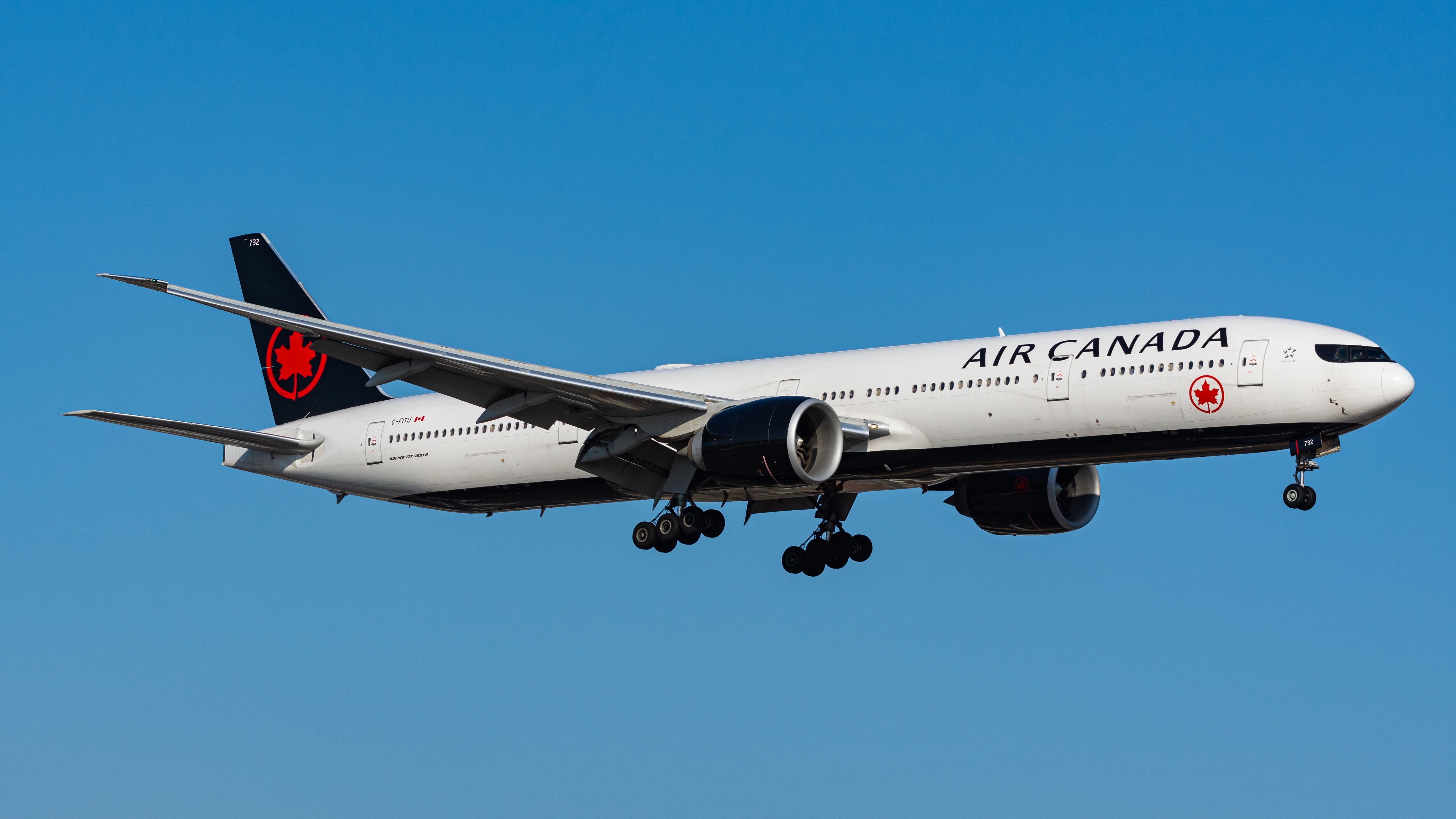
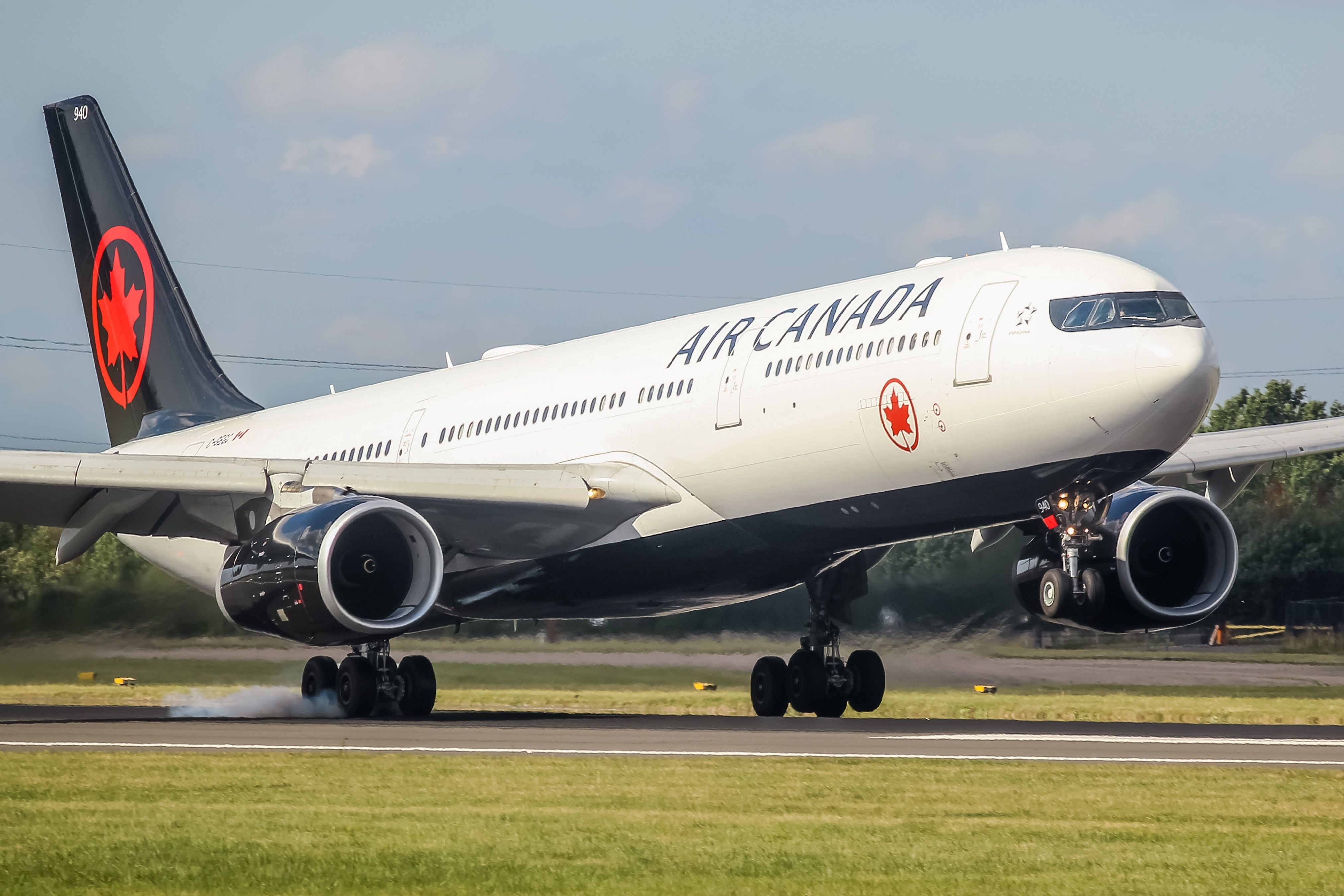
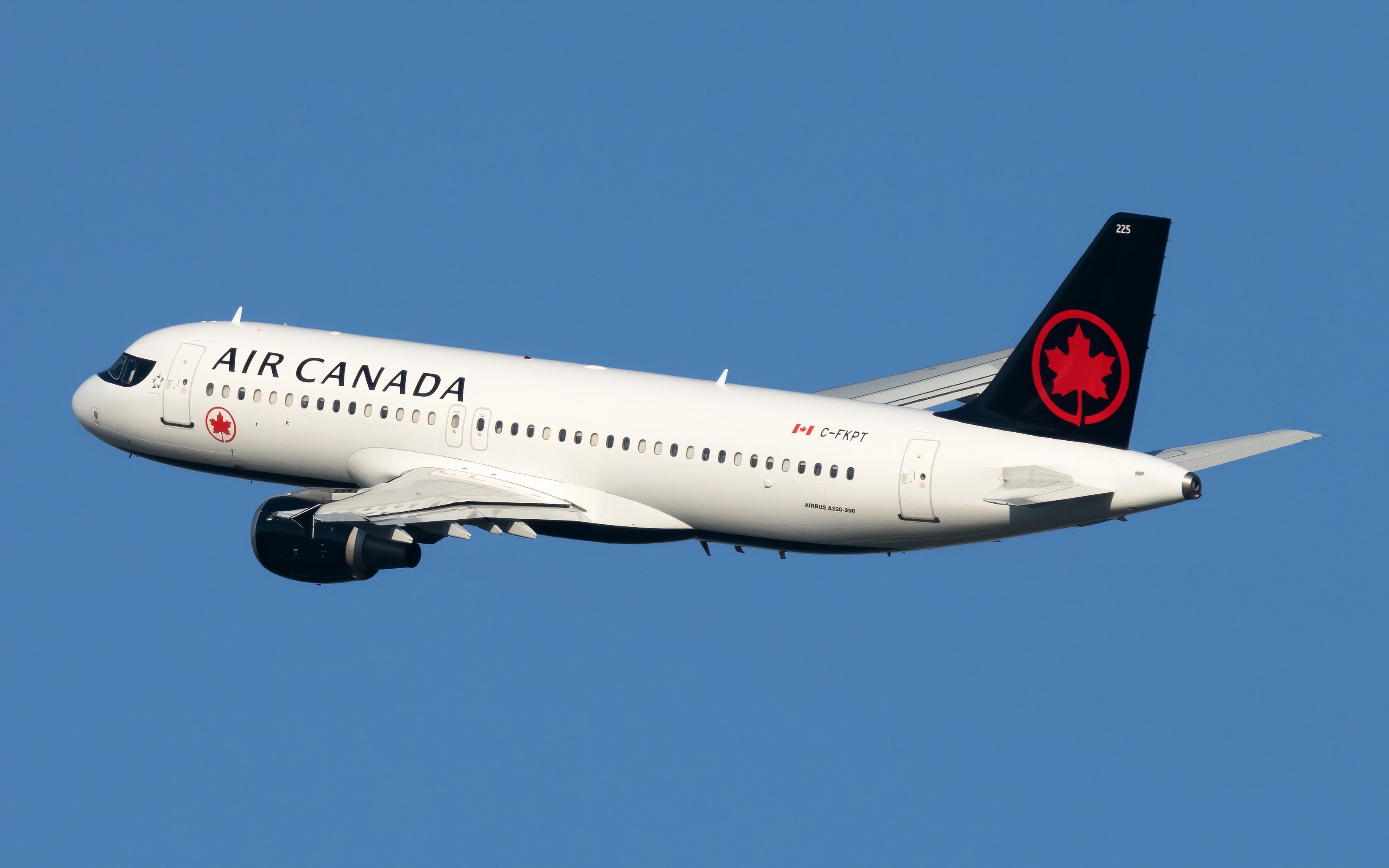
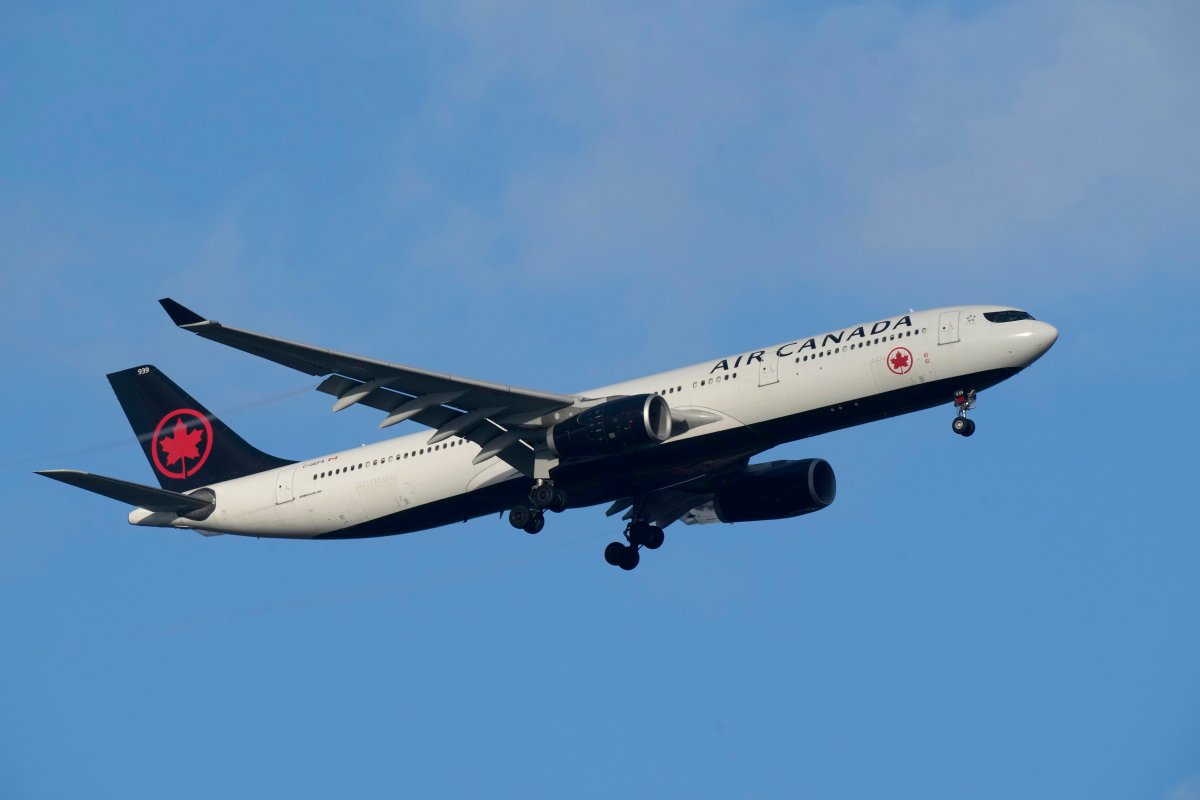
As of 2026, Air Canada maintains one of the strongest safety records in the global aviation industry, with zero passenger fatalities resulting from aircraft accidents or crashes in over four decades. While minor incidents and medical emergencies occur, the airline’s last fatal accident involving a mainline aircraft took place in 1983.
To understand the safety profile of Canada’s largest carrier, it is necessary to distinguish between operational accidents—events where the aircraft itself is compromised—and "in-flight deaths," which typically refer to natural causes or medical emergencies among passengers. This article examines the historical data, recent significant incidents that resulted in no loss of life, and the rigorous safety protocols that have prevented fatalities in the modern era.
The Long-Term Safety Record of Air Canada
When discussing "deaths in recent years" regarding Air Canada, the factual answer is that there have been no passenger deaths caused by the operation of an Air Canada flight in the 21st century. The airline is consistently ranked among the safest in the world by organizations such as AirlineRatings.com, frequently earning the maximum seven-star safety rating.
The last major accident involving Air Canada that resulted in passenger fatalities was Air Canada Flight 797 on June 2, 1983. This flight, a McDonnell Douglas DC-9-32, experienced an in-flight fire in the rear lavatory while flying over Kentucky. Despite a successful emergency landing in Cincinnati, 23 of the 46 people on board perished due to smoke inhalation and fire. This tragedy led to global changes in aviation safety, including the installation of floor-level emergency lighting and smoke detectors in lavatories.
Since 1983, Air Canada has operated millions of flights without a single passenger fatality due to an aviation accident. This record is particularly notable given the airline's large fleet size and the challenging weather conditions inherent in Canadian operations.
Analyzing Significant "Zero-Fatality" Incidents
The strength of an airline’s safety culture is often revealed not just by the absence of accidents, but by how it survives "near-misses" or mechanical failures. In the last decade, Air Canada has experienced a handful of significant incidents that, while frightening, resulted in no loss of life. These events are often analyzed by the Transportation Safety Board of Canada (TSB) to further refine safety standards.
Air Canada Flight 624 (Halifax, 2015)
On March 29, 2015, an Airbus A320 operating as Flight 624 from Toronto to Halifax crashed short of the runway during a heavy snowstorm and low visibility. The aircraft struck an antenna array, sheared off its landing gear, and slid onto the runway. Despite the aircraft being a total hull loss, all 133 passengers and five crew members survived.
The investigation cited a combination of environmental factors and pilot procedures during a "non-precision approach." The lack of fatalities in such a violent impact was attributed to the structural integrity of the Airbus A320 and the efficient evacuation performed by the crew.
Air Canada Flight 759 (San Francisco, 2017)
Perhaps the most publicized "near-miss" in recent aviation history occurred on July 7, 2017. An Air Canada Airbus A320 nearly landed on a taxiway where four other fully loaded wide-body aircraft were waiting for takeoff. The aircraft descended to just 59 feet above the ground before the pilots initiated a go-around.
The National Transportation Safety Board (NTSB) concluded that the crew misidentified the taxiway as the runway. While no one was injured, this incident led to significant changes in San Francisco’s lighting systems and Air Canada’s internal fatigue management and approach briefing protocols.
Understanding In-Flight Medical Deaths
While Air Canada has a clean record regarding accidental deaths, deaths do occur on board aircraft due to natural causes. With millions of passengers flying annually, some individuals will inevitably experience terminal medical events, such as cardiac arrest or strokes, while in transit.
These events are categorized as medical emergencies rather than aviation accidents. Air Canada, like most major international carriers, utilizes a sophisticated support system to manage these crises:
- MedLink Access: Air Canada crews have 24/7 radio access to MedLink, a ground-based service provided by MedAire. This allows flight attendants to speak directly with emergency room physicians who can guide them through medical procedures and help the captain decide if an emergency diversion is necessary.
- On-Board Medical Equipment: Every aircraft is equipped with Automated External Defibrillators (AEDs) and enhanced medical kits that contain life-saving medications.
- Crew Training: Flight attendants undergo mandatory annual training in First Aid and CPR.
When a death is confirmed on a flight, the airline follows strict protocols to handle the deceased with dignity while managing the psychological impact on other passengers. These incidents are not typically included in "airline death statistics" because they are not caused by the flight operation itself.
Occupational Safety and Ground Crew Incidents
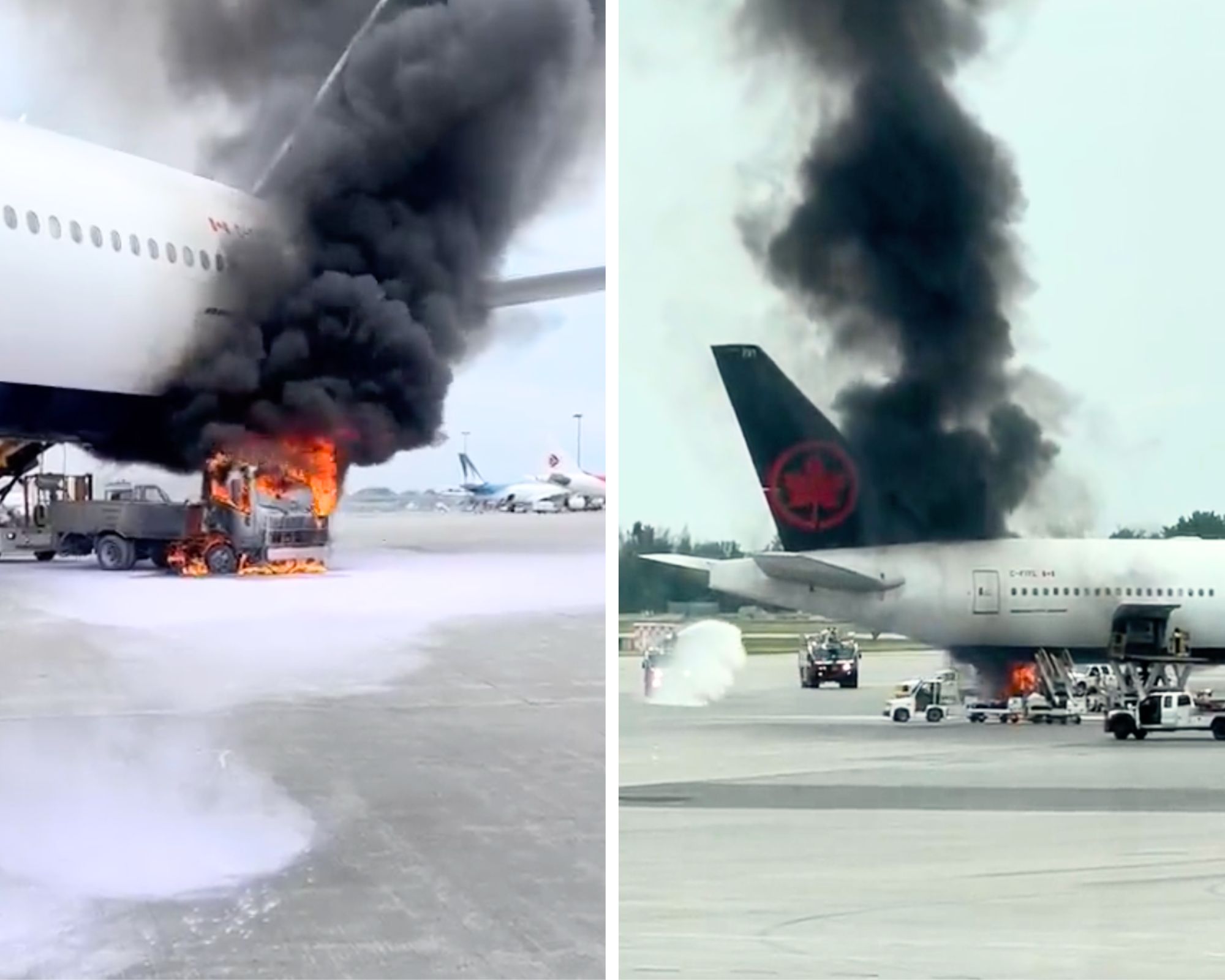
When searching for "Air Canada deaths," it is also important to consider the safety of the thousands of ground employees. While passenger travel is exceptionally safe, the airport ramp environment is inherently dangerous.
In rare instances over the past two decades, ground crew members (including those employed by Air Canada or third-party contractors like GroundSource) have been involved in fatal accidents. These usually involve heavy machinery, such as tugs or baggage loaders. Air Canada maintains a robust Occupational Health and Safety (OHS) program to mitigate these risks, but industrial accidents remain a focus area for safety improvements.
| Category | Last Fatal Event | Fatalities | Cause |
|---|---|---|---|
| Mainline Passenger Accident | June 2, 1983 | 23 | In-flight fire (Flight 797) |
| Regional (Jazz/Express) | None in modern era | 0 | N/A |
| Significant Recent Incident | March 29, 2015 | 0 | Halifax Runway Excursion (AC624) |
| In-Flight Medical Deaths | Ongoing/Regular | Variable | Natural causes (not flight-related) |
Why Air Canada's Safety Record is Superior
The absence of deaths in recent years is not a matter of luck but the result of a multi-layered safety strategy known as the Safety Management System (SMS). This system encourages the reporting of minor errors and "near-misses" without fear of retribution, allowing the airline to identify and fix systemic risks before they lead to an accident.
1. Modern Fleet and Technology
Air Canada has invested billions in newer aircraft like the Boeing 787 Dreamliner and the Airbus A220. These aircraft feature advanced avionics that help prevent "Controlled Flight Into Terrain" (CFIT)—once a leading cause of aviation deaths. Systems like EGPWS (Enhanced Ground Proximity Warning System) and TCAS (Traffic Collision Avoidance System) provide pilots with unprecedented situational awareness.
2. Pilot Training and CAE Partnership
Air Canada pilots undergo some of the most rigorous training in the world, often utilizing the facilities of CAE, a global leader in flight simulation based in Montreal. Pilots are trained to handle "Black Swan" events—extremely rare but catastrophic scenarios—ensuring that their reactions are instinctive and correct.
3. Regulatory Oversight
The Transportation Safety Board of Canada (TSB) and Transport Canada provide some of the strictest oversight in the global aviation industry. Any mechanical anomaly or safety deviation must be reported and investigated. This transparency ensures that if a potential flaw is found in an Air Canada aircraft, it is addressed immediately across the entire fleet.
Comparing Air Canada to Global Peers
To put "Air Canada deaths" into perspective, one must look at the broader industry. According to the International Air Transport Association (IATA), the all-accident rate in recent years has hovered around 1.2 to 1.3 accidents per million flights. Air Canada consistently performs better than the global average.
While some international airlines have suffered total hull losses with high fatality counts in the last decade (such as the Boeing 737 MAX tragedies or various incidents in regions with less stringent oversight), Air Canada has remained "accident-free" in terms of loss of life. This places it in the same elite safety tier as carriers like Qantas, Hawaiian Airlines, and Virgin Atlantic.
Frequently Asked Questions
Has any Air Canada passenger died in a crash since 2000?
No. There have been zero passenger fatalities resulting from a crash or aircraft accident involving Air Canada since the year 2000. All major incidents, including the 2015 Halifax crash, resulted in no loss of life.
What was the deadliest accident in Air Canada history?
The deadliest accident occurred on July 5, 1970, when Air Canada Flight 621 crashed in Brampton, Ontario. All 109 people on board were killed. The crash was caused by the premature deployment of ground spoilers during the landing approach.
Does Air Canada have many medical deaths on board?
While specific numbers are proprietary, medical deaths on long-haul flights occur across all major airlines. These are typically elderly passengers or individuals with underlying conditions. Air Canada uses the MedLink service to manage these emergencies and minimize the likelihood of a fatal outcome through rapid diversion.
Are Air Canada's regional partners (like Jazz) safe?
Yes. Air Canada Express flights, operated by partners like Jazz Aviation, adhere to the same stringent Safety Management Systems (SMS) as the mainline carrier. These regional partners have also maintained an excellent safety record with no fatal accidents in recent years.
How does the 2026 safety rating look for Air Canada?
In 2026, Air Canada continues to hold top-tier safety certifications, including the IATA Operational Safety Audit (IOSA). This audit is the gold standard for airline safety and covers over 900 standards and recommended practices.
Practical Advice for Concerned Travelers
For travelers concerned about safety, it is helpful to remember that aviation is statistically the safest form of long-distance transport. If you are flying with Air Canada, you can take proactive steps to enhance your personal safety:
- Watch the Safety Briefing: Even if you are a frequent flyer, every aircraft configuration is different. Knowing the location of the nearest exit (and a backup exit) is the most critical factor in surviving an unlikely evacuation.
- Keep Seatbelts Fastened: While deaths from turbulence are extremely rare, injuries are common. Keeping your belt fastened whenever seated protects you against "clear air turbulence."
- Disclose Medical Conditions: If you have a serious medical condition, notify the airline in advance. This ensures that the crew is aware and that MedLink can be alerted more efficiently if an issue arises.
Professional-Advice Limitation: This article is for informational purposes and reflects aviation safety data as of 2026. It is not a substitute for official safety briefings or travel advisories issued by Transport Canada or the airline.