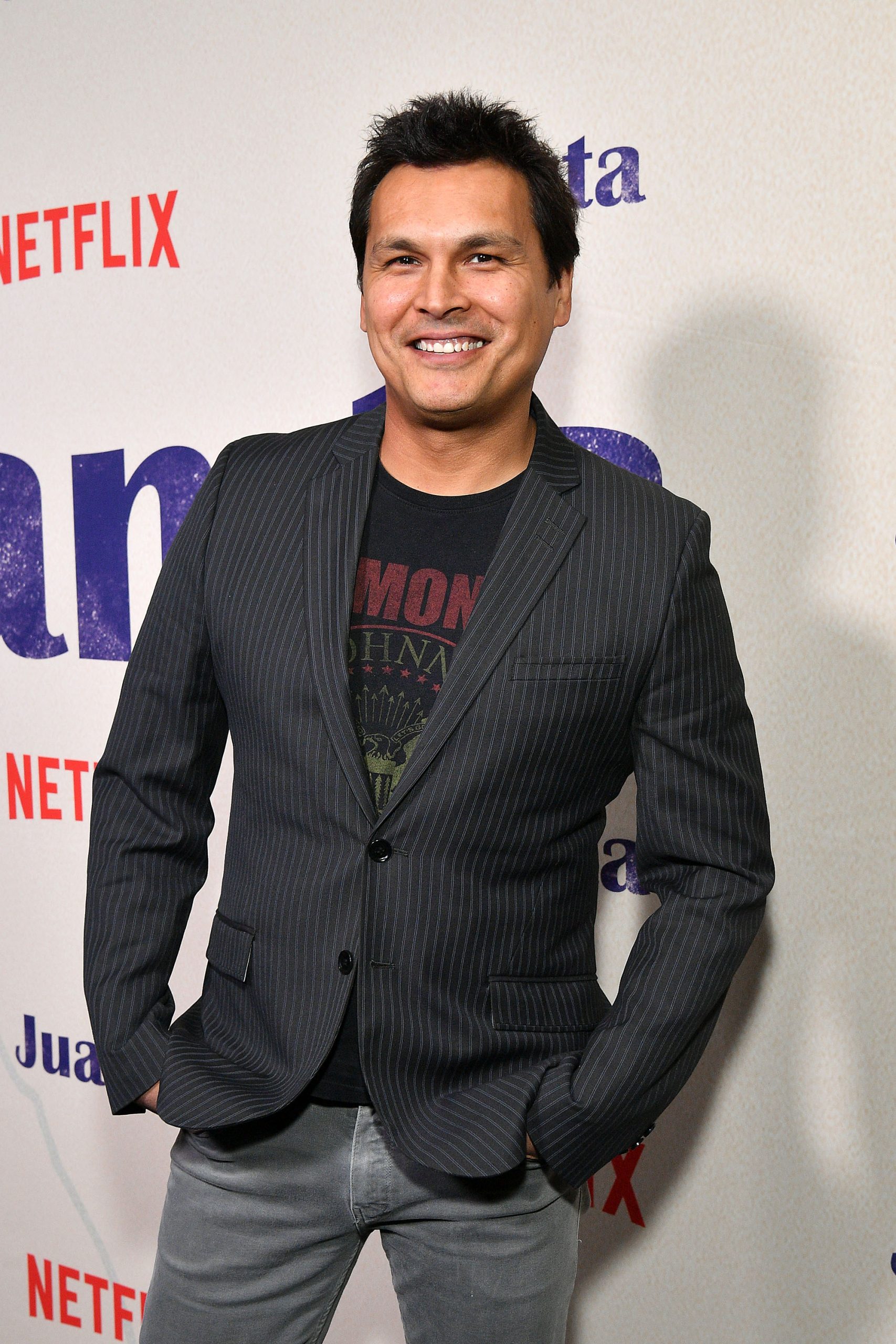
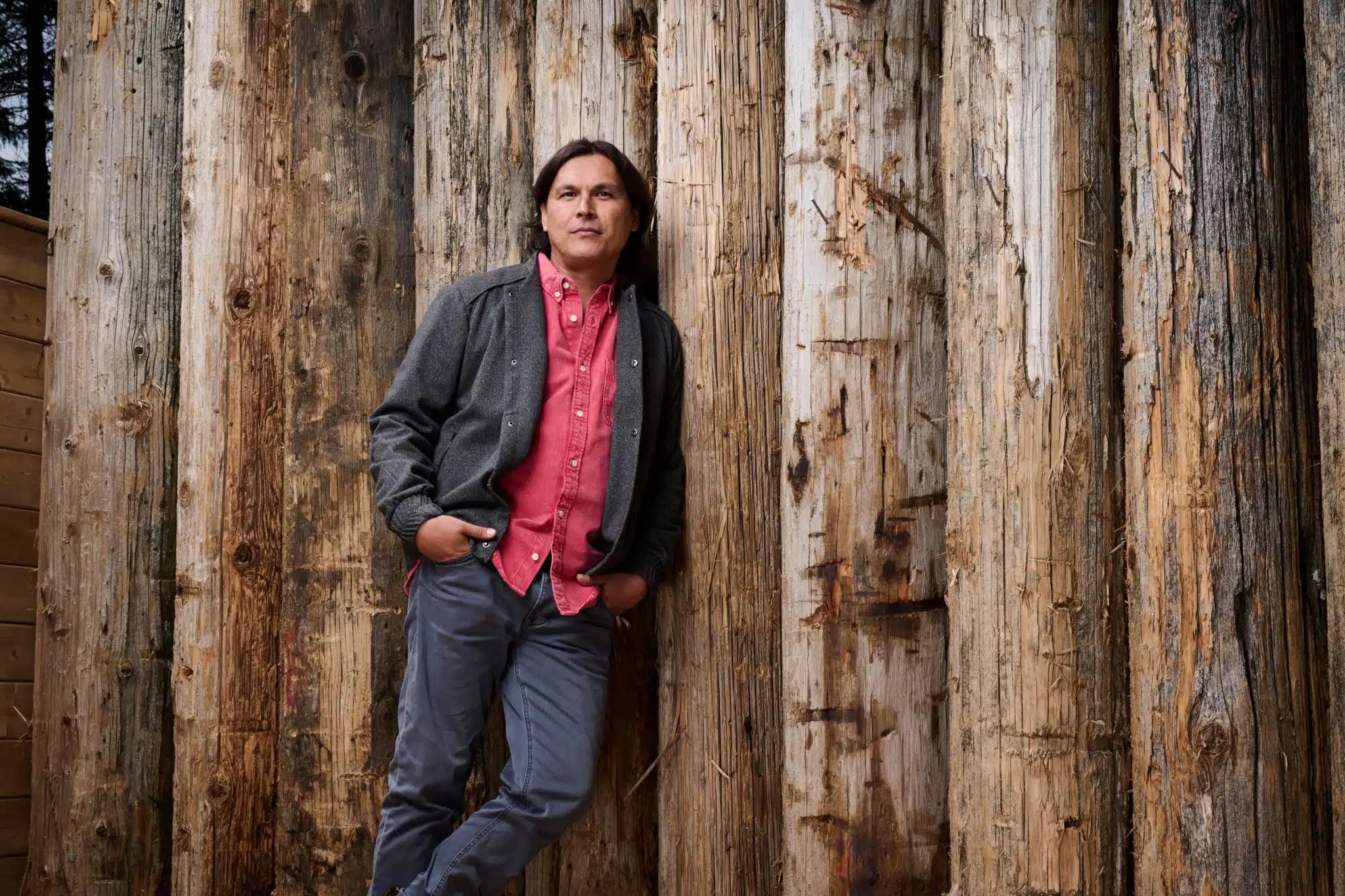
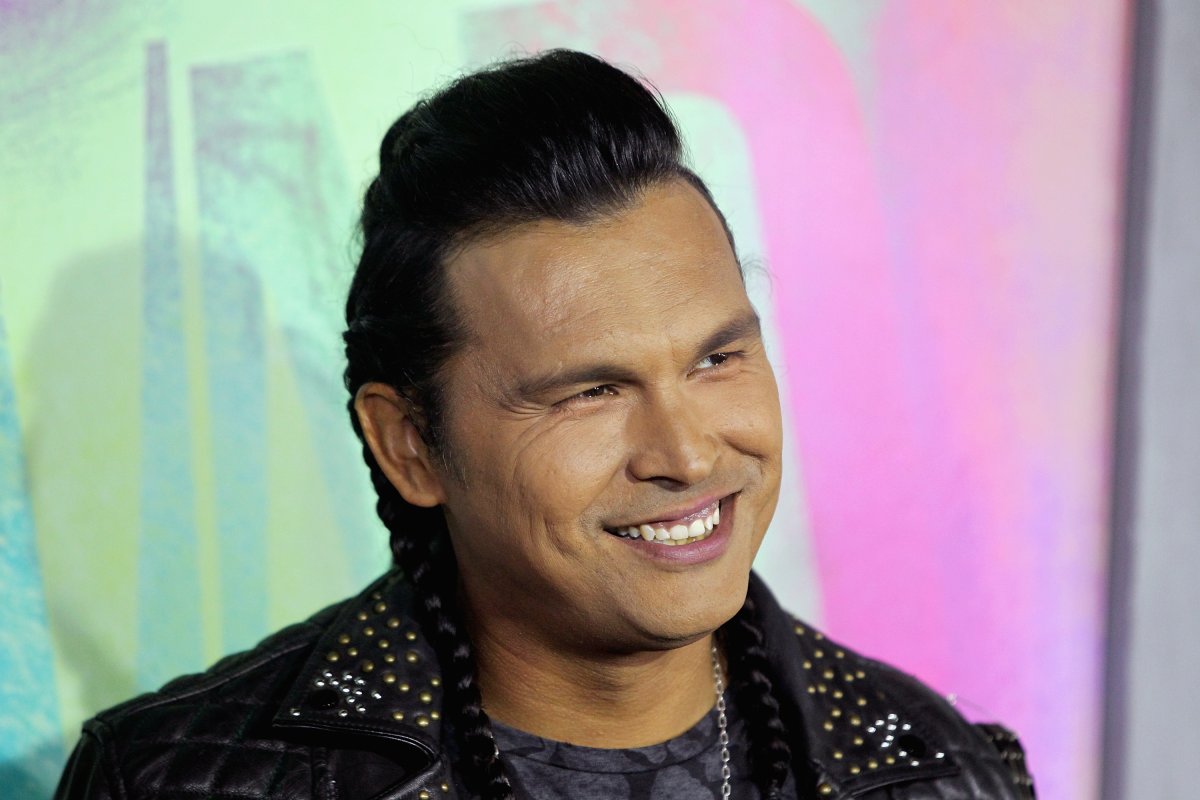
Adam Beach is a prominent Saulteaux actor from the Lake Manitoba First Nation whose career has spanned over three decades in film and television. Known for his ability to bring authentic, complex portrayals of Indigenous characters to screen, Beach has transitioned from early independent Canadian roles to major Hollywood productions, cementing his reputation as a significant figure in North American entertainment and a consistent advocate for Indigenous representation in media.
The Early Beginnings and Breakthrough Roles
Born in Ashern, Manitoba, in 1972, Adam Beach’s entry into the performing arts was marked by an early interest in theater and acting classes during his high school years. Unlike many who pursue traditional drama school pathways, Beach’s trajectory was defined by hands-on experience in the Canadian film industry. His career began in the early 1990s, where he secured roles in various television series and small-scale films that provided him with the foundation to understand the technical demands of both film and television sets.
His breakthrough arrived with the 1998 film Smoke Signals, a seminal work in independent cinema written by Sherman Alexie and directed by Chris Eyre. The film is widely credited with bringing contemporary Native American storytelling to the mainstream. Beach’s performance as Victor Joseph, a stoic and conflicted young man on a journey through the Pacific Northwest, demonstrated an emotional depth that quickly caught the attention of casting directors in Los Angeles. This role remains a cornerstone of his filmography, acting as a bridge between his early Canadian work and the high-profile studio projects that would follow.
Transition to Mainstream Hollywood
Following his success in the late 1990s, Beach moved into higher-budget studio productions, where he often portrayed historical figures or military personnel. His ability to balance intense, physically demanding roles with subtle character work made him a preferred choice for directors seeking authenticity in period pieces.
One of his most significant technical shifts occurred with the 2002 film Windtalkers, directed by John Woo. In this production, Beach portrayed Private Ben Yahzee, a Navajo code talker during the Second World War. The role required him to engage with the complex historical reality of the code talkers, a group whose contributions were classified for decades. The physical nature of the shoot, combined with the emotional weight of historical responsibility, demonstrated his capability as a lead actor in major war dramas.
Key Contributions to Feature Film
| Film Title | Year | Role | Significance |
|---|---|---|---|
| Smoke Signals | 1998 | Victor Joseph | Breakthrough role in independent cinema. |
| Windtalkers | 2002 | Ben Yahzee | Entry into major studio war dramas. |
| Flags of Our Fathers | 2006 | Ira Hayes | Acclaimed portrayal of a real-life war hero. |
| Cowboys & Aliens | 2011 | Nat Colorado | Integration into large-scale sci-fi/western genre. |
| Suicide Squad | 2016 | Christopher Weiss | Participation in major comic-book franchise media. |
The Art of Historical Portrayal: Ira Hayes
Perhaps the most critically lauded role in Beach's career was his portrayal of Ira Hayes in the 2006 Clint Eastwood-directed film Flags of Our Fathers. Hayes, a Pima Marine and one of the six flag-raisers on Iwo Jima, suffered from the intense psychological aftermath of the war and the exploitative nature of his newfound fame.
To prepare for this role, Beach underwent a rigorous internal preparation process. He has noted in various interviews that he sought to capture not just the physical manifestation of the trauma Hayes experienced, but the cultural dissonance of an Indigenous man being used as a symbol for a nation that had historically marginalized his people. This performance garnered significant award recognition and remains a masterclass in biographical acting, where the actor must balance historical accuracy with the humanity of the individual behind the public image.
Television Impact and Long-form Storytelling
While his film roles often dominate his public persona, Beach has had an extensive and influential career in television. His work in series such as Law & Order: Special Victims Unit provided him with a wider audience, while roles in more genre-specific shows, like the acclaimed series Arctic Air, allowed him to lead an ensemble cast in a Canadian setting.
In recent years, Beach has leveraged his status to work on projects that prioritize Indigenous creative control. This shift is critical to understanding his current professional philosophy. He has moved away from simply being an "actor for hire" toward becoming an advocate for roles that move beyond stereotypical tropes. His involvement in television series that center on contemporary Indigenous life, such as Longmire and The Unsettling, reflects a deliberate choice to support narratives that are written, directed, or produced by Indigenous creators.
Advocacy and Mentorship
Adam Beach’s influence extends beyond his screen time. As a prominent figure, he has spent significant time mentoring young Indigenous actors and supporting initiatives like the Adam Beach Film Institute in Winnipeg. The institute was established with the goal of training the next generation of Indigenous filmmakers, editors, and producers, providing them with the technical skills required to compete in the global market.
His advocacy is centered on the concept of "sovereign storytelling." He argues that for true progress to occur in the entertainment industry, Indigenous people must have agency over their own narratives. This involves not only appearing in front of the camera but occupying positions of power where greenlighting decisions are made. By 2026, his work in this space has become as significant as his acting career, marking a transition from being a subject of media to a facilitator of media production.
Navigating the Industry: Challenges and Lessons
The path of an Indigenous actor in Hollywood is often fraught with systemic challenges. Beach has been vocal about the difficulty of finding roles that avoid the "token" label. Throughout his career, he has faced the tension between needing to work within an industry that often relies on archetypes and the desire to break those archetypes down.
His survival and longevity in the industry provide a practical guide for aspiring actors:
- Versatility: By transitioning between television, big-budget features, and independent films, Beach avoided being typecast into a single genre.
- Professionalism: In an industry characterized by high turnover, his reliability on set has led to recurring roles and long-term collaborations with directors like Clint Eastwood.
- Identity-Driven Choice: By being selective about the roles he accepts, he has ensured that his career remains aligned with his personal values, which in turn has garnered respect from both his peers and the Indigenous community.
Frequently Asked Questions
What are some of Adam Beach’s most iconic roles? Adam Beach is best known for his portrayal of Victor Joseph in Smoke Signals, Ira Hayes in Flags of Our Fathers, and his recurring roles in series like Law & Order: SVU and Arctic Air. Each role represents a different stage of his career, from independent breakthrough to dramatic lead and television staple.
How does Adam Beach support Indigenous filmmakers? Through the Adam Beach Film Institute, he provides technical training and mentorship. He focuses on teaching the next generation of creators the practical aspects of filmmaking—such as lighting, sound, and screenwriting—to ensure they can control their own narratives.
Has Adam Beach received awards for his acting? Yes, he has received multiple accolades, including nominations for a Golden Globe Award for his performance in Bury My Heart at Wounded Knee and numerous awards from the Canadian Screen Awards and the American Indian Film Festival throughout his career.
Does Adam Beach have a preference for film or television? Beach has balanced both throughout his career. He has noted that film often allows for a more contained, character-driven arc, whereas television provides the opportunity for long-form character development and consistent work, which is essential for an actor’s sustained professional growth.
What is the Adam Beach Film Institute's primary objective? The institute focuses on closing the gap in technical skills for Indigenous students. By teaching the "back-end" of film production, he aims to empower communities to produce content that is authentic and culturally accurate, reducing reliance on external productions that may misrepresent Indigenous history or culture.
Future Outlook and Legacy
As of 2026, Adam Beach continues to work as both a performer and a producer. His legacy is currently being defined by his dual role: the seasoned veteran who brought visibility to Indigenous characters in the 1990s and 2000s, and the industry leader who is now building the infrastructure for others to follow. For readers interested in his work, the best way to support this legacy is to seek out films produced by the Indigenous creators he mentors and to view his performances with an understanding of the specific cultural contexts he has fought to maintain. His career serves as a practical blueprint for navigating a global industry while remaining deeply tethered to one’s roots.