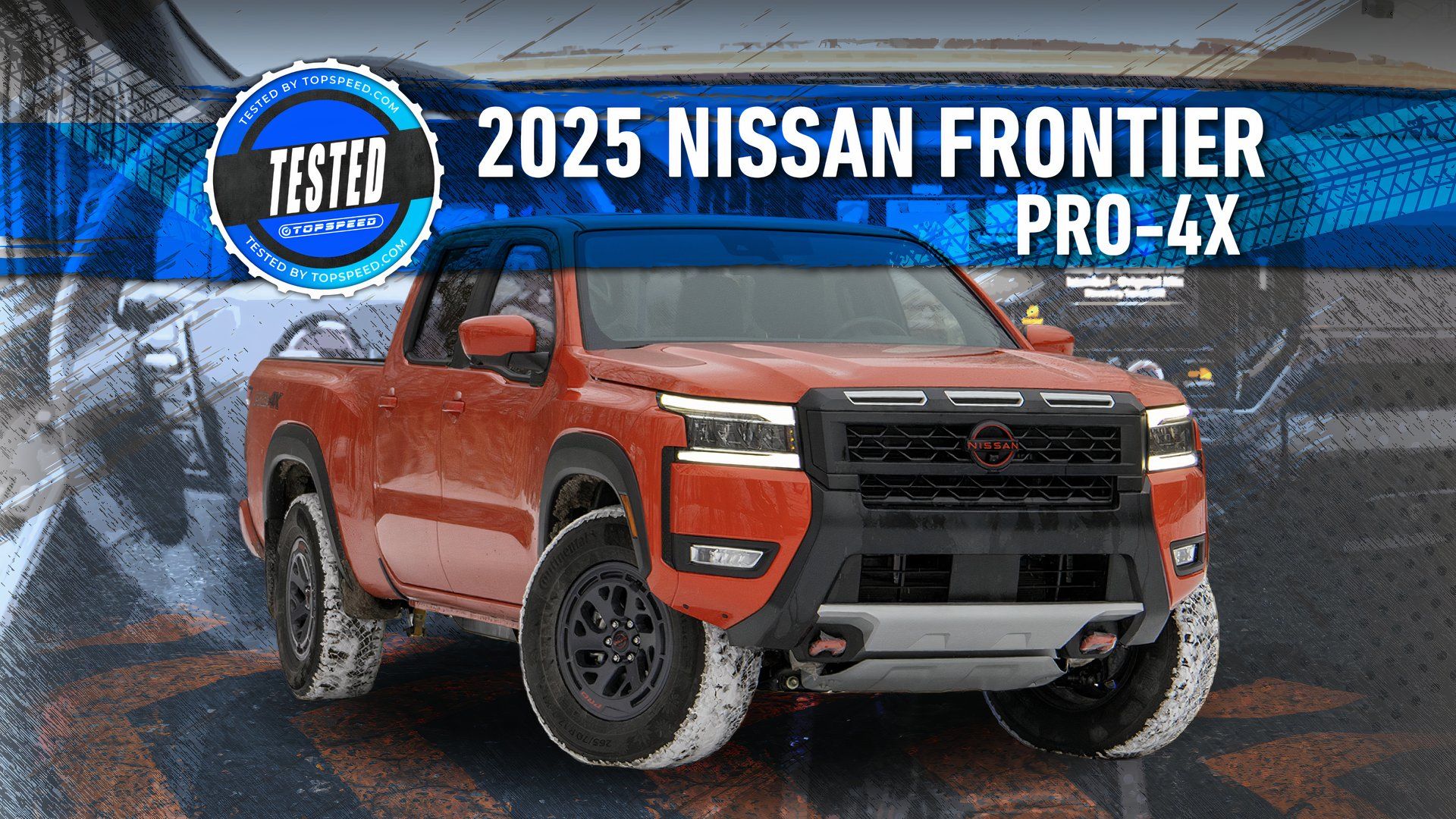
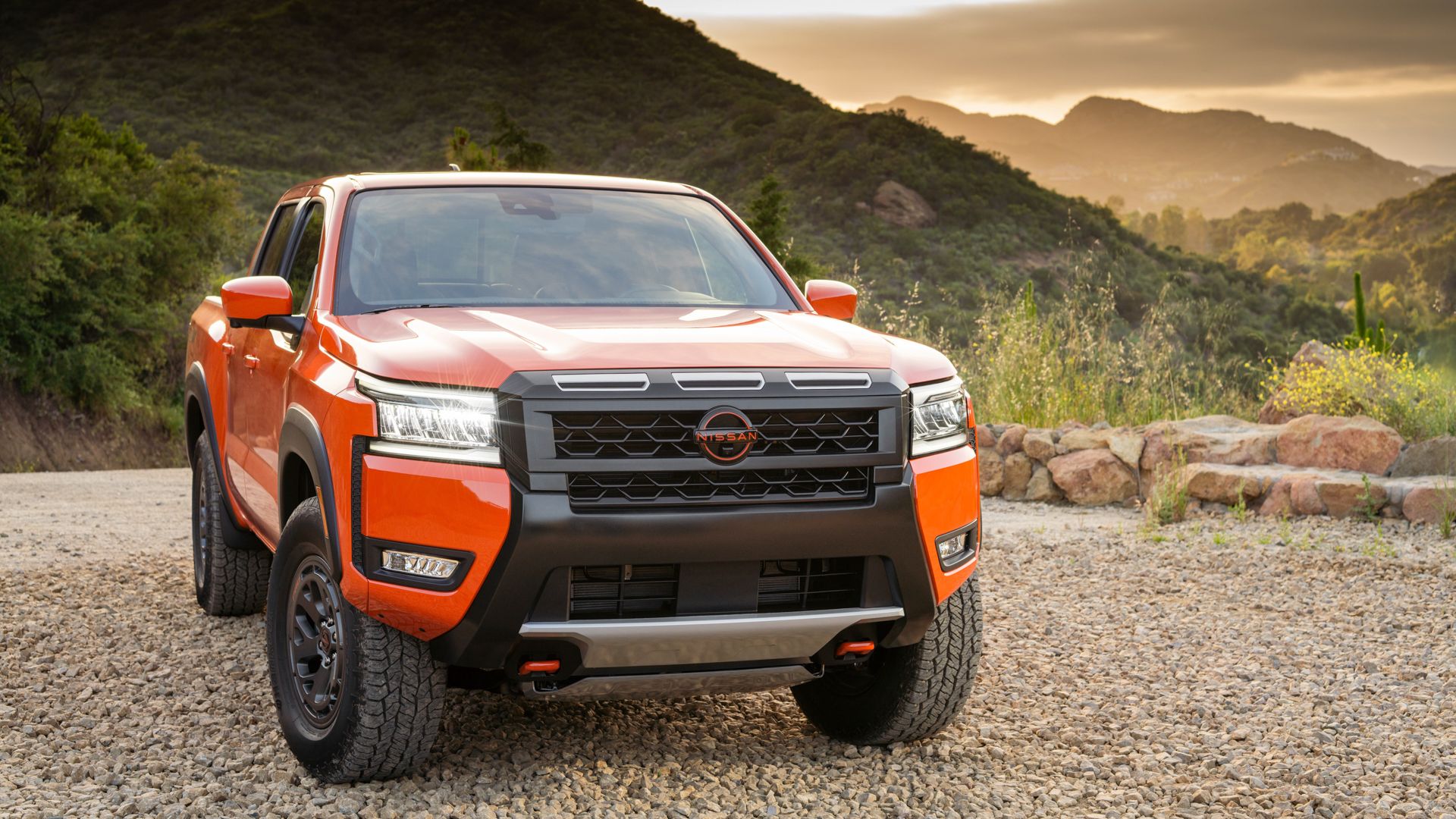
The 2025 Nissan Frontier is powered by a 3.8-liter Direct Injection Gasoline (DIG) DOHC 24-valve V6 engine, producing 310 horsepower and 281 lb-ft of torque. This naturally aspirated powerplant is paired exclusively with a 9-speed automatic transmission. For the 2025 model year, Nissan notably increased the maximum towing capacity to 7,150 pounds, a significant upgrade over previous iterations of this third-generation truck.
Engineering the 3.8-Liter V6 Heart
The engine residing under the hood of the 2025 Nissan Frontier represents a blend of traditional displacement and modern efficiency. Unlike many of its competitors in the mid-size truck segment that have transitioned to small-displacement turbocharged four-cylinder engines, Nissan has doubled down on the V6 architecture. This engine was specifically developed for the North American market and first debuted late in the previous generation's lifecycle to prepare for the current body style.
The 310 horsepower generated by this unit is achieved through a 98.0 mm bore and an 84.4 mm stroke. By utilizing a relatively short stroke, the engine is capable of revving more freely, which contributes to its high horsepower rating. However, the 281 lb-ft of torque is the more critical figure for truck owners. This torque is delivered linearly, providing a predictable throttle response that is often preferred during off-road maneuvers or when backing up a heavy trailer.
Direct Injection and Valvetrain Technology
A cornerstone of this engine's efficiency is its Direct Injection Gasoline (DIG) system. By spraying fuel at high pressure directly into the combustion chamber rather than the intake port, the engine achieves better fuel atomization and a cooler intake charge. This allows for a higher compression ratio (11.0:1), which extracts more energy from every drop of fuel.
The valvetrain utilizes Double Over Head Cams (DOHC) with four valves per cylinder. More importantly, it features Hydraulic Electric Variable Valve Timing Control (e-VTC). Unlike traditional hydraulic systems that rely solely on oil pressure—which can be inconsistent at low temperatures or high mileage—the electronic control allows for precise timing of the intake valves across the entire RPM range. This results in smoother idling, reduced emissions, and a broader power band.
Transmission and Drivetrain Integration
The 2025 Frontier utilizes a 9-speed automatic transmission, sourced through Nissan's partnership with Jatco. This transmission was a massive leap forward from the aging 5-speed unit found in older Frontiers. The wide gear ratio spread is designed to provide a low first gear for aggressive launches and high-torque demands, while the seventh, eighth, and ninth gears act as overdrives to keep highway RPMs low.
The 9-Speed Automatic Experience
In real-world 2026 driving conditions, this transmission is praised for its "hunting-free" nature. Because the 3.8-liter V6 has a naturally aspirated power curve, the transmission logic can hold gears longer during climbs without the sudden surge of turbo boost found in rivals. The 9-speed unit also features a high-response actuator and a brushless pump, which improves shifting speed and reduces mechanical drag.
For those opting for the 4WD models, the engine’s power is routed through a part-time transfer case with 2HI, 4HI, and 4LO modes. The integration between the engine's torque management and the traction control system allows the 2025 Frontier to mimic some of the behaviors of a locking differential even in trims not equipped with the PRO-4X's electronic locker.
2025 Performance Upgrades: Towing and Hauling
One of the most significant updates for the 2025 model year was the recalibration and reinforcement that led to an increased towing capacity. Nissan increased the maximum towing capacity across all configurations, reaching a peak of 7,150 pounds. This move was largely seen as a response to the heavy-hitting towing figures released by the latest generations of the Chevrolet Colorado and Ford Ranger.
Enhanced Capability Across Trims
Previously, reaching the maximum tow rating required very specific configurations. For 2025, Nissan simplified the capability, ensuring that even the off-road-focused PRO-4X and the luxury-leaning SL trims benefited from higher limits. This increase is supported by the V6's robust cooling system, which includes a heavy-duty radiator and a dedicated transmission cooler, ensuring that the engine remains within optimal operating temperatures even when pulling a boat or a camping trailer through mountainous terrain.
Comparative Analysis: V6 vs. The Turbocharged Competition
As we evaluate the 2025 Frontier engine from our current 2026 perspective, it stands out as one of the last "pure" V6 options in a sea of turbos. Most competitors, including the Toyota Tacoma and the GMC Canyon, have moved to 2.4L or 2.7L turbocharged four-cylinder engines.
| Feature | 2025 Nissan Frontier | 2025 Toyota Tacoma (i-FORCE) | 2025 Chevy Colorado |
|---|---|---|---|
| Engine Type | 3.8L V6 (NA) | 2.4L I4 (Turbo) | 2.7L I4 (Turbo) |
| Horsepower | 310 hp | 278 hp | 310 hp |
| Torque | 281 lb-ft | 317 lb-ft | 391 lb-ft |
| Transmission | 9-Speed Auto | 8-Speed Auto | 8-Speed Auto |
| Max Towing | 7,150 lbs | 6,500 lbs | 7,700 lbs |
| Fuel Delivery | Direct Injection | Port & Direct | Direct Injection |
While the Frontier leads in standard horsepower, it trails the turbocharged engines in peak torque. However, the "feel" of the Frontier engine is distinct. Turbocharged engines often suffer from "lag"—a delay between pressing the pedal and the power arriving. The Frontier's V6 provides immediate, linear acceleration. For many truck owners, this simplicity equates to a more relaxing driving experience and fewer concerns about long-term turbocharger maintenance.
Real-World Efficiency and Fuel Economy
Despite the high gear count in the transmission, a large-displacement V6 will always face challenges regarding fuel economy. The 2025 Nissan Frontier is rated by the EPA at approximately 18 mpg city and 24 mpg highway for 2WD models, with 4WD models seeing a slight dip to 17 city and 22 highway.
In 2026, as fuel prices and environmental standards continue to fluctuate, the Frontier’s efficiency remains its primary "old-school" trait. While it cannot match the hybrid fuel economy of the Tacoma i-FORCE MAX, it performs admirably for a non-hybrid truck. Owners often find that under load—such as when towing or carrying a full bed—the V6’s fuel economy drops less drastically than smaller turbocharged engines, which must stay "on boost" (and thus consume more fuel) to maintain speed.
Long-Term Reliability and Maintenance Requirements
The 3.8-liter V6 engine has established a solid reputation since its introduction. By 2025, Nissan had refined the assembly processes at the Decherd Powertrain Plant in Tennessee to address minor early-run concerns.
Maintenance Schedule
To maintain the longevity of the Frontier engine, owners should adhere to a strict maintenance regimen:
- Oil Changes: Every 5,000 to 7,500 miles using 0W-20 synthetic oil. The direct injection system can be hard on oil due to fuel dilution, so more frequent changes are recommended for those who frequently idle or drive short distances.
- Air Filter: The 2025 Frontier features a large air box; however, off-road enthusiasts using the PRO-4X should check the filter every 3,000 miles for dust saturation.
- Spark Plugs: These are rated for 105,000 miles, but many mechanics suggest checking them at 75,000 miles to ensure the direct injection hasn't caused carbon buildup.
- Cooling System: With the increased towing capacity, ensuring the coolant is clean is vital. A flush is typically recommended every 5 years or 60,000 miles.
One of the mechanical advantages of this engine is the use of a timing chain rather than a timing belt. The chain is designed to last the lifetime of the engine, significantly reducing the long-term cost of ownership compared to engines that require belt replacements every 90,000 miles.
Who is this Engine For?
The 2025 Nissan Frontier engine is ideally suited for the traditional truck buyer who values mechanical simplicity and a "tried and true" feel. It is the correct choice for:
- High-Mileage Drivers: Those who plan to keep their truck for 150,000+ miles and want to avoid the complexities of turbochargers and intercoolers.
- Moderate Towers: Drivers pulling trailers in the 4,000 to 6,000-pound range who want a stable, predictable power delivery.
- Off-Road Enthusiasts: The linear torque of the V6 is excellent for crawling over obstacles where sudden turbo-spool could cause a loss of traction.
Conversely, those looking for the absolute highest torque numbers for heavy towing or the best possible fuel economy for city commuting might find the turbocharged or hybrid offerings from competitors more appealing.
Frequently Asked Questions
Does the 2025 Nissan Frontier engine require premium fuel?
No, the 3.8L V6 is designed to run on 87-octane regular unleaded fuel. While the engine uses a high compression ratio and direct injection, the advanced electronic variable valve timing (e-VTC) and knock sensors allow it to operate safely and efficiently on standard gasoline without the need for more expensive premium grades.
Is the 3.8L V6 engine better than the old 4.0L V6?
Technically, yes. The 3.8L engine produces 49 more horsepower than the legendary 4.0L V6 it replaced. It also features roughly 93% new or redesigned parts compared to the older engine, resulting in better fuel efficiency and lower emissions. While some purists miss the 4.0L's reputation for extreme longevity, the 3.8L has shown similar reliability characteristics over its first five years in production.
Can I increase the horsepower of my 2025 Frontier engine?
Because the engine is naturally aspirated, simple "tunes" or "chips" yield smaller gains than they would on a turbocharged engine. However, high-flow air intakes and cat-back exhaust systems are popular aftermarket additions that can slightly improve throttle response and provide a more aggressive engine note. Significant power gains would require forced induction, which typically voids the factory warranty.
Why did Nissan increase the towing capacity for 2025?
While the engine remained the same, Nissan's engineers updated the vehicle's frame-mounting points and cooling efficiency for the 2025 refresh. These changes, along with a recertification process under SAE J2807 standards, allowed Nissan to safely market a higher tow rating to remain competitive in the mid-size truck segment.
Does the 2025 Frontier have an engine start-stop system?
Yes, the 2025 Frontier includes an Idle Start/Stop system to conserve fuel while the vehicle is stationary at traffic lights or in congestion. This system can be deactivated via a button on the dashboard for drivers who prefer the engine to remain running constantly, though it must be deactivated each time the vehicle is restarted.
Final Recommendation: A Proven Powertrain
In the current landscape of 2026, the 2025 Nissan Frontier stands as a bastion of proven engineering. While it may not offer the futuristic hybrid tech found in some newer competitors, its 3.8-liter V6 provides a level of reliability and "honest" performance that is becoming increasingly rare. If your priority is a truck that feels like a truck—with a growling V6, a smooth-shifting 9-speed transmission, and the capability to tow over 7,000 pounds without breaking a sweat—the 2025 Frontier engine remains a top-tier choice in the mid-size category.
For potential buyers, the best next step is to schedule a test drive specifically focused on high-speed merging and low-speed maneuvering. This will allow you to experience the difference between Nissan’s naturally aspirated power delivery and the turbocharged "surge" found in other modern pickups. Additionally, verify the specific tow rating for the trim level you are considering, as bed length and cab configuration can still influence the final maximum capacity.