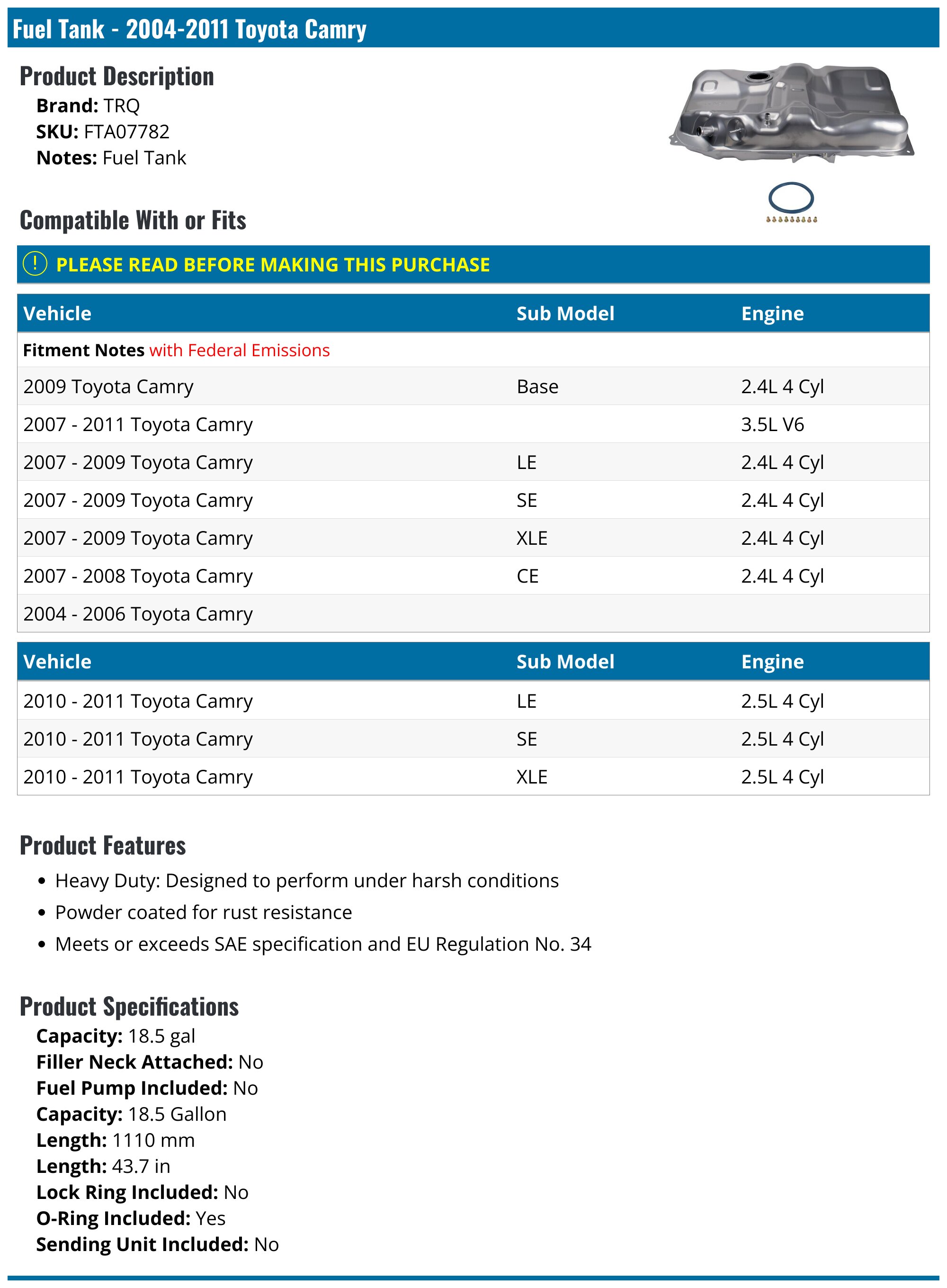
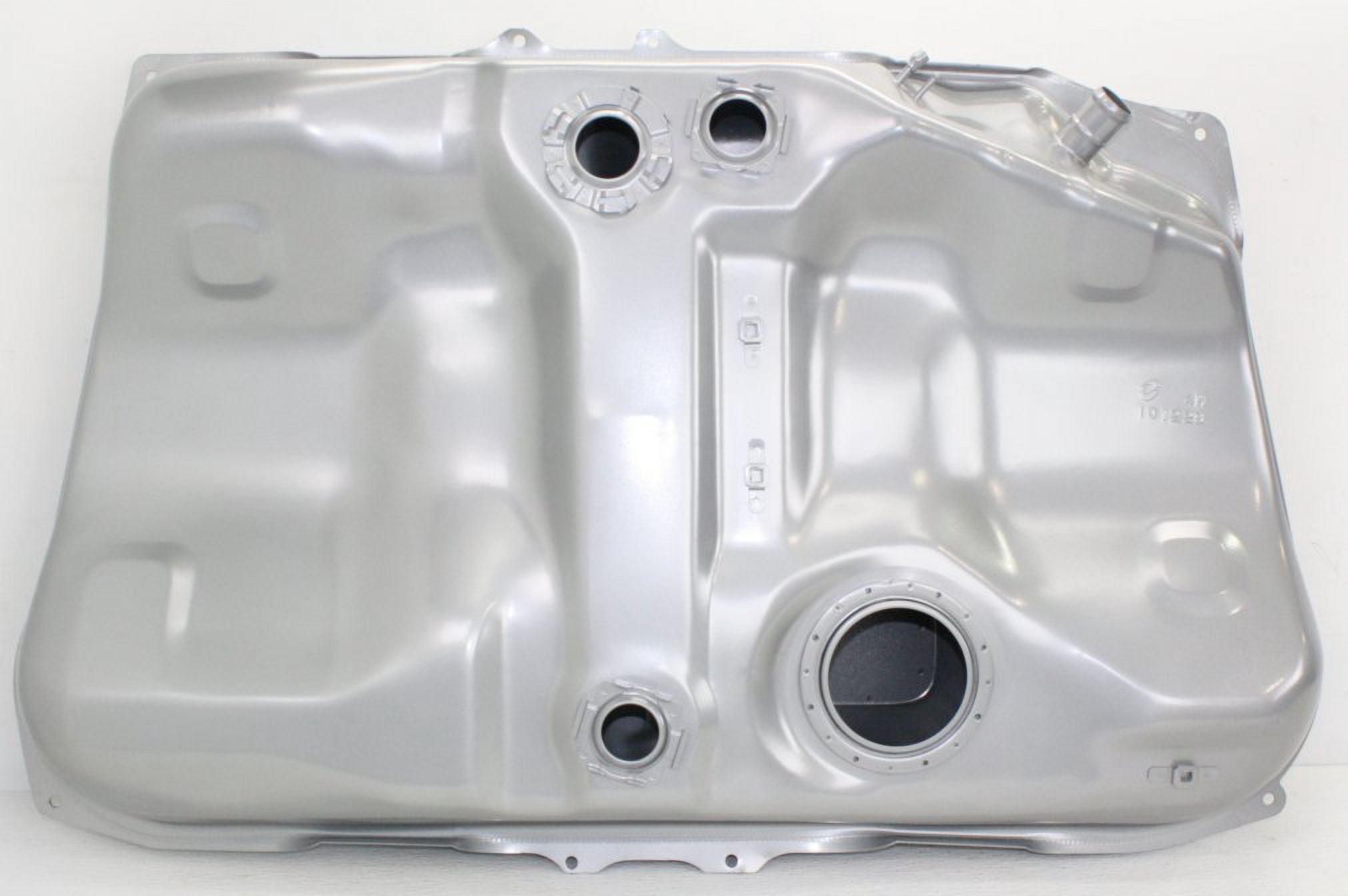
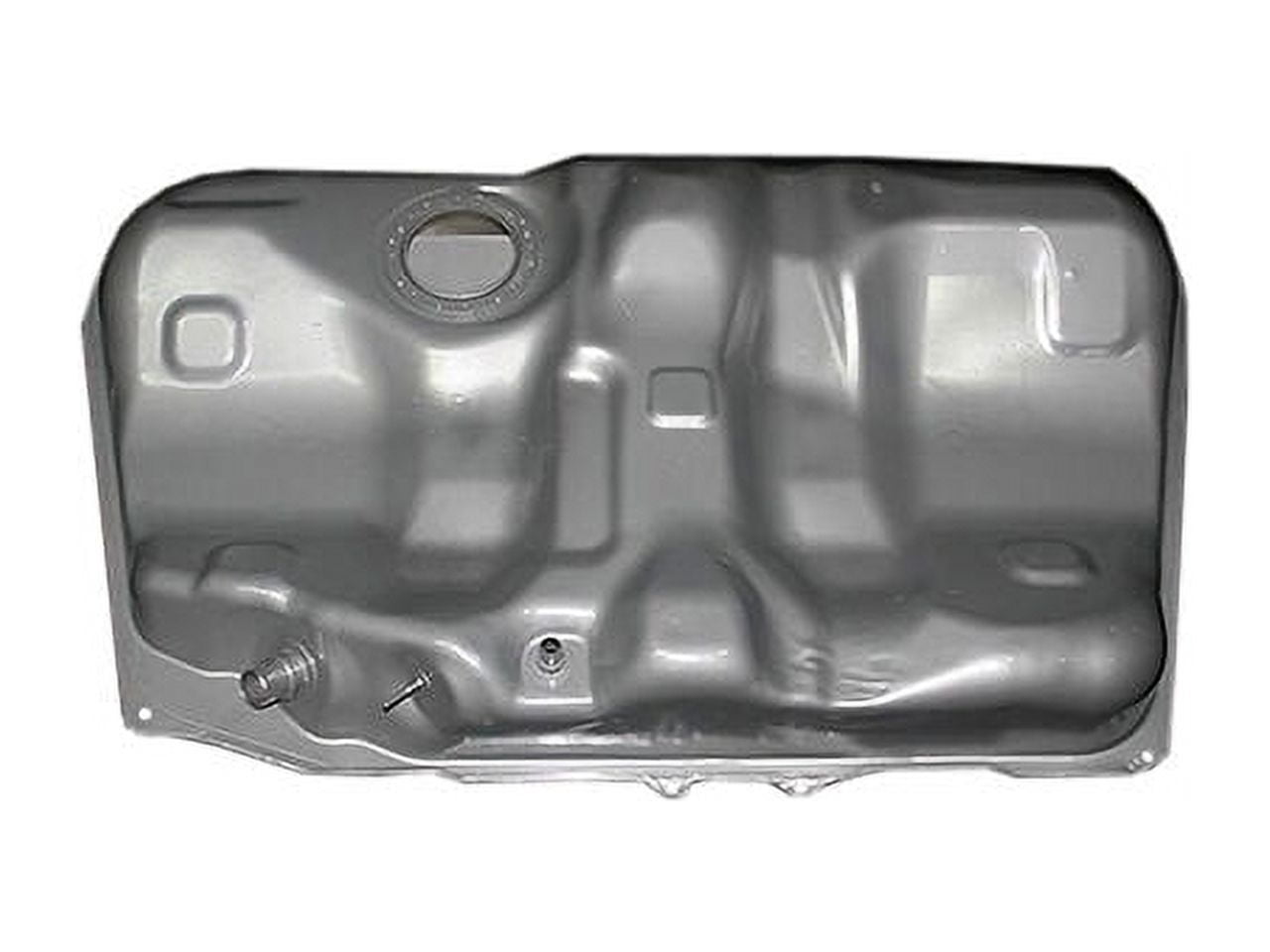
The 2008 Toyota Camry is equipped with an 18.5-gallon fuel tank for its 4-cylinder and V6 models, while the Camry Hybrid variant features a slightly smaller 17.2-gallon fuel tank to accommodate its hybrid battery pack configuration.
Understanding the specifications of a vehicle's fuel system is a fundamental part of routine automotive ownership, particularly when it comes to tracking fuel economy, planning long road trips, and managing maintenance schedules. For drivers of the popular XV40 generation of the Toyota Camry, which spans model years 2006 through 2011, knowing the exact capacity of the fuel reservoir helps dispel common myths about fuel gauges, reserve capacities, and refueling limits. This guide breaks down the precise dimensions, variations, and operational insights for the 2008 Toyota Camry fuel system.
Overview of the 2008 Toyota Camry Fuel System
The 2008 model year represents the heart of the sixth-generation Toyota Camry. Renowned for its reliability, comfort, and broad consumer appeal, this iteration was offered with multiple powertrain options, including a 2.4-liter 4-cylinder engine, a 3.5-liter V6 engine, and a 2.4-liter hybrid powertrain.
While engineers designed the body style and chassis to maximize interior passenger space and trunk volume, they also had to balance fuel weight, center of gravity, and driving range. The resulting fuel tank capacities vary slightly depending on whether the vehicle draws power exclusively from a traditional internal combustion engine or utilizes Toyota’s Hybrid Synergy Drive system.
Knowing these specifications prevents guesswork at the pump and provides an accurate baseline for calculating miles per gallon (MPG) during daily commutes or highway travel.
Detailed Breakdown by Powertrain Configuration
Not all 2008 Toyota Camry models are built with the exact same fuel storage capacity. Drivetrain packaging requirements dictate minor differences between conventional gas-powered models and the hybrid alternative.
Conventional Models (4-Cylinder and V6)
Both the standard 2.4-liter 4-cylinder engine (designated 2AZ-FE) and the robust 3.5-liter V6 engine (designated 2GR-FE) share the same underlying chassis architecture regarding fuel storage.
- Fuel Tank Capacity: 18.5 U.S. gallons (approximately 70 liters).
- Application: Found across all trim levels for conventional gasoline models, including the CE, LE, SE, and XLE.
Because the physical placement of the exhaust system, driveshaft tunnel (for potential AWD variants in other global markets, though U.S. models are front-wheel drive), and rear suspension components are identical between the 4-cylinder and V6 versions in the U.S., Toyota utilized a uniform fuel tank molding for both.
Hybrid Models
The 2008 Toyota Camry Hybrid introduces an electrified powertrain that pairs an electric motor with a 2.4-liter 4-cylinder Atkinson-cycle engine. Due to the integration of the nickel-metal hydride (NiMH) traction battery pack—which sits behind the rear seatback—the engineering team had to alter the underfloor packaging slightly.
- Fuel Tank Capacity: 17.2 U.S. gallons (approximately 65 liters).
- Application: Exclusive to the Camry Hybrid sedan variant of the 2008 model year.
Despite the 1.3-gallon reduction compared to its non-hybrid siblings, the Camry Hybrid achieves significantly higher fuel efficiency, resulting in an overall driving range that often exceeds that of the standard V6 and matches or beats the standard 4-cylinder.
2008 Toyota Camry Fuel Tank Specifications Summary
| Powertrain Type | Engine Size | Fuel Tank Capacity (Gallons) | Fuel Tank Capacity (Liters) | Estimated Max Range (Miles) |
|---|---|---|---|---|
| 4-Cylinder (Gas) | 2.4L I4 | 18.5 gal | 70 L | ~400 – 550 miles |
| V6 (Gas) | 3.5L V6 | 18.5 gal | 70 L | ~350 – 480 miles |
| Hybrid (Gas/Electric) | 2.4L I4 Hybrid | 17.2 gal | 65 L | ~550 – 600+ miles |
Note: Estimated ranges are calculated based on EPA fuel economy ratings and assume mixed driving conditions with a standard reserve margin.
Understanding the "Reserve" Fuel Phenomenon
A common point of confusion for 2008 Toyota Camry owners involves filling up the tank when the low fuel warning light illuminates. Many drivers report that when the low fuel light triggers, they can only pump around 14 to 15 gallons into an 18.5-gallon tank, leading them to wonder if their gauge is malfunctioning or if their tank is actually smaller than advertised.
How the Low Fuel Warning Works
In the 2008 Camry, the low fuel warning light typically illuminates when there are roughly 2.5 to 3.0 gallons of fuel remaining in the tank. Toyota engineered this generous safety buffer to prevent drivers from experiencing fuel starvation on highways or in remote areas where gas stations are sparse.
- Total Capacity: 18.5 gallons
- Usable Fuel Before Warning: ~15.5 to 16.0 gallons
- Reserve Buffer: ~2.5 to 3.0 gallons
Why You Should Avoid Driving on Reserve
While it is helpful to know that a few gallons remain after the warning light comes on, intentionally pushing the car to the absolute limit of its range introduces mechanical risks.
- Fuel Pump Cooling: Electric fuel pumps located inside the gas tank rely on surrounding gasoline for cooling and lubrication. Consistently running the tank down to fumes exposes the pump to excessive heat, which can shorten its operational lifespan.
- Debris Ingestion: Over years of operation, microscopic sediment and particulate matter can settle at the bottom of the fuel tank. Driving on a nearly empty tank increases the likelihood that the fuel pump will draw this sediment into the fuel filter and fuel injectors.
Real-World Driving Range and Fuel Economy
A large fuel tank provides little practical benefit without matching efficiency. The 2008 Toyota Camry offers competitive fuel economy figures that, when multiplied by the 18.5-gallon (or 17.2-gallon) capacity, yield impressive driving distances between fill-ups.
Fuel Economy Expectations
- 2008 Camry 4-Cylinder (Automatic/Manual): Achieves an EPA-estimated range of roughly 21 miles per gallon (mpg) in city driving and 30 mpg on the highway.
- 2008 Camry V6: Delivers an EPA-estimated range of around 19 mpg city and 28 mpg highway.
- 2008 Camry Hybrid: Excels with an EPA-estimated range of approximately 33 mpg city and 34 mpg highway.
Calculating Your True Range
To determine how far your specific 2008 Camry can travel on a single tank, rely on your vehicle's current fuel efficiency rather than historical window-sticker estimates. Over time, engine wear, tire pressure, alignment, and driving habits alter your actual MPG. Multiply your real-world MPG by your usable fuel capacity (subtracting about 1.5 to 2 gallons as a safety margin) to find a reliable long-distance trip threshold.
Practical Guidance for Refueling and Maintenance
Maintaining the fuel system on a vehicle from the mid-2000s requires adhering to basic automotive upkeep principles. Neglecting the fuel tank, filler neck, or emissions components can trigger check-engine lights and lead to inspection failures.
The "Do Not Top Off" Rule
When refueling your 2008 Toyota Camry, always stop pumping fuel at the first automatic click of the nozzle. Continuing to squeeze the handle to "top off" the tank forces liquid gasoline into the EVAP (evaporative emission control) charcoal canister. This system is designed to trap fuel vapors, not liquid fuel. Saturating the charcoal canister can ruin the component, trigger a diagnostic trouble code (such as P0440 or P0442), and cause rough idling or refueling difficulties.
Addressing Gas Cap Warnings
Older vehicles are prone to degraded rubber seals on the fuel filler cap. If the cap fails to seal tightly, ambient air leaks into the pressurized fuel system, triggering the Check Engine light or a specific "Check Gas Cap" message on the multi-information display. Replacing a worn gas cap is an inexpensive, routine fix that restores proper fuel system pressurization.
Frequently Asked Questions
How many gallons does a 2008 Toyota Camry gas tank hold?
The standard 2008 Toyota Camry holds 18.5 gallons of fuel for both the 4-cylinder and V6 engine configurations. The 2008 Camry Hybrid model features a slightly smaller 17.2-gallon tank to accommodate the hybrid battery pack.
How many miles can a 2008 Toyota Camry go on a full tank?
Depending on the engine and driving conditions, a standard 4-cylinder or V6 Camry can travel between 350 and 550 miles on a single fill-up. The Camry Hybrid frequently exceeds 550 to 600 miles per tank due to its superior fuel economy in city environments.
Why does my gas gauge say empty when I still have gas left?
Toyota designs the fuel gauge and low fuel warning light to trigger with a built-in safety reserve of approximately 2.5 to 3 gallons remaining. This ensures drivers have adequate time to find a gas station before running completely out of fuel.
Is it safe to drive my 2008 Camry until the fuel light comes on?
While safe on occasion, making a habit of driving on low fuel can cause premature wear on the in-tank electric fuel pump, which uses gasoline for cooling. It also risks drawing accumulated debris from the bottom of the tank into the fuel system.
Can I upgrade my 2008 Toyota Camry fuel tank to a larger size?
No aftermarket or factory larger-capacity fuel tanks are available for this generation of the Camry. The physical space beneath the vehicle chassis is tightly optimized for the exhaust, suspension, and safety crumple zones, leaving no room for a larger fuel reservoir.
Conclusion
Knowing that your 2008 Toyota Camry features an 18.5-gallon fuel tank (or 17.2 gallons for the hybrid) removes the guesswork from monitoring your vehicle's range and fuel economy. By understanding the built-in fuel reserve and practicing proper refueling habits—such as stopping at the first pump click—you can maintain your vehicle's emissions system and fuel pump for years to come. Always monitor your real-world fuel economy to plan long trips accurately and keep your sedan operating at peak efficiency.