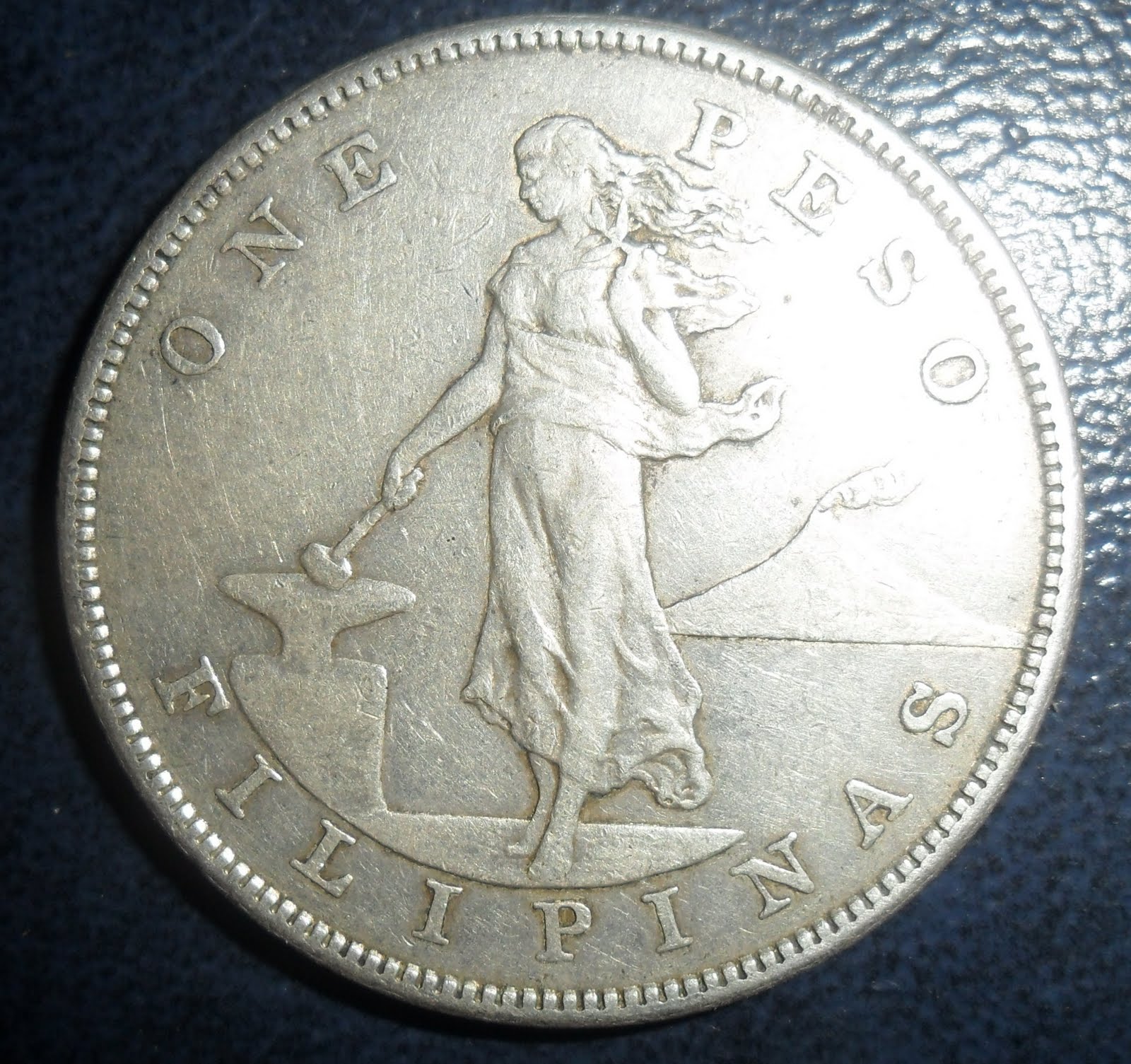
The modern Philippine 1-peso coin has a diameter of 23 millimeters, weighs 6.0 grams, and is part of the New Generation Currency Coin Series issued by the Bangko Sentral ng Pilipinas (BSP). Its physical specifications and historical evolution reflect decades of economic shifts, technological advancements, and changing national iconography.
Physical Specifications of the Current 1-Peso Coin
Understanding the physical properties of the circulating 1-peso coin requires examining its official dimensions and material composition as regulated by the Bangko Sentral ng Pilipinas. As the backbone of everyday retail transactions, the coin is engineered for durability, counterfeit deterrence, and machine-readability.
Dimensions, Mass, and Composition
The current 1-peso coin features a distinct metallic composition and precise measurements designed to withstand heavy commercial circulation.
- Diameter: 23.0 millimeters
- Weight: 6.0 grams
- Thickness: Approximately 2.0 millimeters
- Shape: Perfectly round with a plain edge
- Composition: Nickel-plated steel, giving it a silver-like appearance, which replaced the older brass and copper-nickel compositions of previous series.
The choice of nickel-plated steel provides significant resistance to corrosion and wear while lowering the intrinsic production cost for the central bank compared to historical alloy mixtures.
Security and Design Elements
The obverse side of the current 1-peso coin features the profile of José Rizal, a national hero of the Philippines, accompanied by the microprinted text "REPUBLIKA NG PILIPINAS" and the denomination "1 PISO". The reverse side displays the logo of the Bangko Sentral ng Pilipinas, the year of minting, and a stylized depiction of the Waling-waling (Euanthe sanderiana), one of the country's most prized endemic orchids.
These design elements serve both aesthetic and security purposes. The fine details on the floral motif and the portrait are difficult for counterfeiters to replicate accurately using cheap casting methods, while the uniform weight and electromagnetic signature allow vending machines and automated payment systems to authenticate the currency.
Chronological Evolution of the 1-Peso Coin Series
The 1-peso denomination has undergone multiple redesigns since its modern inception. Each coin series mirrors the economic realities, artistic trends, and political transitions of the Philippines across the 20th and 21st centuries.
The English Series (1958–1967)
Following the establishment of the Central Bank of the Philippines in 1949, the country moved away from direct American colonial currency designs. The early 1-peso coin introduced during this era was large, struck in 90% silver, and featured English text, reflecting the country's administrative history. These silver coins are now considered rare numismatic collectibles due to their precious metal content and limited active circulation period.
The Pilipino Series (1969–1974)
As part of the Filipinization movement under President Ferdinand Marcos, the Central Bank introduced the Pilipino Series. For the first time, denominations were rendered in the national language ("Piso"). The 1-peso coin from this era was minted in a copper-nickel alloy, featuring the profiled image of José Rizal on the obverse and the national seal on the reverse.
The Ang Bagong Lipunan Series (1975–1982)
The Ang Bagong Lipunan (ABL) series replaced the Pilipino series during the martial law era. The 1-peso coin retained Rizal's likeness but incorporated the "ABL" legend and updated minting typography. These coins were produced in large quantities to support a growing national economy experiencing moderate inflation.
The Flora and Fauna Series (1983–1994)
In the 1980s, the Central Bank launched the Flora and Fauna coin series to highlight the rich biodiversity of the Philippine archipelago. The 1-peso coin from this series featured José Rizal on the obverse, but the reverse broke from traditional heraldic designs by depicting a native animal or plant, aligning with global numismatic trends of environmental awareness.
The BSP Coin Series (1995–2017)
Following the creation of the modern Bangko Sentral ng Pilipinas under the New Central Bank Act of 1993, the BSP series was introduced. The 1-peso coin in this series was minted in a copper-nickel alloy (75% copper, 25% nickel), giving it a distinct golden-brass color. It featured José Rizal on the obverse and the old BSP seal on the reverse. This iteration remained in circulation for over two decades, making it one of the most widely recognized coins by contemporary Filipinos.
The New Generation Currency (NGC) Coin Series (2018–Present)
To address issues of smuggling, hoarding, and counterfeiting of the older golden-colored 1-peso and 5-peso coins, the BSP launched the New Generation Currency Coin Series in 2018. The new 1-peso coin returned to a silver color via nickel-plated steel, distinct from the bronze-hued 5-peso coin of the same series. This visual and tactile differentiation helps visually impaired individuals and cash handlers quickly distinguish between denominations.
| Coin Series | Years Active | Primary Metal Composition | Diameter | Weight | Obverse Feature |
|---|---|---|---|---|---|
| English Series | 1958–1967 | 90% Silver, 10% Copper | 38.1 mm | 26.95 g | José Rizal |
| Pilipino Series | 1969–1974 | Copper-Nickel | 31.0 mm | 11.50 g | José Rizal |
| ABL Series | 1975–1982 | Copper-Nickel | 31.0 mm | 11.50 g | José Rizal |
| Flora & Fauna | 1983–1994 | Copper-Nickel | 29.0 mm | 9.50 g | José Rizal |
| BSP Series | 1995–2017 | Copper-Brass | 24.0 mm | 6.10 g | José Rizal |
| NGC Series | 2018–Present | Nickel-Plated Steel | 23.0 mm | 6.00 g | José Rizal |
Economic Role and Minting Standards
The 1-peso coin occupies a vital tier in the Philippine monetary system. As a baseline unit for micro-transactions, public transportation fares, and retail change, its steady supply is managed directly by the Security Plant Complex of the Bangko Sentral ng Pilipinas.
Production and Quality Control
Minting coins for an archipelago of over one hundred million people requires strict quality assurance protocols. The BSP utilizes automated blanking, edging, and striking presses that apply millions of kilograms of pressure to metal blanks.
Each batch undergoes rigorous testing for weight variance, magnetic properties, and dimensional accuracy. Coins that deviate outside strict tolerances are remelted to prevent defective currency from entering circulation.
Demonetization and Legal Tender Status
Older coin series—such as the Flora and Fauna and the BSP Series—frequently undergo formal demonetization processes managed by the central bank. While historical coins retain numismatic value for collectors, only the New Generation Currency Series coins serve as legal tender for all public and private debts in the Philippines.
The BSP periodically issues guidelines allowing citizens to exchange demonetized coins at authorized banks or through the central bank's online registration platforms without financial loss.
Frequently Asked Questions
Are older golden 1-peso coins still legal tender?
No. Older 1-peso coins from the BSP Coin Series (golden brass color, issued from 1995 to 2017) have been demonetized by the Bangko Sentral ng Pilipinas. They are no longer accepted for commercial transactions, though they could previously be exchanged or replaced during prescribed transition periods designated by the central bank.
Why did the BSP change the color of the 1-peso coin from gold to silver?
The color change in 2018 was implemented primarily to prevent confusion with other denominations, particularly the 5-peso coin, and to deter counterfeiting. By switching the 1-peso coin to a silver nickel-plated steel and enlarging the 5-peso coin with a distinct scalloped edge, the BSP improved tactile and visual differentiation for the public and automated vending machinery.
What is the composition of the modern 1-peso coin?
The current 1-peso coin of the New Generation Currency series is made of nickel-plated steel. This composition ensures structural rigidity, rust resistance, and a lower manufacturing cost than the copper-nickel or brass alloys used in 20th-century coin production.
How can I verify if a 1-peso coin is counterfeit?
Genuine 1-peso coins feature crisp, high-relief microprints, exact dimensions (23 mm diameter), and a precise weight of 6.0 grams. Counterfeit coins often feel lighter, exhibit blurry lettering on the Rizal portrait or the Waling-waling orchid, and may show irregular edge plating or discoloration.
Can damaged 1-peso coins be exchanged at banks?
Yes. Under BSP regulations, mutilated or damaged Philippine currency—including bent, corroded, or chemically altered coins—can be presented to any commercial bank or directly to the BSP for evaluation and possible redemption, provided the coin's authenticity and primary features remain verifiable.