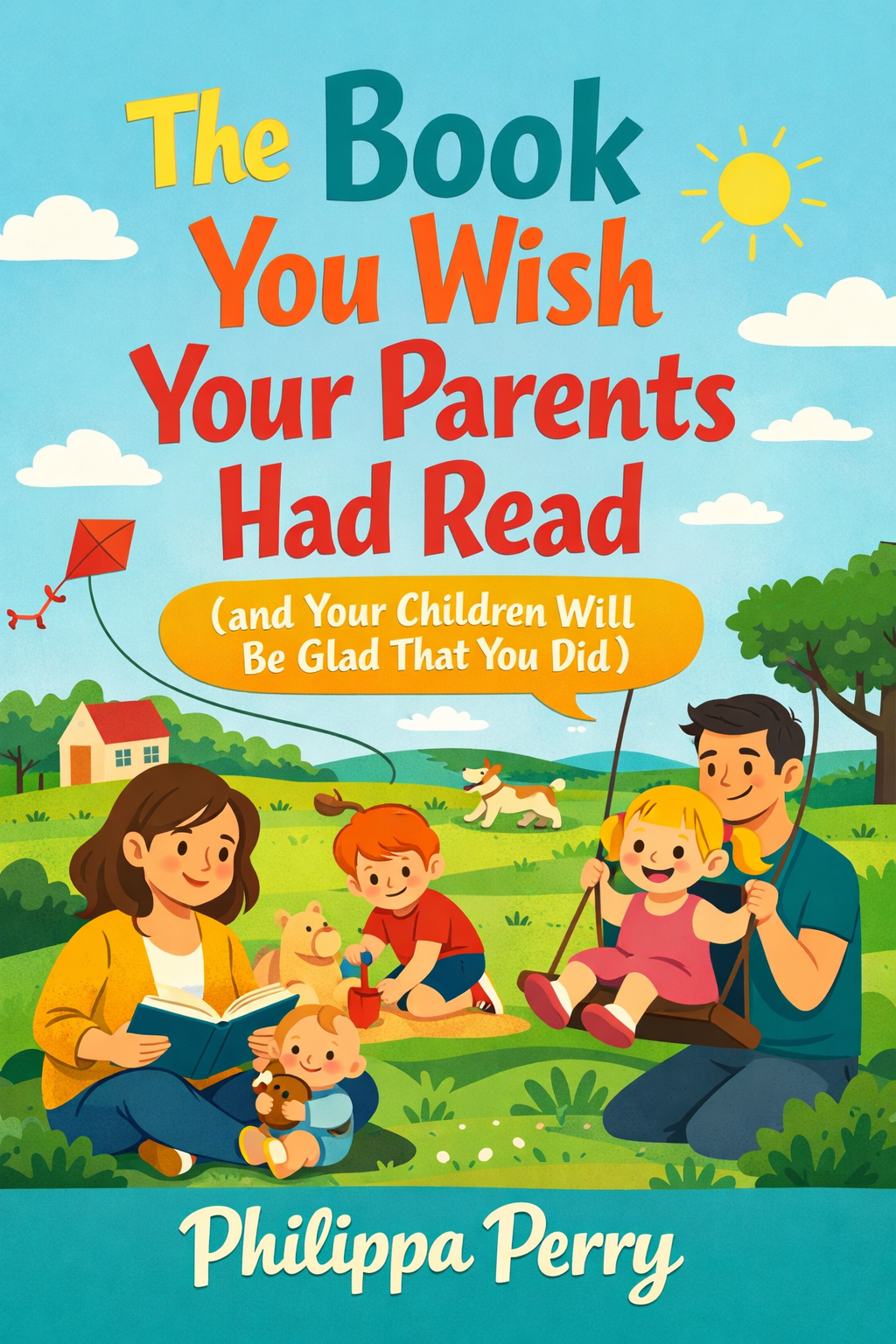
As You Wish Publishing operates as a boutique independent publishing house and service provider that assists authors in navigating the transition from manuscript completion to professional market release. The organization focuses on providing editorial, design, and distribution support tailored to the specific needs of writers seeking to retain creative control while achieving a commercial standard of presentation for their literary works.
Understanding the Independent Publishing Model
The rise of independent publishing has fundamentally altered the landscape of the book industry, moving away from the gatekeeper-led model of traditional trade publishing. For authors choosing to work with services like As You Wish Publishing, the primary goal is often the retention of intellectual property rights and higher royalty percentages. Unlike traditional publishers who bear the cost of production in exchange for majority ownership, independent publishing services operate on a service-for-fee model.
In this model, the author acts as the project manager and investor, while the publishing service provider acts as the production and distribution partner. This requires a shift in mindset: the author is not just the creator but also the primary stakeholder. Understanding the contractual obligations and the specific services offered by such firms is the first step toward a successful publication lifecycle.
Scope of Services: Editorial and Production
When engaging with a publisher that offers independent support, the scope of work usually spans three distinct phases: pre-press, production, and distribution.
- Editorial Review: Before a book reaches a reader, it must undergo rigorous editing. This includes structural editing to refine the pacing of the narrative, copy editing for grammar and stylistic consistency, and proofreading to catch typographical errors. As You Wish Publishing typically assists in connecting authors with editors who specialize in their specific genre—whether it be contemporary fiction, historical research, or personal memoir.
- Interior Design and Layout: A professional interior is often what separates an amateur manuscript from a commercial product. This involves selecting appropriate typography, managing white space for readability, and ensuring the front and back matter (such as acknowledgments, tables of contents, and indices) are formatted correctly for both print and digital platforms.
- Cover Art and Branding: In the current book market, the cover is the most significant marketing asset. Design services usually involve a collaborative process where the author’s vision is synthesized with current market trends. A compelling cover must convey the genre and tone of the book at a glance, which is a specialized skill set requiring graphic design proficiency.
The Financial and Legal Reality of Publishing
Entering into an agreement with any publishing service requires a clear understanding of the financial commitment and legal ownership. Because the author retains the copyright, the author is also responsible for the associated costs of production.
- Upfront Costs: Authors should expect to pay for the production of the book. This typically includes the editorial fees, design fees, and the cost of ISBN (International Standard Book Number) registration if it is not provided as part of a package.
- Royalties: One of the main advantages of independent publishing is the royalty structure. Since the author assumes the risk of production, they receive a significantly higher percentage of the net proceeds from each book sold compared to traditional publishing agreements.
- Copyright Ownership: As the creator, the author remains the legal owner of the work. It is crucial to verify that the publishing agreement does not include "rights grab" clauses that could impact the author’s ability to license the book for film, television, or foreign translation in the future.
Comparative Overview of Publishing Paths
To decide whether a service-based publishing house is the correct route, authors must weigh their goals against the different models available in the 2026 market.
| Feature | Traditional Publishing | Independent Publishing Services | Self-Publishing (DIY) |
|---|---|---|---|
| Control | Low (Publisher decides) | High (Author decides) | Total (Author decides) |
| Upfront Cost | None (Paid by publisher) | Moderate (Author pays) | Low/Moderate |
| Royalty Rate | Low (Typically 8-15%) | High (Typically 70-90%) | High (70-90%) |
| Market Access | High (Bookstores, media) | Variable (Depends on effort) | Variable (Depends on effort) |
| Skill Required | Low | Low (Services provided) | High (Requires technical skill) |
Prerequisites for Submission and Success
Before reaching out to a publishing partner, an author must have a finished manuscript. "Finished" does not simply mean the final chapter is written; it means the document is in a state ready for professional review. Attempting to submit a first draft to a publishing service often leads to unnecessary expenses during the editorial phase.
Authors should prepare a "submission packet," which typically includes:
- A concise synopsis that summarizes the plot or central argument.
- A target audience analysis, identifying who is most likely to purchase the book.
- A marketing plan that outlines how the author intends to promote the book once it is published.
Even with a professional publishing service, the marketing burden almost always falls on the author. In 2026, successful book marketing involves an integrated approach combining social media presence, email newsletters, and potential local speaking engagements or bookstore events.
Addressing Common Pitfalls and Troubleshooting
The most common mistake authors make is failing to define the "finish line." Because services are provided for a fee, authors often find themselves in "scope creep," where they continue to pay for additional rounds of editing or design changes that exceed their budget. To avoid this:
- Establish a Contractual Scope: Ensure that the number of editorial passes and the number of design iterations are clearly defined in the initial agreement.
- Request a Timeline: A professional publisher should be able to provide a clear project management schedule, including milestones for when the manuscript will be handed off, when design proofs will be provided, and when the files will be ready for print.
- Verify Distribution: Ensure that the publishing service actually delivers the book to major retailers. Simply printing a book is not the same as making it available for purchase through global distribution networks.
If an author encounters a discrepancy, such as a missed deadline or an unauthorized change to the text, the contract should contain a dispute resolution clause. Always maintain written records of all communication regarding changes to the manuscript or deviations from the agreed-upon project plan.
Frequently Asked Questions
1. Does As You Wish Publishing take a percentage of my future book sales? Most boutique independent services operate on a service-fee model rather than a royalty-share model. You should review your specific contract to ensure that you are receiving the full net royalty payment from retailers like Amazon, Barnes & Noble, or Ingram, as the publisher should be facilitating the account setup rather than acting as a royalty collector.
2. Can I use my own cover art or editor if I work with this publisher? Policies vary by provider. Some houses mandate that all work must pass through their internal quality control and vetted professionals to ensure the brand standard. Others may allow you to bring your own contractors, though they may charge a "coordination fee" to manage those assets.
3. Will my book be available in physical bookstores? Distribution is handled via wholesale networks like Ingram. While this makes your book orderable by any bookstore in the world, it does not guarantee that bookstores will stock your book on their shelves. That requires separate marketing and sales efforts aimed at individual bookstore buyers.
4. What happens to my publishing rights if the company goes out of business? Because you own the copyright, the rights remain yours. However, you should ensure that you have access to your high-resolution interior and cover files. If you do not possess these final "print-ready" files, you may struggle to republish the book if the service provider ceases operations.
5. Is this considered "Vanity Publishing"? The term "vanity publishing" is often used to describe companies that profit primarily by charging authors for publication without concern for the book's quality or marketability. To ensure you are working with a legitimate service, look for a transparent business model that focuses on professional editorial standards and clear, upfront pricing rather than predatory sales tactics that promise unverified best-seller status.
Strategic Next Steps for Authors
If you have decided that an independent publishing service is the correct path for your project, your immediate next step is to perform a due diligence audit. Request a copy of their standard contract and a portfolio of titles they have previously produced. Review the quality of those books—check the interior formatting, the typography, and the professionalism of the cover art.
If the quality aligns with your expectations, schedule a consultation to discuss your specific manuscript. Prepare your budget and your list of questions regarding the timeline and distribution reach. By treating your book as a product and yourself as a professional lead, you ensure that the partnership with the publisher translates into the high-quality final product you envision.