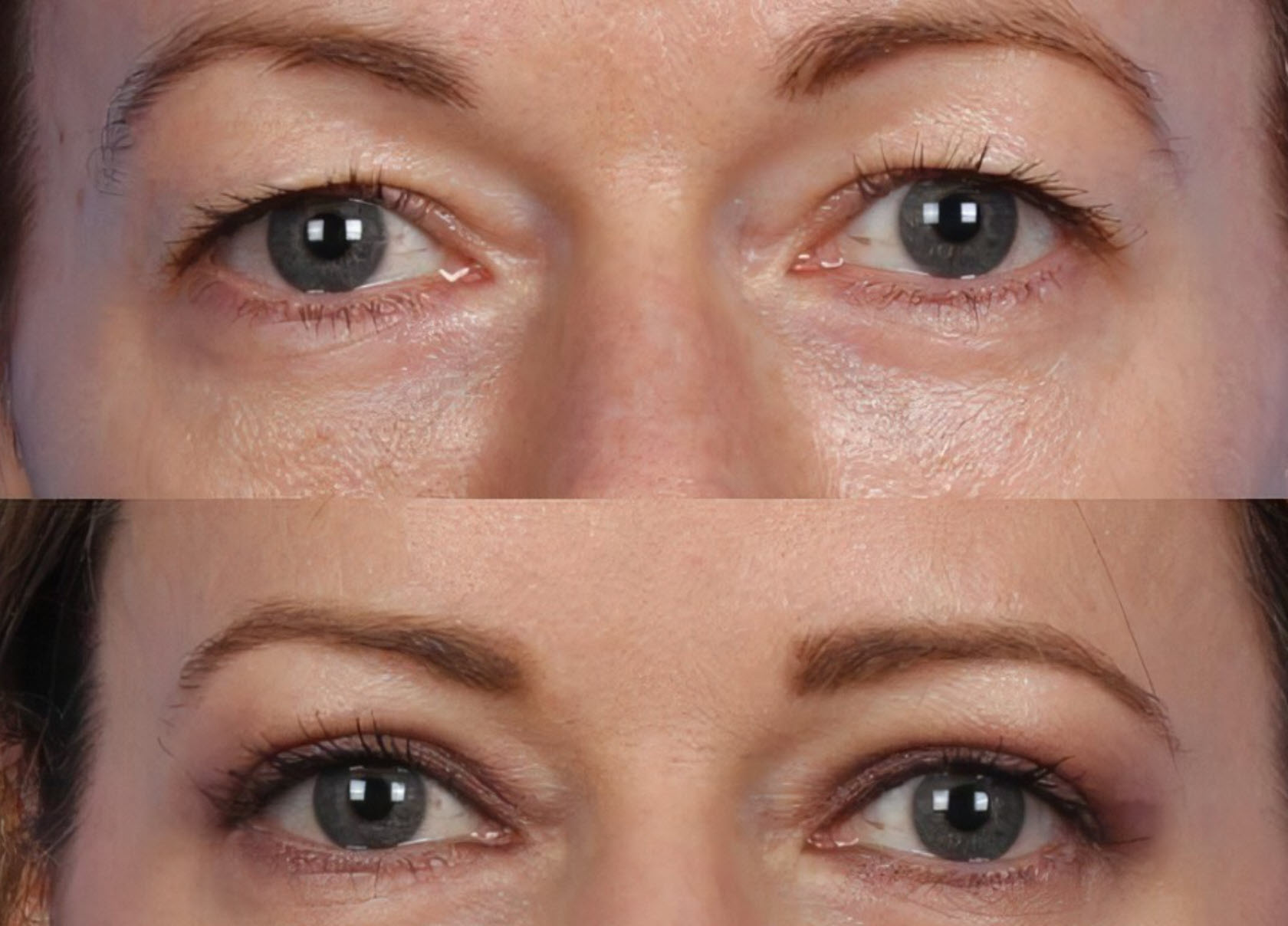
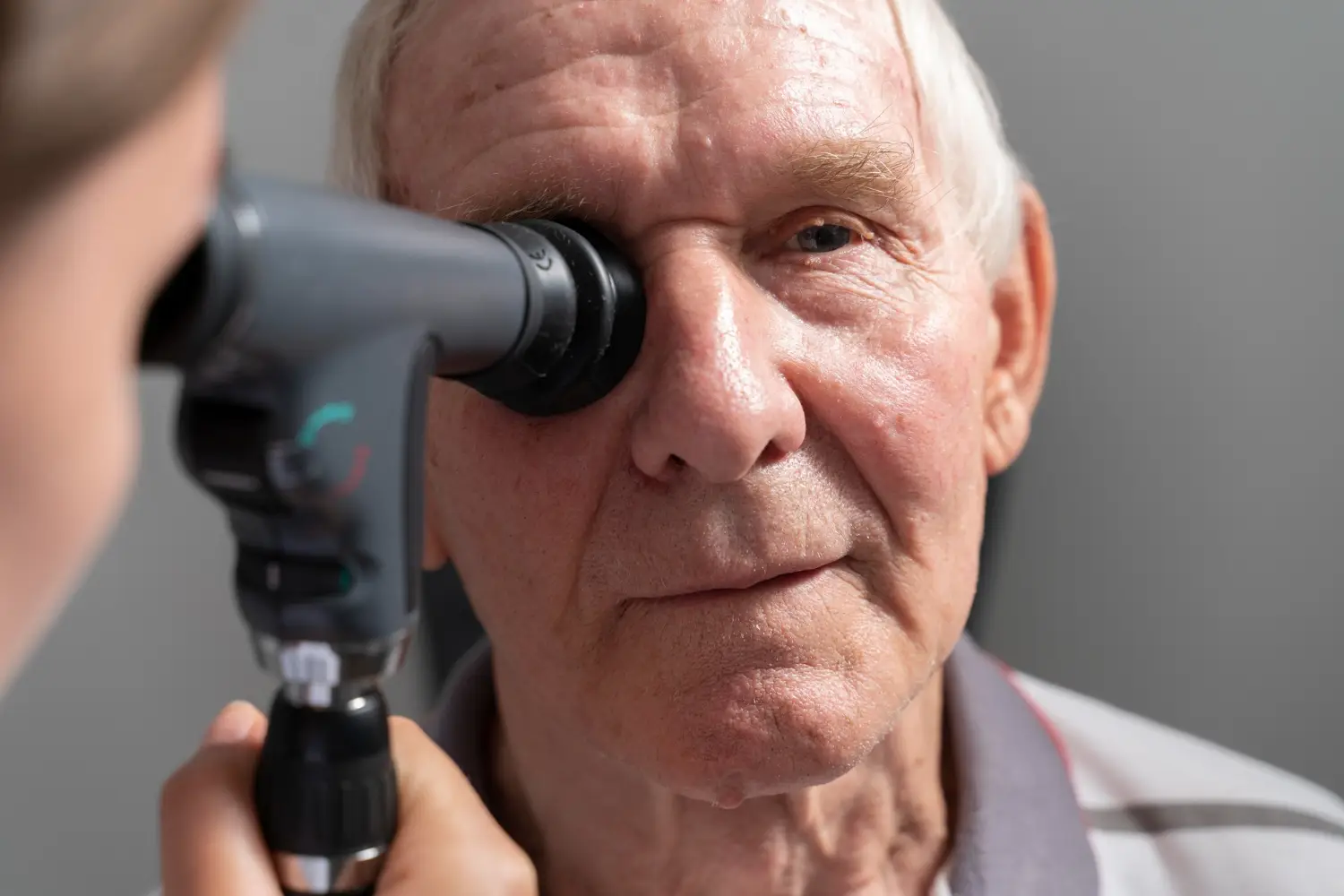
Advanced Surface Ablation (ASA), often recognized as a variant of PRK (Photorefractive Keratectomy), is a laser vision correction procedure that avoids the creation of a corneal flap. By removing the thin outer layer of the cornea (the epithelium) before reshaping the underlying tissue, ASA offers a flapless alternative for patients with thin corneas, active lifestyles, or specific structural ocular requirements.
Understanding whether ASA is the right choice for your vision correction involves evaluating your corneal health, your tolerance for recovery time, and your specific refractive goals. Unlike LASIK, which relies on a flap, ASA requires the eye to regenerate its surface layer, a process that necessitates careful post-operative management and patience, but which effectively mitigates risks associated with flap-related complications.
Understanding the Mechanics of Advanced Surface Ablation
At its core, Advanced Surface Ablation is a refractive surgery designed to correct myopia (nearsightedness), hyperopia (farsightedness), and astigmatism. The primary technical differentiator between ASA and other popular procedures like LASIK or SMILE is the handling of the corneal epithelium.
In a LASIK procedure, a femtosecond laser or a microkeratome creates a hinged flap in the cornea. This flap is lifted, the underlying stroma is reshaped with an excimer laser, and the flap is replaced. ASA, by contrast, removes the epithelium entirely—or moves it aside—to expose the stroma directly. Once the excimer laser reshapes the corneal curvature, a bandage contact lens is placed on the eye to protect the surface while the epithelial cells regenerate naturally over the following days.
Because there is no "flap" created, there is no risk of flap dislocation or interface issues, which can occur years after a LASIK procedure. This makes ASA a preferred choice for individuals who participate in high-impact contact sports, martial arts, or professions where eye trauma is a higher-than-average risk.
Assessing Your Eligibility for ASA
Not every patient is a candidate for every type of laser eye surgery. Your ophthalmologist will conduct a comprehensive pre-operative examination to determine if your eyes are structurally suitable for the procedure.
Corneal Thickness and Integrity
The most common reason for a surgeon to recommend ASA over LASIK is corneal thickness. If your cornea is naturally thin or has an irregular shape (such as early-stage keratoconus or signs of corneal instability), LASIK may be contraindicated because creating a flap removes too much tissue. ASA preserves the total thickness of the cornea, making it the safer option for those on the borderline of surgical eligibility.
Dry Eye Considerations
Many patients suffer from chronic dry eye, a condition that can be exacerbated by LASIK, as the nerve fibers responsible for tear production are severed when the flap is created. While all laser surgeries can temporarily increase dryness, patients with pre-existing dry eye disease are often directed toward ASA, as the procedure avoids the deep stromal nerve damage associated with flap creation.
Occupational and Recreational Risk
If you work in fields such as law enforcement, aviation, or military service, or if you engage in combat sports like boxing or Jiu-Jitsu, ASA is often medically prioritized. The structural integrity of the cornea remains uncompromised by a permanent flap, meaning your eyes are better equipped to withstand accidental pressure or impact post-recovery.
The ASA Procedure: What to Expect
The actual time spent in the laser suite is relatively short, typically lasting fewer than 10 minutes per eye. However, the experience differs from flap-based surgeries in both the preoperative prep and the immediate aftermath.
- Pre-procedure Numbing: You will receive anesthetic eye drops to ensure you feel no pain during the procedure.
- Epithelial Removal: Your surgeon will remove the epithelial layer. Depending on the surgeon’s specific technique, this may be done using a specialized brush (mechanical debridement), a dilute alcohol solution, or a laser-only method known as Trans-PRK.
- Excimer Reshaping: The laser is programmed based on your exact refractive error. You will be instructed to look at a fixation light while the laser reshapes your cornea.
- Protective Measures: Once the reshaping is complete, a bandage contact lens is placed on your eye to provide comfort and promote faster healing of the epithelium.
Comparing ASA to Other Refractive Options
Choosing between refractive surgeries requires a realistic look at the trade-offs between recovery speed and long-term structural benefits.
| Feature | ASA (Surface Ablation) | LASIK (Flap-based) |
|---|---|---|
| Flap Creation | No | Yes |
| Recovery Time | 3–7 days (visual stabilization) | 24–48 hours (visual stabilization) |
| Pain/Discomfort | Moderate during first 72 hours | Minimal |
| Best For | Thin corneas, active lifestyles | Quick visual recovery |
| Long-term Risk | Minimal (no flap complications) | Low (rare flap displacement) |
The Recovery Process: A Commitment to Patience
The most significant difference between ASA and other procedures is the recovery timeline. Because you are essentially waiting for the skin of your eye to regrow, the initial phase requires specific care.
- Days 1–3: You may experience light sensitivity, a sensation of having "sand" in your eyes, and fluctuating vision. This is the period when the bandage contact lens is most critical. During this time, you should avoid screens, wear sunglasses, and follow your surgeon's drop regimen strictly.
- Day 4–7: Once the surgeon confirms that the epithelium has closed, the bandage lens is removed. Vision typically begins to clear significantly, although it may still take several weeks or even months to reach your final, stable prescription.
- Long-Term Healing: Ultraviolet (UV) light can lead to corneal haze if you are not careful in the weeks following surgery. You must wear UV-protected sunglasses when outdoors during the entire recovery phase to ensure optimal outcomes.
Potential Risks and Limitations
While ASA is a highly safe and established procedure, no surgery is without risk. Understanding these can help you manage your expectations:
- Corneal Haze: In some cases, the healing process can lead to slight cloudiness in the cornea. Modern surgical techniques and the use of Mitomycin-C (a medication applied during surgery) have significantly reduced the incidence of this side effect.
- Fluctuating Vision: Because the surface of the eye is healing, your vision may improve and then seem to regress slightly. This is usually temporary and resolves as the cornea smooths out.
- Increased Sensitivity: You may find your eyes are more sensitive to glare or bright lights for the first few months.
Frequently Asked Questions
Is ASA more painful than LASIK?
Yes, generally. Because the procedure involves the removal of the surface layer of the cornea, there is a period of discomfort as the nerves heal. Most patients manage this effectively with prescribed anti-inflammatory drops, pain medication, and the bandage contact lens.
Can I have ASA if I wear contacts?
You must stop wearing contact lenses for a specific period before your consultation—usually two weeks for soft lenses and longer for hard lenses—to ensure your cornea returns to its natural shape. If you wear contacts, your surgeon will provide a personalized timeline for when to cease use before testing.
How long does the vision correction last?
The laser reshaping is permanent; however, your eyes can still experience age-related changes, such as presbyopia (the need for reading glasses) which typically begins in the mid-40s. The correction itself remains stable for the vast majority of patients.
What is Trans-PRK?
Trans-PRK is a version of ASA where the laser is used to remove the epithelium rather than a brush or alcohol. This "all-laser" approach is often cited as being less invasive and potentially promoting faster healing, though suitability depends on your specific eye anatomy.
Can both eyes be done on the same day?
Yes, it is common to have both eyes treated during the same session. However, because recovery for ASA can involve significant light sensitivity, some patients prefer to have them done one at a time to ensure they have at least one functional eye during the early healing phase.
Will my insurance cover ASA?
Most insurance plans categorize laser eye surgery as an elective or cosmetic procedure and do not cover it. However, some vision insurance plans offer discounts, and many clinics provide financing options that allow you to spread the cost over several months or years.
Final Recommendation: Taking the Next Step
The decision to undergo ASA should be made after a thorough consultation with a board-certified ophthalmologist. Before committing, ask your surgeon about their specific experience with surface ablation and how many procedures they perform annually. Be prepared to share your full medical history, including any autoimmune conditions or medications, as these can influence your healing rate.
The best path forward is to schedule a comprehensive eye exam with a clinic that offers multiple types of refractive surgery. This ensures that the surgeon is selecting the method best suited for your anatomy, rather than pushing a procedure that is simply easier for them to perform. Prioritize your long-term ocular health over the speed of recovery, and follow the pre- and post-operative instructions with precision to achieve the best possible visual outcome.