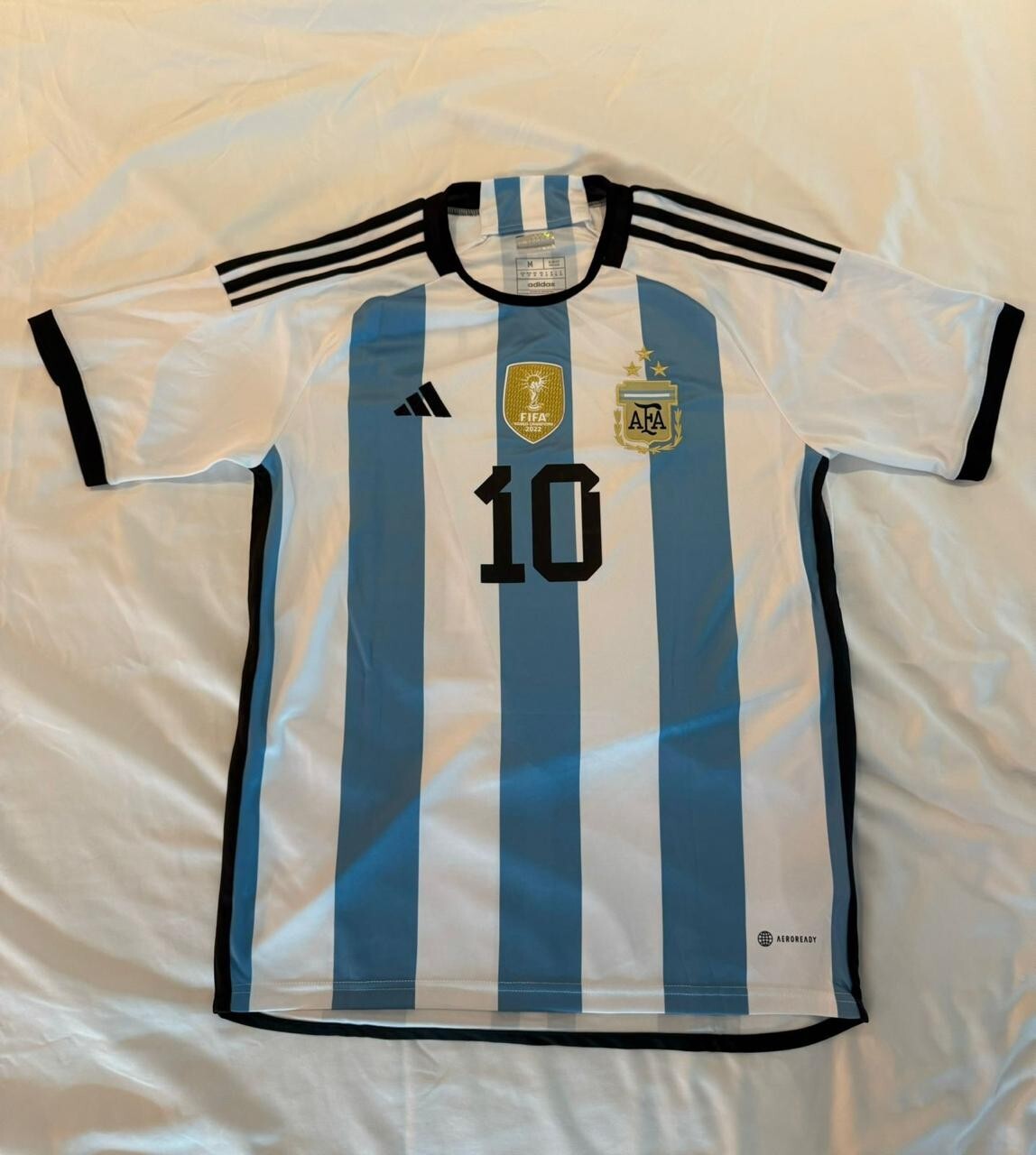
The rise of Argentina’s football icons is rooted in a unique cultural identity known as La Nuestra, characterized by individual flair, creative dribbling, and intense passion. From the pioneering days of Guillermo Stábile to the transcendent eras of Diego Maradona and Lionel Messi, these icons have shaped global football through World Cup triumphs and unparalleled technical mastery.
The history of Argentine football is not merely a timeline of matches won; it is an evolving narrative of national identity expressed through the "potrero"—the dusty, makeshift neighborhood pitches where the country's greatest talents first learned to defy logic with a ball at their feet. As of 2026, the legacy of these icons remains the gold standard for excellence, influencing how the game is played, coached, and celebrated across every continent.
The Cultural Foundations: The Birth of the "Potrero" Genius
To understand the rise of Argentina’s football icons, one must first understand the environment that breeds them. Unlike the rigid tactical systems often found in European academies, the Argentine icon is typically a product of the potrero. These are informal, uneven playing fields where young players, or pibes, develop extraordinary ball control and a predatory instinct to survive physically larger opponents.
The concept of "La Nuestra" (Our Way) emerged in the early 20th century as a rejection of the structured, physical "British style" brought over by immigrants. Argentines prioritized the gambeta—a deceptive, rhythmic style of dribbling. This cultural shift ensured that the icons rising from this region would always be defined by their technical virtuosity rather than mere athleticism. This philosophy was famously championed by early icons like José Manuel Moreno and Adolfo Pedernera, members of the legendary River Plate "La Máquina" side of the 1940s, who are often cited by historians as the tactical blueprints for the modern total football era.
The First Global Star: Guillermo Stábile and the 1930 Era
The inaugural FIFA World Cup in 1930 provided the first international stage for an Argentine icon to capture the world's imagination. Guillermo Stábile, nicknamed "El Filtrador" (The Piercer), was not even supposed to start the tournament. However, an injury to Manuel Ferreira gave him an opening, and Stábile responded by becoming the tournament's top scorer with eight goals.
Stábile’s rise was significant because it proved that Argentine players possessed the tactical intelligence to match their skill. His ability to find gaps in defenses and finish with clinical precision set a standard for the "Number 9" position in Argentina. Following his playing career, Stábile’s influence continued as a coach, leading the national team to six Copa América titles between 1941 and 1957, a record that remains a testament to his enduring impact on the nation's footballing DNA.
Mario Kempes and the 1978 Transformation
While Argentina had produced world-class talents for decades, it lacked the ultimate validation of a World Cup trophy until 1978. The icon at the center of this breakthrough was Mario "El Matador" Kempes. During the 1978 tournament held on home soil, Kempes became a symbol of national hope.
Kempes was a unique icon for his time; he possessed the height and power of a traditional center-forward but operated with the grace and vision of a playmaker. His two goals in the final against the Netherlands did more than just win a trophy; they modernized the image of the Argentine footballer. He proved that an icon could be both a powerhouse and a poet. His success also validated the "Menottista" philosophy—named after coach César Luis Menotti—which emphasized attacking beauty and psychological freedom over defensive pragmatism.
The Era of Diego Maradona: A Mythological Rise
If Kempes brought the first star, Diego Armando Maradona brought the soul. Maradona’s rise from the slums of Villa Fiorito to the pinnacle of world football is arguably the most significant arc in sports history. His performance in the 1986 World Cup in Mexico is widely regarded as the greatest individual campaign by any player in any tournament.
Maradona’s rise was fueled by a combination of supernatural talent and a rebellious spirit that resonated with the Argentine public. He was the ultimate "Pibe"—the kid who never grew up and never stopped outsmarting his rivals. His two goals against England in 1986—the "Hand of God" and the "Goal of the Century"—encapsulated the duality of the Argentine icon: a mix of picardia (cunning) and sublime genius.
Beyond the national team, Maradona’s impact on SSC Napoli in Italy further solidified his status. He took a struggling club from the Italian South and led them to two Serie A titles, challenging the dominance of the wealthy northern clubs. This narrative of the underdog rising to defeat the establishment is a core component of why Maradona remains a foundational icon in football history.
Gabriel Batistuta: The Art of the Pure Finisher
In the 1990s, the archetype of the Argentine icon shifted toward the relentless goalscorer. Gabriel "Batigol" Batistuta became the face of this era. Known for his thunderous shooting and aerial dominance, Batistuta was the primary reason Argentina remained a global force during the transition years following Maradona’s retirement.
Batistuta’s rise was characterized by loyalty and raw power. At Fiorentina, he became a legend by staying with the club even after relegation, and for the national team, he became the all-time leading scorer (a record he held until Lionel Messi surpassed him). Batistuta represented the "Garra" (grit) of Argentine football—the refusal to back down and the physical commitment required to win at the highest level.
Lionel Messi: Redefining the Zenith of Football
The 21st century saw the rise of an icon who would not only dominate his era but rewrite the entire history of the sport. Lionel Messi’s journey from Rosario to the heights of European and world football is a story of unprecedented consistency and evolution.
Messi’s rise was different from Maradona’s. While Maradona was a burst of chaotic energy, Messi was a calculated, sustained brilliance. Moving to FC Barcelona at age 13 to treat a growth hormone deficiency, Messi synthesized his innate Argentine "potrero" skills with the tactical discipline of the La Masia academy. The result was a player who could dribble like Maradona, pass like Xavi, and finish like Batistuta.
The 2022 Redemption and Global Immortality
For much of his career, Messi faced the heavy shadow of Maradona and the criticism that he could not win a major trophy for his country. However, the period between 2021 and 2022 saw a historic shift. Leading Argentina to the 2021 Copa América title and the 2022 FIFA World Cup title in Qatar, Messi finalized his ascent.
By 2026, the 2022 World Cup is viewed as the definitive moment where Messi transcended the sport. His role in Qatar was not just as a goalscorer but as a leader, echoing the spirit of the icons who preceded him. He proved that the Argentine icon is capable of evolving, moving from a silent prodigy to a vocal commander-in-chief of a national team.
Modern Icons and the Scaloni Era
The rise of icons like Ángel Di María and Emiliano "Dibu" Martínez represents the modern evolution of Argentine greatness. Di María, often the "man for the big occasion," scored the winning goals in the 2008 Olympic Final, the 2021 Copa América Final, and a crucial goal in the 2022 World Cup Final. His rise highlights the importance of the "supporting icon"—the player whose brilliance allows the primary star to shine even brighter.
Similarly, Emiliano Martínez revolutionized the role of the Argentine goalkeeper. His psychological warfare during penalty shootouts and his last-minute save against France in 2022 made him a new kind of icon—one who thrives on pressure and embodies the defiant spirit of the Argentine people. These players, under the guidance of coach Lionel Scaloni, formed "La Scaloneta," a team that prioritized collective unity without sacrificing individual icon-making moments.
Comparative Overview of Argentine Football Icons
The following table compares the careers and impacts of the most influential icons in Argentina’s rise through football history.
| Icon | Primary Era | Key Achievement | Playing Style | Legacy Impact |
|---|---|---|---|---|
| Guillermo Stábile | 1930s | 1930 WC Golden Boot | Clinical Finisher | Established Argentina as a global power. |
| Mario Kempes | 1970s | 1978 World Cup Winner | Power Playmaker | Brought the first World Cup to Argentina. |
| Diego Maradona | 1980s-90s | 1986 World Cup Winner | Creative Genius | Became a cultural and sporting deity. |
| Gabriel Batistuta | 1990s-00s | 2x Copa América Winner | Power Striker | Set the standard for the modern "No. 9." |
| Lionel Messi | 2000s-20s | 2022 World Cup Winner | Complete Attacker | Widely regarded as the greatest of all time. |
| Ángel Di María | 2010s-20s | 2022 World Cup Winner | Clutch Winger | The ultimate big-game performer. |
The Tactical Schism: Menottismo vs. Bilardismo
A significant factor in the rise of these icons is the tactical debate that has divided the country for decades. This "civil war" of football philosophy has ensured that every rising icon is scrutinized through two different lenses:
- Menottismo (César Luis Menotti): Focuses on the "right to play" with joy and offensive flair. It views football as an art form. Icons like Kempes and early Maradona were champions of this school.
- Bilardismo (Carlos Bilardo): Focuses on "winning at all costs." It is pragmatic, obsessed with details, and defensive structure. Maradona in 1986 was the perfect hybrid, playing within a Bilardo system but providing the Menotti-style magic.
This internal tension has forced Argentine icons to be exceptionally versatile, capable of adapting to rigid tactics while maintaining their individual brilliance.
Frequently Asked Questions
Why does Argentina produce so many world-class icons?
The primary reason is a combination of a deep-rooted football culture and the "potrero" system. From a very young age, Argentine children are immersed in a competitive environment that prizes ball retention and creativity. Furthermore, football serves as a primary vehicle for social mobility, creating a high-pressure environment that forges resilient and highly skilled players.
Who is considered the greatest Argentine icon: Maradona or Messi?
This remains a subjective debate. As of 2026, many statistical models and younger fans favor Lionel Messi due to his longevity, discipline, and total trophy count. However, many who lived through the 1980s still point to Diego Maradona as the more significant cultural figure, citing his ability to win with less talented teammates and his symbolic defiance of European powers.
How did the 2022 World Cup change the perception of Argentine icons?
The 2022 victory ended a 36-year drought and effectively "completed" the legacies of Lionel Messi and Ángel Di María. It also introduced a new generation of icons, such as Julián Álvarez and Enzo Fernández, who are seen as the heirs to the technical legacy of their predecessors. It solidified the idea that Argentina remains the premier factory for footballing talent.
What role did European clubs play in the rise of these icons?
While the foundations are laid in Argentina, European clubs—particularly in Spain and Italy—have provided the tactical refinement and global platforms for these icons. Icons like Maradona (Napoli), Messi (Barcelona), and Batistuta (Fiorentina) became global brands through their performances in European leagues, which in turn brought more prestige back to the Argentine national team.
Is the "Number 10" role still the most important in Argentina?
While modern football has moved toward more versatile positions, the "Number 10" (the Enganche) remains the most revered role in Argentina. It is the position of the playmaker who connects the midfield to the attack, and it is the role most closely associated with the country's greatest icons.
Next Actions for Football Enthusiasts
To truly appreciate the rise of Argentina's icons, fans and students of the game should look beyond highlights and study the matches in their historical context.
- Watch Full Replays: View the 1986 quarter-final against England or the 2022 final against France to see how icons like Maradona and Messi manage the tempo of an entire game, not just the scoring moments.
- Visit the Potreros: If traveling to Argentina, visit the neighborhood clubs in Buenos Aires or Rosario to see the grassroots level of the game.
- Read Tactical Analyses: Explore the works of Jonathan Wilson or local Argentine journalists to understand the deeper philosophical divide between Menottismo and Bilardismo.
- Follow the New Generation: Keep an eye on the rising stars in the Argentine Primera División, as the next icon is likely already making their debut on a dusty pitch in the suburbs of Buenos Aires.