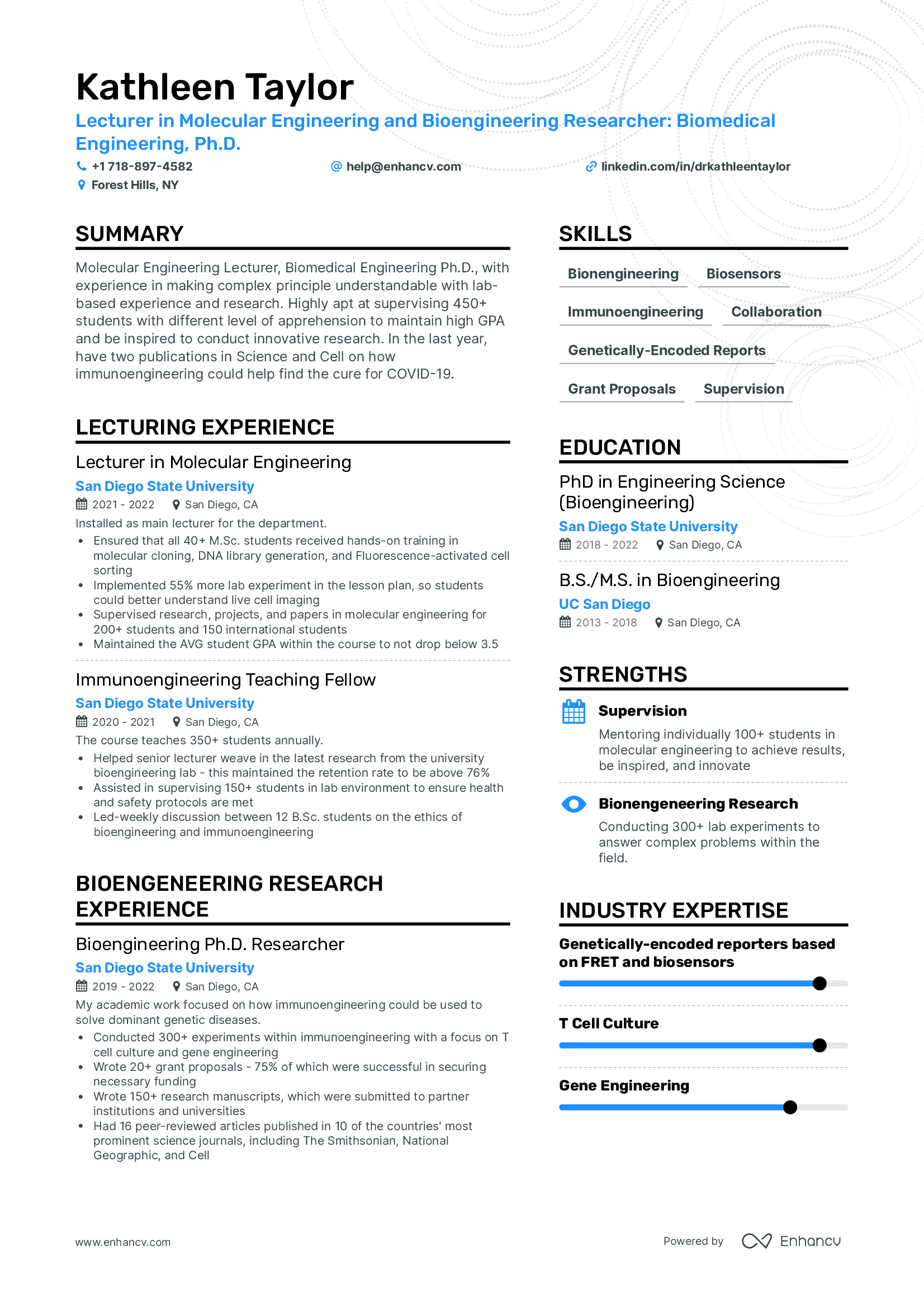
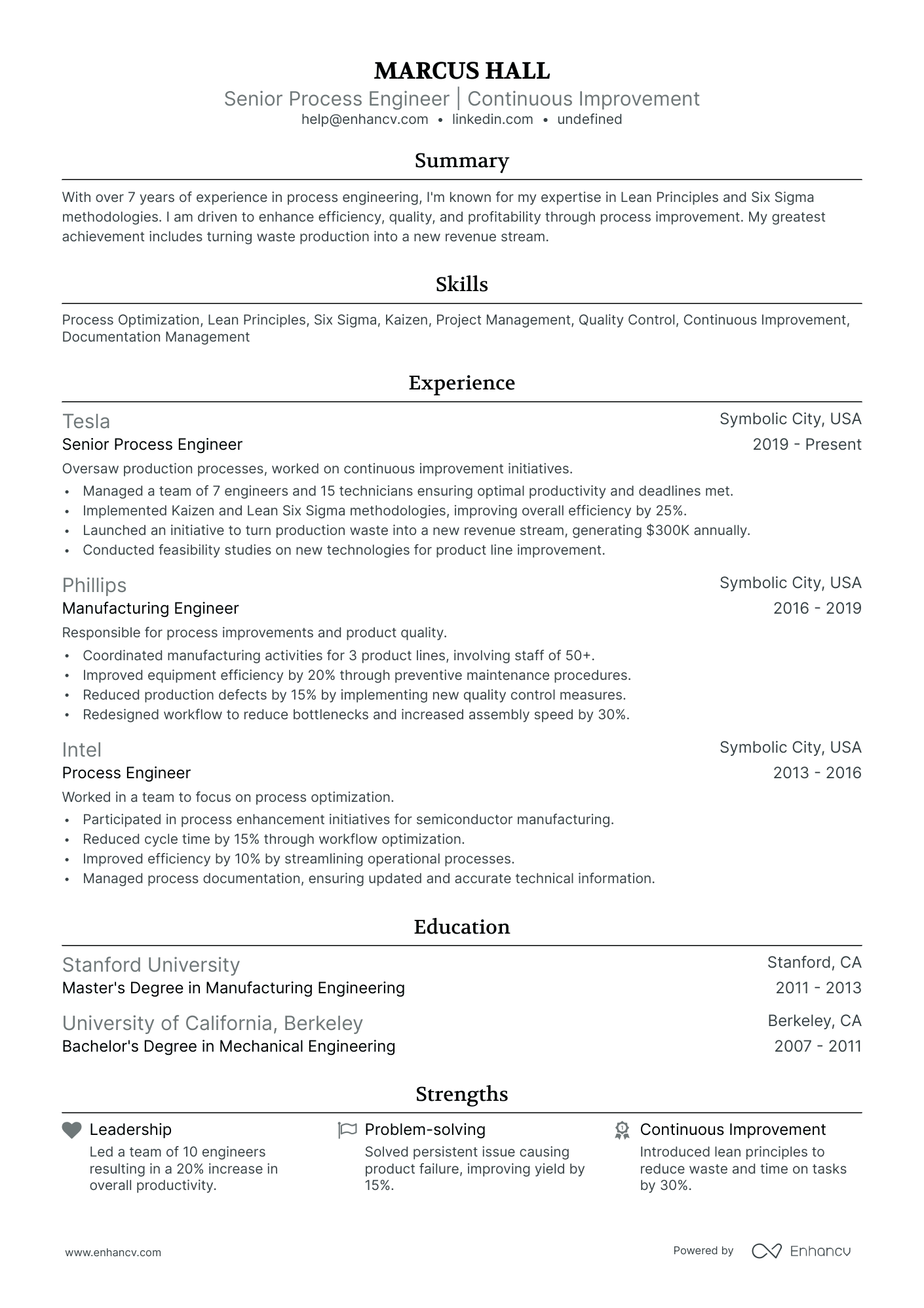
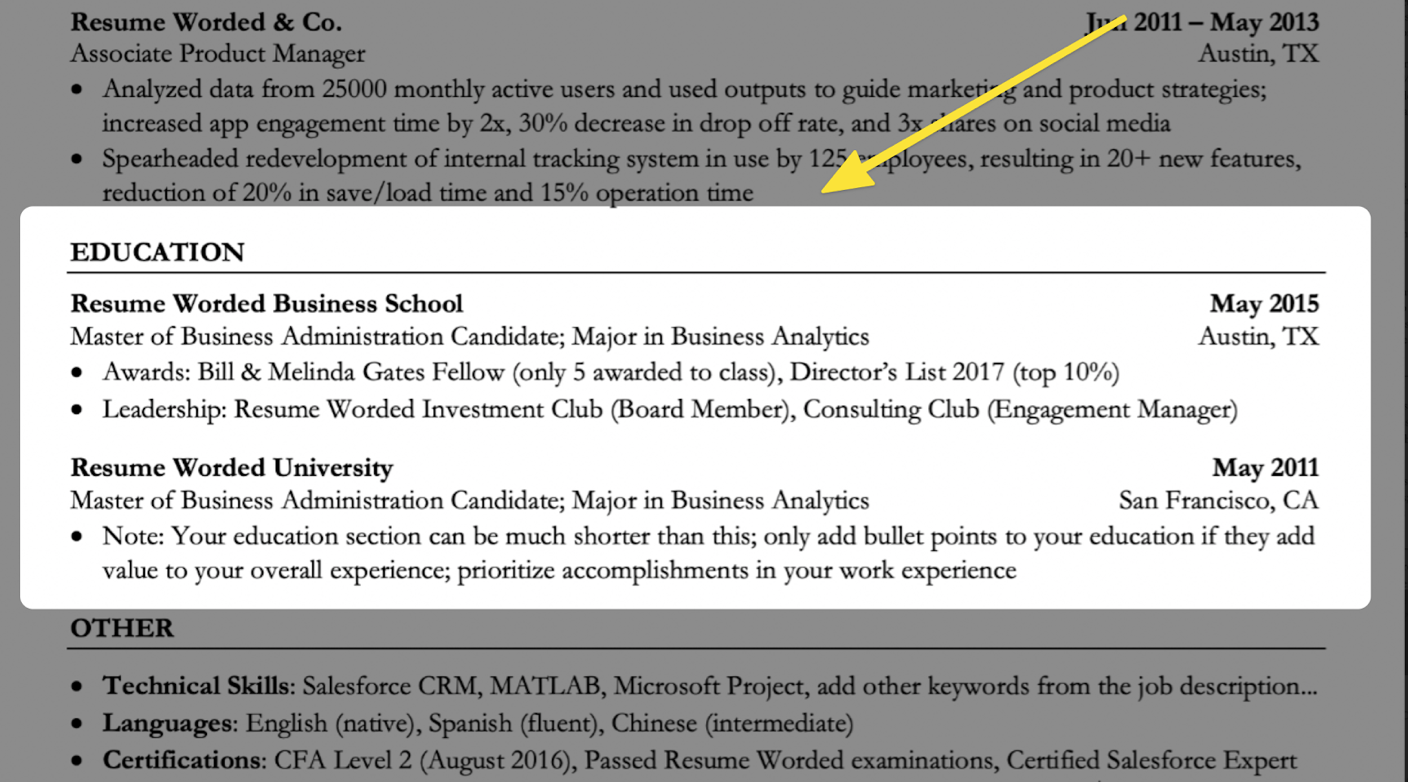
Adding a masters degree to your resume requires precise placement in your Education section to ensure recruiters and Applicant Tracking Systems (ATS) recognize your advanced credentials immediately. By listing the degree name, institution, and completion date clearly, you signal your expertise and commitment to professional development, effectively positioning yourself for senior-level opportunities.
The Role of Graduate Credentials in Your Career Profile
In 2026, the job market remains highly competitive, with employers increasingly using automated systems to screen candidates. When you obtain a masters degree, you are not simply adding another line to a document; you are providing a verified signal of specialized knowledge. For many industries—such as healthcare, engineering, and data science—a masters degree is often a baseline requirement for management or technical leadership roles.
Your goal is to ensure that this qualification does not get lost in a cluttered layout. It should serve as a bridge between your academic foundation and your professional trajectory. Whether you are a recent graduate or a seasoned professional returning to school, how you frame this accomplishment influences how hiring managers perceive your growth mindset and your ability to handle complex workloads.
Where to Position Your Masters Degree
The placement of your education depends largely on your years of professional experience.
For Recent Graduates
If you have recently completed your degree and have limited work history, place your Education section at the very top of your resume, immediately following your summary. Include relevant coursework, academic honors, and your thesis title if it aligns with the job description. This draws the eye to your most significant and recent qualification.
For Experienced Professionals
If you have five or more years of experience, the Education section should be placed after your Professional Experience section. Your work history is now the strongest indicator of your capability. However, keep the masters degree prominent by ensuring it is formatted consistently with your undergraduate degree, using bold text for the degree title and the university name.
Structuring Your Education Entry
Consistency is the most important element of ATS-friendly formatting. Use a standard chronological format. Do not use complex tables, images, or non-standard characters, as these can interfere with resume parsing software.
Standard Entry Template:
- Master of Science in [Field of Study], [University Name], [City, State], [Graduation Month/Year]
- Optional: Relevant Coursework or Capstone Project: [Project Title or Focus Area]
- Optional: Honors: [e.g., Summa Cum Laude, Dean’s List]
Avoid listing your GPA unless it is exceptionally high or you are a very recent graduate (within two years). In 2026, most recruiters prioritize evidence of skills and industry-specific certifications over academic grades once a candidate has moved past entry-level status.
Balancing Professional Experience and Academic Depth
One common challenge is determining whether to list your masters degree as the primary focus of your profile. If your degree is in a field drastically different from your work experience, use your professional summary to bridge the gap. Explain how the advanced degree has prepared you for a career pivot.
For example, if you transitioned from a career in education to data analytics, your professional summary should emphasize the analytical methodologies mastered during your graduate studies. This context prevents your resume from appearing fragmented and creates a cohesive narrative of intentional career progression.
Comparing Traditional vs. Online Masters Programs
Employers in 2026 generally do not distinguish between online and campus-based degrees provided the institution is accredited. You are not required to specify the format of your study on your resume. Whether you earned your degree through a remote program at a state university or an intensive in-person cohort, focus on the curriculum and the prestige of the issuing institution.
| Feature | Best Practice for Resume Inclusion |
|---|---|
| Degree Title | Write out the full degree name (e.g., Master of Business Administration). |
| Institution Name | Use the full, formal name of the college or university. |
| Completion Date | List the month and year of graduation; do not include start dates. |
| Accreditation | Do not list unless it is a specific, high-prestige international accreditation. |
| GPA/Grades | Omit unless required by a specific industry or for recent graduates. |
Handling In-Progress Degrees
If you are currently enrolled in a masters program, you should still include it. This shows potential employers that you are actively building your expertise. Use "Expected" or "Anticipated" followed by your graduation date.
Example for In-Progress Credentials:
- Master of Public Administration, [University Name]
- Expected Graduation: May 2027
This ensures that when an automated recruiter searches for candidates with advanced degrees, your profile appears in the results, provided the "expected" date is noted clearly.
Avoiding Common Resume Mistakes
- Over-listing Details: Do not list every class taken. Focus on the core competency that matters to the role.
- Formatting Irregularities: Do not mix font sizes or styles within the Education section. A unified look demonstrates professionalism.
- Hiding the Degree: Do not bury the masters degree in a long list of certifications. Keep it distinct. If you hold an MBA, ensure it is bolded so it is immediately visible to human readers.
- Neglecting Keywords: Use the terminology found in the job description. If a job listing requires a "Master of Science in Cybersecurity," ensure your resume reflects that exact phrasing rather than a generic "Master's degree."
Verifying and Updating Your Credentials
Before submitting your resume, verify the exact wording of your degree as listed on your diploma or official transcript. While it is acceptable to use common abbreviations like "MBA" or "MS," the official title should be listed at least once in its full form to assist background check systems.
If your masters program included a specialization or concentration, include this as it often acts as a key differentiator. For instance, a "Master of Arts in Psychology with a concentration in Industrial-Organizational Psychology" is significantly more descriptive and relevant to a corporate HR role than just the general degree title.
Strategic Use of Honors and Distinctions
Academic honors serve as a proxy for diligence and high-level performance. If you graduated with honors (e.g., Magna Cum Laude) or received a notable award for your thesis, include it as a single bullet point beneath the degree. Keep this brief; the space on your resume is valuable real estate.
Frequently Asked Questions
Does the order of my degrees matter? Yes, always list your degrees in reverse-chronological order. Your most recent or highest degree (the masters) should be the first entry, followed by your undergraduate degree.
Should I include my thesis title? Only include your thesis title if it is directly relevant to the role for which you are applying. If the research is highly technical or niche, briefly summarize the impact of your findings rather than just providing the title.
How do I handle a degree that was not completed? If you did not complete the degree, do not list it as a finished credential. You can list the university and the "Coursework toward a Master of Science in X" if you completed a substantial amount of credits, but be prepared to explain the circumstances during an interview.
Is it necessary to include the location of the university? Yes, including the City and State is standard practice. It provides context for the institution and completes the entry in a professional, traditional format.
Does an online masters degree carry less weight? In the current professional landscape, the reputation of the university and the accreditation of the program carry more weight than the mode of delivery. Focus on the degree content rather than highlighting that it was earned online.
Final Next Steps for Your Resume Update
To integrate your masters degree effectively, perform a final audit of your current resume. Check that your degree is positioned to support your career goals—either by being at the top if you are a career-changer or by being a supporting detail if you are an experienced professional. Once updated, save your document as a PDF to preserve your formatting, ensuring that the clear, chronological layout you have created remains intact for every applicant tracking system you encounter.