Filing an American General Life Insurance annuity claimant statement requires completing specific beneficiary documentation, gathering certified legal and financial records, and submitting paperwork directly to Corebridge Financial to initiate death benefit or payout processing.
Navigating the financial and legal aftermath of a loved one's passing presents numerous challenges, particularly when managing complex financial instruments like annuities. When the deceased individual held an annuity contract with American General Life Insurance Company—a company now operating under the broader framework of Corebridge Financial—beneficiaries and claimants must complete specific procedural steps to access the funds. Central to this process is the annuity claimant statement, a formal legal and financial document that triggers the evaluation and distribution of the remaining contract value or death benefit. Understanding how to properly obtain, complete, and submit this document prevents unnecessary administrative delays and ensures that claims are processed in accordance with contract terms and state insurance regulations.
Understanding American General Annuities and Corebridge Financial
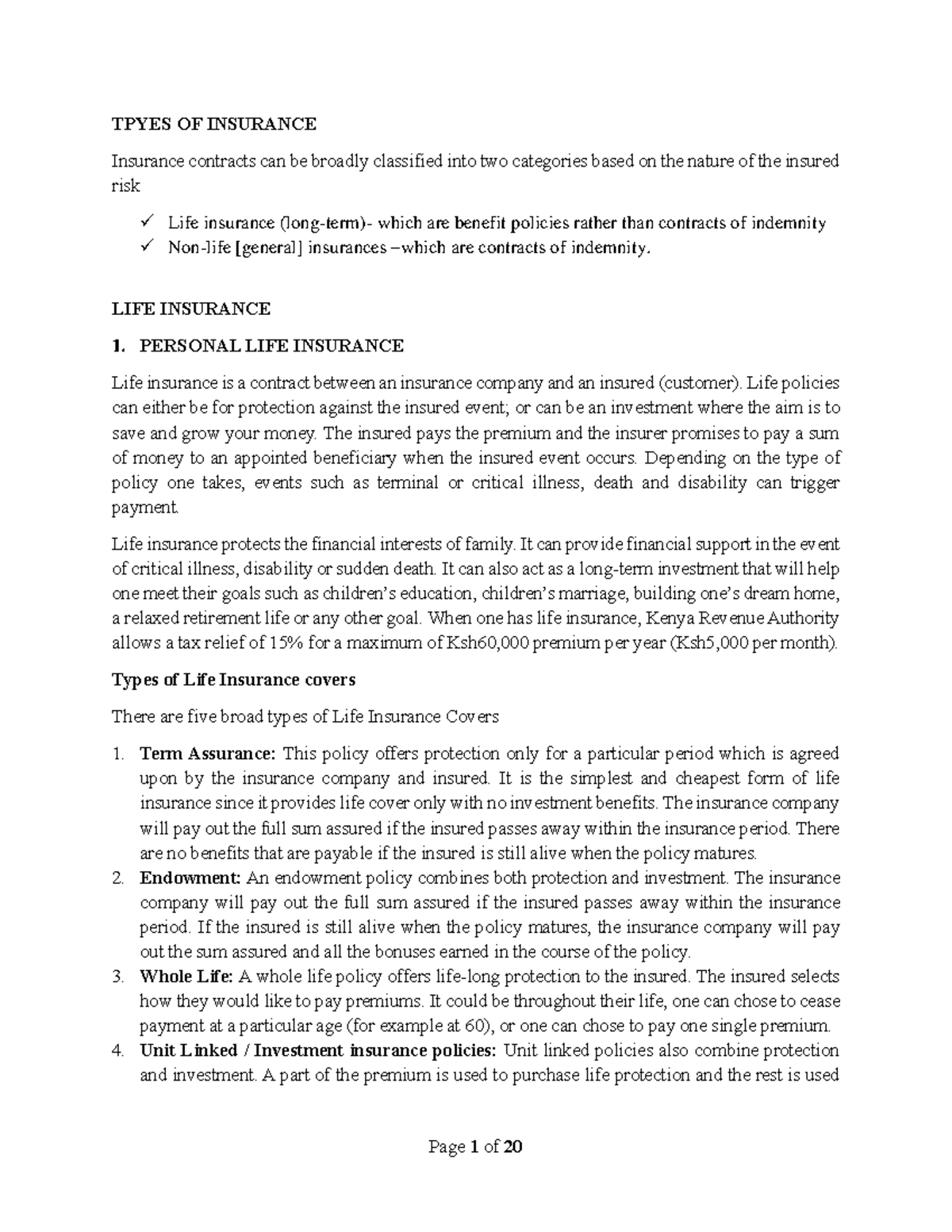
To successfully file a claim, it is essential to understand the institutional background of the product. American General Life Insurance Company is a major provider of life insurance and annuity products. Over recent years, the administrative branding and corporate structures associated with these products have shifted toward Corebridge Financial.
An annuity contract is a financial agreement between an individual and an insurance company designed to accumulate wealth or provide a steady income stream. When the contract holder (the annuitant or owner) passes away, the financial institution requires formal notification and verification before releasing any funds to named beneficiaries or contingent claimants. The claimant statement serves as the primary instrument for this verification. It legally binds the claimant, collects vital tax reporting information, and establishes instructions for how the death benefit should be paid out based on the options available within the original contract.
The Role of the Claimant Statement in Death Benefit Processing
The claimant statement is not merely a routine form; it is a legally binding affidavit used by the insurance company's claims department to verify identities, prevent fraud, and comply with state and federal tax laws. When a beneficiary signs and submits this document, they are certifying under penalty of perjury that they are the rightful recipient of the funds and that the information provided regarding the deceased is accurate.
Insurance companies use this document to determine several critical factors:
- Whether the claimant is a primary or contingent beneficiary designated in the contract.
- The preferred payout method, such as a lump-sum distribution, a five-year withdrawal plan, or a continuation of periodic income payments.
- Tax withholding preferences, which dictate how federal and state income taxes are handled before distribution.
- The legal authority of an executor, estate representative, or trustee if the estate or a trust is named as the beneficiary rather than an individual.
Prerequisites and Required Documentation
Before completing an American General Life Insurance annuity claimant statement, claimants must gather a comprehensive set of supporting documents. Submitting a claimant statement without these required items will result in immediate suspension of the claim review process.
The primary document required alongside the statement is an official, certified copy of the death certificate. Standard photocopies or hospital-issued death certificates are universally rejected by insurance carriers. The certificate must bear the raised seal or official stamp of the vital statistics bureau or registrar of the jurisdiction where the death occurred.
Depending on the nature of the annuity contract and the identity of the beneficiary, additional documentation may be mandatory:
- Letters of Administration or Letters Testamentary: Required if the estate of the deceased is the designated beneficiary, proving that the court has appointed a specific personal representative or executor.
- Trust Documents: Necessary if a living trust or testament trust is named as the beneficiary, specifically pages identifying the trust name, date, and the powers of the trustee.
- Tax Identification Numbers: Social Security numbers or Employer Identification Numbers (EINs) for all claimants and estates to facilitate IRS Form 1099 reporting.
- Identity Verification: Government-issued photo identification, such as a driver's license or passport, for all claimants requesting direct distribution.
| Document Type | Purpose in the Claim Process | Verification Standard |
|---|---|---|
| Certified Death Certificate | Proves the legal fact and date of death | Must feature official state/county raised seal or stamp |
| Claimant Statement Form | Establishes beneficiary identity and payout choice | Fully completed, signed, and typically notarized or signature-guaranteed |
| Letters Testamentary | Grants authority to estate representatives | Court-certified document with current issuance date |
| Trustee Certification | Verifies active status and powers of a trust | Selected pages of the trust agreement plus signature pages |
Step-by-Step Guide to Completing the Claimant Statement
Completing the paperwork requires precision and attention to detail. Errors, omissions, or mismatched names across documents will trigger processing holds. Claimants should follow a structured approach to ensure compliance.
Step 1: Obtain the Official Form Package
Claimants should contact the Corebridge Financial customer service or claims department directly to request the specific claimant statement packet associated with the annuity product. Because annuity contracts vary—ranging from fixed and indexed annuities to variable annuities—the required forms can differ. Relying on generic forms found on unauthorized third-party websites can invalidate the submission.
Step 2: Complete Personal and Deceased Information Sections
The form requires comprehensive biographical data for both the deceased contract owner and the claimant. This includes full legal names, former or maiden names, Social Security numbers, dates of birth, dates of death, and current mailing addresses. It is critical that the spelling of names matches the death certificate and the original annuity contract records exactly.
Step 3: Select the Payout Option
Beneficiaries must choose how they wish to receive the annuity proceeds. The available options depend heavily on the terms of the original contract and federal tax laws, such as the SECURE Act, which regulates inherited retirement accounts and annuities. Common choices include:
- Lump-Sum Cash Distribution: The entire remaining balance is paid out in a single payment, which may trigger a significant tax liability in a single tax year.
- Five-Year Rule: The account balance must be fully distributed by the end of the fifth calendar year following the year of the owner's death.
- Annuitization or Periodic Payments: Converting the remaining value into a stream of income over a designated period or for the lifetime of the beneficiary, if permitted by the contract.
Step 4: Indicate Tax Withholding Preferences
Annuity death benefits often include taxable earnings (the growth within the contract over and above the cost basis). The claimant statement includes tax withholding elections for federal and, where applicable, state income taxes. Claimants should consult a qualified tax professional or certified public accountant before making these selections, as insurance companies cannot provide legal or tax advice regarding the optimal withholding rate.
Step 5: Execute Signatures and Notarization
The final section of the statement requires the claimant's signature. Many institutional claimant statements require a notary public acknowledgement or a Medallion Signature Guarantee to verify the signer's identity and prevent fraudulent claims. Reviewing the form for completeness before signing prevents re-submission delays.
Common Pitfalls and Troubleshooting Claim Delays
Even when claimants make a good-faith effort to submit their paperwork promptly, several common obstacles can stall the disbursement of funds. Recognizing these issues allows claimants to avoid them proactively.
Mismatched Beneficiary Designations
One of the most frequent causes of delay occurs when the person filing the claimant statement does not match the primary beneficiary listed in the insurance company's official records. If a contract holder married, divorced, or experienced family changes and failed to update their beneficiary designation with American General or Corebridge Financial, the contract legally dictates who receives the funds, regardless of what a will or verbal statement indicates.
Missing Tax Identification and Medallion Guarantees
Failing to provide a valid Social Security Number or failing to secure a required notary acknowledgment will cause the claims department to suspend the file. If a Medallion Signature Guarantee is requested—often required for high-balance accounts or specific variable annuity transfers—standard notaries at shipping stores or banks may not possess the specific surety bonding required. Claimants must verify whether their bank participates in the Medallion program.
Unresolved Estate or Trust Complexities
When an estate is named as a beneficiary without a specific individual designated, probate courts must be involved. The insurance company cannot release funds until the court officially appoints an executor and issues Letters Testamentary. Attempting to file a claimant statement as an individual heir when an estate is the named beneficiary will result in immediate rejection.
Financial and Tax Implications for Beneficiaries
Receiving an annuity death benefit carries significant tax consequences that every claimant must navigate carefully. Annuities are generally divided into two categories for tax purposes: qualified (funded with pre-tax dollars, such as traditional IRAs or employer-sponsored plans) and non-qualified (funded with after-tax dollars).
For non-qualified annuities, the principal investment (the cost basis) is returned to the beneficiary income-tax-free, because taxes were already paid on those funds by the original owner. However, any earnings accumulated within the contract are subject to ordinary income tax in the year they are distributed. Insurance companies calculate this taxable gain and issue an IRS Form 1099-R to both the claimant and the Internal Revenue Service following the distribution.
Beneficiaries should also remain aware of state-specific inheritance or estate taxes, as well as federal estate tax thresholds, depending on the total gross estate of the deceased. Consulting a licensed financial advisor or tax specialist ensures that the chosen payout method aligns with a broader wealth preservation and tax mitigation strategy.
Frequently Asked Questions
How long does it take for American General or Corebridge Financial to process a claimant statement?
Processing times vary depending on the completeness of the documentation, the complexity of the annuity contract, and the volume of incoming claims. Once a fully completed claimant statement and certified death certificate are received, standard processing typically takes between two to four weeks. Incomplete forms or situations involving estates and trusts can extend this timeline significantly.
Can a contingent beneficiary file a claim if the primary beneficiary is still alive?
No. Contingent beneficiaries have no legal right to annuity proceeds unless all named primary beneficiaries have predeceased the contract owner or have formally disclaimed their rights to the inheritance by submitting a legal disclaimer of interest.
What happens if the named primary beneficiary has passed away before the annuitant?
If a primary beneficiary predeceases the annuity owner, the insurance company looks to the next tier of succession. If contingent beneficiaries are named, the claim passes to them. If no contingent beneficiaries are named, the proceeds typically revert to the estate of the deceased contract owner, requiring probate administration.
Is the payout from an annuity death benefit subject to federal income tax?
The portion of the payout representing the original after-tax principal (cost basis) in a non-qualified annuity is not subject to income tax. However, all accumulated earnings and interest within the contract are fully taxable as ordinary income in the year the distribution is received. Qualified annuities are generally 100% taxable as ordinary income upon distribution.
Where should the completed claimant statement be sent?
Completed forms, accompanied by the certified death certificate and supporting legal documentation, must be mailed or submitted via secure document upload channels designated by Corebridge Financial. Claimants should use the specific address or digital portal provided in their official claim packet to ensure documents route directly to the appropriate annuity claims processing unit.
Next Actions for Claimants
To begin or finalize the process safely, locate the original annuity contract documents or account statements to identify the specific contract number. Contact Corebridge Financial’s customer service department to request the correct claimant package tailored to that exact contract type, ensuring that every legal requirement is met from the outset.