American General Life Insurance Company (AGL), a subsidiary of Corebridge Financial, offers a wide array of life insurance and annuity products designed to provide financial security and long-term planning solutions. Understanding how to manage these policies, process claims, and navigate account requirements is essential for policyholders and beneficiaries. This guide provides a comprehensive overview of the most common questions, administrative procedures, and essential operational details for those interacting with American General life insurance products in 2026.
Understanding the Relationship Between American General and Corebridge Financial
It is common for policyholders to encounter confusion regarding the corporate identity of American General Life Insurance Company. As of 2026, American General operates under the umbrella of Corebridge Financial, formerly known as AIG Life & Retirement. When you hold a policy issued by American General, your contract remains legally binding with that specific entity; however, administrative support, portal access, and billing communication are managed through the broader infrastructure of Corebridge Financial.
If you are looking for documentation, premium payment portals, or customer service support, you will often find that the digital interface is branded under Corebridge. This transition does not alter the terms, conditions, or guarantees outlined in your original insurance policy. Your beneficiary designations, cash value accumulation, and death benefit provisions remain protected under the legal framework established at the time of your policy’s inception.
Policy Management and Accessing Your Account
Effectively managing a life insurance policy requires consistent access to account information. Whether you hold a term life, universal life, or whole life policy, you must keep your contact information and beneficiary details current.
Digital Account Access
Policyholders can access their details through the Corebridge Financial client portal. This digital interface allows users to:
- View Policy Status: Check the current death benefit amount and policy type.
- Update Beneficiaries: Make changes to primary or contingent beneficiaries to ensure the payout aligns with your current estate planning goals.
- Monitor Cash Value: For permanent insurance products like universal life, you can track the accumulation of cash value and review interest crediting rates.
- Manage Payments: Set up recurring electronic funds transfers (EFT) to ensure premiums are paid on time, preventing inadvertent policy lapses.
Essential Paperwork
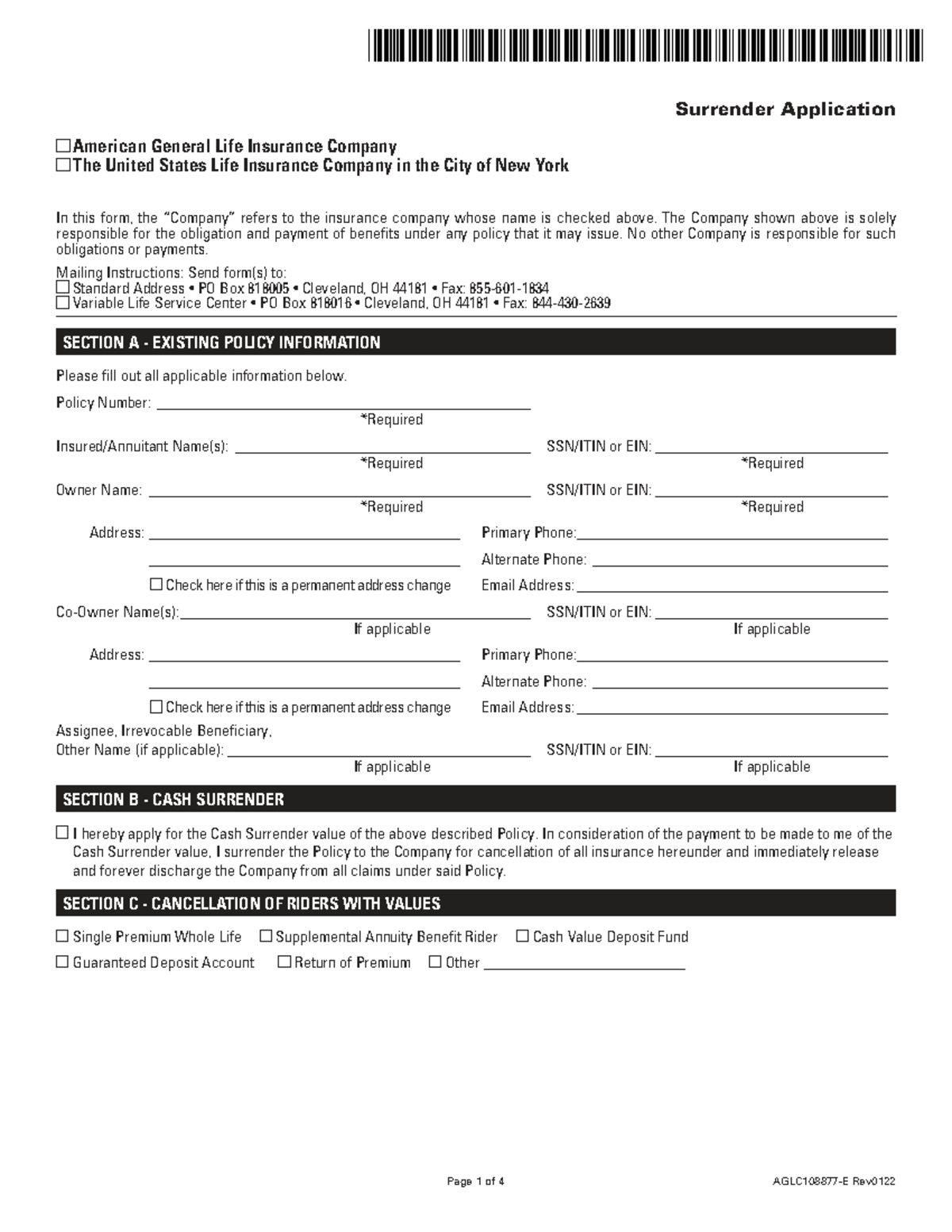
For tasks that require formal documentation—such as changing an owner, requesting a policy loan, or surrendering a policy—you may need to complete specific request forms. These forms are available on the official Corebridge Financial website. It is critical to download the most current versions of these forms, as outdated versions may lead to processing delays.
Common Policy Actions and Administrative Procedures
Policyholders often face questions regarding modifications to their coverage. While life insurance is intended as a long-term commitment, financial circumstances can change.
Changing Coverage Limits
If you hold an adjustable policy, such as Universal Life, you may have the flexibility to increase or decrease your death benefit. Decreasing coverage is typically straightforward, though it may result in a lower cash value growth potential. Increasing coverage, however, often requires a new medical underwriting process. You must demonstrate insurability, which may involve a review of your current health status, medical history, and lifestyle factors.
Policy Loans and Withdrawals
For permanent life insurance policies that have accumulated cash value, policyholders may be able to borrow against that value.
- Policy Loans: These loans are secured by the policy's cash value. You are generally not required to pay back the loan on a specific schedule, but unpaid loans and accrued interest will be deducted from the death benefit upon the insured’s passing.
- Withdrawals: Unlike a loan, a withdrawal reduces the death benefit and may have tax implications depending on how much of the cash value exceeds the "basis" (the total premiums paid into the policy).
Always consult with a qualified tax professional before initiating a withdrawal or loan, as the tax consequences can be significant depending on the policy’s age and performance.
Claims Processing for Beneficiaries
When a death benefit claim needs to be filed, the process is designed to be as efficient as possible despite the difficult circumstances. The primary requirement is the submission of a certified death certificate.
Steps to File a Claim
- Notification: Contact the Corebridge Financial claims department as soon as possible to report the passing of the insured.
- Documentation: Prepare the original or certified copy of the death certificate. The company will also require a completed Claimant’s Statement.
- Verification: The claims team will verify the policy status, ensure all premiums were paid up to the date of death, and confirm the beneficiary designations.
- Payout: Once approved, the death benefit is typically paid out as a lump sum, though some policies may offer alternative settlement options, such as installment payments or retained asset accounts.
If the beneficiary is a minor, the legal process of appointing a guardian or trustee to receive the funds may apply, which can extend the processing time.
Comparison of Common Policy Types
Understanding the core differences between the types of insurance issued by American General helps in assessing your current coverage needs.
| Policy Type | Primary Purpose | Cash Value | Flexibility |
|---|---|---|---|
| Term Life | Temporary coverage for a specific period | None | Low |
| Universal Life | Permanent coverage with adjustable premiums | Yes | High |
| Whole Life | Permanent coverage with fixed premiums | Yes (Guaranteed) | Low |
| Variable Life | Permanent coverage with investment-linked growth | Yes (Market-linked) | High |
Troubleshooting Common Issues
Policyholders sometimes encounter roadblocks when managing their insurance. Here are solutions to common friction points:
- Payment Rejections: If an automated payment fails, the policy may enter a "grace period." If the premium is not paid within this window, the policy can lapse. If you experience a payment issue, contact customer service immediately to discuss reinstatement options.
- Unable to Log In: If your credentials are not recognized on the portal, use the "Forgot Username/Password" function. If you have changed your email address or phone number, you may need to call the customer service support line to verify your identity and update your profile manually.
- Lost Policies: If you are trying to locate a policy for a deceased relative, you may be able to search through the National Association of Insurance Commissioners (NAIC) Life Insurance Policy Locator Service.
Frequently Asked Questions
1. How can I verify that my American General life insurance policy is still active?
You can verify your policy status by logging into your Corebridge Financial online account. If you do not have online access, you may call the customer service telephone number listed on your most recent annual statement. You will need your policy number, the insured’s Social Security number, and your date of birth to verify your identity.
2. Is there a fee for changing my beneficiary?
No, there is generally no charge to update a beneficiary designation. However, you must complete the official Change of Beneficiary form provided by the insurer. Ensure the form is signed and dated correctly to avoid processing delays.
3. Does my life insurance policy have a cash value?
Only permanent life insurance policies—such as Whole Life or Universal Life—typically accumulate cash value. Term life insurance, which covers you only for a specific period (e.g., 10, 20, or 30 years), does not accumulate cash value and expires at the end of the term.
4. What happens if I miss a premium payment?
Most policies include a grace period, typically 30 or 31 days, during which you can pay the overdue premium without the policy lapsing. If you miss this window, the policy may terminate. Reinstatement may be possible, but it often requires payment of all overdue premiums plus interest and proof of insurability.
5. How are life insurance proceeds taxed?
In the United States, life insurance death benefits paid to a named beneficiary are generally received income-tax-free. However, if the policy is surrendered for cash value, or if interest is earned on the death benefit proceeds held by the insurer, those amounts may be subject to income tax. Always consult a tax advisor regarding your specific situation.
6. Can I convert a term life policy to a permanent one?
Many term policies include a "conversion privilege" that allows you to exchange your term policy for a permanent policy without undergoing a new medical exam. Review your policy’s "Conversion" section to see if this option is available and what the specific timeframes are for exercising it.
Recommendation for Policyholders
For the most reliable management of your American General life insurance policy, we recommend performing an annual "policy audit." During this audit, log in to your Corebridge Financial portal to verify that your beneficiaries are up to date, ensure your contact information (mailing address and email) is current, and confirm that your payment method is still valid. Keeping these administrative details updated prevents significant hurdles for your loved ones during the claims process. If you have questions regarding your specific coverage or performance, request an "in-force illustration" from the company, which will provide a detailed projection of your policy's future status based on your current premiums and interest crediting.