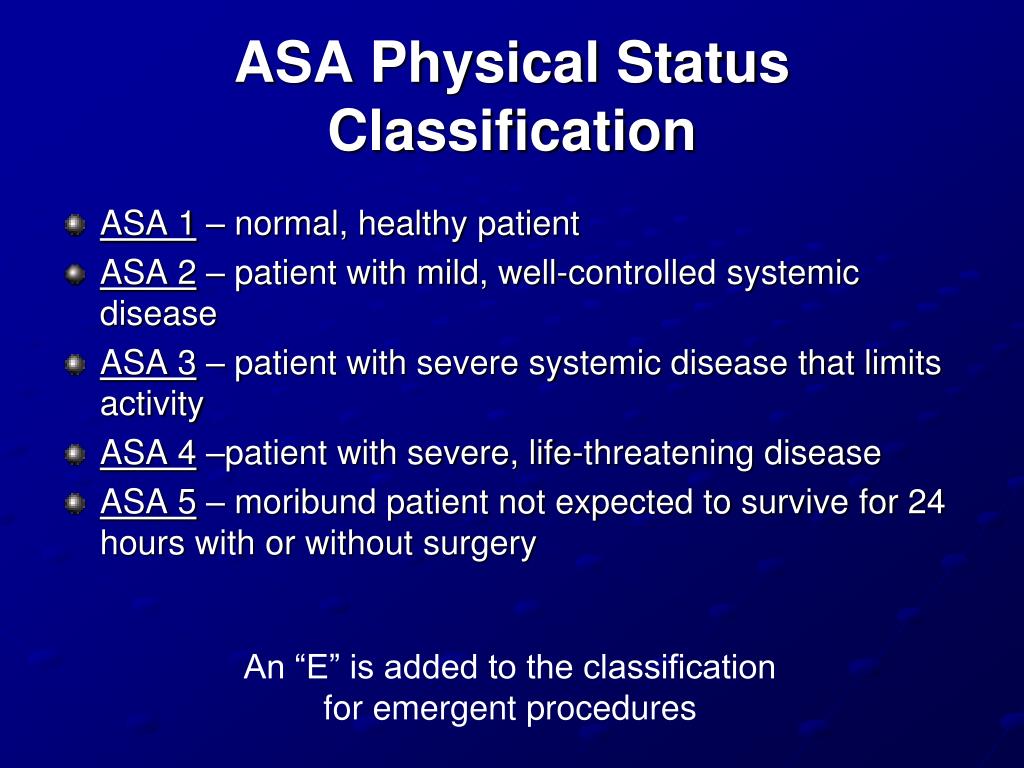
The administration of general anesthesia for 12 hours in a patient classified as ASA Physical Status 3 involves significant physiological strain and requires meticulous perioperative planning. While such durations are common in complex reconstructive or neurological surgeries, the ASA 3 status—indicating severe systemic disease—necessitates advanced hemodynamic monitoring, strict thermoregulation, and individualized pharmacological strategies to prevent multi-organ complications.
Understanding the ASA 3 Classification in the 2026 Clinical Landscape
The American Society of Anesthesiologists (ASA) Physical Status classification system remains the cornerstone of preoperative risk assessment. As of 2026, the ASA 3 designation is applied to patients with severe systemic disease that is not constanty life-threatening but results in substantive functional limitations. In a surgical context, these patients lack the physiological "buffer" found in ASA 1 or 2 individuals, making them significantly more vulnerable to the cumulative effects of prolonged anesthesia.
Common examples of ASA 3 patients include those with poorly controlled diabetes mellitus, symptomatic chronic obstructive pulmonary disease (COPD), morbid obesity (BMI ≥40), a history of myocardial infarction or stent placement occurring more than three months prior, or end-stage renal disease (ESRD) undergoing regular dialysis. When these comorbidities are subjected to a 12-hour operative window, the risk of "physiological exhaustion" increases. The primary challenge is not just the surgery itself, but the body's ability to maintain homeostasis under a dozen hours of drug-induced unconsciousness, mechanical ventilation, and surgical stress.
Physiological Impact of 12-Hour Prolonged Anesthesia
Spanning 12 hours under general anesthesia shifts the focus from "induction and maintenance" to "metabolic and systemic endurance." For the ASA 3 patient, several physiological systems face unique pressures during this timeframe.
Pharmacokinetics and Drug Accumulation
In a short procedure, the redistribution of anesthetic agents (like propofol or volatile gases like sevoflurane) is the primary driver of emergence. However, during a 12-hour case, these agents saturate peripheral compartments, including adipose and muscle tissues. For an ASA 3 patient with renal or hepatic impairment, the clearance of these drugs is delayed. This results in a "long-tail" recovery where the patient may remain somnolent or respiratory-depressed for hours after the procedure concludes.
The Inflammatory Response and Fluid Shifts
Surgery triggers a systemic inflammatory response syndrome (SIRS). Over 12 hours, this lead to significant capillary leak and "third-spacing" of fluids. In ASA 3 patients with underlying congestive heart failure or renal insufficiency, managing this fluid shift is a delicate balancing act. Over-resuscitation leads to pulmonary edema, while under-resuscitation can trigger acute kidney injury (AKI) in a system already compromised by chronic disease.
Thermoregulation and Metabolic Rate
The body’s ability to maintain a core temperature of 37°C is suppressed by general anesthesia. In a 12-hour window, even slight hypothermia can lead to coagulopathy (increased bleeding) and impaired wound healing. ASA 3 patients often have baseline metabolic dysfunction, making them less efficient at thermogenesis once the warming blankets are removed or if the fluid warmers fail to keep pace with large-volume losses.
Critical Intraoperative Management Protocols
Successfully navigating a 12-hour procedure for an ASA 3 patient requires a shift toward "proactive" rather than "reactive" medicine. This involves specialized equipment and a higher frequency of diagnostic checks.
Hemodynamic and Goal-Directed Therapy
Standard blood pressure cuff monitoring is generally insufficient for a 12-hour ASA 3 case. An arterial line is typically mandatory for real-time blood pressure monitoring and frequent arterial blood gas (ABG) analysis. Many centers in 2026 utilize Goal-Directed Fluid Therapy (GDFT), using esophageal Doppler or pulse pressure variation (PPV) to determine exactly when the patient needs fluid versus vasopressors. This prevents the "fluid overload" that often plagues lengthy surgeries.
Neuromuscular Blockade Management
To facilitate surgery, patients are often kept paralyzed. In long cases, the accumulation of paralytics can lead to postoperative residual curarization (PORC), which is a leading cause of respiratory failure in the PACU. The use of quantitative neuromuscular monitoring (Train-of-Four) and specific reversal agents like Sugammadex—which encapsulates the muscle relaxant molecules—is critical for ASA 3 patients who may not have the respiratory reserve to overcome even mild lingering paralysis.
Lung-Protective Ventilation
Twelve hours of mechanical ventilation can induce "ventilator-associated lung injury" even in healthy lungs. For the ASA 3 patient with COPD or smoking history, clinicians must use lung-protective strategies: low tidal volumes (6 mL/kg of ideal body weight), moderate positive end-expiratory pressure (PEEP), and frequent recruitment maneuvers to prevent atelectasis (collapse of lung air sacs).
Risks and Complications Specific to ASA 3 Cases
The extended duration of 12 hours introduces risks that are rarely seen in standard 2-hour procedures.
| Risk Category | Clinical Concern for ASA 3 Patient | Mitigation Strategy |
|---|---|---|
| Pressure Injury | Decubitus ulcers on the sacrum, heels, or occiput due to prolonged immobility. | Use of specialized air-mattress overlays and frequent micro-positioning of the head and limbs. |
| VTE/DVT | High risk of Deep Vein Thrombosis due to stasis and inflammatory state. | Combination of sequential compression devices (SCDs) and intraoperative heparin if permitted. |
| Postoperative Delirium | Cognitive dysfunction (POCD) exacerbated by 12 hours of volatile anesthetics. | Use of TIVA (Total Intravenous Anesthesia) and minimized benzodiazepine use. |
| Acute Kidney Injury | Cumulative effect of drugs and potential periods of hypotension. | Maintaining mean arterial pressure (MAP) > 65 mmHg and monitoring hourly urine output. |
| Ophthalmic Injury | Risk of ischemic optic neuropathy or corneal abrasions during long prone cases. | Meticulous eye taping and ensuring no direct pressure on the globe during positioning. |
Preoperative Optimization and Choice of Anesthetic
For a scheduled 12-hour procedure, the "preoperative" phase is where the outcome is often decided. For an ASA 3 patient, this involves more than just a physical exam; it requires a "medical tune-up."
- Cardiovascular Optimization: If the patient has a history of CAD, a 2026-standard cardiology consult will ensure that beta-blockers or statins are optimized. A preoperative echocardiogram might be updated to assess the ejection fraction.
- Glycemic Control: For diabetic ASA 3 patients, maintaining blood glucose between 140-180 mg/dL during a 12-hour case is essential. High glucose levels (hyperglycemia) significantly increase the risk of surgical site infections in long procedures.
- TIVA vs. Volatile Anesthesia: There is ongoing debate in 2026 regarding the "best" anesthetic for 12-hour cases. Many practitioners prefer Total Intravenous Anesthesia (TIVA) using propofol and remifentanil, as it may reduce the incidence of postoperative nausea and "anesthetic hangover" compared to volatile gases like Isoflurane, which are highly lipid-soluble and linger in the body.
Postoperative Recovery and Transition to Care
Emergence from a 12-hour anesthetic is rarely immediate. For an ASA 3 patient, the transition often follows a specific path:
- Delayed Extubation: In many cases, if the patient has significant fluid shifts or facial swelling (common in long prone or head/neck cases), the breathing tube may be left in place. The patient is transferred to the Intensive Care Unit (ICU) sedated, and extubation is performed 6–12 hours later once the initial inflammatory swell subsides.
- Pain Management: Multimodal analgesia is vital. Relying solely on opioids for a 12-hour recovery can lead to respiratory depression and ileus (gut paralysis). In 2026, clinicians prioritize regional nerve blocks (like TAP blocks or epidurals) performed prior to or immediately after surgery to reduce the systemic opioid burden.
- Renal Monitoring: The first 24 hours post-surgery are critical for monitoring renal function. A rise in serum creatinine or a drop in urine output in an ASA 3 patient warrants immediate intervention to prevent permanent damage.
Frequently Asked Questions
Is it safe for an ASA 3 patient to be under anesthesia for 12 hours?
Safety is relative to the surgical necessity and the quality of the anesthesia team. While the risk of complications (such as pneumonia, blood clots, or delirium) is significantly higher for an ASA 3 patient compared to an ASA 1 or 2, modern monitoring and "goal-directed" care make 12-hour procedures feasible. The decision is usually based on a risk-benefit analysis: the risk of the surgery versus the risk of the underlying condition remaining untreated.
What are the most common complications after 12 hours of surgery?
The most frequent complications include postoperative delirium (mental confusion), respiratory infections (atelectasis or pneumonia), and pressure-related skin injuries. In ASA 3 patients, there is also an increased risk of "troponin leak" (minor heart muscle damage) or acute kidney injury due to prolonged periods of relative hypotension and surgical stress.
How does the anesthesia team monitor depth of anesthesia over 12 hours?
In 2026, most long-duration cases utilize EEG-based monitoring, such as the Bispectral Index (BIS) or Patient State Index (PSi). These sensors on the forehead provide a numerical value (0-100) indicating how deeply the brain is suppressed. This allows the anesthesiologist to use the minimum amount of drug required, which is essential for preventing "over-sedation" in a medically fragile ASA 3 patient.
Can anesthesia "wear off" during a 12-hour surgery?
No. Anesthesia is a continuous infusion or inhalation of medication. The anesthesiologist or CRNA monitors the patient’s heart rate, blood pressure, and brain activity every second. If the patient begins to process the medication faster, the dose is immediately increased. The concern in 12-hour cases is usually the opposite: the body becoming "saturated" with drugs, making it difficult for the patient to wake up promptly.
What is the typical recovery time for an ASA 3 patient after such a long procedure?
Recovery is generally divided into two phases. The "anesthetic recovery" (clearing the drugs) usually takes 24 to 48 hours. However, the "physiological recovery" (resolving the inflammatory response and returning to baseline function) for an ASA 3 patient can take several weeks or even months. Many patients require a stay in a sub-acute rehab facility to regain their strength.
Professional Recommendation for Patients and Clinicians
For an ASA 3 patient facing a 12-hour anesthetic, the key to a successful outcome is the "Triple-P" approach: Pre-habilitation, Precision Monitoring, and Postoperative Vigilance.
- For Clinicians: Prioritize TIVA over volatile agents when possible to reduce cognitive fallout, and utilize invasive hemodynamic monitoring from the start. Never underestimate the importance of skin protection and micro-positioning; a 12-hour surgery should not result in a preventable stage-4 pressure ulcer.
- For Patients/Families: Ensure that a comprehensive preoperative assessment has been performed within 30 days of the surgery. Discuss the plan for postoperative care, including whether an ICU bed has been reserved, as the physiological "rebound" from a 12-hour case often requires specialized nursing care.
The management of prolonged anesthesia is a testament to modern medical capability, but in the ASA 3 population, it remains a high-stakes endeavor that leaves no room for error in fluid, temperature, or pharmacological management.