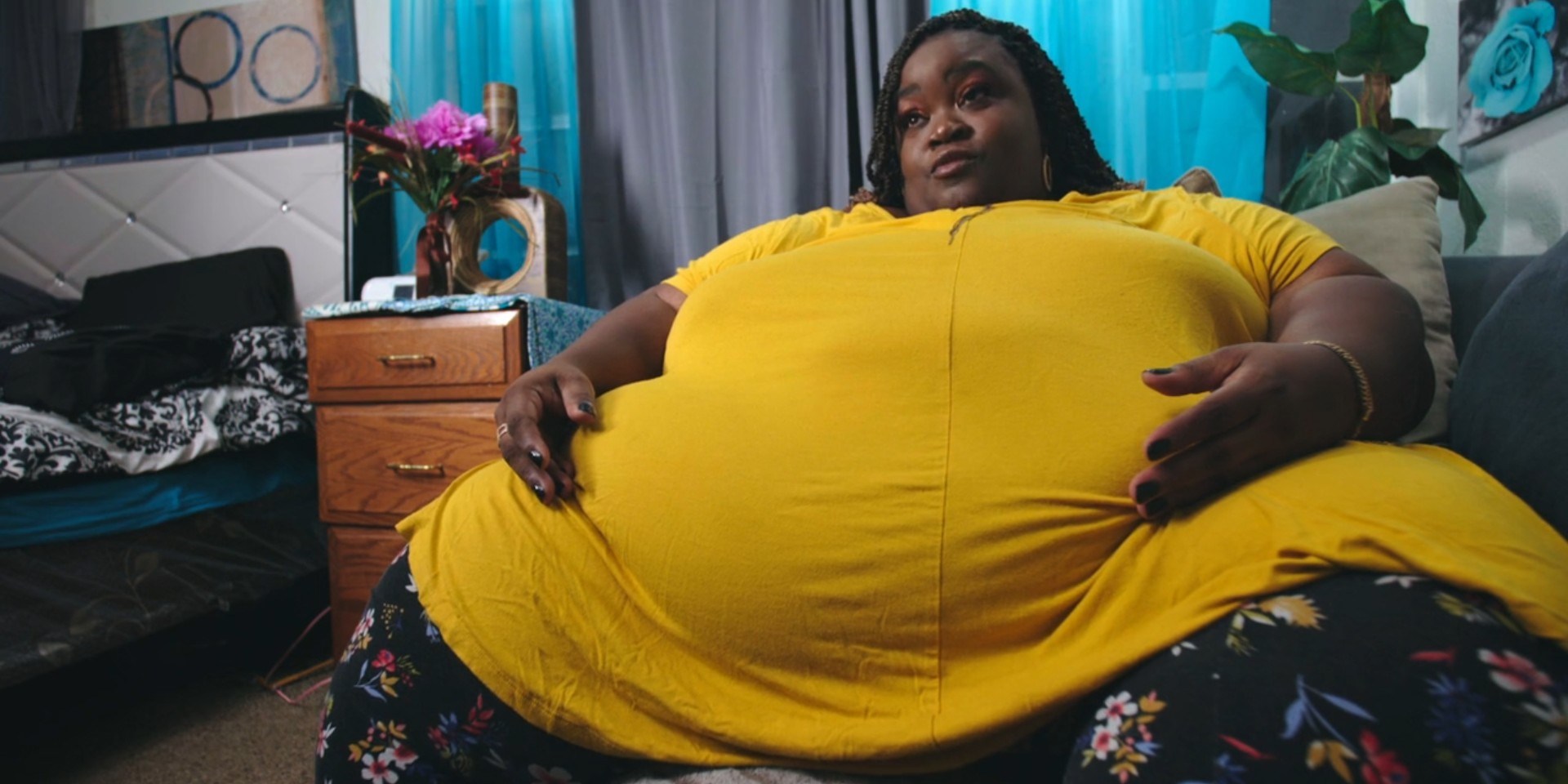
Falling is one of the most dangerous medical events for individuals featured on My 600-lb Life, often resulting in immediate hospitalization, skin infections, or permanent loss of mobility. Due to extreme weight, these falls frequently require specialized bariatric emergency response teams (BARS) and heavy-duty equipment for extraction, as standard emergency protocols are insufficient for patients weighing over 600 pounds.
The reality of living with morbid obesity, as documented over the years on the hit TLC series, involves a constant struggle with gravity. For the participants of My 600-lb Life, a "fall" is rarely just a slip; it is a catastrophic event that can derail a weight-loss journey, cause structural damage to a home, and lead to life-threatening secondary complications such as sepsis or rhabdomyolysis. As of 2026, the medical community continues to use these documented cases as extreme examples of bariatric trauma management.
The Biomechanics of a Bariatric Fall
When a person weighing 600 pounds or more loses their balance, the physics of the impact differ significantly from that of an average-weight individual. The force exerted upon impact is calculated as mass times acceleration. In a bariatric fall, the sheer mass ensures that even a short drop generates enough force to shatter bones that are already weakened by a sedentary lifestyle and poor nutrition.
Structural Integrity of Bone and Joint
Many patients on the show suffer from severe osteoarthritis or undiagnosed osteoporosis. Despite their size, their bone density may be low due to a lack of weight-bearing exercise and vitamin D deficiency. When a fall occurs, the skeletal system often cannot support the sudden shift in weight, leading to complex fractures of the femur or pelvis. These injuries are notoriously difficult to treat in bariatric patients because standard surgical tables and imaging machines (MRIs and CT scans) often have weight limits far below the patient’s actual mass.
Soft Tissue Trauma and Skin Integrity
The impact of a fall often causes "degloving" or massive skin tears. In patients with severe lymphedema—a common condition on the show where fluid builds up in the extremities—the skin is already stretched to its limit. A fall can cause these lymphedema masses to rupture or become severely bruised. Because blood circulation is often compromised in morbidly obese individuals, these wounds heal slowly and are highly susceptible to cellulitis, a bacterial skin infection that can quickly turn into life-threatening sepsis.
Notable Fall Incidents in My 600-lb Life History
Throughout the series, several specific incidents have highlighted the logistical and medical nightmares associated with a fall. These moments are often the "rock bottom" points that force a patient to seek Dr. Nowzaradan’s help or, conversely, represent a major setback during their recovery.
The Nicole Lewis "Porch Fall"
One of the most widely discussed incidents occurred during Season 5 with Nicole Lewis. While being moved, she experienced a fall on a wooden porch. This incident perfectly illustrated the dual danger of bariatric falls: the physical injury to the patient and the structural failure of the environment. Most residential flooring and decking are not engineered to withstand the concentrated force of a 600-plus-pound individual falling. The rescue required a massive coordinated effort, highlighting how a simple transition from a house to a van can become a high-stakes rescue operation.
James King and the Logistics of Movement
James King's journey (Season 5 and subsequent "Where Are They Now?" episodes) featured multiple instances where mobility was so compromised that "falling" was a constant risk during any attempt at movement. His case demonstrated the "immobility trap." Once a patient of his size falls and remains down for even a few hours, the muscle tissue begins to break down (rhabdomyolysis), releasing toxins into the bloodstream that can cause kidney failure.
Lupe Samano’s Bed Collapse
While not a fall in the traditional sense of tripping while walking, Lupe’s experience with a breaking bed frame resulted in a fall-like impact. This incident underscored the necessity of specialized bariatric furniture. For Dr. Nowzaradan's patients, the environment itself is often a hazard. A chair, a toilet, or a bed that fails under their weight results in a "ground-level fall" that requires a professional "lift assist" from the fire department to resolve.
Emergency Response: The Role of Bariatric Adult Rescue Squads (BARS)
In 2026, the protocols for responding to a 600-lb patient who has fallen are highly specialized. When a 911 call comes in for a patient of this size, a standard two-person ambulance crew is insufficient.
The "Lift Assist" Protocol
When a patient on My 600-lb Life falls, the local fire department is usually dispatched alongside paramedics. This is known as a "lift assist." It often requires six to ten first responders to safely move the patient back into a bed or onto a reinforced stretcher.
Specialized Equipment for 600-lb+ Extractions
- Herculean Stretchers: These are extra-wide, power-loading stretchers rated for 700 to 1,000 pounds.
- Inflatable Lifting Cushions: Known as "Elks" or "Hoversatts," these devices are slid under the fallen patient and slowly inflated to lift them to a sitting or standing position without straining the backs of the responders.
- Bariatric Ambulances: These vehicles feature heavy-duty winches and ramps instead of standard lifts, allowing the stretcher to be pulled into the vehicle mechanically.
- Structural Shoring: In some cases, if a patient falls through a floor, specialized "urban search and rescue" teams must shore up the house's foundation before the patient can be moved safely.
Medical Complications Following a Fall
The immediate trauma of the fall is only the beginning of the danger. For Dr. Nowzaradan, the priority after a fall is preventing the "cascade of complications" that often follows.
| Complication | Cause | Risk Level in 600-lb+ Patients |
|---|---|---|
| Cellulitis | Skin tears or pressure sores from lying on the floor. | Extremely High; can lead to sepsis. |
| Rhabdomyolysis | Muscle compression and breakdown from prolonged immobility. | High; leads to acute kidney injury. |
| Pneumonia | Fluid buildup in the lungs due to inability to sit up or walk. | High; often the primary cause of post-fall death. |
| Blood Clots (DVT) | Stasis of blood in the legs during recovery. | Critical; high risk of pulmonary embolism. |
| Pressure Ulcers | Constant pressure on skin against a hard surface. | Moderate to High; requires specialized wound care. |
The "Down Time" Danger
A major factor in the survival of a fall is "down time"—the duration the patient spent on the floor before help arrived. For individuals on My 600-lb Life, being on the floor for even 30 minutes can cause significant circulation issues. The weight of their own body can compress blood vessels and nerves, leading to permanent numbness or "compartment syndrome," where pressure within the muscles builds to dangerous levels.
Preventative Measures and Dr. Nowzaradan’s Approach
Dr. Younan Nowzaradan emphasizes early ambulation (walking) as the primary defense against falls. While it seems counterintuitive to encourage someone who is at risk of falling to walk, the goal is to build the core and leg strength necessary to maintain balance.
Physical Therapy and Occupational Therapy
Patients are often assigned physical therapists who focus on "transfer training." This involves teaching the patient how to move from a bed to a walker without losing their center of gravity. For someone over 600 pounds, their center of gravity is often shifted significantly forward due to abdominal weight (panniculus), making them prone to tipping forward.
Home Modification
To prevent falls, families are often instructed to:
- Remove all rugs and "trip hazards."
- Install industrial-grade grab bars in bathrooms.
- Use bariatric-rated chairs that do not have wheels (to prevent the chair from sliding out from under them).
- Ensure flooring is reinforced, particularly in the path from the bed to the bathroom.
The Psychological Impact of a Fall
A fall is often a psychological turning point in the show. For many, it induces a state of "fear of falling" (FOF), which leads to further immobility. The patient becomes so terrified of falling again that they refuse to get out of bed, which ironically leads to the very muscle wasting that makes another fall more likely.
Dr. Nowzaradan frequently addresses this during office visits, pushing patients to overcome the trauma of a previous fall. He views the refusal to walk not just as a physical hurdle, but as a mental block that must be broken to achieve long-term success. On My 600-lb Life, the patients who recover from falls and continue to walk are almost always the ones who successfully reach their goal weight for surgery.
FAQ: Understanding Fall Risks on My 600-lb Life
Why is it so hard for 600-lb patients to get up after a fall?
The primary reason is the lack of leverage. At a weight of 600 pounds, the muscle mass is often insufficient to lift the body's weight against gravity, especially from a flat position on the floor. Additionally, the distribution of weight (often in the midsection or lower extremities) makes it impossible to roll into a position where they can use their arms for support.
Does the show pay for the emergency services if a patient falls during filming?
While specific contract details are private, the production company (Megalomedia) generally covers costs related to medical emergencies that occur during the filming process. However, the long-term medical debt associated with bariatric care and specialized equipment remains a significant burden for many participants.
Can a fall prevent someone from getting weight loss surgery?
Yes. If a fall results in a broken hip or a severe infection like cellulitis, Dr. Nowzaradan will postpone surgery. The body must be stable and the patient must be mobile before undergoing gastric bypass or sleeve gastrectomy, as the risk of post-operative blood clots is too high if the patient is bedridden.
What is the "death spiral" associated with bariatric falls?
This is a medical term used to describe a sequence of events: a fall leads to immobility, which leads to pneumonia or blood clots, which eventually leads to organ failure. Breaking this spiral requires immediate and aggressive physical therapy and medical intervention.
Are there specialized hospitals for people who have fallen at that weight?
Most major cities have "Bariatric Centers of Excellence" that are equipped with extra-wide doorways, reinforced beds, and heavy-duty ceiling lifts. In Houston, where Dr. Nowzaradan practices, St. Joseph Medical Center is one of the primary facilities equipped to handle the specific needs of My 600-lb Life participants.
Final Recommendations for Bariatric Safety
For individuals struggling with extreme obesity or those caring for them, fall prevention must be the highest priority. If a fall does occur, do not attempt to lift the person manually, as this frequently leads to injury for both the patient and the caregiver.
- Call for a Professional Lift Assist: Contact emergency services and explicitly state that a bariatric lift assist is required so they can send the appropriate number of personnel and specialized equipment.
- Monitor for Skin Changes: After a fall, check all skin folds and lymphedema sites for redness, warmth, or tearing, which are early signs of infection.
- Encourage Limited Movement: Unless a fracture is suspected, the patient should be encouraged to move their ankles and arms to maintain circulation while waiting for help.
- Audit the Environment: Use a fall-prevention checklist to ensure the home environment is as safe as possible, focusing on reinforced seating and clear pathways.