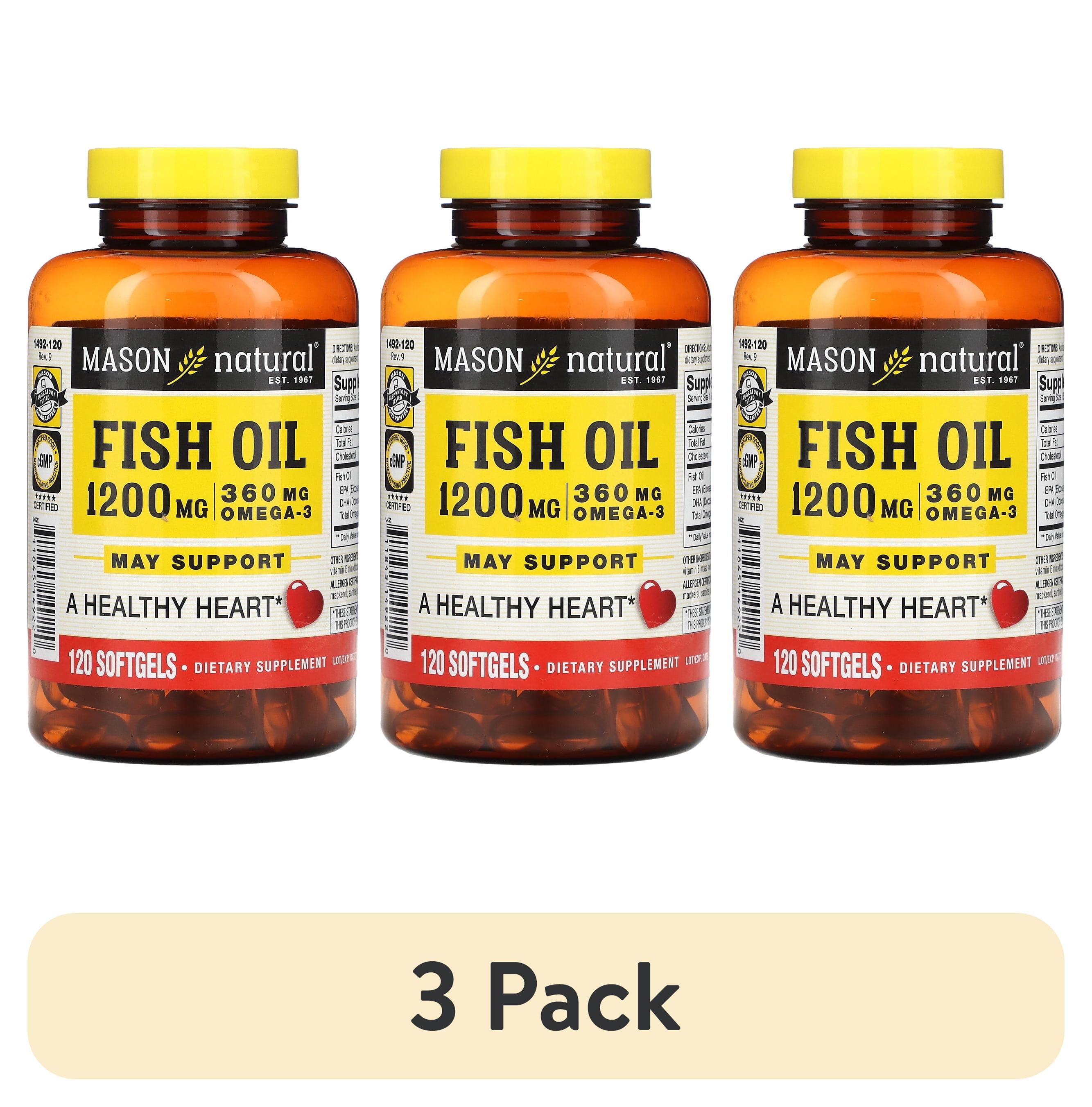
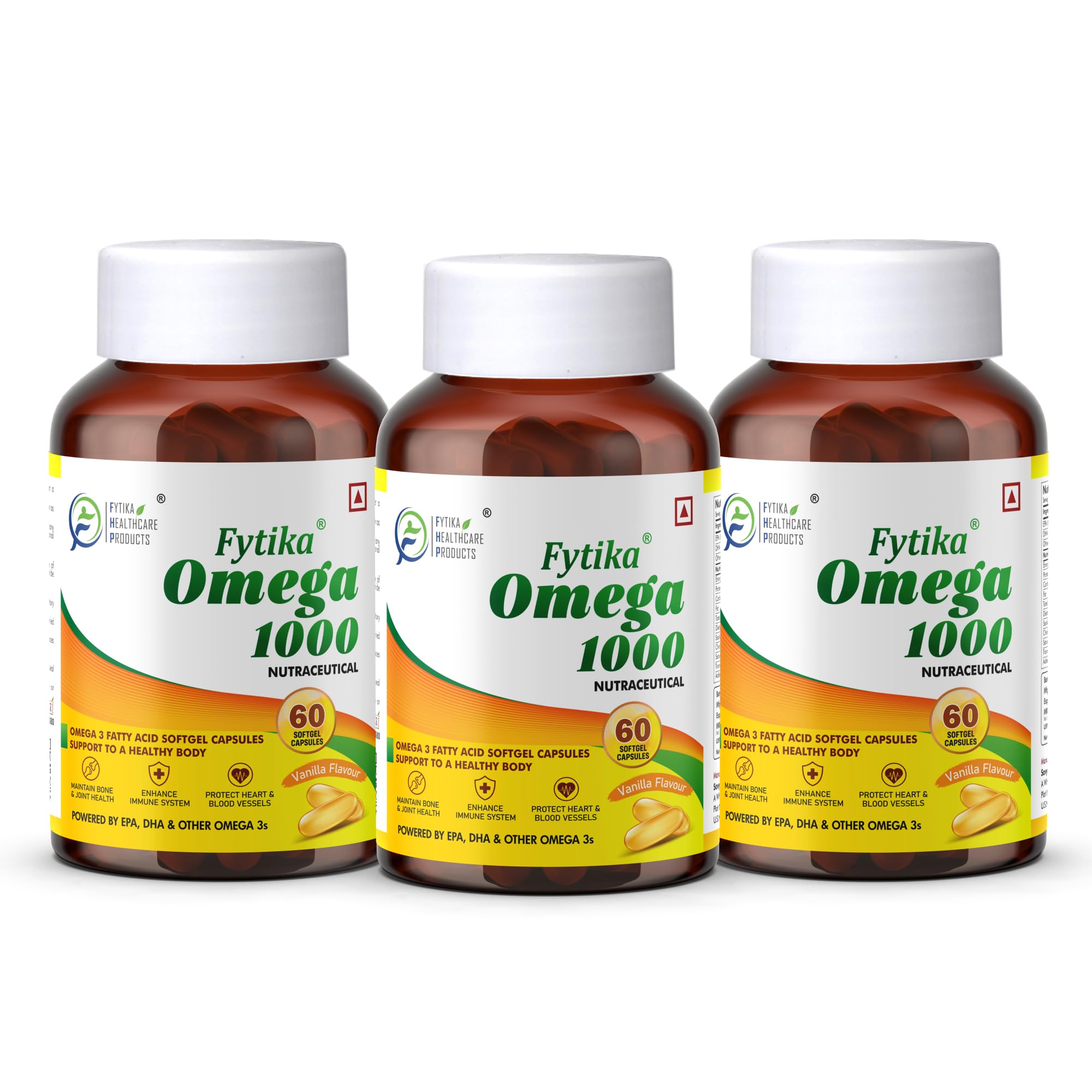
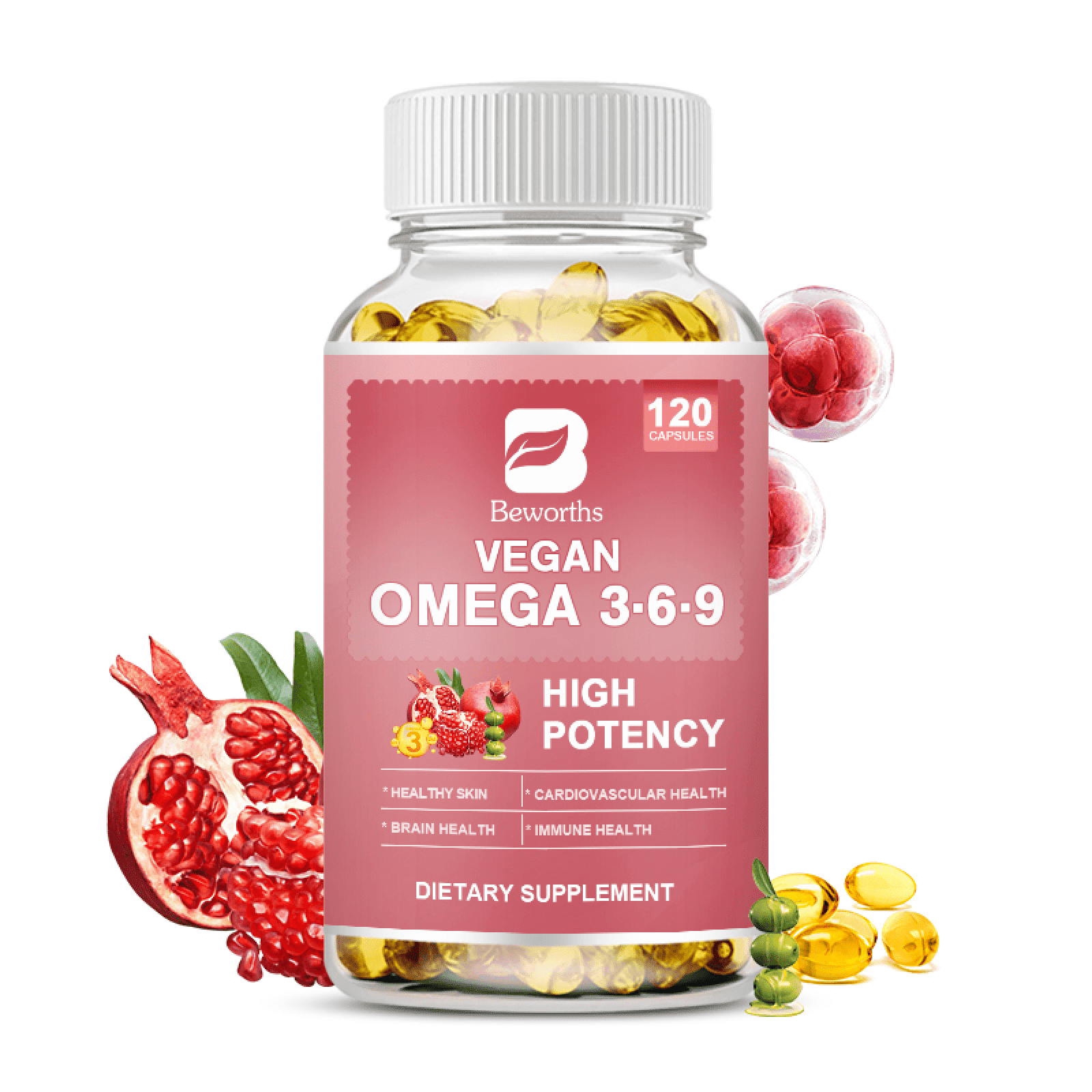
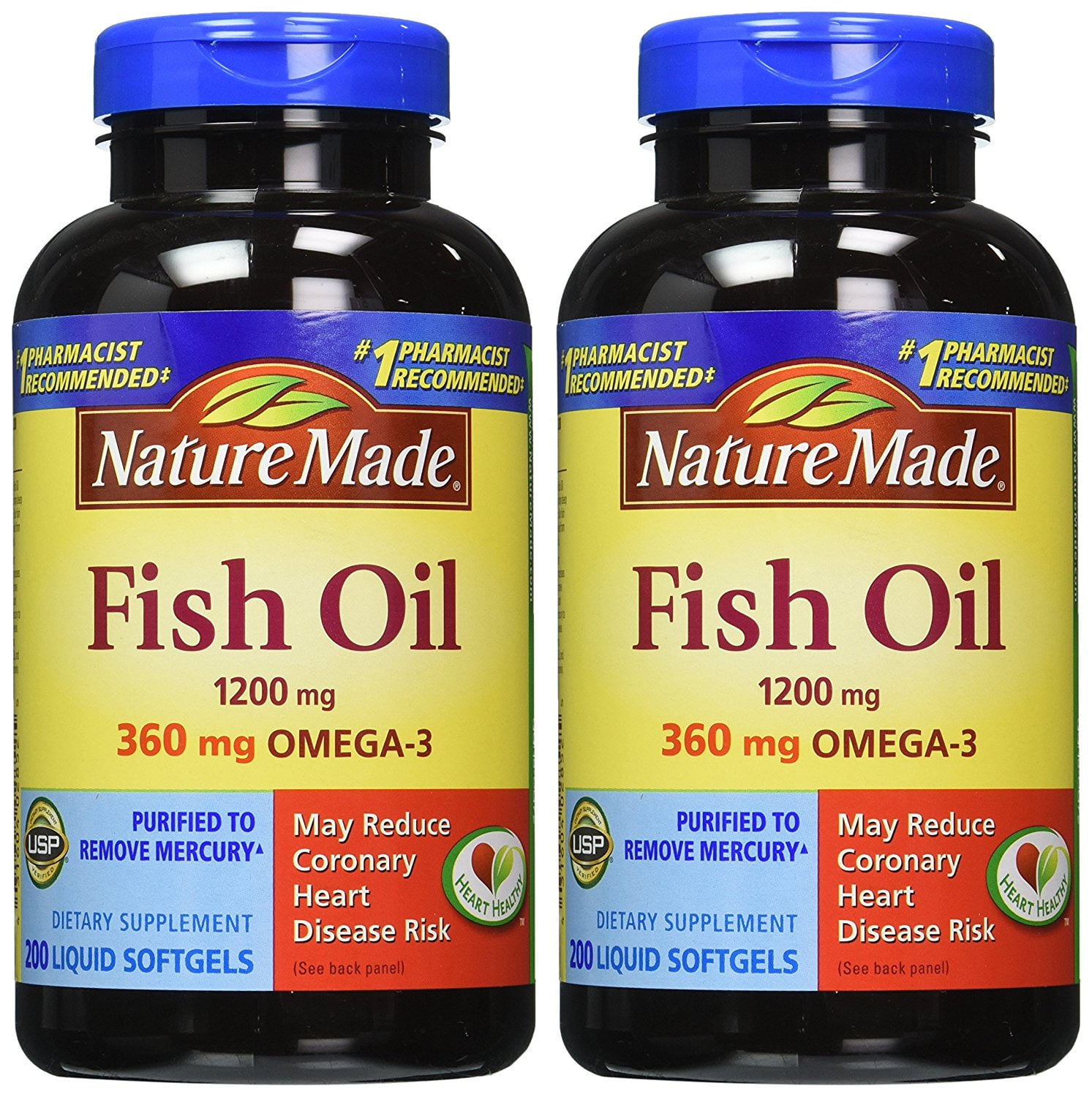
Fatty acid pills, specifically Omega-3 supplements, are worth the investment for individuals who do not consume fatty fish at least twice a week or those with specific clinical needs like high triglycerides or inflammatory conditions. However, for generally healthy individuals with a balanced diet, the incremental benefits are often marginal compared to obtaining these nutrients through whole foods.
Understanding the Landscape of Fatty Acid Supplementation
To determine if fatty acid pills are worth your money in 2026, we must first distinguish between the various types of fatty acids available in supplement form. Most "fatty acid pills" on the market focus on Omega-3 polyunsaturated fatty acids (PUFAs), though some also contain Omega-6 and Omega-9.
The three primary Omega-3s are eicosapentaenoic acid (EPA), docosahexaenoic acid (DHA), and alpha-linolenic acid (ALA). While ALA is found in plant sources like flaxseeds, the human body is notoriously inefficient at converting it into the more biologically active EPA and DHA. Consequently, most high-quality supplements utilize fish oil, krill oil, or algal oil to provide direct doses of EPA and DHA.
By 2026, the nutritional science community has moved toward a more personalized approach. Instead of a "one size fits all" recommendation, the value of these pills is now often measured by the Omega-3 Index, a blood test that measures the percentage of EPA and DHA in red blood cell membranes. A target index of 8% or higher is generally associated with the lowest risk of cardiovascular events, yet most people eating a standard Western diet hover around 4%.
The Clinical Value: Heart Health and Beyond
The strongest argument for the "worth" of fatty acid pills lies in cardiovascular protection. Decades of research, including landmark trials like REDUCE-IT, have shown that high-dose, purified EPA can significantly reduce the risk of heart attacks and strokes in patients with elevated triglycerides.
Cardiovascular Protection
For individuals with existing heart disease or those at high risk, EPA and DHA help by lowering triglycerides, subtly reducing blood pressure, and inhibiting the formation of arterial plaques. In 2026, medical guidelines continue to emphasize that while pills can support heart health, they are most effective when replacing saturated fats in the diet rather than simply being "added on" to a poor diet.
Cognitive Function and Brain Health
The human brain is roughly 60% fat, and DHA is a primary structural component of the cerebral cortex and retina. There is substantial evidence that maintaining high levels of DHA is crucial for cognitive longevity. While fatty acid pills may not "cure" Alzheimer’s disease, they are increasingly recognized as a vital tool for slowing age-related cognitive decline and supporting mood regulation in patients with clinical depression.
Inflammation and Joint Health
Omega-3s act as precursors to resolvins and protectins—molecules that actively "switch off" the inflammatory response. This makes fatty acid pills particularly valuable for individuals suffering from rheumatoid arthritis or chronic joint pain. Many users find that consistent supplementation allows them to reduce their reliance on non-steroidal anti-inflammatory drugs (NSAIDs), which often carry heavier side-effect profiles.
The "Food First" vs. Supplement Debate
A common question is whether a pill can ever truly replace a piece of grilled salmon. From a purely nutritional standpoint, whole fish offers a complex matrix of selenium, vitamin D, and high-quality protein that supplements lack. Furthermore, the fats in whole fish are often better absorbed because they are consumed alongside other fats in a meal.
However, several factors make pills a practical choice for many in 2026:
- Contaminant Concerns: High-quality fatty acid pills undergo molecular distillation to remove heavy metals like mercury and PCBs, which can accumulate in certain wild-caught fish.
- Consistency: It is difficult for most people to maintain a strict "oily fish twice a week" regimen. Pills provide a standardized dose of EPA/DHA that is measurable and repeatable.
- Cost-Efficiency: While high-end supplements are expensive, they are often more affordable per gram of EPA/DHA than purchasing fresh, wild-caught sockeye salmon or mackerel, especially in landlocked regions.
Evaluating Quality: Why Cheap Pills May Be Worthless
The value of a fatty acid pill is inversely proportional to its oxidation state. Omega-3 oils are highly unstable and prone to becoming rancid when exposed to light, heat, or oxygen. Consuming rancid fish oil is not just ineffective; it can actually be pro-inflammatory and harmful to your health.
When evaluating if a product is "worth it," you must look for the following 2026 quality benchmarks:
- IFOS 5-Star Rating: The International Fish Oil Standards (IFOS) provides third-party verification for purity, potency, and freshness.
- Form of the Oil: Look for "Re-esterified Triglyceride" (rTG) forms rather than "Ethyl Esters" (EE). The triglyceride form is the natural state of fat and has significantly higher bioavailability (absorption rates) in the human body.
- EPA/DHA Concentration: Many cheap "1,000mg Fish Oil" pills actually only contain 300mg of active EPA/DHA, with the rest being filler fats. A "worth it" pill should have a high concentration (at least 60-70%) of active Omega-3s.
Potential Risks and Side Effects
No supplement is without risk. For fatty acid pills, the most significant concerns identified as of 2026 include:
- Atrial Fibrillation (AFib): Some high-dose clinical trials have noted a slight increase in the risk of AFib, a type of irregular heart rhythm, particularly at doses exceeding 4 grams per day.
- Blood Thinning: Because Omega-3s reduce platelet aggregation, they can have a mild blood-thinning effect. This is usually beneficial but may be a concern for individuals on anticoagulant medications like Warfarin or those scheduled for surgery.
- Digestive Issues: "Fish burps" and indigestion are common with lower-quality oils or those not taken with food.
Comparison of Common Fatty Acid Sources (2026)
| Source | Primary Fatty Acids | Bioavailability | Sustainability | Target User |
|---|---|---|---|---|
| Fish Oil (rTG) | EPA & DHA | High | Moderate | General cardiovascular support |
| Krill Oil | EPA & DHA (Phospholipid) | Very High | Low/Variable | Those with sensitive stomachs |
| Algal Oil | DHA (High) & EPA | High | High | Vegans and eco-conscious users |
| Cod Liver Oil | EPA, DHA, Vit A & D | Moderate | Moderate | Those needing immune support |
| Flaxseed Oil | ALA (Plant-based) | Low (Conversion req) | High | General wellness, non-specific |
Who Should (and Shouldn't) Take Fatty Acid Pills?
The "Worth It" Group
- Non-Fish Eaters: If you dislike seafood or have an allergy, supplements are essentially mandatory to maintain optimal Omega-3 levels.
- High-Triglyceride Patients: Under medical supervision, high-dose EPA is a gold-standard treatment.
- Expectant Mothers: DHA is critical for fetal brain and eye development.
- Athletes: For recovery from exercise-induced inflammation and muscle soreness.
The "Skip It" Group
- Frequent Fish Eaters: If you consume sardines, salmon, or mackerel 3+ times a week, your levels are likely already optimal.
- Individuals on Heavy Blood Thinners: Unless specifically cleared by a cardiologist.
- Those Seeking a "Quick Fix": Fatty acids take 3–6 months of consistent use to fully integrate into cell membranes; they are not an overnight solution.
FAQs
1. How long does it take to see results from fatty acid pills?
It typically takes between 8 and 12 weeks of daily supplementation to notice changes in blood markers like triglycerides or improvements in dry eye symptoms. For cognitive or mood-related benefits, research suggests a window of 3 to 6 months is necessary for the fatty acids to reach steady-state levels in the brain tissues.
2. Can I get enough Omega-3 from walnuts and chia seeds?
While walnuts and chia seeds are healthy, they contain ALA. The human conversion rate of ALA to EPA is roughly 5–10%, and the conversion to DHA is often less than 1%. To get the same amount of DHA found in one standard fish oil capsule, you would need to consume an impractically large amount of flax or chia seeds.
3. Do fatty acid pills expire?
Yes, and they do so quite easily. Because Omega-3s are polyunsaturated fats, they oxidize (go rancid) over time. Always check the expiration date and, if possible, the "peroxide value" on the manufacturer's Certificate of Analysis. If your pills have a strong, foul, or "fishy" odor, they have likely oxidized and should be discarded.
4. Is krill oil better than fish oil?
Krill oil carries its Omega-3s in phospholipid form, which some studies suggest is absorbed more easily than the triglyceride form found in fish oil. Krill oil also contains astaxanthin, a potent antioxidant. However, krill oil capsules are typically much smaller and contain less total EPA/DHA per pill, often making them more expensive on a "per gram of Omega-3" basis.
5. Should I take my fatty acid pill in the morning or at night?
The timing is less important than what you eat with it. Fatty acids require dietary fat to trigger the release of digestive enzymes and bile for absorption. Always take your pill with your largest meal of the day to ensure you are getting the full value of the supplement.
Practical Recommendation
If you are considering fatty acid pills in 2026, the most prudent first step is to request an Omega-3 Index test from your healthcare provider. This removes the guesswork and tells you exactly how much supplementation you require.
If your index is below 6%, start with a high-quality, third-party tested algal oil or re-esterified triglyceride fish oil providing a combined 1,000mg to 2,000mg of EPA and DHA daily. Monitor your results after six months. For most people, the cost of a high-quality supplement (typically $0.50 to $1.20 per day) is a worthwhile investment in long-term cardiovascular and cognitive health.
Disclaimer: This information is for educational purposes and does not constitute medical advice. Consult with a qualified healthcare professional before beginning any new supplement regimen, especially if you have underlying health conditions or are taking medication.