Indonesia is the world’s largest archipelagic nation, an immense maritime state comprising over 17,000 islands stretching across the equator between the Indian and Pacific Oceans. This unique geographic status defines the country’s unparalleled biodiversity, its complex "Unity in Diversity" social fabric, and its significant role in global climate and trade.
The Geography of an Archipelago: More Than 17,000 Islands
The most defining fact about Indonesia is its status as the world’s premier archipelagic state. While various surveys provide slightly different figures, the Indonesian government and the United Nations have coordinated to verify approximately 17,508 islands, though the exact number can fluctuate based on tidal changes and new mapping technologies. This vast expanse covers a distance of about 5,120 kilometers (3,200 miles) from east to west—roughly the distance between New York and London.
This fragmented geography is not merely a logistical challenge but the foundational element of the Indonesian identity. The nation is divided into 38 provinces, as of 2026, spread across five main islands and four major archipelagos. The maritime territory of Indonesia is actually larger than its land area, making it a "maritime continent" rather than a traditional land-based nation.
The Five Main Islands and Their Significance
To understand the scale of the Indonesian archipelago, one must look at the "Big Five" islands that hold the bulk of the population and economic activity:
- Sumatra: The westernmost major island, known for its rugged terrain, volcanic activity, and massive rainforests. It is a critical hub for agriculture, particularly palm oil, rubber, and coffee.
- Java: Despite being only the fifth largest island in Indonesia, Java is the most populous island in the world. It houses over 50% of Indonesia’s population and is the center of the country’s political and economic power.
- Kalimantan (Borneo): Indonesia shares this island with Malaysia and Brunei. Kalimantan is known for its ancient rainforests and is the current site of Indonesia's new capital city, Nusantara.
- Sulawesi: Shaped like a "K," this island is geologically complex and home to unique flora and fauna found nowhere else on Earth.
- Papua: The western half of the island of New Guinea, characterized by high mountain ranges and some of the world's most diverse tribal cultures.
Indonesia on the Ring of Fire: A Volcanic Powerhouse
Indonesia’s geography is dictated by its position atop the Pacific "Ring of Fire," a horseshoe-shaped area in the Pacific Ocean basin where a large number of earthquakes and volcanic eruptions occur. Indonesia has the highest number of active volcanoes in the world, with roughly 130 currently classified as active.
This geological instability is a double-edged sword for the nation. On one hand, the frequent eruptions have historically caused significant loss of life and property. On the other hand, the volcanic ash provides some of the most fertile soil on the planet, allowing Java and Bali to support incredibly high population densities through intensive rice cultivation.
Furthermore, Indonesia’s volcanic nature grants it the world's largest potential for geothermal energy. As of 2026, the Indonesian government has significantly increased its investment in tapping these underground heat sources to meet its "Net Zero" emission targets, transitioning away from coal-fired power plants.
Biodiversity and the Wallace Line: A Biological Crossroad
The archipelagic nature of Indonesia created a unique evolutionary environment. In the mid-19th century, naturalist Alfred Russel Wallace identified a faunal boundary line, now known as the Wallace Line, which runs between Bali and Lombok and between Borneo and Sulawesi.
West of the line, the animals are predominantly of Asian origin (elephants, tigers, rhinos, and orangutans). East of the line, the fauna changes dramatically to include Australasian species, such as marsupials. This transition makes Indonesia one of the few "megadiverse" countries on Earth, containing roughly 10% of the world’s flowering plants, 12% of its mammals, and 17% of all bird species.
The Komodo Dragon: A Living Fossil
Perhaps the most famous biological fact about Indonesia is that it is the only place on Earth where the Komodo dragon (Varanus komodoensis) exists in the wild. These prehistoric-looking lizards can grow up to 3 meters in length and weigh over 70 kilograms. They are restricted to the Komodo National Park, a UNESCO World Heritage site located in the Lesser Sunda Islands. Their survival is a testament to the isolation provided by the Indonesian archipelago.
Flora Giants: The Rafflesia Arnoldii
Indonesia also holds the record for the world’s largest individual flower, the Rafflesia arnoldii. Found in the rainforests of Sumatra and Borneo, this parasitic plant produces a massive bloom that can reach a diameter of over 100 centimeters and weigh up to 11 kilograms. It is colloquially known as the "corpse flower" due to the pungent odor of decaying flesh it emits to attract pollinating flies.
Cultural Pluralism: "Bhinneka Tunggal Ika"
The geographic separation caused by thousands of islands led to the development of hundreds of distinct ethnic groups and cultures. The national motto, Bhinneka Tunggal Ika (Old Javanese for "Unity in Diversity"), reflects the challenge and the triumph of the Indonesian state in knitting these disparate groups together.
There are over 1,300 recognized ethnic groups in Indonesia. The Javanese are the largest, making up about 40% of the population, followed by the Sundanese. This diversity is reflected in everything from traditional architecture and dance to the culinary landscape, which varies wildly from the spicy, coconut-rich dishes of Sumatra to the sago-based diets of eastern Indonesia.
Linguistic Diversity: 700+ Languages
While Bahasa Indonesia is the official language that unites the country, it is a second language for the majority of Indonesians. Across the archipelago, more than 700 indigenous languages are spoken. Many of these languages belong to the Austronesian family, but in the Papua region, hundreds of non-Austronesian (Papuan) languages are used by various tribes. This linguistic richness is one of the highest in the world, surpassed only by Papua New Guinea.
The Shifting Capital: From Jakarta to Nusantara
As of 2026, Indonesia is in the middle of one of the most ambitious urban planning projects in human history: the relocation of its capital from Jakarta to Nusantara. Jakarta, located on the northwest coast of Java, has long been the country's economic and political heart. However, it faces severe existential threats.
Jakarta is one of the fastest-sinking cities in the world, with some areas dropping by up to 25 centimeters per year. This is caused by a combination of rising sea levels and the excessive extraction of groundwater. By moving the capital to East Kalimantan on the island of Borneo, the government aims to relieve the pressure on Java and redistribute wealth and development more equitably toward the eastern parts of the country.
Nusantara is designed to be a "forest city," emphasizing sustainability, renewable energy, and integration with the surrounding tropical environment. This move signifies Indonesia's forward-looking approach to the environmental and demographic challenges of the 21st century.
Economic Significance and the "Nickel Fact"
Indonesia is the largest economy in Southeast Asia and a member of the G20. A critical fact often overlooked is Indonesia’s dominance in the global nickel market. Indonesia holds the world’s largest nickel reserves, an essential component for the production of stainless steel and, more importantly, lithium-ion batteries for electric vehicles (EVs).
In recent years leading up to 2026, Indonesia has implemented "downstreaming" policies, banning the export of raw nickel ore to force foreign companies to build refineries and manufacturing plants within the country. This strategy has turned Indonesia into a vital node in the global EV supply chain, attracting massive investments from global automotive and technology giants.
| Feature | Sumatra | Java | Kalimantan | Sulawesi | Papua |
|---|---|---|---|---|---|
| Land Area (approx. sq km) | 473,481 | 128,297 | 539,460 | 174,600 | 421,981 |
| Population (2026 est.) | 62 Million | 158 Million | 18 Million | 21 Million | 6 Million |
| Key Economic Driver | Palm Oil, Coffee | Manufacturing, Tech | Mining, New Capital | Nickel, Fishery | Mining, Forestry |
| Unique Wildlife | Sumatran Tiger | Javan Rhino | Orangutan | Anoa, Babirusa | Bird of Paradise |
| Primary Challenge | Deforestation | Overpopulation | Habitat Loss | Seismic Activity | Infrastructure |
Common Misconceptions About Indonesia
Understanding Indonesia requires debunking several common myths that stem from its vastness and complexity.
Myth 1: Bali is a Country
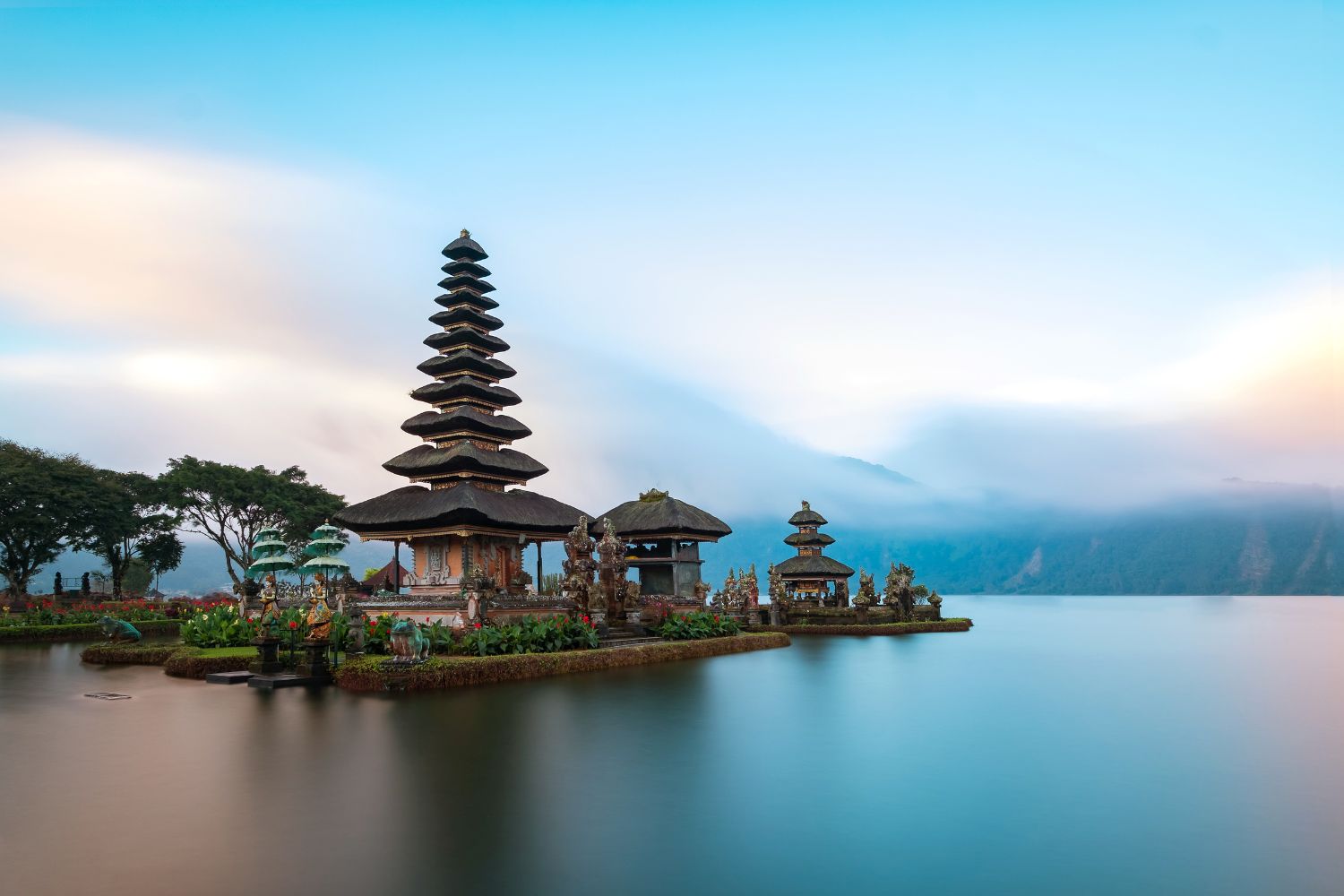
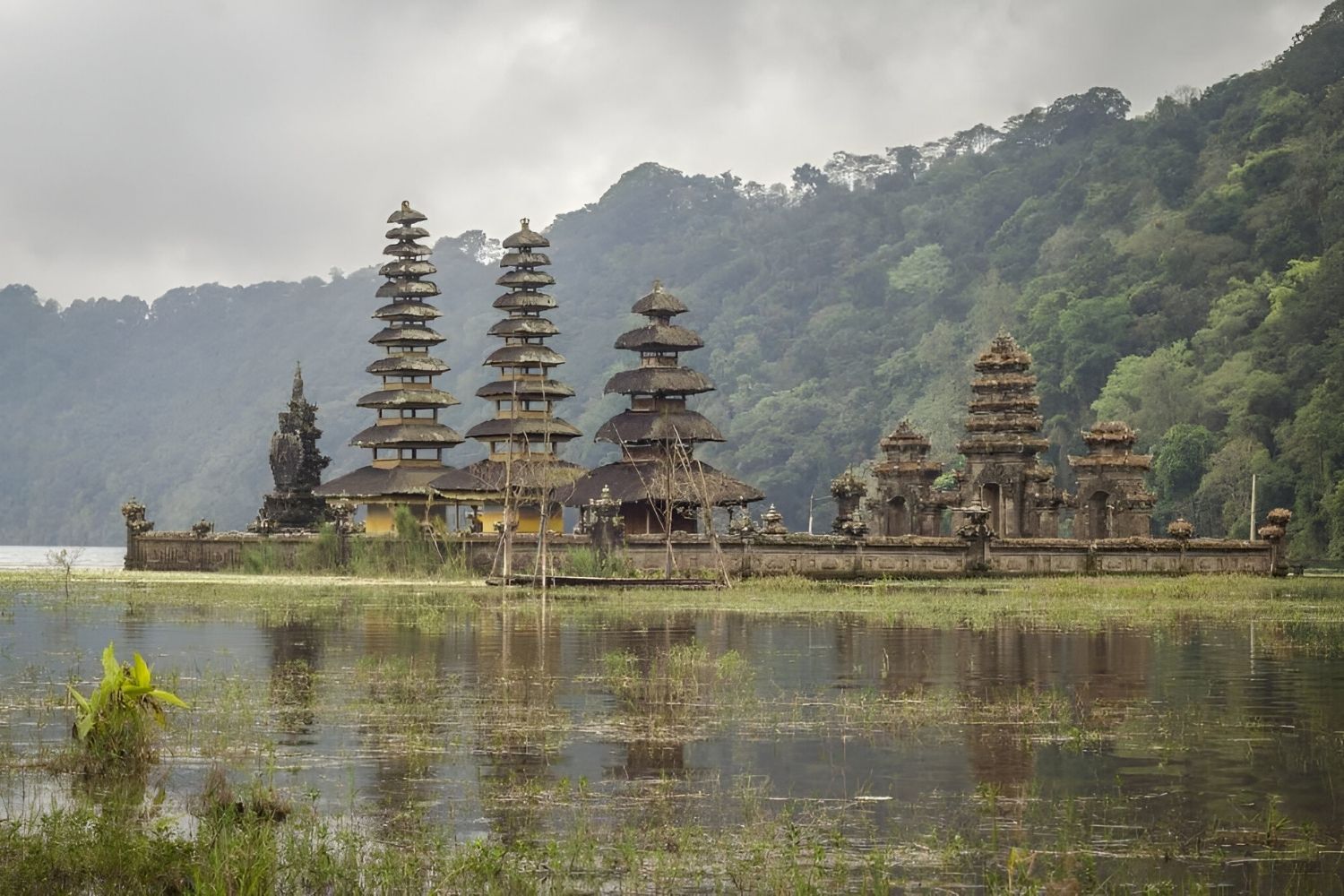
Due to its massive popularity as a tourist destination, many travelers mistakenly believe Bali is an independent nation. In reality, Bali is one of the 38 provinces of Indonesia. While it has a unique religious profile (the majority are Balinese Hindus) compared to the rest of the predominantly Muslim country, it is fully integrated into the Indonesian political system.
Myth 2: Indonesia is Entirely Tropical Rainforest
While Indonesia does house some of the world's most significant rainforests, its geography is varied. You can find snow-capped mountains in Papua (Puncak Jaya), alpine meadows, savannas in East Nusa Tenggara, and dense urban jungles in Java.
Myth 3: The Language is Just a Dialect of Malay
While Bahasa Indonesia is based on a version of Malay, it has evolved significantly over the centuries. It incorporates a vast number of loanwords from Dutch (due to colonial history), Arabic, Portuguese, Sanskrit, and various local languages like Javanese. It is a distinct and sophisticated language of administration, education, and literature.
Frequently Asked Questions
What is the most famous fact about Indonesia's geography?
The most famous fact is that Indonesia is the world's largest archipelago. It consists of over 17,000 islands, though only about 6,000 of them are inhabited. This unique structure creates a maritime border that touches two oceans and two continents.
Is Indonesia the most populous Muslim-majority country?
Yes, Indonesia has the world's largest Muslim population. Approximately 87% of its 280+ million people identify as Muslim. However, the state is officially secular and recognizes six religions: Islam, Protestantism, Catholicism, Hinduism, Buddhism, and Confucianism.
Why is the capital of Indonesia moving?
The capital is moving from Jakarta to Nusantara because Jakarta is sinking, overcrowded, and prone to massive flooding. The move to East Kalimantan is intended to balance development between the western and eastern parts of the archipelago and to build a sustainable, "green" administrative center.
What is the Wallace Line?
The Wallace Line is a faunal boundary line drawn in 1859 by the British naturalist Alfred Russel Wallace. It separates the ecozones of Asia and Wallacea (a transitional zone between Asia and Australia). It explains why western Indonesia has animals like tigers and elephants, while eastern Indonesia has more marsupials and unique bird species.
How many languages are spoken in Indonesia?
Over 700 indigenous languages are spoken across the Indonesian islands. While Bahasa Indonesia is the national language used for formal communication and education, most Indonesians are bilingual or multilingual, speaking their local ethnic tongue (like Javanese, Sundanese, or Madurese) at home.
Can you see wild dragons in Indonesia?
Yes, but only in a very specific location. The Komodo dragon is endemic to the islands of Komodo, Rinca, Flores, Gili Motang, and Padar in the East Nusa Tenggara province. These are protected areas within the Komodo National Park.
Practical Recommendations for Exploring Indonesia
If you are planning to visit or conduct business in Indonesia in 2026, keep the following considerations in mind:
- Embrace the Scale: Do not try to see "Indonesia" in one trip. Focus on one or two regions (e.g., Java and Bali, or Sumatra and Sulawesi) to appreciate the depth of the local culture and geography.
- Respect Local Customs: Given the diversity of the country, social norms vary. While Bali is quite liberal due to tourism, other provinces like Aceh or West Sumatra are more conservative. Always research local etiquette regarding dress and behavior.
- Infrastructure Developments: Take advantage of the improved transport links. As of 2026, the high-speed rail network in Java and the upgraded domestic flight routes to the eastern islands have made traveling across the archipelago significantly faster.
- Environmental Awareness: Be a conscious traveler. Indonesia’s biodiversity is under threat from climate change and plastic pollution. Support eco-tourism initiatives and minimize your environmental footprint while visiting sensitive areas like the Komodo National Park or the rainforests of Kalimantan.
Indonesia’s status as a massive, volcanic, and biodiverse archipelago makes it one of the most complex and fascinating nations on Earth. Whether viewed through the lens of its shifting capital, its critical role in the global green energy transition, or its rich cultural tapestry, Indonesia remains a primary example of how geography shapes the destiny of a people.