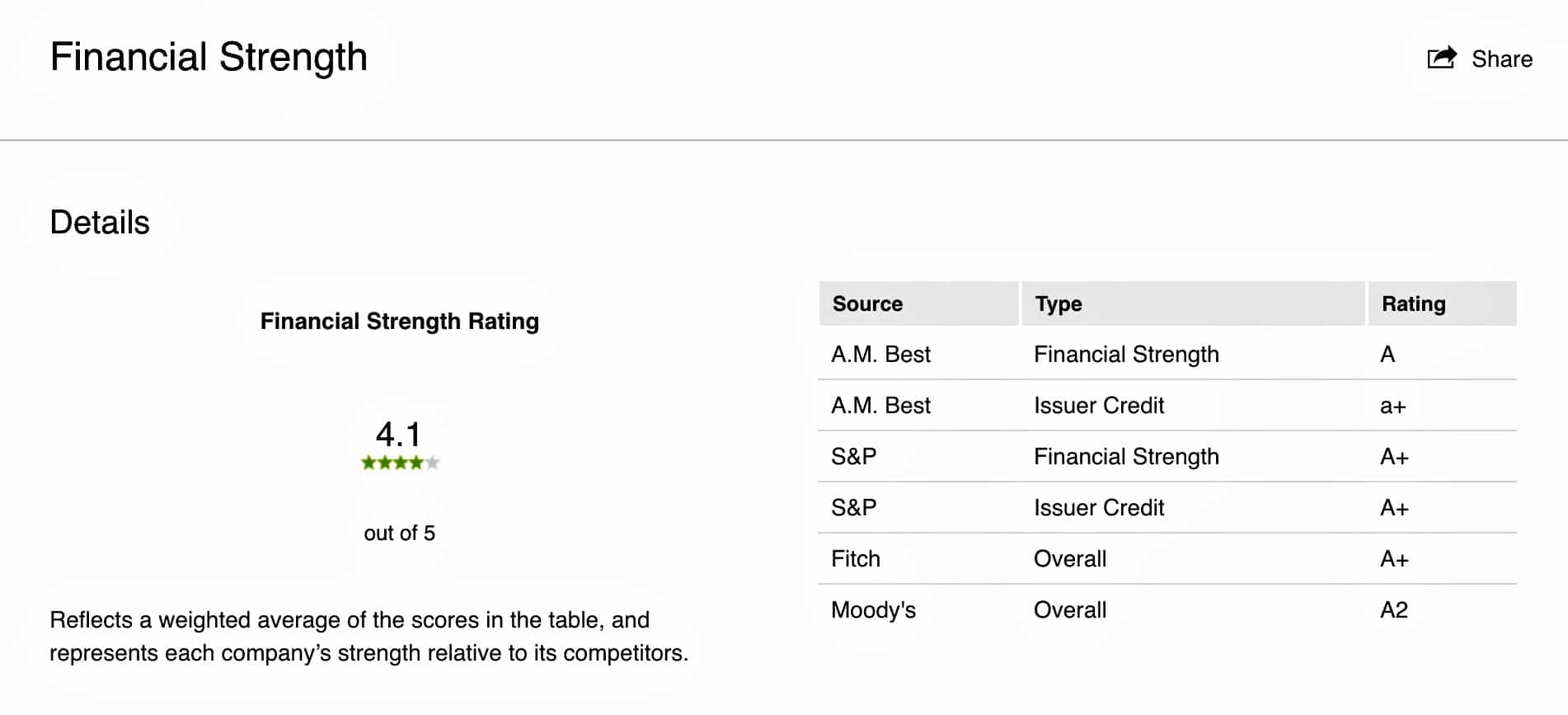
Filing a death claim with American General Life Insurance Company (AGL), which operates as part of Corebridge Financial, requires the submission of official claim forms, a certified death certificate, and documentation verifying the beneficiary’s identity. The process is centralized to ensure regulatory compliance and secure processing of death benefits for life insurance policyholders and their designated beneficiaries.
Understanding the Life Insurance Claim Process
The transition of a life insurance policy from an active contract to a payable death benefit is a structured, legally governed process. When a policyholder passes away, the American General Life Insurance Company requires formal notification to initiate the transition. This is not merely a request for payment; it is a legal procedure designed to verify the validity of the contract, confirm the identity of the beneficiaries, and fulfill the company’s fiduciary obligations under the laws of the jurisdiction where the policy was issued.
By 2026, the industry has standardized much of this communication to prevent fraud and expedite the delivery of funds to those who rely on them during times of bereavement. Understanding that AGL is part of the Corebridge Financial family is crucial for policyholders, as current claim portals and contact information are often routed through the broader Corebridge infrastructure.
Prerequisites Before Initiating a Claim
Before you attempt to locate or submit death claim forms, you must organize specific documentation. AGL and other major carriers require high-quality, verifiable evidence to process a claim. Without these items, the review process will face immediate delays.
- Original Policy Documentation: While the physical policy document is helpful for identifying policy numbers and contact details, it is not strictly required if you do not have it. The policy number is the most critical piece of information for the claim representative.
- Certified Death Certificate: You must obtain a certified copy of the death certificate. Photocopies are rarely accepted; the document must usually bear the official seal of the registrar of vital statistics.
- Beneficiary Identification: The person filing the claim must provide government-issued identification. If the beneficiary is a trust or an estate, additional legal documentation (such as letters of testamentary or a trust agreement) will be required.
- Claimant Statement: This is the primary form that the beneficiary must complete to affirm their identity and their relationship to the insured.
Step-by-Step Procedure for Filing
The process of filing a death claim is linear. Following these steps helps avoid common pitfalls that result in requests for additional information or prolonged verification periods.
Step 1: Notification of Death
The first step is to report the death to AGL. In 2026, most major carriers, including AGL, allow this to be done via a dedicated claims telephone line or an online portal. It is recommended to have the policy number ready. If the policy number is unknown, the Social Security number of the deceased and their date of birth will be necessary for the representative to locate the account.
Step 2: Requesting the Claim Package
Once the death is reported, the company will provide the specific claim forms tailored to the type of policy and the state of residence. You should confirm the preferred delivery method—electronic or postal mail—during the initial notification call.
Step 3: Completing the Forms
When you receive the forms, ensure every field is completed accurately. Discrepancies between the information on the death certificate and the information provided in the claimant statement are the most common cause of processing delays.
Step 4: Submission and Tracking
Submit the completed forms along with the certified death certificate. It is highly advisable to send these materials via a trackable delivery service. If utilizing an online portal, save a digital copy of all uploaded documents for your personal records.
Essential Documentation for AGL Death Claims
| Document | Purpose | Notes |
|---|---|---|
| Claimant Statement | Identifies the beneficiary and request for benefit. | Must be signed by the beneficiary. |
| Certified Death Certificate | Official legal proof of death. | Must include an original seal. |
| IRS Form W-9 | Tax reporting for benefit payments. | Required for potential taxable income reporting. |
| Policy Documents | Provides policy details. | Useful but not always mandatory. |
| Letters of Testamentary | Proves legal representative status. | Required if paying into an estate. |
Handling Specific Scenarios
The standard claim process is straightforward, but certain situations add layers of complexity that require additional attention.
Claims Payable to a Minor: If the beneficiary listed on the policy is a minor, the life insurance company cannot release funds directly to them. A legal guardian or a court-appointed custodian must be involved. In some states, a UGMA (Uniform Gifts to Minors Act) or UTMA (Uniform Transfers to Minors Act) account must be established.
Claims Payable to an Estate: If the beneficiary is deceased or if no beneficiary was named, the proceeds are paid to the estate of the insured. This requires the involvement of the executor or administrator of the estate, who must provide formal court documents proving their authority to manage the assets of the deceased.
Contested Claims: If a policy is relatively new, AGL may exercise its right to review the application during the contestability period, which is typically two years from the date of issue. During this time, the company verifies that all medical history and statements provided by the insured at the time of purchase were truthful.
Common Mistakes to Avoid
Beneficiaries often encounter frustration due to avoidable errors during the filing process.
- Illegible Documentation: Sending faded photocopies of the death certificate is a common mistake. Always use a high-quality, certified copy provided by the funeral director or the county clerk.
- Missing Signatures: Ensure that every page requiring a signature is signed and dated correctly. If there are multiple beneficiaries, each must usually complete their own claimant statement.
- Ignoring Deadlines: While life insurance claims generally do not expire, failing to file in a timely manner can lead to administrative challenges, particularly if the insurance company decides to turn the funds over to the state as "unclaimed property."
- Unauthorized Consultations: Be wary of third-party "claim assistance" services. The AGL claim process is designed to be accessible to policyholders and beneficiaries directly. Paying a fee to a company to fill out basic forms is typically unnecessary and can expose sensitive personal data to unauthorized parties.
Resolving Technical and Communication Issues
If you are having trouble accessing the AGL online portal or if the forms do not arrive within a reasonable timeframe (typically 7–10 business days), follow these troubleshooting steps:
- Verification of Identity: Ensure that you are contacting the correct customer service department for American General Life Insurance. As part of Corebridge Financial, the naming conventions on statements may differ from the brand name.
- Escalation: If you have submitted documents but have not received an acknowledgment, call the claims department to verify receipt. Keep a log of every conversation, including the representative's name, the date, and the reference number provided.
- Regulatory Support: If a claim is denied or unduly delayed, beneficiaries have the right to contact their state’s Department of Insurance. Every state has an insurance commissioner whose office is tasked with investigating disputes between policyholders and insurance companies.
Frequently Asked Questions (FAQ)
1. How long does the American General Life Insurance death claim process take? Once all required documentation is received and in good order, the company typically processes claims within a few weeks. However, if the policy is within the contestability period or requires further verification of beneficiaries, the process can take longer.
2. Can I submit the death claim forms electronically? By 2026, most life insurance companies have shifted to digital workflows. Check the official Corebridge Financial/AGL portal to determine if your specific policy allows for document uploads, which is generally the fastest method compared to traditional mail.
3. Do I need to hire an attorney to file a death claim? In the vast majority of cases, an attorney is not required. The forms are designed for the beneficiaries to complete themselves. You should only consider legal counsel if there is a dispute regarding who the rightful beneficiary is or if the claim has been improperly denied.
4. What happens if I have lost the original policy document? You do not need the physical policy to file a claim. AGL can locate your policy using the insured’s legal name, Social Security number, and date of birth. The most important document is the certified death certificate.
5. Are life insurance death benefits taxable? Generally, life insurance death benefits are income-tax-free for the beneficiary. However, you should consult with a tax professional regarding your specific situation, especially if the policy was held in a trust or if interest accrued on the death benefit between the date of death and the date of payment.
Next Steps for Beneficiaries
If you are currently preparing to file a claim, your first action should be to locate the certified death certificate. Once you have that document in hand, contact the AGL/Corebridge Financial customer service line to request the specific claim package. Do not hesitate to ask the representative for a clear explanation of what is required based on your unique circumstances. Being proactive and organized will significantly streamline the transition of benefits.