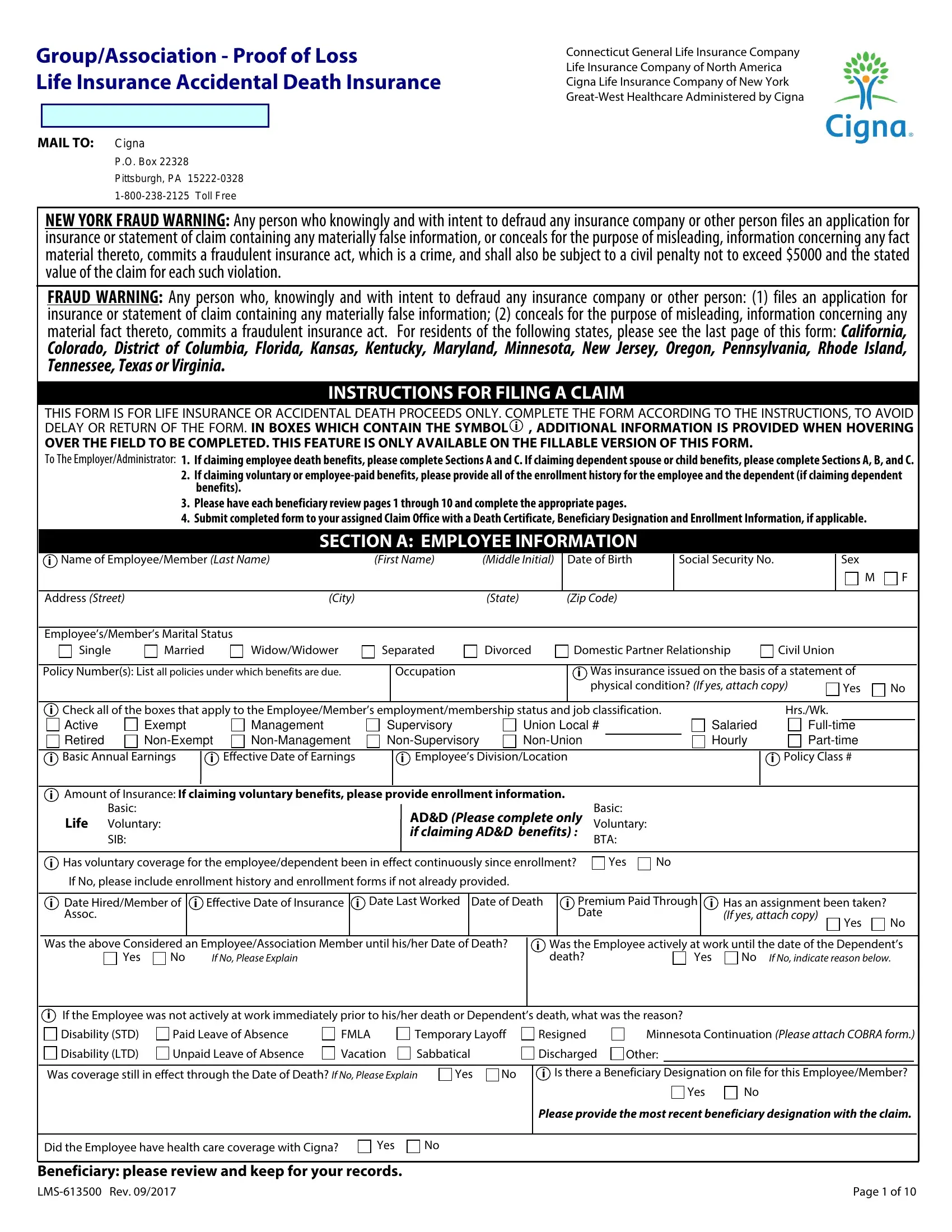
American General Life Insurance form AGL 020 is a standardized administrative document utilized by American General Life Insurance Company (AGL), a subsidiary of Corebridge Financial. This form is primarily used for the purpose of requesting changes to an existing life insurance policy, such as updating beneficiary designations, altering ownership information, or requesting demographic modifications to the policyholder's file.
Purpose and Function of Form AGL 020
In the context of life insurance management, administrative forms act as the formal, legally binding bridge between the policyholder and the insurance carrier. Form AGL 020 serves as a request for change instrument. When a policyholder needs to adjust the parameters of their coverage, they cannot simply request these changes verbally or through informal correspondence. Insurance carriers require a standardized record to ensure that all changes comply with state insurance regulations and the specific provisions of the policy contract.
By submitting form AGL 020, the policyholder authorizes the company to update its internal records. This is a critical step in policy maintenance. If, for example, a policyholder marries or divorces and wishes to change their beneficiary, failing to submit the correct documentation can result in the death benefit being paid to an unintended recipient, as insurance companies are legally bound to follow the last valid beneficiary designation on file. AGL 020 provides the structured environment necessary to capture this information accurately, minimizing the risk of administrative errors.
When to Utilize This Form
Policyholders often encounter a variety of life events that necessitate updates to their insurance contracts. Recognizing when to use form AGL 020 is essential for maintaining the integrity of one’s financial planning. Common scenarios include:
- Beneficiary Updates: Following a life milestone such as a marriage, divorce, the birth of a child, or the death of a previous beneficiary.
- Ownership Transfers: Assigning the policy to a trust, a spouse, or another entity for estate planning purposes.
- Name Changes: Correcting or updating the legal name of the insured or the owner due to marriage or legal court order.
- Address and Contact Corrections: Ensuring that premium notices, annual reports, and critical policy communications reach the policyholder consistently.
It is important to note that AGL 020 is not used for every possible change. For instance, requesting a loan against the cash value of a policy or initiating a surrender usually requires different, specific forms designed for financial transactions. AGL 020 is primarily focused on the static administrative data that defines the policy’s current status.
Prerequisite Documentation and Preparation
Before attempting to complete form AGL 020, you must ensure you have the necessary documentation at hand. Because this form alters a contract, the insurance company will require verification of the policyholder’s identity and authority.
- Policy Number: You must provide the exact policy number. This is found on your annual statement or your original policy packet.
- Current Information: Have your current information as it appears on the company’s records available for reference. Discrepancies between the information provided on the form and the information in the company's database can cause significant processing delays.
- Supporting Legal Documents: If you are changing a name due to marriage or divorce, the company may require a copy of the marriage certificate or divorce decree. If you are changing ownership to a trust, you will likely need to provide the trust document or a certification of trust.
- Tax Identification Numbers: If a new beneficiary or owner is a trust or a corporation, you will need the correct Tax Identification Number (TIN) or Employer Identification Number (EIN).
Step-by-Step Completion Guide
Filling out the form correctly is the most effective way to prevent rejection or delays. Follow this procedural framework to ensure the document is completed in accordance with AGL’s requirements.
Section 1: Policy Identification
Begin by clearly stating the policy number and the name of the insured. If the policy covers multiple individuals or includes riders, be specific about which components are being modified. Accuracy in this section ensures the document is routed to the correct administrative department.
Section 2: Type of Change
Select the specific category of change you are requesting. Most versions of AGL 020 will have checkboxes or specific fields dedicated to each change type. Do not attempt to use one form for unrelated types of changes (e.g., changing a beneficiary and requesting a policy loan). Using separate forms for distinct categories of administrative action is a best practice.
Section 3: Declarations and Signatures
This is the most legally significant section of the form. The policyholder must sign and date the document in the presence of a witness or, in some cases, a notary public. AGL’s requirements regarding notarization can vary depending on the type of change being made, particularly regarding ownership transfers. Always check the current 2026 guidelines regarding signature requirements to avoid having the form returned.
Comparison of Common Administrative Changes
| Change Type | Requirement Level | Key Documentation Needed |
|---|---|---|
| Address Change | Low | Valid ID / Utility Proof |
| Beneficiary Update | Medium | Current Beneficiary Details (SSN/DOB) |
| Name Change | High | Legal Proof (Marriage Cert / Decree) |
| Ownership Transfer | Very High | Trust Documents / Notarization |
Common Mistakes and How to Avoid Them
Even with a clear form, errors frequently occur that stall the update process. One of the most common mistakes is the use of white-out or correction fluid. Financial institutions and insurance companies generally reject documents containing such alterations because they can obscure information. If you make a mistake, it is better to print a clean copy of the form and start over.
Another frequent error is failing to provide complete information for beneficiaries. If you are designating a new beneficiary, you must provide their full legal name, date of birth, Social Security number, and their relationship to the insured. Without this information, the company may be unable to verify the beneficiary’s identity in the future, which can complicate the claims process for your heirs.
Finally, ensure that the form is sent to the correct address or digital portal. American General Life has consolidated much of its processing through the Corebridge Financial infrastructure. Sending the form to an outdated local office address can add weeks of delay to your request.
Navigating the Digital Transition
As of 2026, many life insurance carriers, including those under the Corebridge Financial umbrella, have shifted toward digital document processing. While physical forms like AGL 020 remain a staple for high-security changes like ownership transfers, many standard demographic updates can now be completed through the policyholder’s online portal.
Before mailing a physical form, log in to your account on the official company website. Check if there is an "Update Information" or "Service Request" section. Performing these updates digitally often results in faster processing times and provides an automated receipt confirmation that you do not receive when mailing paper documents. If the portal specifically directs you to download and fill out an AGL 020, then proceed with the physical submission, following the instructions regarding mailing addresses or secure upload links provided on the document itself.
The Importance of Notarization and Witnesses
For changes that involve moving the policy from one owner to another, such as an absolute assignment, AGL requires strict verification of the signature. This protects the original policyholder from unauthorized changes. A notary public acts as a disinterested third party who verifies the identity of the signer.
When the form requires a notary, ensure that the notary stamp is clear and that the date matches the signature date. A common cause of rejection is a "stale" signature or an improperly completed notary block. Furthermore, if you are designating a minor as a beneficiary, consult with a legal professional regarding the implications, as insurance companies often cannot pay death benefits directly to minors, necessitating the existence of a trust or a court-appointed guardian.
Troubleshooting Processing Delays
If you have submitted form AGL 020 and have not received a confirmation letter within 30 days, take proactive steps. First, ensure that your premium payments are current. Sometimes, administrative changes are suspended if a policy is in a "grace period" or has been flagged for a potential lapse.
Second, contact the customer service department directly. When you call, have your policy number ready and ask for a status update specifically on the "service request" or "administrative change" filed on your account. If the form was rejected due to an error, ask the representative to explain the specific deficiency—such as a missing signature or a requirement for a notarized document—so you can correct it on the next submission.
Professional Financial Guidance
While form AGL 020 is an administrative tool, the decisions you make using it—such as changing beneficiaries or transferring ownership—have deep financial and tax implications. Before changing the ownership of a policy, consult with a tax advisor or an estate planning attorney. Transferring a policy can, in some cases, trigger gift tax consequences or impact the way the death benefit is treated for income tax purposes under current 2026 regulations.
Never view the act of filling out a form as a purely clerical task. It is a modification of a multi-year financial contract. If you are working with an insurance agent or a financial advisor, involve them in the process. They can often review your AGL 020 form before you sign it to ensure that the changes align with your broader wealth management goals.
Frequently Asked Questions
Can I submit form AGL 020 via email? Most insurance carriers, including AGL, are restricted by privacy and security regulations regarding how they accept forms. You should only submit this form through the official, secure policyholder portal or via the specific mailing address or fax number indicated on the form’s instructions. Avoid emailing sensitive personal documents.
What happens if my beneficiary is deceased? If a primary beneficiary is deceased, you must update the form to remove them and designate a new beneficiary. Failing to update this information means the insurance company will follow the "per stirpes" or "per capita" distribution rules defined in the policy or by state law, which may not align with your intentions.
Does an ownership change require the new owner’s signature? Yes, in almost all cases where ownership is transferred, the new owner must sign the form to acknowledge their acceptance of the policy responsibilities, including the responsibility for future premium payments and the right to future cash value withdrawals.
How do I confirm that the change has been made? Once processed, American General Life typically sends a written confirmation, often in the form of an endorsement page or a letter confirming the change. Keep this document with your original policy records. It serves as proof that the change is now in effect.
What if I cannot find my original policy document? You do not necessarily need the original physical policy packet to complete AGL 020, provided you know your policy number. If you have lost your policy number, you must contact customer service and verify your identity through security questions to have them look up your policy number for you.
Next Steps for Policyholders
To ensure your American General Life policy is current, your first step should be to log into the Corebridge Financial client portal. Verify your existing contact information and beneficiary designations. If they are outdated, download the required version of form AGL 020 from the site. Complete it thoroughly, ensuring all sections are signed, and—where required—properly notarized. Keep a digital scan of the completed form for your personal files before sending it to the company via the verified address or secure document upload tool. Following these steps ensures your insurance policy continues to function exactly as you intend for your beneficiaries and your financial future.