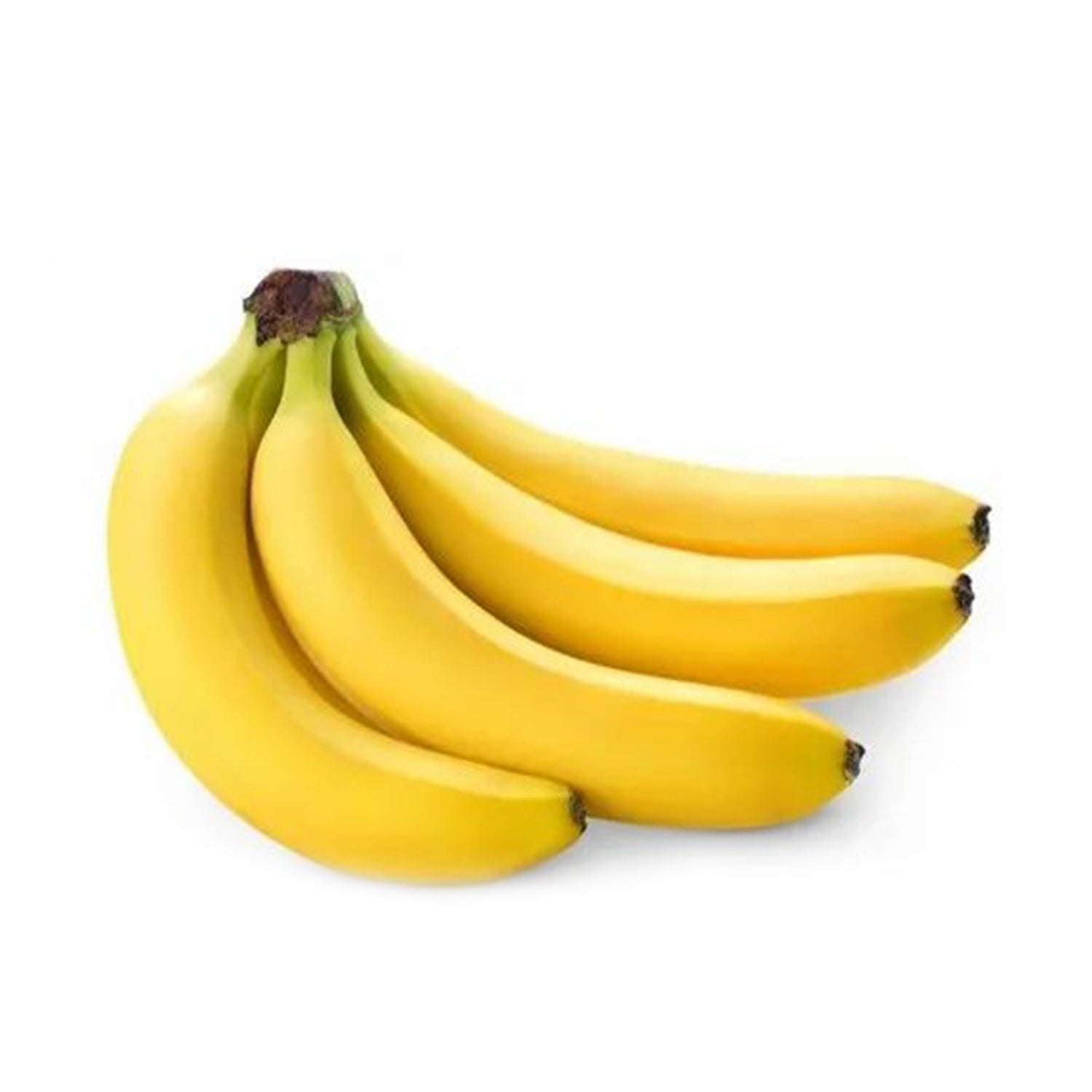
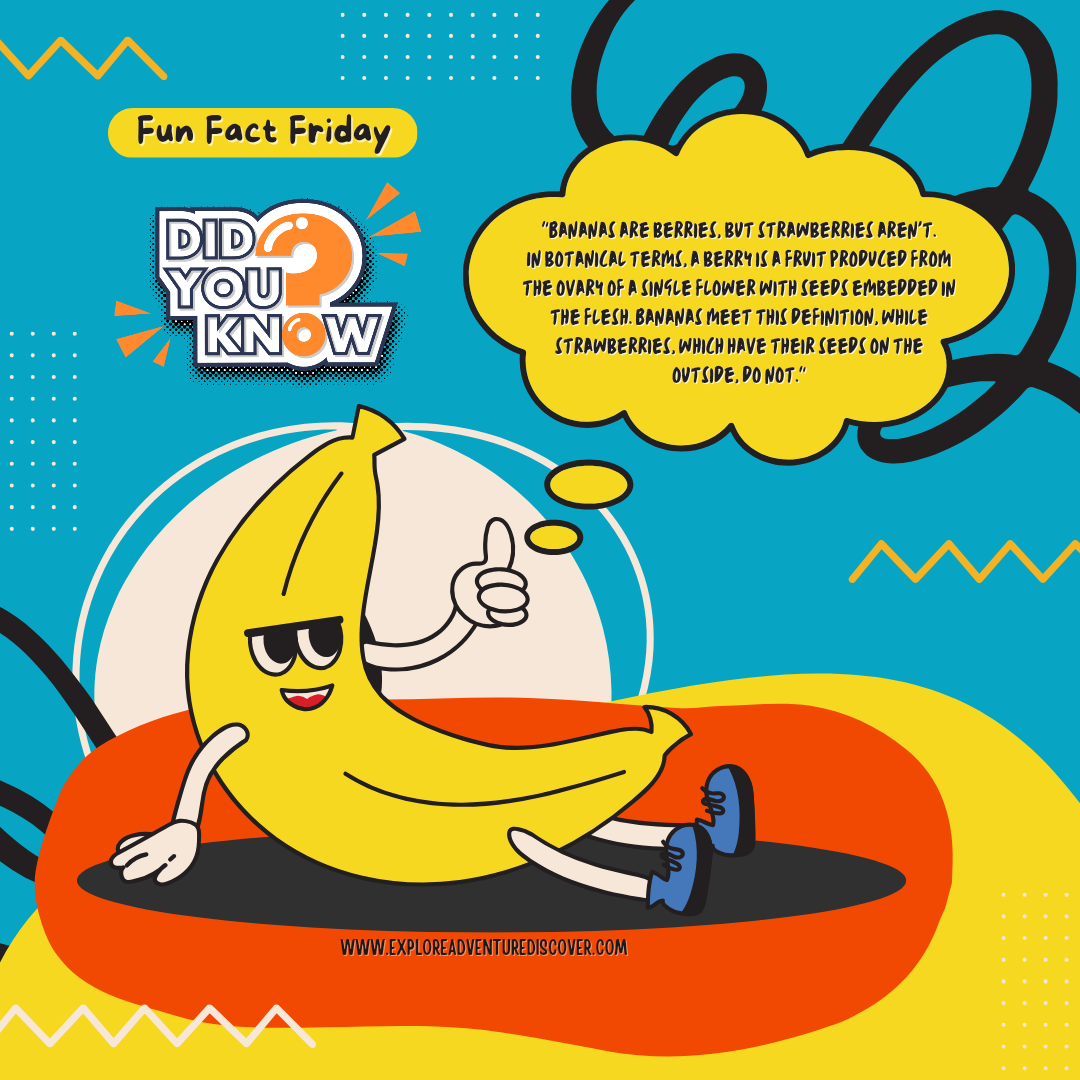
Yes, bananas are technically berries according to botanical classification. They derive from a single flower with one ovary and possess a fleshy middle layer and an innermost layer containing seeds. While culinary definitions differ, the banana meets all scientific criteria required to be categorized as a true botanical berry.
Most people are surprised to learn that a banana fits the same scientific category as a blueberry, while a strawberry does not. This confusion stems from a fundamental disconnect between culinary terminology and botanical science. In the kitchen, we define "berries" by their size, sweetness, and use in desserts. In the laboratory, however, a berry is defined strictly by the morphology of the fruit and the specific part of the plant from which it develops.
As of 2026, botanical education has increasingly emphasized these distinctions to help the public understand plant biology and food security. Understanding why a banana is a berry requires a deep dive into plant anatomy, the process of fruit development, and the history of how we name the food we eat.
The Botanical Definition of a True Berry
To understand why a banana qualifies as a berry, one must first understand the rigorous definition used by botanists. A botanical berry is a "simple fleshy fruit" that emerges from a single ovary of a single flower. For a fruit to be classified as a true berry, it must possess three distinct layers, collectively known as the pericarp.
The Three Layers of the Pericarp
- Exocarp: This is the outermost layer, which we commonly refer to as the skin or rind. In a banana, the exocarp is the thick, yellow (or green) peel that protects the fruit.
- Mesocarp: This is the middle layer, which is typically fleshy and makes up the bulk of the fruit’s volume. In a banana, this is the soft, sweet part we eat.
- Endocarp: This is the innermost layer that surrounds the seeds. In a true berry, the endocarp is often soft or fleshy rather than stony or hard.
In addition to these three layers, a true berry must contain two or more seeds (though some cultivated varieties have been bred to have fewer or vestigial seeds). Because the banana develops from a single ovary and contains a fleshy pericarp with internal seeds, it fits the scientific definition perfectly.
Why Bananas Meet the Criteria
When you examine a banana through a scientific lens, the evidence for its "berry" status is overwhelming. The development starts with the banana heart, a large purple bud that contains the flowers. Each individual banana grows from a single female flower. As the ovary of that flower ripens, it swells to form the elongated fruit we recognize.
The Mystery of Banana Seeds
One common objection to the "banana as a berry" fact is the apparent lack of seeds. Most consumers in 2026 are primarily familiar with the Cavendish banana, the dominant commercial variety. If you look closely at the center of a sliced Cavendish banana, you will see tiny black specks. These are vestigial seeds—remnants of seeds that failed to develop because commercial bananas are triploid (they have three sets of chromosomes) and sterile.
Wild bananas, however, are filled with hard, large, pea-sized seeds. These wild varieties make the berry classification much more obvious to the naked eye. The fact that humans have bred the seeds out of commercial bananas for better eating does not change the fruit’s underlying botanical structure.
The Single Ovary Requirement
Many fruits that look like berries are actually "aggregate fruits." A raspberry, for example, comes from a single flower that has multiple ovaries. Each tiny "bead" on a raspberry is technically a separate fruitlet. Because a banana comes from one flower with only one ovary, it maintains its status as a simple fruit, which is a prerequisite for being a berry.
The Culinary vs. Botanical Conflict
The reason this topic causes so much debate is the discrepancy between how we talk about food in a grocery store versus a biology classroom. This is known as the "Taxonomic-Gastronomic Divide."
In culinary terms, a berry is any small, fleshy fruit that is typically round, brightly colored, sweet or sour, and does not have a stone or pit. Under this definition, strawberries, raspberries, and blackberries are the "true" berries. However, none of these meet the botanical requirements.
Botanists generally categorize fruits based on their developmental origin, while chefs categorize them based on flavor profile, texture, and usage. This is similar to the "tomato is a fruit" debate. While a tomato is botanically a berry, it is treated as a vegetable in culinary and legal contexts because of its savory application.
Comparing Common Fruits: Berry vs. Non-Berry
To clarify these distinctions, it is helpful to see how various fruits are classified based on their anatomical structures. The table below outlines the status of common fruits as of 2026.
| Fruit | Botanical Classification | Is it a True Berry? | Reasoning |
|---|---|---|---|
| Banana | Berry | Yes | Single ovary, fleshy pericarp, internal seeds. |
| Tomato | Berry | Yes | Develops from one ovary; seeds are embedded in flesh. |
| Watermelon | Pepo (Modified Berry) | Yes | A berry with a hard outer rind (exocarp). |
| Orange | Hesperidium (Modified Berry) | Yes | A berry with a leathery rind and juice sacs. |
| Strawberry | Aggregate Fruit | No | Develops from multiple ovaries; "seeds" are the actual fruit. |
| Raspberry | Aggregate Fruit | No | A cluster of small drupelets from multiple ovaries. |
| Avocado | Single-seeded Berry | Yes | Meets all criteria, though it only has one large seed. |
| Cherry | Drupe | No | Has a hard, stony endocarp (the pit) surrounding the seed. |
Other Surprising Botanical Berries
The banana is not the only fruit that defies common sense in its classification. If you accept that a banana is a berry, you must also accept a variety of other surprising relatives.
Watermelons, Pumpkins, and Cucumbers
These are classified as pepos. A pepo is a specific type of berry that has a tough, inseparable outer rind. While we don't think of a giant pumpkin as a berry, its internal structure—seeds embedded in a fleshy mesocarp originating from a single ovary—makes it scientifically a berry.
Citrus Fruits
Oranges, lemons, and limes are hesperidia. These are modified berries with a leathery rind and parchment-like partitions between the sections. Despite their specialized anatomy, they fall under the broad umbrella of botanical berries.
Avocados and Eggplants
The avocado is a particularly interesting case. It is a berry that has evolved to produce only one large seed. Eggplants and peppers are also true berries, despite their culinary use as vegetables.
The "False" Berries: Strawberries and Raspberries
If bananas are berries, why aren't strawberries? This is perhaps the most famous botanical irony. A strawberry is an aggregate fruit. The red, fleshy part we eat is actually the swollen "receptacle" of the flower, not the ovary itself.
The tiny "seeds" on the outside of a strawberry are the actual fruits, known as achenes. Each achene contains a tiny seed inside it. Therefore, a strawberry is actually a collection of many tiny dry fruits held together by a sweet, fleshy base.
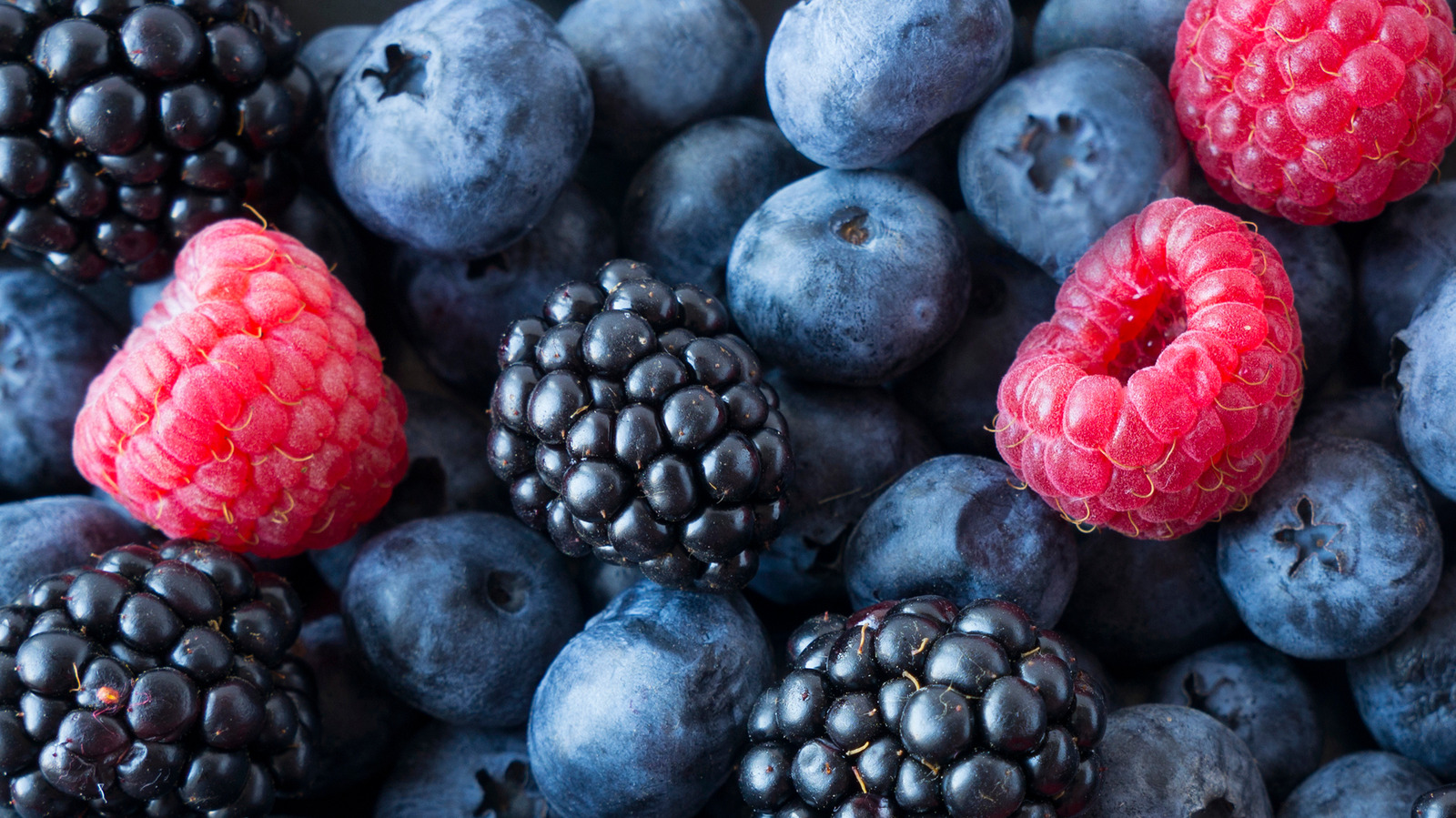
Similarly, raspberries and blackberries are aggregates of drupelets. Each small bump on a raspberry is structurally similar to a tiny cherry or peach, with its own skin, flesh, and tiny "pit" (seed).
The Banana Plant: An Herb, Not a Tree
While we are debunking myths about the fruit, it is also important to address the plant itself. Many people refer to "banana trees," but the banana plant is technically a giant herb.
In botany, a tree is defined by having a woody stem (trunk) made of secondary xylem. The banana plant does not produce wood. Instead, its "trunk" is actually a pseudostem made of tightly wrapped leaf bases. Because the plant lacks a woody structure and the aerial parts die back to the ground after the growing season (or after fruiting), it is classified as an herbaceous perennial.
This makes the banana the world’s largest herbaceous flowering plant. This classification further distances the banana from common fruit trees like apples or pears, emphasizing its unique biological niche.
Historical and Evolutionary Context
The classification of the banana as a berry is not a new development in 2026, but our understanding of its evolution has improved. Fossil records and genetic sequencing have shown that the Zingiberales order (which includes bananas and ginger) diverged tens of millions of years ago.
The "berry" strategy—developing a fleshy, colorful fruit with seeds inside—is an evolutionary adaptation for seed dispersal. In the wild, animals eat the fleshy banana, ingest the hard seeds, and deposit them elsewhere in their droppings. The elongated shape of the banana is a result of negative geotropism, where the fruit grows against gravity toward the sunlight, creating the characteristic curve.
The Future of the Banana Berry
In 2026, the banana industry faces significant challenges that highlight the importance of understanding its biology. The Tropical Race 4 (TR4) fungus continues to threaten the Cavendish variety. Because commercial bananas are clones (lacking genetic diversity), they are highly susceptible to disease.
Scientists are currently working on diversifying the "berry" market by introducing more resilient wild varieties and genetically modified strains to the global supply chain. Understanding the botanical nature of the banana—its ovary structure and seed development—is crucial for these conservation and engineering efforts.
Practical Implications for Consumers
Does it matter to the average person that a banana is a berry? While it might not change how you make a peanut butter sandwich, this knowledge serves several practical purposes:
- Dietary Awareness: Understanding fruit structures can help those with specific allergies or sensitivities identify related plant families.
- Gardening and Agriculture: For those growing their own food, knowing that a banana is an herb and its fruit is a berry dictates how the plant should be pruned and fertilized.
- Scientific Literacy: Distinguishing between culinary and botanical terms helps individuals navigate scientific information more effectively, especially regarding GMOs and food labeling.
Summary of Botanical Facts
To recap the technical status of the banana:
- It is a true berry because it comes from one ovary and has a fleshy pericarp.
- The plant it grows on is a giant herb, not a tree.
- Common "berries" like strawberries and raspberries are not botanically berries at all.
- The seeds in commercial bananas are vestigial due to selective breeding for sterile, seedless fruit.
Frequently Asked Questions
Are blueberries actually berries? Yes. Unlike strawberries, blueberries are true botanical berries. They develop from a single ovary and have the characteristic three-layered pericarp (skin, flesh, and seeds) that defines the category.
Is a pineapple a berry? No. A pineapple is a multiple fruit. It is formed from a cluster of many different flowers, where the fruitlets of each flower fuse together to form a single large fruit. This is different from a berry, which must come from only one flower.
If an avocado is a berry, why does it only have one seed? Botanical definitions allow for variation in seed count. An avocado is considered a "single-seeded berry" because it meets all other criteria: it is fleshy, has a soft endocarp (the layer touching the pit), and originates from a single ovary.
Why do we call them strawberries if they aren't berries? The word "berry" existed in the English language long before modern botanical taxonomy was established. In Middle English, "berie" simply referred to any small, succulent fruit. Botanists later adopted the word for a specific scientific classification, creating the linguistic overlap we see today.
Are wild bananas different from the ones in stores? Yes, significantly. Wild bananas are typically smaller and are filled with many hard, black seeds. They are often less sweet and may have different colors, such as red or blue. The store-bought Cavendish is a specific clone bred for consistency, sweetness, and the absence of seeds.
Final Recommendation
When discussing food, it is helpful to acknowledge the context. If you are in a kitchen, it is perfectly acceptable to call a strawberry a berry and a banana a fruit. However, if you are studying biology or looking for a deeper understanding of the natural world, remember that bananas are true berries. To further your knowledge, consider visiting a local botanical garden or exploring the USDA's Plant Database for detailed taxonomic breakdowns of your favorite foods.