An armoured car robbery movie is a high-stakes heist subgenre centered on the tactical interception of cash-in-transit (CIT) vehicles. These films prioritize intricate planning, heavy weaponry, and complex logistics, exploring themes of professional criminality, betrayal, and the technological battle between security firms and sophisticated thieves in a high-pressure environment.
The allure of the armoured car robbery movie lies in the inherent tension of the "road pirate" dynamic. Unlike a traditional bank heist, where the target is a static building, an armoured car heist involves a moving target—a mobile fortress designed to withstand significant ballistic force and tactical intrusion. As of 2026, this cinematic niche remains one of the most durable segments of the action-thriller genre, evolving from the gritty noir of the 1950s to the hyper-realistic, tactical procedurals of the modern era.
The Evolution of the Armoured Car Robbery Movie
The cinematic fascination with stealing from armored vehicles dates back to the mid-20th century. Early examples often treated the armoured car as an incidental target, a means to an end for a larger criminal plot. However, as the Cash-In-Transit (CIT) industry grew more sophisticated, so did the films depicting their downfall.
The Golden Age of Noir and the "Perfect Plan"
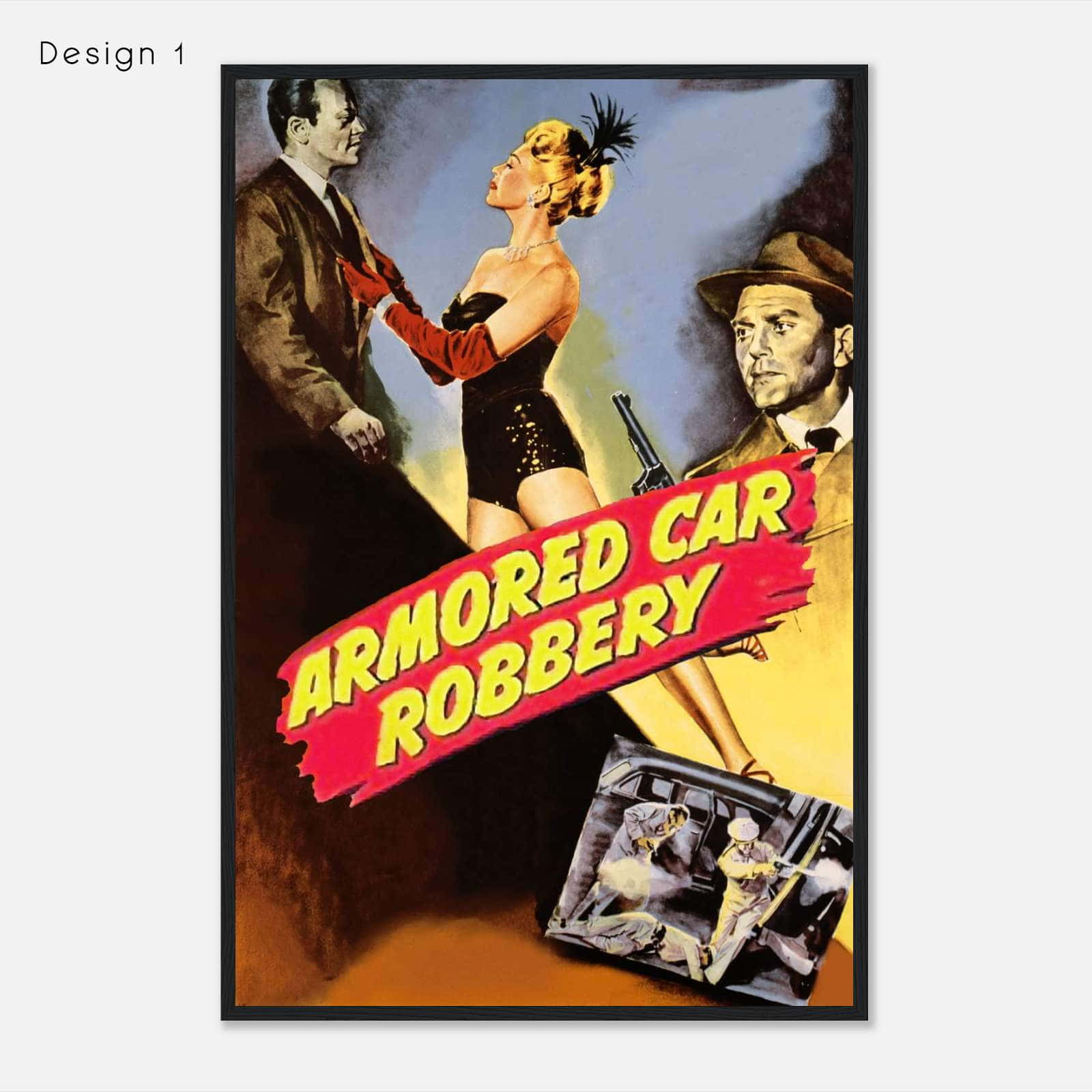
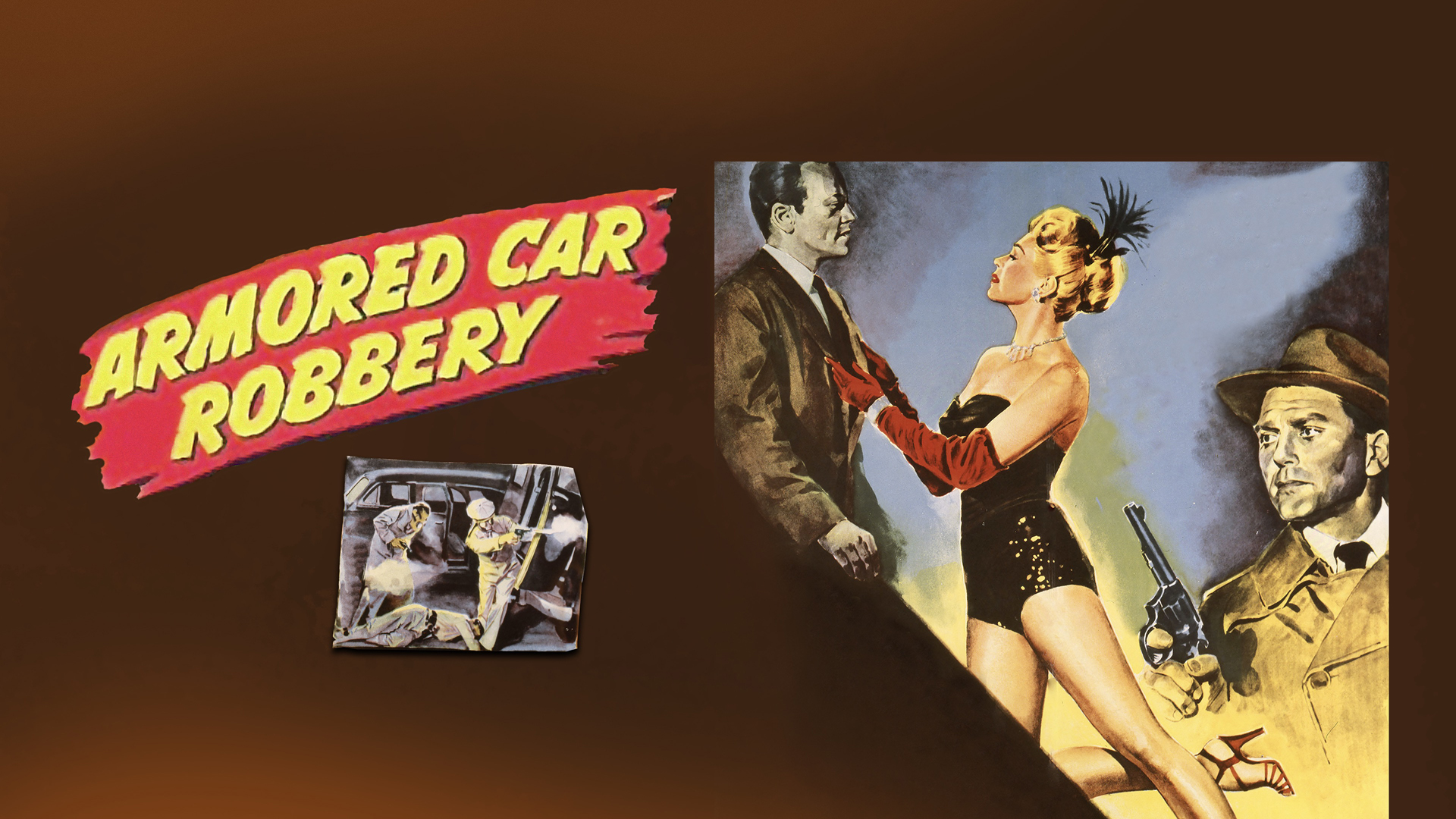
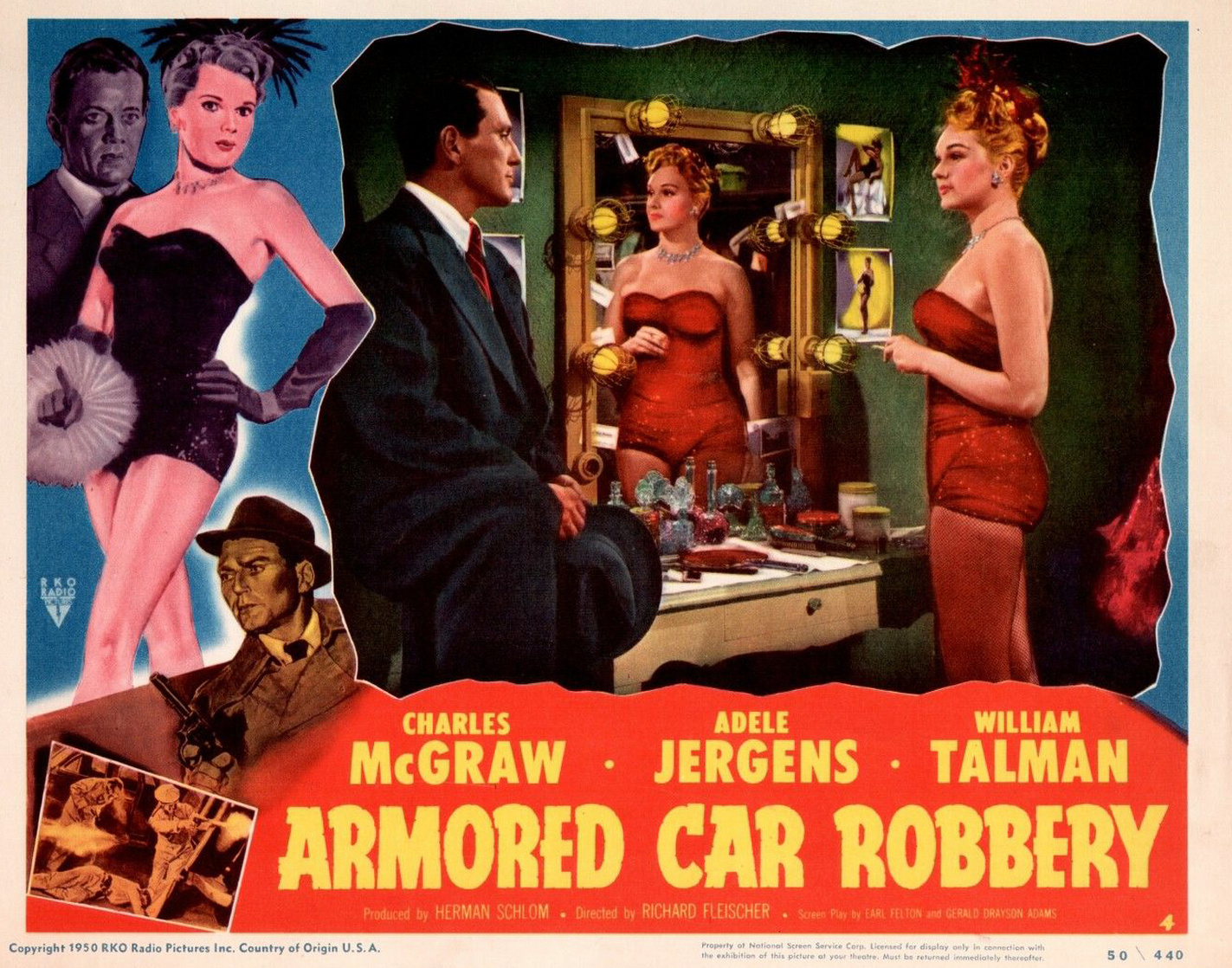
In the 1940s and 50s, movies like The Killers (1946) and Armored Car Robbery (1950) established the blueprint. These films focused on the "inside man" and the meticulous breakdown of a seemingly impenetrable system. During this era, the armoured car was a symbol of industrial security, and its breach represented a triumph (or tragic failure) of human ingenuity over mechanical strength.
The Modern Tactical Era
The 1990s marked a significant shift toward "tactical realism." Michael Mann’s Heat (1995) is widely considered the gold standard of the genre. It moved away from the "gentleman thief" trope toward a depiction of professional criminals who operated with military precision. By 2026, this influence is still felt in how directors approach choreography, sound design, and the technical specifics of breaching reinforced steel and ballistic glass.
Defining Masterpieces of the Genre
To understand the armoured car robbery movie, one must examine the specific films that defined its conventions. These movies aren't just about the act of theft; they are about the preparation, the psychological toll, and the inevitable "chaos factor" that arises when a plan meets reality.
Heat (1995): The Tactical Benchmark
While Heat features several types of robberies, its opening armoured car heist is legendary. It showcases the use of a "blocker" vehicle, shaped charges to blow the rear doors, and the brutal efficiency required to move high volumes of cash in under two minutes. The film’s focus on the "professionalism" of the crew set a standard for every movie that followed.
The Town (2010): The Local Perspective
Ben Affleck’s The Town grounded the armoured car heist in a specific subculture—Charlestown, Massachusetts. The film highlights the "generational" aspect of these crimes, where technical knowledge is passed down through tight-knit communities. The scene involving the crew dressed as nuns, using a sophisticated "jamming" device to neutralize police scanners, is a masterclass in tension and specific location-based tactics.
Wrath of Man (2021): The Insider’s View
Guy Ritchie’s Wrath of Man flipped the script by focusing on the security guards themselves. It provides a detailed look at the internal protocols of a CIT company (Fortico Securities) and the vulnerability of the "human element." The film explores how an armoured car is most vulnerable not while moving, but during the "drop" or "pickup"—the moment the doors are opened.
Den of Thieves (2018): Heavy Artillery and Logistics
This film emphasizes the sheer scale of modern CIT security. It treats the robbery as a military operation, involving complex diversions and heavy weaponry. It highlights a common theme in the 2026 cinematic landscape: the escalation of force between law enforcement and criminal organizations.
Technical Realism: Hollywood vs. Reality
One of the primary interests for viewers of armoured car robbery movies is the technical "how-to." While Hollywood often takes liberties for the sake of drama, many films ground their heists in real-world security vulnerabilities.
Breaching the Vehicle
In movies, we often see thermal lances or shaped charges. In reality, most armoured cars are built to Level B6 or B7 ballistic standards, meaning they can withstand high-velocity rifle rounds. Breaching the shell is incredibly difficult without heavy industrial equipment. Real-world robberies often rely on "the threat of force" against the operators rather than trying to cut through the vehicle itself.
The "Drop" Vulnerability
The most realistic aspect of many movies is the focus on the "walk" or the "drop." This is the period when a guard carries the cash from the building to the truck. Statistically, this is when most actual robberies occur. Films like Armored (2009) focus heavily on this procedural window, showing how security protocols (like the "two-man rule") are the only thing preventing a successful heist.
Communication Jamming
Modern heists in film frequently feature RF (Radio Frequency) jammers. As we look at the landscape in 2026, movies have integrated even more advanced technology, such as drone surveillance and AI-driven traffic light manipulation. While these add cinematic flair, real CIT vehicles are equipped with independent GPS tracking, silent alarms, and "mesh" communication networks that are significantly harder to neutralize than a standard cell signal.
Comparison of Iconic Armoured Car Heist Films
| Movie Title | Key Tactical Element | Realistic Accuracy | Core Theme |
|---|---|---|---|
| Heat (1995) | Shaped charges & vehicle blocking | High (Tactical movement) | Professionalism vs. Obsession |
| The Town (2010) | Communication jamming & disguises | Medium (Local knowledge focus) | Loyalty and Heritage |
| Armored (2009) | The "Inside Man" & Internal sabotage | High (Security protocols) | Moral ambiguity and Greed |
| Wrath of Man (2021) | Perspective of the CIT Guard | Medium (Heightened action) | Revenge and Infiltration |
| Den of Thieves (2018) | Military-grade logistics | Low (Excessive firepower) | Law Enforcement vs. Outlaws |
| Heist (2001) | Elaborate deception/sleight of hand | Medium (Complex planning) | Intelligence vs. Brute Force |
The "Anatomy" of a Cinematic Armoured Car Robbery
Every compelling armoured car robbery movie follows a structured narrative arc that mirrors the actual planning of a high-stakes crime.
- The Selection (The Mark): The crew identifies a specific route or a specific vehicle carrying a "high-load" (often payroll or Federal Reserve transfers).
- The Surveillance: Days or weeks are spent timing the guards, noting their habits, and identifying "dead zones" in camera coverage or police response times.
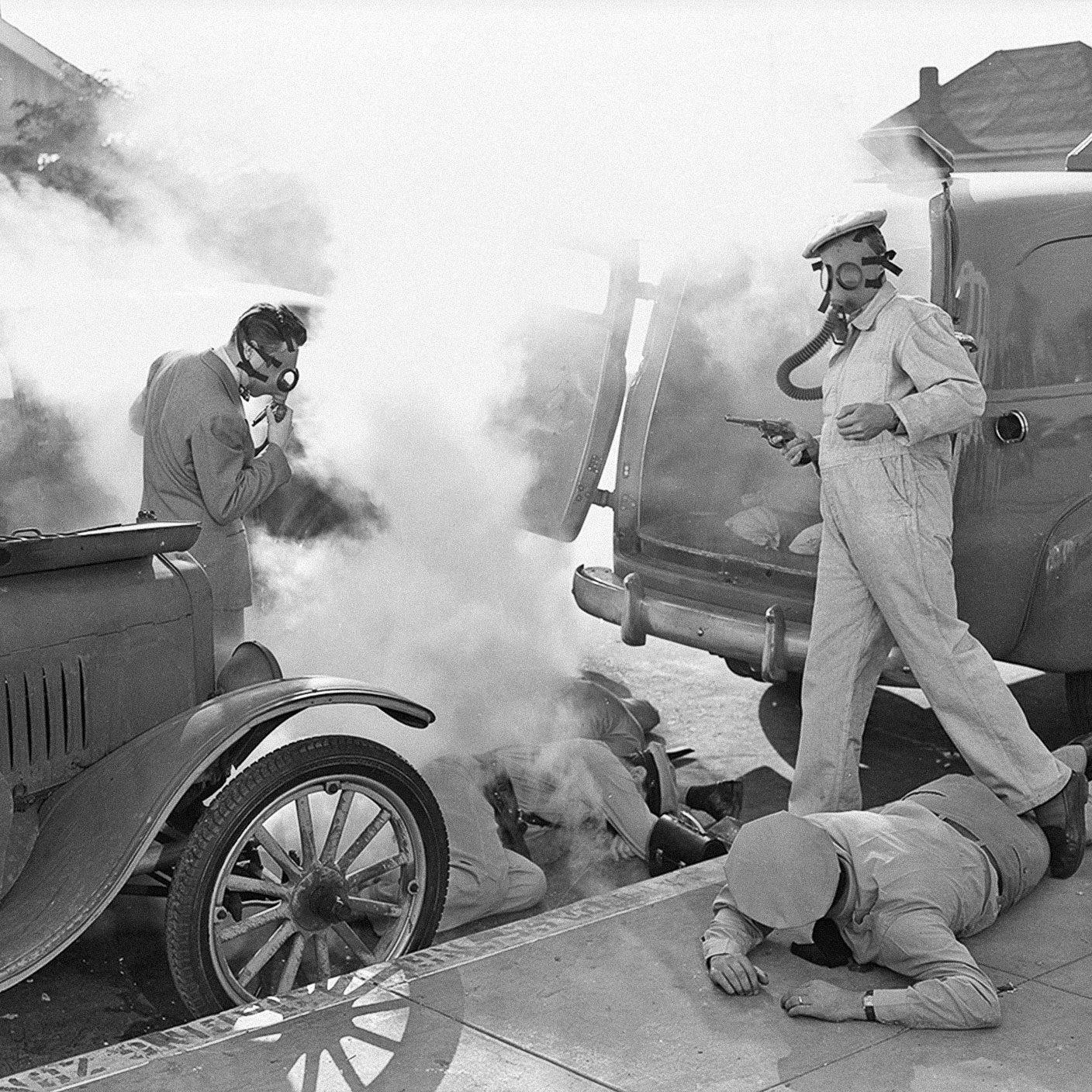
- The Interception: This is the core action sequence. It usually involves a "trap," such as a staged accident, a fake road construction crew, or a literal T-bone collision to stop the vehicle.
- The Breach: The thieves must bypass the multi-point locking systems. This provides the "ticking clock" element of the movie.
- The Getaway: Armoured cars are heavy and slow. The thieves must transfer the heavy bags of cash (which can weigh hundreds of pounds) to a faster vehicle before the "five-minute" response window from local SWAT ends.
The Psychological Appeal of the Genre
Why does the audience root for the perpetrators in an armoured car robbery movie? It is rarely about a simple desire for theft. Instead, the appeal lies in:
- The Competence Porn: Seeing a team of experts execute a difficult task with precision is inherently satisfying.
- The Underdog Dynamic: Even though they are criminals, the heist crew is seen as taking on "the system"—the massive banks and the impenetrable security firms.
- The Moral Gray Area: Many of these films, such as Dead Presidents (1995), frame the robbery as a desperate act by individuals failed by society (e.g., returning veterans), adding a layer of social commentary.
Security Protocols and Industry Impact
It is worth noting that the CIT industry often monitors these films. Historically, certain movies have even influenced real-world security. For instance, after the release of films showing successful rear-door breaches, many CIT companies moved toward remote-locking systems that cannot be opened by the guards on-site, even under duress.
In 2026, the industry has moved toward "intelligent bank notes" that are fitted with RFID tags and dye packs that can be remotely detonated. Consequently, the "modern" armoured car robbery movie has had to adapt, showing thieves using chemical washes or signal-shielding bags to keep the stolen goods "clean."
Frequently Asked Questions
Which movie has the most realistic armoured car robbery?
Heat (1995) is widely cited by security professionals and tactical experts as the most realistic in terms of movement, weaponry, and the sheer violence of the breach. Armored (2009) is also praised for its depiction of the internal "two-key" protocols and the mundane reality of the CIT guard's life.
Why do they always use masks in armoured car robbery movies?
Masks serve two purposes: the obvious concealment of identity from high-definition security cameras and the psychological intimidation of the guards. In films like The Town, the masks (nuns) also serve as a narrative device to create a striking, memorable visual that haunts the witnesses and the audience.
Do real armoured car robberies happen as they do in the movies?
Rarely. Real-world CIT robberies are usually much shorter and less "cinematic." Most involve "street robberies" where guards are ambushed while walking with the cash. The elaborate, mid-road vehicle interceptions seen in movies are extremely rare because they require a level of firepower and coordination that typically triggers a massive, immediate law enforcement response.
What is the most common "mistake" in these movies?
The weight of the money. A million dollars in $20 bills weighs approximately 110 pounds (50kg). In movies, characters are often shown tossing bags containing tens of millions of dollars as if they were filled with feathers. A realistic armoured car robbery movie must account for the physical logistics of moving hundreds of pounds of paper.
Are there any armoured car robbery movies based on true stories?
Yes. Empire State (2013) is based on the true story of a 1982 heist in New York City that was, at the time, the largest cash robbery in U.S. history. Additionally, The Bank Job (2008), while primarily about a vault, touches on the logistical era of CIT security in the 1970s.
Practical Recommendation for Viewers
If you are new to the subgenre, start with Michael Mann's Heat. It provides the necessary context for all tactical heist films that followed. For a more modern, gritty perspective, watch Wrath of Man, which provides an excellent look at the "other side" of the reinforced glass. If you prefer a character-driven drama that uses the heist as a backdrop for social themes, The Town remains an essential watch.
For those interested in the technical evolution of the genre, pay close attention to the background details in these films—the radio codes, the guard rotations, and the specialized tools used for the breach. These details are what separate a generic action movie from a true "armoured car robbery movie."