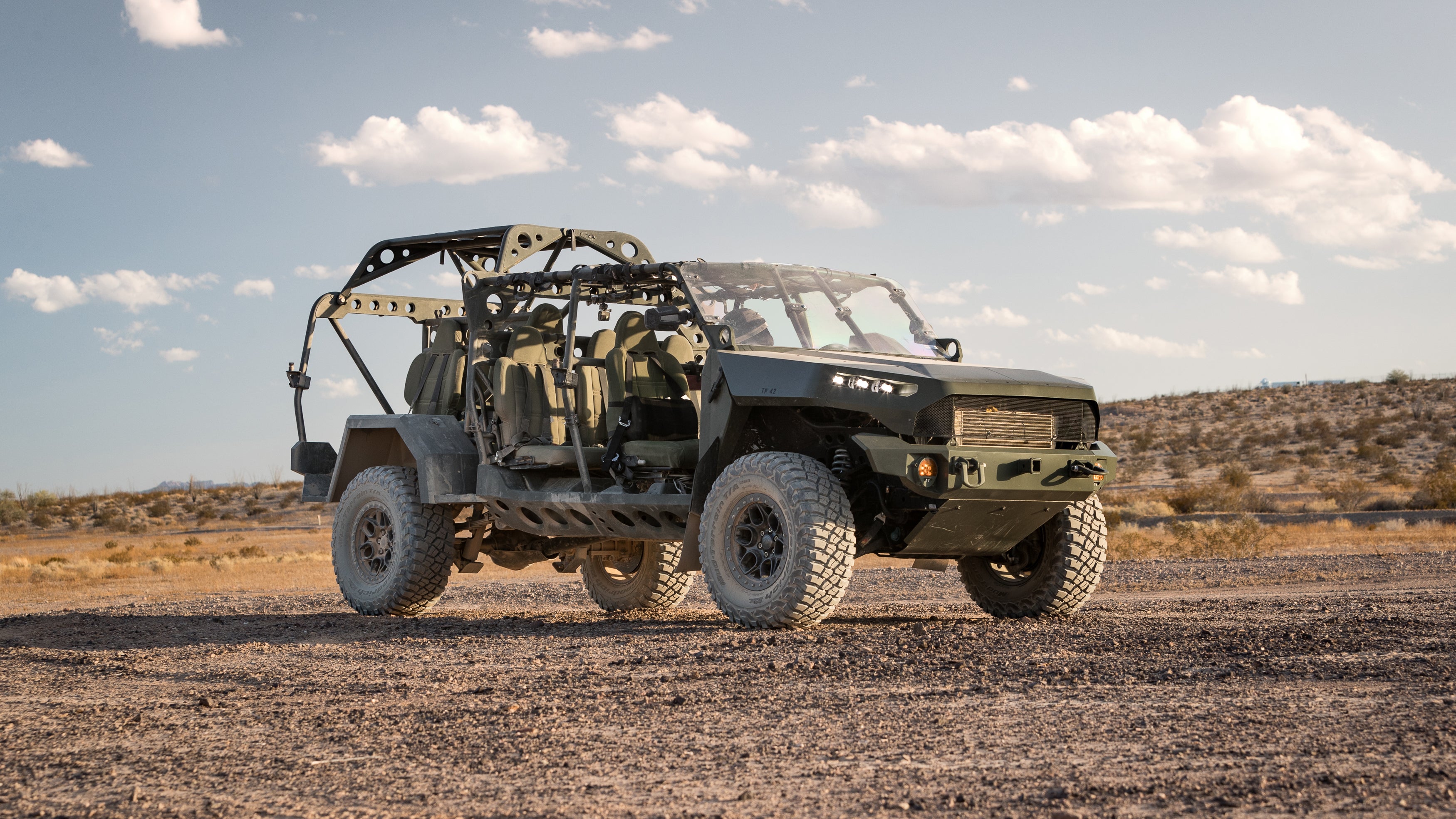
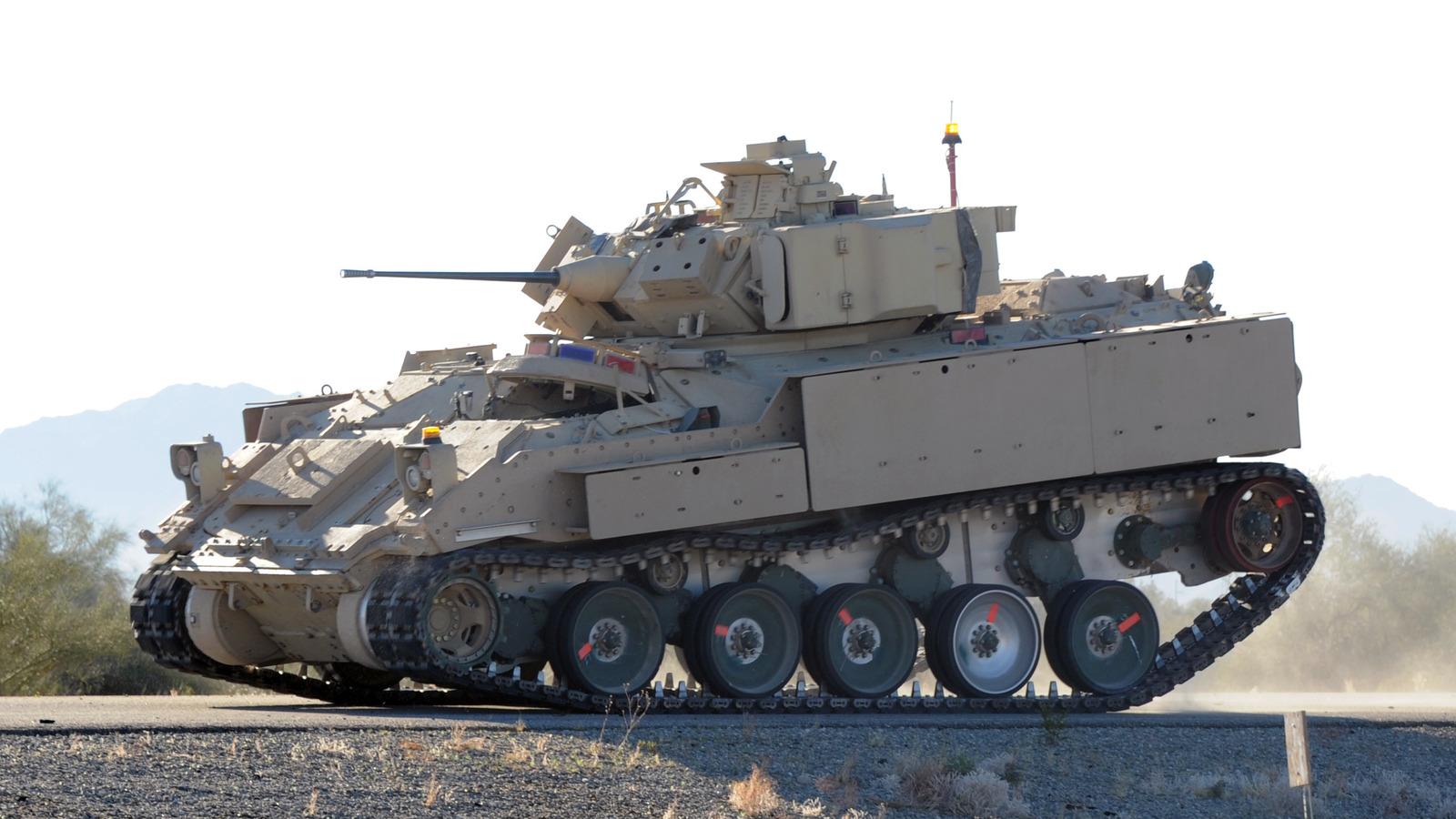
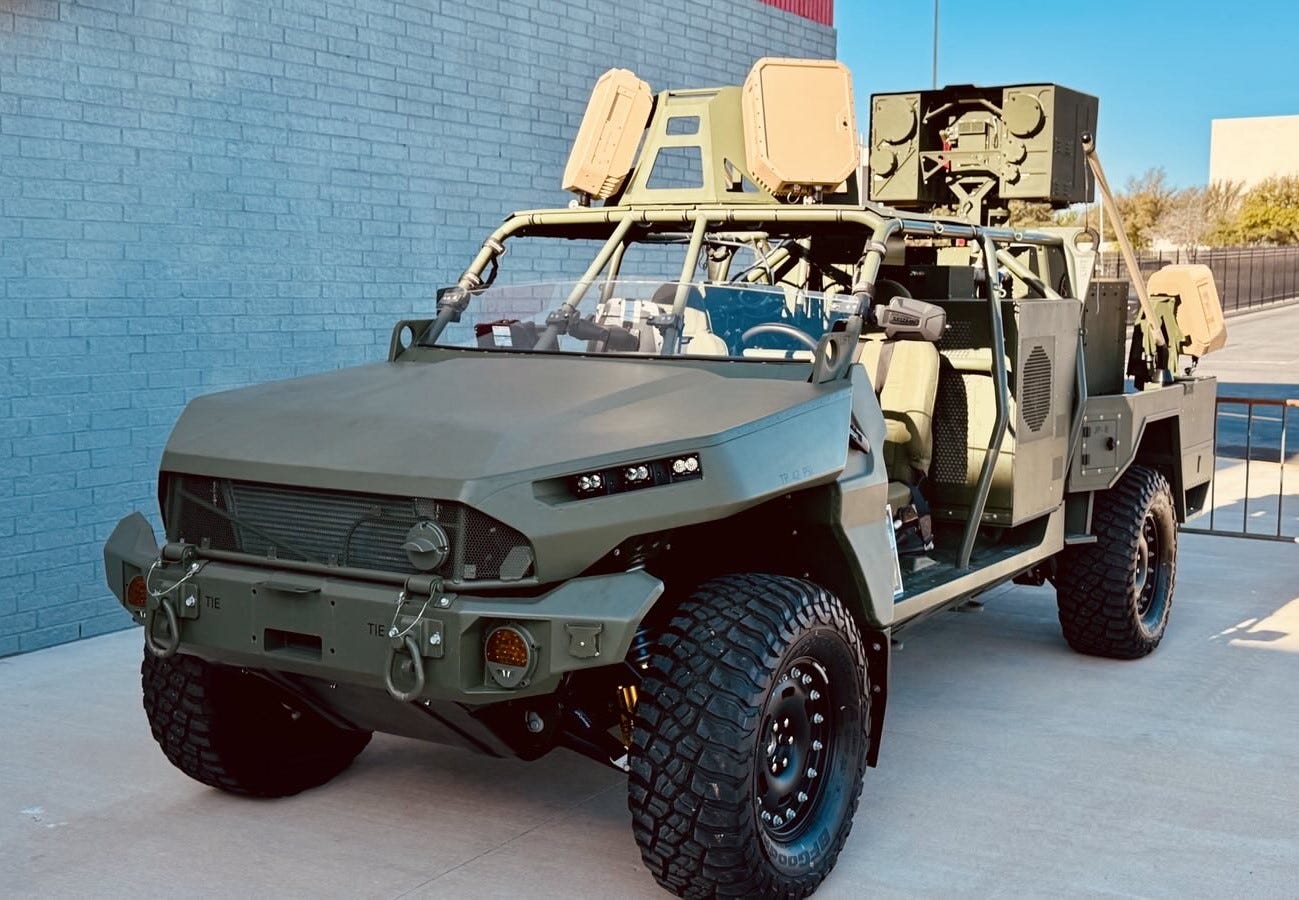
Army combat vehicles are self-propelled, armored platforms designed for offensive and defensive operations on the battlefield. They integrate advanced firepower, ballistic protection, and high mobility to transport infantry, engage enemy forces, and provide specialized support. In 2026, these vehicles increasingly utilize modular armor, active protection systems, and unmanned capabilities to dominate multi-domain environments.
Defining the Army Combat Vehicle (ACV)
The term army combat vehicle encompasses a broad spectrum of ground-based platforms tailored for specific roles within a combined arms maneuver. At its core, an ACV is defined by the balance of three competing priorities: lethality, survivability, and mobility. Historically, improving one of these factors often came at the expense of others—adding armor increased weight and reduced speed, while increasing engine power often required larger, more vulnerable hulls.
By 2026, the definition of the combat vehicle has expanded to include "digital lethality." Modern platforms are no longer just kinetic weapons; they are mobile data centers. Through integrated battle management systems, a single vehicle can serve as a node in a vast network, sharing sensor data with aircraft, satellites, and other ground units in real-time. This connectivity allows for a "sensor-to-shooter" link that significantly reduces the time required to identify and neutralize threats.
Primary Categories of Army Combat Vehicles
To understand the current landscape of armored warfare, one must distinguish between the different classes of vehicles. Each category serves a distinct tactical purpose, and their design specifications reflect these requirements.
Main Battle Tanks (MBTs)
The Main Battle Tank remains the apex predator of the ground domain. Designed to deliver devastating direct fire while withstanding heavy counter-fire, MBTs like the M1A2 SEPv3 and the emerging M1E3 configuration are the heavy hitters of the armored division. In 2026, the focus has shifted from merely adding more steel to incorporating Active Protection Systems (APS), such as the Trophy system, which intercepts incoming anti-tank guided missiles (ATGMs) before they impact the hull.
Infantry Fighting Vehicles (IFVs)
Unlike tanks, which primarily fight other vehicles, IFVs are designed to transport infantry squads into the heat of battle while providing suppressive fire. The XM30 Mechanized Infantry Combat Vehicle (formerly the OMFV) represents the cutting edge in this category. These vehicles typically feature medium-caliber autocannons (30mm to 50mm) and integrated anti-tank missiles, allowing them to support the dismounted troops they carry.
Armored Personnel Carriers (APCs)
APCs focus primarily on the "battle taxi" role. Their main objective is to move troops safely through areas high in artillery fragmentation and small-arms fire. The Armored Multi-Purpose Vehicle (AMPV), which has largely replaced the Vietnam-era M113, is the modern standard. While they lack the heavy weaponry of an IFV, their internal volume and modularity allow them to be configured as mobile clinics, command centers, or mortar carriers.
Armored Reconnaissance and Light Tanks
Speed and stealth are the priorities here. Vehicles like the M10 Booker (Mobile Protected Firepower) provide infantry brigade combat teams with a "light tank" capability. This allows rapid-reaction forces to have the firepower of a large-caliber cannon without the logistical burden of a 70-ton MBT. These vehicles are essential for scouting enemy positions and engaging fortified bunkers where heavy armor cannot be easily deployed.
The Technological Evolution of 2026: Autonomy and Electrification
The year 2026 marks a pivot point in how army combat vehicles are powered and controlled. The transition from traditional internal combustion to Hybrid-Electric Drive (HED) systems has moved from the testing phase to initial field deployment.
Hybrid-Electric Advantages
Hybrid engines offer two critical tactical advantages:
- Silent Watch and Silent Maneuver: Vehicles can operate electronics for extended periods without idling the main engine, reducing the thermal and acoustic signature. In some cases, they can move short distances on battery power alone, making them nearly invisible to infrared sensors.
- Exportable Power: Modern combat vehicles are packed with power-hungry lasers, jammers, and computing suites. HED systems provide the high-voltage electricity needed to run these advanced subsystems without requiring a secondary generator.
Human-Machine Teaming (HMT)
Autonomy in 2026 is not about replacing soldiers but augmenting them. The concept of Robotic Combat Vehicles (RCVs) acting as "loyal wingmen" to manned platforms is now a reality. A single M1E3 or XM30 can control multiple unmanned ground vehicles (UGVs) that scout ahead, draw enemy fire, or carry extra ammunition. This reduces the risk to human crews while significantly expanding the unit's reconnaissance "bubble."
Key Technical Specifications and Components
Modern ACVs are masterpieces of engineering. To appreciate their capability, one must look at the specific systems that allow them to survive the modern high-threat environment.
| Feature | Specification/Detail (Typical 2026 Standards) | Purpose |
|---|---|---|
| Main Armament | 120mm Smoothbore (MBT) / 30-50mm Autocannon (IFV) | Direct engagement of hardened targets and infantry. |
| Armor Type | Next-Gen Next-Armor (NGNA) & Explosive Reactive Armor (ERA) | Defeating kinetic energy penetrators and shaped charges. |
| Active Protection | Hard-kill (Interceptors) & Soft-kill (Jammers) | Destroying or diverting ATGMs and FPV drones. |
| Drivetrain | 1,500 hp Turbine or Hybrid-Electric Drive | Maintaining cross-country speeds of 40+ mph. |
| Sensors | 3rd Gen FLIR, 360-degree Situational Awareness | Identifying targets in zero-visibility or night conditions. |
| Communication | Satellite-Linked Battle Management Systems | Real-time coordination with air and sea assets. |
The Role of Modular Open Systems Approach (MOSA)
One of the most significant but least visible technical developments is the implementation of MOSA. Previously, upgrading a vehicle’s radio or targeting sensor required a complete overhaul of the internal wiring. Under MOSA, components are "plug-and-play." This allows the army to swap out obsolete sensors or electronic warfare suites for the newest technology in weeks rather than years, ensuring that the fleet stays ahead of evolving threats.
Survivability in the Age of FPV Drones and Loitering Munitions
The conflict environments of the mid-2020s have demonstrated that traditional armor is no longer sufficient. The rise of cheap, highly maneuverable First-Person View (FPV) drones and loitering munitions (suicide drones) has forced a radical redesign of vehicle protection.
In 2026, army combat vehicles utilize a layered defense strategy:
- The Outer Layer: Electronic warfare (EW) suites create a "bubble" around the vehicle, jamming the control frequencies of incoming drones.
- The Middle Layer: Remote Weapon Stations (RWS) equipped with programmed airburst ammunition can track and shoot down small drones automatically.
- The Inner Layer: Physical structures like "slat armor" or "cope cages" are now integrated more elegantly into the vehicle's design to trigger the fuse of a drone-carried shaped charge before it hits the main hull.
- The Core: The crew is often housed in a reinforced armored capsule within the hull, separated from the fuel and ammunition, which significantly increases the chances of survival if the vehicle is breached.
Operational Challenges and Maintenance
While the capabilities of army combat vehicles are formidable, they come with significant logistical burdens. Maintaining a fleet of armored vehicles is a massive undertaking that requires a specialized "tail" of support.
Fuel and Energy Logistics
A heavy armored brigade consumes hundreds of thousands of gallons of fuel daily. Even with the move toward hybrid engines, the sheer weight of these vehicles—often exceeding 60 to 70 tons—requires immense energy. The logistical challenge is not just moving the fuel to the front lines but protecting the slow-moving fuel convoys that are prime targets for enemy disruption.
Field Maintenance and Repair
Modern ACVs are incredibly complex. A failure in a thermal sight or a digitized fire control system cannot always be fixed by a mechanic in the field; it often requires specialized diagnostic computers and technicians. The U.S. Army's Condition Based Maintenance Plus (CBM+) program uses onboard sensors to predict when a part is likely to fail, allowing crews to replace components during scheduled downtime rather than suffering a breakdown during combat operations.
Comparison of Major Global Combat Vehicles (2026)
The global arms market in 2026 features several dominant platforms. While the United States relies on the Abrams and XM30 lineage, other nations have developed competing philosophies in armored design.
- Leopard 2A8 (Germany): Known for its exceptional 120mm L/55 gun and high mobility. It is widely considered the gold standard for European defense, focusing on high-velocity kinetic energy rounds.
- Challenger 3 (UK): A major upgrade of the Challenger 2, featuring a new turret and smoothbore gun to achieve NATO ammunition interoperability. It remains one of the best-protected tanks in terms of passive armor.
- K2 Black Panther (South Korea): A highly digitized MBT with an advanced hydropneumatic suspension that allows the tank to "kneel" or "lean," making it ideal for mountainous terrain.
- Type 10 (Japan): A smaller, lighter MBT (approx. 44 tons) designed specifically for rapid deployment across the Japanese archipelago’s infrastructure, demonstrating that "heavy" isn't always better.
Frequently Asked Questions
What is the difference between a tank and a combat vehicle?
A tank is a specific type of army combat vehicle characterized by heavy armor, tracks, and a large-caliber revolving turret designed for direct-fire combat. "Army combat vehicle" is a broader category that includes tanks, but also includes lighter platforms like infantry fighting vehicles, armored ambulances, and reconnaissance scouts.
How do army combat vehicles protect against modern drones?
Protection is achieved through a mix of soft-kill and hard-kill systems. Soft-kill involves electronic jamming to sever the link between the drone and its operator. Hard-kill systems, like the Trophy APS or 30mm airburst cannons, physically destroy the drone in flight before it can impact the vehicle.
Are wheeled or tracked combat vehicles better?
It depends on the environment. Tracked vehicles (like the Abrams) offer superior off-road mobility and can support heavier armor loads. Wheeled vehicles (like the Stryker) are faster on paved roads, easier to maintain, and have a lower logistical footprint, making them ideal for rapid response and urban environments.
What is the lifespan of a modern combat vehicle?
With regular upgrades, the hull of a combat vehicle can last 30 to 50 years. However, the internal electronics, sensors, and weapons systems usually become obsolete every 7 to 10 years. Modern programs like MOSA are designed to allow these internal "brains" to be updated without replacing the entire physical "body."
Can an army combat vehicle be transported by air?
Most light and medium vehicles, such as the Stryker or M10 Booker, can be transported by C-130 or C-17 transport aircraft. However, Main Battle Tanks like the M1A2 usually require the much larger C-5 Galaxy or specialized sealift ships due to their weight (often exceeding 70 tons).
Future Directions: The Road Beyond 2026
As we look toward the late 2020s, the evolution of the army combat vehicle will likely focus on directed energy weapons (lasers) for short-range air defense and the continued integration of Artificial Intelligence. AI will assist commanders by prioritizing targets and identifying hidden threats in a cluttered electromagnetic environment.
For those interested in the procurement or study of these systems, the primary focus should remain on interoperability. A combat vehicle is only as effective as its ability to communicate with the rest of the force. The transition from "isolated iron giants" to "connected nodes" is the defining trend of this decade.
Final Recommendation: To stay informed on the specific capabilities and deployment schedules of these platforms, military professionals and analysts should consult official resources such as the U.S. Army Acquisition Support Center (USAASC) and the Congressional Research Service (CRS) for unclassified technical reports and budgetary updates.