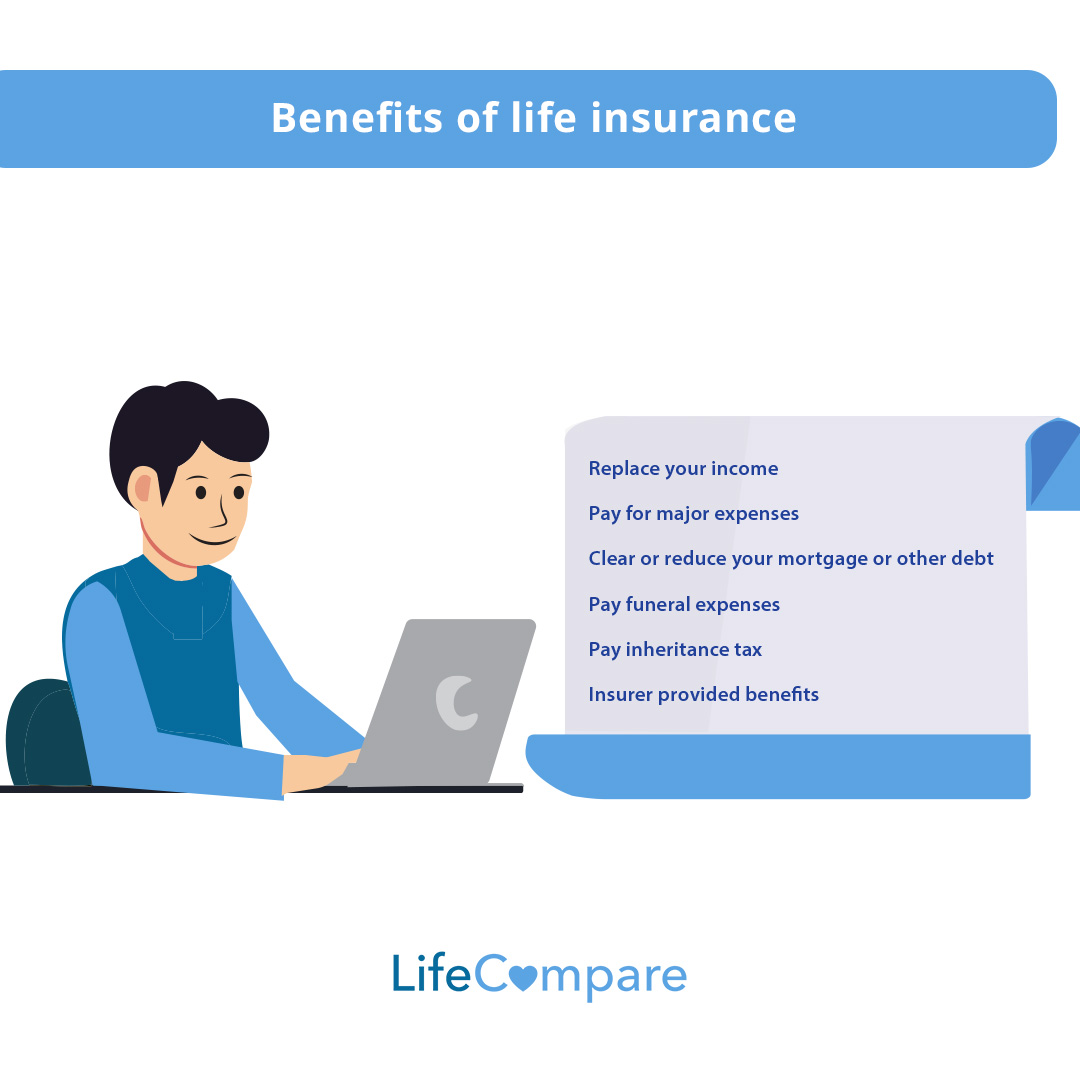
Army civilians receive a robust compensation package that includes competitive salaries via the General Schedule (GS) or Federal Wage System (FWS), comprehensive health coverage, and the Federal Employees' Group Life Insurance (FEGLI) program. Most employees are automatically enrolled in Basic life insurance, with options to increase coverage based on salary multiples or family needs.
The Department of the Army (DA) Civilian Corps consists of over 330,000 professionals working in approximately 500 different career fields. While they do not wear a military uniform, these individuals are essential to the mission of the U.S. Army, providing everything from engineering and logistics to medical care and cybersecurity. Because they are federal employees, their benefits are governed by the Office of Personnel Management (OPM), ensuring a standardized and reliable suite of protections and incentives. Understanding the nuances of pay grades, locality adjustments, and life insurance tiers is critical for any current or prospective employee looking to maximize their total compensation in 2026.
The Foundation of Army Civilian Pay: GS and FWS Systems
To understand your benefits, you must first understand how the Army calculates your base pay. Most white-collar professional, technical, and administrative positions fall under the General Schedule (GS). Blue-collar occupations, such as trades and labor, fall under the Federal Wage System (FWS).
The General Schedule (GS) Framework
The GS system is composed of 15 grades, ranging from GS-1 (entry-level) to GS-15 (senior management). Each grade has 10 steps. As of 2026, movement between steps is primarily based on "waiting periods" and satisfactory performance. For example, moving from Step 1 to Step 2 takes one year, while moving from Step 7 to Step 8 takes three years.
One of the most significant components of Army civilian pay is Locality Pay. Because the cost of living varies drastically between a post like Fort Liberty, North Carolina, and a headquarters in Washington, D.C., the government adds a percentage to the base GS scale. In 2026, locality pay remains a vital tool for ensuring federal salaries remain competitive with the private sector in specific geographic regions.
The Federal Wage System (FWS)
For those in skilled trades—such as aircraft mechanics, electricians, or heavy equipment operators—the FWS (often called "Wage Grade" or WG) ensures pay is consistent with prevailing private-sector rates in the local area. Unlike the nationwide GS base scale, FWS rates are entirely dependent on the specific local wage area, which helps maintain parity with local unions and private contractors.
Incentive Pay and Differentials
Beyond base salary, Army civilians may be eligible for:
- Hazardous Duty Pay: For positions involving physical hardship or uniquely dangerous tasks.
- Night Shift Differential: Usually an additional 10% for GS employees working regularly scheduled hours between 6:00 PM and 6:00 AM.
- Recruitment and Retention Bonuses: Offered for "hard-to-fill" roles, particularly in medical, STEM, and high-level intelligence fields.
Federal Employees' Group Life Insurance (FEGLI) Explained
For many Army civilians, the Federal Employees' Group Life Insurance (FEGLI) is the cornerstone of their financial security plan. Established in 1954, it is the largest group life insurance program in the world. As a new hire in 2026, you are generally enrolled in Basic insurance automatically unless you explicitly waive it.
Basic Insurance: The Foundation
Basic insurance is the minimum level of coverage. The amount of coverage is equal to your annual rate of basic pay, rounded up to the nearest $1,000, plus $2,000.
- Example: If your 2026 salary is $72,400, your pay is rounded to $73,000. Adding the $2,000 brings your Basic insurance total to $75,000.
- Cost: The government pays one-third of the premium, and you pay two-thirds. In 2026, this remains a highly cost-effective option for most employees because it does not require a medical exam if you enroll during your initial hiring window.
Optional Coverage: Customizing Your Protection
Many Army civilians find that Basic coverage is insufficient for their family's needs. You can add three types of optional insurance:
- Option A (Standard): Provides an additional $10,000 of coverage.
- Option B (Additional): Allows you to choose a multiple of your salary (1, 2, 3, 4, or 5 times your annual pay). This is the most common way for mid-career professionals to ensure their mortgage and tuition needs are covered for their beneficiaries.
- Option C (Family): Provides coverage for your spouse and eligible dependent children. You can choose 1 to 5 multiples. Each multiple equals $5,000 for a spouse and $2,500 for each child.
Age-Based Premiums
It is important to note that while Basic insurance costs are a flat rate per $1,000 of coverage regardless of age, the costs for Options A, B, and C increase as you move into older age brackets (usually every five years). Employees should review their FEGLI elections every few years to ensure the cost-to-benefit ratio still aligns with their financial goals.
Comparing FEGLI Coverage Options for 2026
The following table outlines the different tiers of life insurance available to Army civilians, helping you distinguish between automatic coverage and elective add-ons.
| Coverage Type | Amount of Coverage | Requirement | 2026 Enrollment Status |
|---|---|---|---|
| Basic | Annual Pay (rounded up) + $2,000 | Automatic | Default for new hires |
| Option A | Flat $10,000 | Elective | Must choose within 60 days |
| Option B | 1x to 5x Annual Salary | Elective | Most flexible for income replacement |
| Option C | $5k (Spouse) / $2.5k (Child) per unit | Elective | Up to 5 units available |
| Post-Retirement | Variable (50% or 75% reduction options) | Continuous Coverage | Requires 5 years of enrollment prior to retirement |
Retirement Benefits: FERS and the Thrift Savings Plan (TSP)
Pay and life insurance are only two legs of the "three-legged stool" of federal retirement. To fully understand your Army civilian benefits, you must account for the Federal Employees Retirement System (FERS) and the Thrift Savings Plan (TSP).
The FERS Basic Benefit (Pension)
Army civilians contribute a percentage of their pay (currently 4.4% for those hired after 2014) into the FERS retirement fund. Upon reaching retirement age with sufficient years of service, you receive a defined benefit pension. This pension is calculated based on your "High-3" average salary and your total years of credible service. For example, if you retire with 30 years of service at age 60, you typically receive 30% of your High-3 average salary annually for life.
The Thrift Savings Plan (TSP)
The TSP is the federal equivalent of a 401(k). It is one of the most powerful wealth-building tools available to Army civilians.
- Agency Automatic Contribution: Even if you contribute nothing, the Army contributes an amount equal to 1% of your basic pay to your TSP.
- Agency Matching: The Army matches your contributions dollar-for-dollar on the first 3% you contribute, and 50 cents on the dollar for the next 2%.
- Total Benefit: By contributing 5% of your pay, you receive a total of 10% (5% from you + 5% from the Army) into your retirement account.
In 2026, the TSP continues to offer both Traditional (pre-tax) and Roth (after-tax) contribution options. For younger Army civilians, the Roth option is often preferred as it allows for tax-free withdrawals in retirement.
Health, Dental, and Vision Benefits
The Federal Employees Health Benefits (FEHB) program offers Army civilians access to some of the best medical insurance plans in the United States. Unlike many private-sector plans, there are no waiting periods or exclusions for pre-existing conditions.
- FEHB Variety: Civilians can choose from Fee-for-Service (FFS) plans, Health Maintenance Organizations (HMOs), and Consumer-Driven/High-Deductible plans (HDHPs).
- FEDVIP: The Federal Employees Dental and Vision Insurance Program provides supplemental dental and vision coverage. While FEHB covers some basic dental/vision, FEDVIP is essential for families needing orthodontics or high-end eyewear.
- Flexible Spending Accounts (FSA): Army civilians can set aside pre-tax money to pay for out-of-pocket health care and dependent care expenses, effectively reducing their taxable income.
Leave and Work-Life Balance
Army civilian service is often praised for its predictable leave structure. Leave is accrued based on your years of federal service (including any creditable military service time).
- Annual Leave:
- 0-3 Years: 4 hours per pay period (13 days per year).
- 3-15 Years: 6 hours per pay period (20 days per year).
- 15+ Years: 8 hours per pay period (26 days per year).
- Sick Leave: All full-time Army civilians accrue 4 hours of sick leave per pay period, regardless of seniority. There is no limit on how much sick leave you can carry over from year to year.
- Paid Parental Leave: Under current 2026 guidelines, eligible employees receive up to 12 weeks of paid parental leave following the birth, adoption, or foster care placement of a child, provided they have completed at least 12 months of federal service.
Professional Development and "Total Force" Integration
The Army invests heavily in its civilian workforce through the Army Civilian Training, Education, and Development System (ACTEDS). This isn't just a "job benefit"; it's a career-long commitment to growth. Civilians have access to:
- Academic Degree Training: Funding for degrees that are relevant to the Army's mission.
- Leadership Programs: Such as the Civilian Education System (CES), which mirrors the professional military education given to officers and NCOs.
- Student Loan Repayment: In certain high-demand fields, the Army may offer to repay a portion of an employee's student loans in exchange for a service commitment.
Frequently Asked Questions (FAQ)
Can I change my life insurance coverage at any time?
No, you cannot change FEGLI coverage whenever you wish. Changes are generally limited to an Open Season (which are rare and infrequent), or within 60 days of a Qualifying Life Event (QLE). QLEs include marriage, divorce, the death of a spouse, or the birth/adoption of a child. If you miss these windows, you may have to provide evidence of insurability via a medical exam to increase coverage.
Does my military service count toward my civilian pay and leave?
Yes, but it requires action on your part. To have your military time count toward your FERS retirement pension, you must "buy back" your time by making a deposit into the retirement fund. However, for Leave Accrual purposes, your active-duty military time is usually credited immediately, which might jumpstart you into the 6-hour or 8-hour leave categories.
What happens to my FEGLI life insurance when I retire?
If you have been enrolled in FEGLI for at least five years immediately preceding your retirement, you can carry that coverage into retirement. You will have choices regarding how much of that coverage you want to keep as you age. Most retirees choose the "75% Reduction" option for their Basic insurance, which allows the coverage to decrease after age 65 until it reaches 25% of its original value, at which point it becomes free.
Is locality pay included in my life insurance calculation?
Yes. FEGLI Basic and Option B are based on your "annual rate of basic pay." For GS employees, this specifically includes your base pay plus your locality pay. It does not, however, include bonuses, overtime, or special differentials.
What is the difference between a "Step" increase and a "Grade" increase?
A Step increase is an automatic progression within the same job level based on time and performance. A Grade increase (promotion) usually involves moving to a position with more responsibility and a higher pay scale (e.g., moving from a GS-11 role to a GS-12 role). Grade increases result in a much more significant permanent salary jump.
Final Recommendations for Army Civilians
To maximize the benefits of Army civilian service in 2026, employees should take three immediate steps:
- Review your Beneficiaries: Ensure your FEGLI and TSP beneficiaries are up to date. Federal benefits do not automatically follow a will; they follow the specific designation forms (like SF 2823) on file with the agency.
- Optimize your TSP Match: Ensure you are contributing at least 5% to your TSP to capture the full 5% Army match. Failing to do this is essentially leaving part of your salary on the table.
- Evaluate your Life Insurance Needs Yearly: As your family grows or your mortgage decreases, your need for Option B multiples may change. Use the OPM FEGLI Calculator to determine if your current premiums are still providing the best value compared to private term life insurance policies.