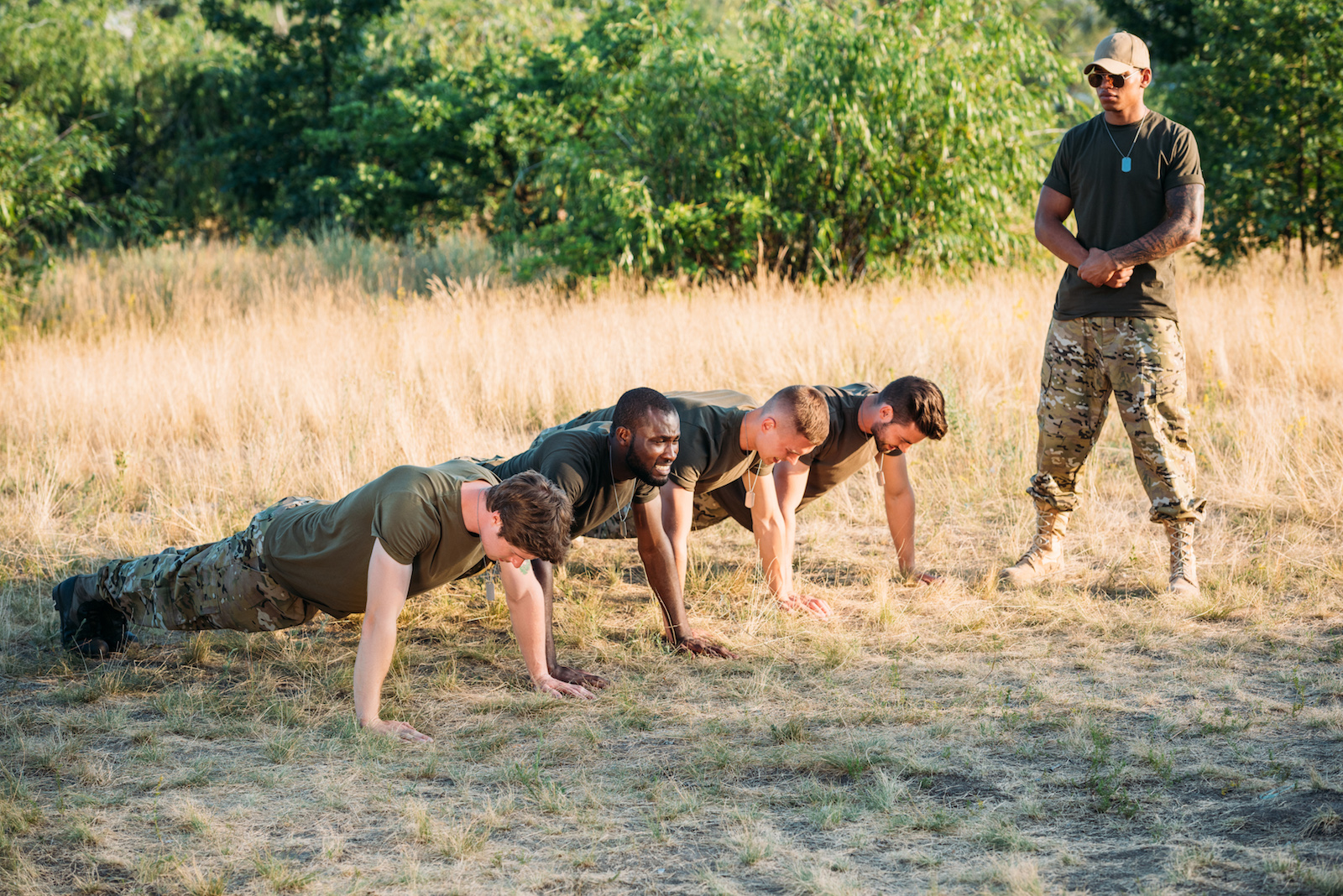
The standard duration for United States Army Basic Combat Training (BCT) is ten weeks. This timeframe excludes the initial "Reception Battalion" (Week 0), which typically lasts four to ten days. Depending on your specific Military Occupational Specialty (MOS), you may remain at the same installation for additional weeks of One Station Unit Training (OSUT).
United States Army training is a transformative process designed to turn civilians into disciplined soldiers. While the "10-week" figure is the most common answer given to recruits, the reality of the training timeline is more nuanced. It involves a multi-stage progression through physical conditioning, weapons proficiency, and tactical maneuvers. As of 2026, the Army maintains a rigorous schedule that balances modernization with traditional combat fundamentals.
To understand the full commitment required, one must look past the headline number and examine the phases of training, the administrative processing time, and the subsequent specialized training that follows basic instruction.
The Pre-Training Requirement: Reception Battalion (Week 0)
Before the ten weeks of Basic Combat Training officially begin, every recruit must pass through the Reception Battalion, often referred to as "Week 0." This is not boot camp in the traditional sense, but it is often described by soldiers as one of the most tedious and mentally taxing portions of the entry process.
At Reception, recruits undergo "in-processing." This includes:
- Medical and Dental Screenings: Final physicals, blood work, and the administration of required vaccinations.
- Administrative Record-Keeping: Finalizing life insurance (SGLI), setting up military pay accounts, and issuing Common Access Cards (CAC).
- Equipment Issue: Recruits receive their initial set of uniforms, physical training (PT) gear, and the "duffel bag" of essential gear they will carry throughout their career.
- Testing and Classification: Verification of ASVAB scores and initial fitness assessments to ensure the recruit is prepared for the rigors of Red Phase.
While scheduled for approximately one week, the length of Reception can vary based on the volume of incoming recruits or administrative delays. It is important to note that the 10-week BCT clock does not start until the recruit "ships" from the Reception Battalion to their actual training unit.
The Three Phases of Basic Combat Training (BCT)
The Army divides the 10-week BCT cycle into three distinct color-coded phases: Red, White, and Blue. Each phase is designed to increase the level of responsibility and technical difficulty expected of the recruit.
Phase 1: The Red Phase (Weeks 1–3)
The Red Phase is the "shakedown" period. It is designed to break down civilian habits and instill military discipline. This phase begins with the "First 100 Yards," a high-intensity integration event that replaced the traditional "Shark Attack."
During these first three weeks, the focus is on:
- Army Values and Traditions: Learning the Soldier’s Creed, the Warrior Ethos, and the history of the U.S. Army.
- Physical Readiness Training (PRT): Recruits begin daily morning workouts to build the stamina required for the Army Combat Fitness Test (ACFT).
- CBRN Defense: Recruits are trained to use protective masks and must experience the "Confidence Chamber" (gas chamber) to verify their equipment’s effectiveness.
- Hand-to-Hand Combat: Introduction to the Modern Army Combatives Program (MACP).
Phase 2: The White Phase (Weeks 4–6)
Also known as the Rifleman or Gunfighter Phase, the White Phase shifts the focus toward combat lethality. The Drill Sergeants begin to transition from constant supervision to a role more akin to instructors, though discipline remains absolute.
Key components of the White Phase include:
- Basic Rifle Marksmanship (BRM): Recruits spend a significant portion of their time on the range learning to maintain, zero, and fire the M4 carbine.
- Target Acquisition: Training includes firing at stationary and moving targets from various distances and positions (prone, kneeling, and standing).
- Tactical Training: Recruits learn basic squad-level movements and how to navigate terrain using a map and compass (Land Navigation).
- Obstacle Courses: Physical training intensifies with the "Confidence Course," which requires recruits to overcome high-altitude and high-strength obstacles.
Phase 3: The Blue Phase (Weeks 7–10)
The final phase is the "Warrior Phase." This is where all previous skills are synthesized into tactical proficiency. The culmination of the Blue Phase is "The Forge," a multi-day field training exercise (FTX) that serves as the final rite of passage.
The Forge involves:
- Night infiltration courses.
- Long-distance ruck marches (carrying 40–60 lbs of gear).
- Tactical combat casualty care (TCCC) under simulated fire.
- Final ACFT evaluations.
Upon successful completion of The Forge, recruits participate in a "Turning Blue" ceremony, marking their transition from "trainee" to "soldier," followed shortly by the formal graduation ceremony.
One Station Unit Training (OSUT) vs. BCT + AIT
For many recruits, the 10-week BCT period is only the first half of their initial entry training. There are two primary paths for Army training:
1. The BCT/AIT Split
Most soldiers (such as those in administrative, medical, or technical roles) complete their 10 weeks of BCT at one of the four major training centers and then move to a different location for Advanced Individual Training (AIT). AIT length varies wildly depending on the job—some are as short as 4 weeks, while others (like Cyber Operations or Medical Specialists) can last over six months.
2. One Station Unit Training (OSUT)
OSUT combines BCT and the MOS-specific training into one continuous block. Recruits remain with the same Drill Sergeants and the same platoon for the entire duration. OSUT is common for combat arms roles. As of 2026, the durations for major OSUT programs are:
| Military Occupational Specialty (MOS) | Training Path | Total Length (Approx.) |
|---|---|---|
| 11B - Infantryman | OSUT | 22 Weeks |
| 19D - Cavalry Scout | OSUT | 22 Weeks |
| 19K - M1 Armor Crewman | OSUT | 22 Weeks |
| 12B - Combat Engineer | OSUT | 14-15 Weeks |
| 31B - Military Police | OSUT | 20 Weeks |
| 92F - Petroleum Supply Specialist | BCT + AIT | 10 Weeks + 4 Weeks |
| 68W - Combat Medic Specialist | BCT + AIT | 10 Weeks + 16 Weeks |
Training Locations: Where Boot Camp Happens
The Army conducts BCT at four primary installations. The location usually depends on the recruit’s gender and their chosen MOS.
- Fort Moore (formerly Fort Benning), Georgia: The home of the Infantry and Armor. This is primarily an OSUT location for combat arms.
- Fort Jackson, South Carolina: The largest BCT center. It trains a significant portion of the Army’s non-combat arms recruits and is the primary site for female integration in BCT.
- Fort Leonard Wood, Missouri: Home to the Chemical, Engineer, and Military Police Corps. It hosts both BCT and various OSUT programs.
- Fort Sill, Oklahoma: Home of the Field Artillery. It conducts BCT for a wide range of MOSs as well as Artillery-specific training.
Factors That Can Extend Your Training Length
While the "10-week" schedule is the standard, several factors can result in a recruit spending more time in training. This is known in military parlance as being "recycled."
Medical Setbacks
The physical nature of boot camp leads to injuries such as stress fractures, severe sprains, or respiratory illnesses. If an injury is significant enough that the recruit cannot meet the graduation requirements, they are moved to a Medical Rehabilitation Platoon (MRP). Once healed, they are typically "recycled" back into a training company that is at the same point in the cycle where the recruit left off.
Failure to Meet Standards
The Army has strict requirements for graduation. If a recruit fails any of the following, they may be held back:
- The ACFT: Soldiers must pass the Army Combat Fitness Test with minimum scores in all six events.
- Weapons Qualification: Failure to qualify with the M4 carbine after multiple attempts.
- The Forge: Failure to complete the final field exercise.
- Academic/Disciplinary Issues: While rare, a recruit who demonstrates a consistent inability to follow orders or pass written exams may be recycled for further "re-training."
Administrative Holds
Occasionally, a recruit may finish BCT but be unable to move to their AIT location due to a lack of available class seats or security clearance delays. These soldiers remain in a "hold-over" status at their BCT installation until their travel orders are cut.
Comparing Training Length Across Military Branches
Recruits often wonder how the Army's 10-week BCT compares to other branches of the U.S. Armed Forces. As of 2026, the timelines are relatively synchronized, though the focus differs:
- U.S. Marine Corps: 13 weeks. Generally considered the most physically demanding and the longest "basic" training.
- U.S. Navy: 10 weeks. Recently extended from 8 weeks to include more "warfighting" and damage control training.
- U.S. Air Force: 8.5 weeks. Focuses heavily on Air Force heritage and expeditionary skills.
- U.S. Coast Guard: 8 weeks. Conducted primarily at Cape May, New Jersey.
The Army’s 10-week duration strikes a balance between the high-volume throughput needed for a large force and the intensive technical requirements of modern land warfare.
Frequently Asked Questions
Does the 10 weeks include weekends?
Yes, the 10-week count includes weekends. However, training does not stop on Saturdays and Sundays. While Sundays usually include a period for religious services and personal time (cleaning gear, writing letters), Saturday is typically a full training day. Recruits should expect to be engaged in military duties seven days a week.
Can I fail boot camp because of the ACFT?
Yes. The Army Combat Fitness Test (ACFT) is a graduation requirement. If a recruit cannot pass the test by the end of the Blue Phase, they may be recycled to another unit to allow more time for physical conditioning. If they consistently fail to meet the standard over an extended period, they may be recommended for an administrative separation.
Is there a holiday break during Army BCT?
The Army typically observes a "Holiday Block Leave" (HBL) in late December. If your training cycle overlaps with Christmas and New Year's, the entire training center usually shuts down for approximately two weeks, and recruits are allowed to go home at their own expense. This time does not count toward your 10 weeks of training; your graduation date is simply pushed back by the length of the break.
How much do you get paid during Army boot camp?
Recruits are paid based on their rank. Most enter as an E-1 (Private), but those with college credits or JROTC experience may enter as an E-2 or E-3. As of 2026, base pay is standardized across the Department of Defense. Pay begins the moment you arrive at Reception (Week 0), though it may take 3-4 weeks for the first direct deposit to hit your account.
What is the difference between BCT and OSUT graduation?
A BCT graduation marks the completion of the 10-week basic skills course; the soldier then moves to AIT. An OSUT graduation marks the completion of both basic and job-specific training. For an Infantryman in OSUT, their graduation at Week 22 is their final ceremony before reporting to their first permanent duty station.
Next Steps for Prospective Recruits
If you are preparing to ship for Army BCT, your focus should be on physical preparation and mental toughness. The 10-week duration is a fixed window, but your performance within that window determines your future career opportunities.
- Consult a Recruiter: Ensure your MOS choice aligns with your desired training length (BCT vs. OSUT).
- Start the ACFT Protocol: Do not wait for Week 1 to start running or lifting. Focus on the deadlift, plank, and 2-mile run.
- Study Basic Soldiering: Memorize the Army's General Orders and the Soldier’s Creed before you arrive at Reception.
- Verify Documentation: Ensure all legal, financial, and medical documents are finalized to minimize your time in the "Week 0" Reception Battalion.
For more information on specific training requirements and upcoming shipping dates, visit the official U.S. Army recruiting website or consult with your local recruiting station.