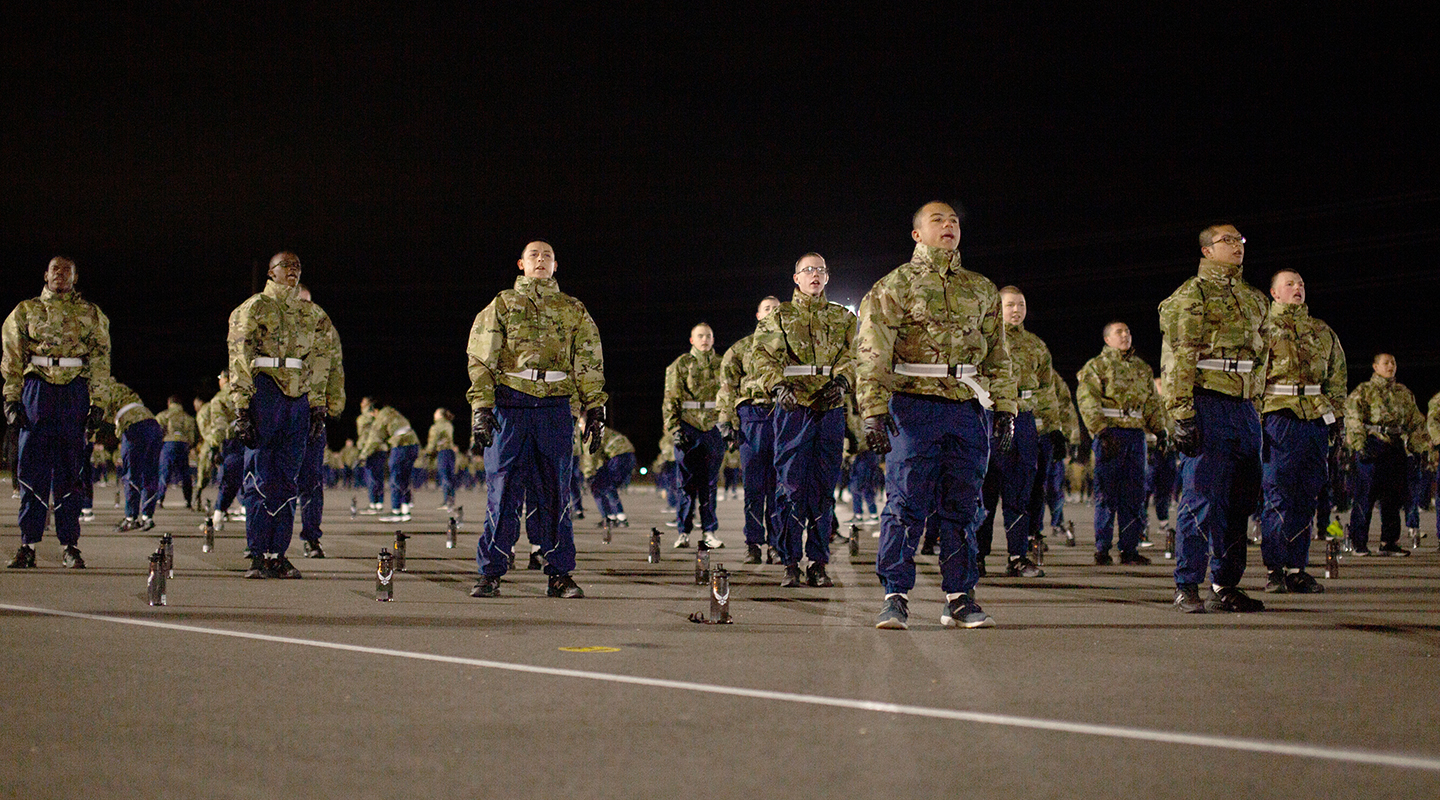
United States Army Basic Combat Training (BCT) typically lasts 10 weeks, excluding the initial "Reception" period. While the core training cycle is standardized, total time at a training installation often extends to 11 or 12 weeks due to administrative processing, followed by additional weeks for specialized job training known as Advanced Individual Training (AIT).
Understanding the duration of Army basic training requires looking beyond a simple calendar count. For a recruit entering the service in 2026, the journey is a structured progression designed to transform a civilian into a Soldier. This transformation is measured not just in days, but in phases, milestones, and the specific requirements of a recruit's chosen Military Occupational Specialty (MOS).
The Pre-Training Variable: Reception Battalion (Week 0)
Before the official 10-week clock begins, every recruit must pass through the Reception Battalion, often referred to as "Week 0." While technically not part of the training curriculum, it is the first experience of Army life and a significant factor in the total length of time a recruit stays at a training base.
Reception typically lasts between 4 and 10 days, though it can extend longer if there are administrative delays or medical holds. During this period, recruits undergo:
- Administrative Processing: Verification of enlistment contracts, life insurance (SGLI) enrollment, and the creation of military ID cards.
- Medical Screening: Comprehensive physicals, dental X-rays, and a series of mandatory vaccinations.
- Initial Issue: Recruits receive their first sets of Army Combat Uniforms (ACUs), physical training (PT) gear, and essential personal equipment.
- The Initial Fitness Assessment (IFA): While not as rigorous as the full Army Combat Fitness Test (ACFT), this assessment determines if a recruit is physically prepared to begin the 10-week cycle or if they require remedial fitness training in a Fitness Training Unit (FTU).
Because Week 0 is highly administrative, recruits often find it to be one of the most mentally taxing periods due to the "hurry up and wait" nature of military bureaucracy.
The Three Phases of Basic Combat Training
Once a recruit "ships" from Reception to their training company, the 10-week BCT cycle officially begins. This cycle is divided into three distinct phases, historically color-coded as Red, White, and Blue.
Red Phase: The Hammer (Weeks 1–3)
The first three weeks are focused on the "shaking off" of civilian habits. This phase is characterized by high intensity, strict discipline, and the foundation of soldiering.
- Week 1: Focuses on the Army Values, the Warrior Ethos, and the history of the U.S. Army. Recruits learn Drill and Ceremonies (how to march and stand at attention) and basic first aid.
- Week 2: Introduction to the M4 Carbine. Recruits learn how to disassemble, clean, and reassemble their primary weapon. They also begin physical conditioning in earnest, focusing on the core components of the Army Combat Fitness Test.
- Week 3: Training shifts to the Confidence Course and high-ropes elements. Recruits face the "Gas Chamber" (CBRN Training), where they learn to trust their M50 protective mask in a controlled chemical environment.
White Phase: The Anvil (Weeks 4–6)
The White Phase transitions from discipline to skill proficiency. The primary objective of these three weeks is marksmanship.
- Week 4: Known as Basic Rifle Marksmanship (BRM). Recruits spend long hours on the range learning the fundamentals of breathing, trigger squeeze, and sight picture.
- Week 5: Recruits move into advanced shooting positions and begin qualifying on their weapons. They must successfully hit a specific number of targets at varying distances to progress.
- Week 6: Introduction to heavy weaponry and tactical movement. Recruits learn to throw live grenades and operate in small teams.
Blue Phase: The Sword (Weeks 7–10)
The final phase is the culmination of all previous training. It focuses on field craft, tactical maneuvers, and final testing.
- Week 7: Recruits undergo land navigation training, learning to use a map and compass to find specific points in dense terrain, both day and night.
- Week 8: The 22nd-century battlefield demands proficiency in urban operations. Recruits practice room clearing and "Move, Shoot, Communicate" drills.
- Week 9: The Forge. This is the 96-hour cumulative field training exercise (FTX) that serves as the final rite of passage. Recruits must complete approximately 40 miles of marching while performing combat scenarios under heavy physical and mental stress.
- Week 10: Graduation week. This period involves cleaning equipment, recovering from the Forge, and participating in the final graduation ceremony before moving to the next stage of their career.
One Station Unit Training (OSUT): The Extended Timeline
Not every Soldier follows the standard 10-week BCT followed by AIT at a different location. Certain MOSs utilize One Station Unit Training (OSUT), which combines basic training and job-specific training into one continuous program at the same location with the same Drill Sergeants.
OSUT programs are significantly longer than the standard 10-week BCT. As of 2026, the durations for major OSUT branches are as follows:
| Military Occupational Specialty (MOS) | Total Training Length | Location |
|---|---|---|
| 11B - Infantryman | 22 Weeks | Fort Moore, GA |
| 19D - Cavalry Scout | 22 Weeks | Fort Moore, GA |
| 19K - Armor Crewman | 22 Weeks | Fort Moore, GA |
| 12B - Combat Engineer | 14–15 Weeks | Fort Leonard Wood, MO |
| 31B - Military Police | 20 Weeks | Fort Leonard Wood, MO |
The 22-week Infantry OSUT, which became the standard in recent years, was designed to increase Soldier lethality and technical proficiency before they arrive at their first duty station. It includes expanded training in night vision operations, combat lifesaving, and vehicle maintenance that standard BCT does not cover.
Factors That Can Increase Training Duration
While the 10-week schedule is the goal, several factors can result in a recruit staying at a training installation for a much longer period.
1. The "Recycle" Process
If a recruit fails a mandatory graduation requirement—such as weapon qualification, the land navigation course, or the ACFT—they may be "recycled." This means they are moved back to an earlier week of training in a different company to attempt that portion of the curriculum again. A recycle can add anywhere from two to four weeks to the total training length.
2. Medical Holds
Injuries are common in the high-impact environment of BCT. If a recruit suffers a stress fracture or other significant injury, they are moved to the Medical Rehabilitation Platoon (MRP). They remain there until they are cleared by military doctors to return to training. Recruits who spend months in MRP often have a "Basic Training" experience that totals six months or more.
3. Holiday Block Leave (HBL)
If a recruit’s training cycle falls over the December holiday period, the Army typically conducts Holiday Block Leave. Training pauses for approximately two weeks, allowing recruits to go home. While this is a welcome break, it adds two calendar weeks to the time between the enlistment date and the graduation date.
4. Administrative or Legal Holds
In rare cases, issues with security clearances or legal documentation can pause a recruit's progression. These recruits are held in a "holdover" status until the paperwork is resolved.
Life After Basic Training: AIT and Beyond
Graduating BCT does not mean the Soldier is "finished" with initial entry training. Unless the Soldier completed an OSUT program, they must move to Advanced Individual Training (AIT).
AIT length varies wildly depending on the complexity of the job:
- Human Resources (42A): Approximately 9 weeks.
- Wheeled Vehicle Mechanic (91B): Approximately 12–13 weeks.
- Intelligence Analyst (35F): Approximately 13 weeks.
- Explosive Ordnance Disposal (89D): Can last up to 37 weeks or more due to the technical nature of the work.
When calculating the "length" of Army training, a recruit must combine the 1 week of Reception, the 10 weeks of BCT, and the specific number of weeks required for their AIT. For most non-combat roles, the total time away from home for initial training ranges from 20 to 30 weeks.
Training Locations and Their Impact
The Army currently conducts BCT and OSUT at four primary locations. While the curriculum is standardized by the United States Army Training and Doctrine Command (TRADOC), the environment can impact the perceived difficulty and logistical flow of the 10-week cycle.
- Fort Moore, Georgia (formerly Fort Benning): Home of the Infantry and Armor. It primarily hosts OSUT but also conducts BCT.
- Fort Jackson, South Carolina: The largest BCT center, training approximately 50% of all Army recruits.
- Fort Leonard Wood, Missouri: Home of the Engineers, Military Police, and Chemical Corps.
- Fort Sill, Oklahoma: Home of the Field Artillery and Air Defense Artillery.
Each location follows the same 10-week TRADOC POI (Program of Instruction), ensuring that a Soldier graduating from Fort Sill has the same fundamental skills as one graduating from Fort Jackson.
Frequently Asked Questions
Can I fail basic training because of my fitness level?
In 2026, the Army uses the ACFT as the standard of record. If a recruit cannot pass the minimum requirements by the end of the Blue Phase, they will likely be sent to the Fitness Training Unit (FTU) for remedial conditioning. You aren't immediately kicked out, but your training length will increase until you meet the standard.
Is the 10-week period the same for the National Guard and Reserve?
Yes. Recruits for the National Guard and Army Reserve attend the exact same BCT and OSUT as Active Duty recruits. The only difference is that upon completion of training, National Guard and Reserve Soldiers return to their home states rather than moving to a permanent Active Duty station.
Do I get any time off during the 10 weeks?
Generally, no. BCT is a 24/7 environment. While recruits may get a few hours of "personal time" on Sundays to attend religious services, write letters, or clean their lockers, they are not allowed to leave the training area or have unsupervised free time until graduation weekend.
How often can I call home during the 10 weeks?
This is largely up to the discretion of the Company Commander and the Drill Sergeants. Typically, recruits get a "safe arrival" call during Reception, and then 10–15 minute phone calls at the end of each phase (Red, White, and Blue) as a reward for meeting training milestones.
What is the "Forge" and does it happen at the end of the 10 weeks?
The Forge is a 96-hour field exercise that occurs in Week 9. it is the final test of a recruit's ability to apply everything they have learned under sleep and food deprivation. It is the definitive requirement for earning the "U.S. Army" tape on the uniform.
Final Recommendation for Future Soldiers
If you are preparing to head to Army Basic Combat Training in 2026, do not just focus on the 10-week number. Prepare for a 12-week commitment to account for Reception and graduation logistics. To ensure you do not stay longer than necessary, focus heavily on your physical fitness before shipping. Entering BCT with the ability to pass the ACFT on day one significantly reduces the risk of being "recycled" or sent to a medical rehabilitation unit, ensuring you graduate on time and move forward in your military career.
For the most current updates on training standards and specific MOS requirements, always consult the official GoArmy recruitment portal or the TRADOC website.