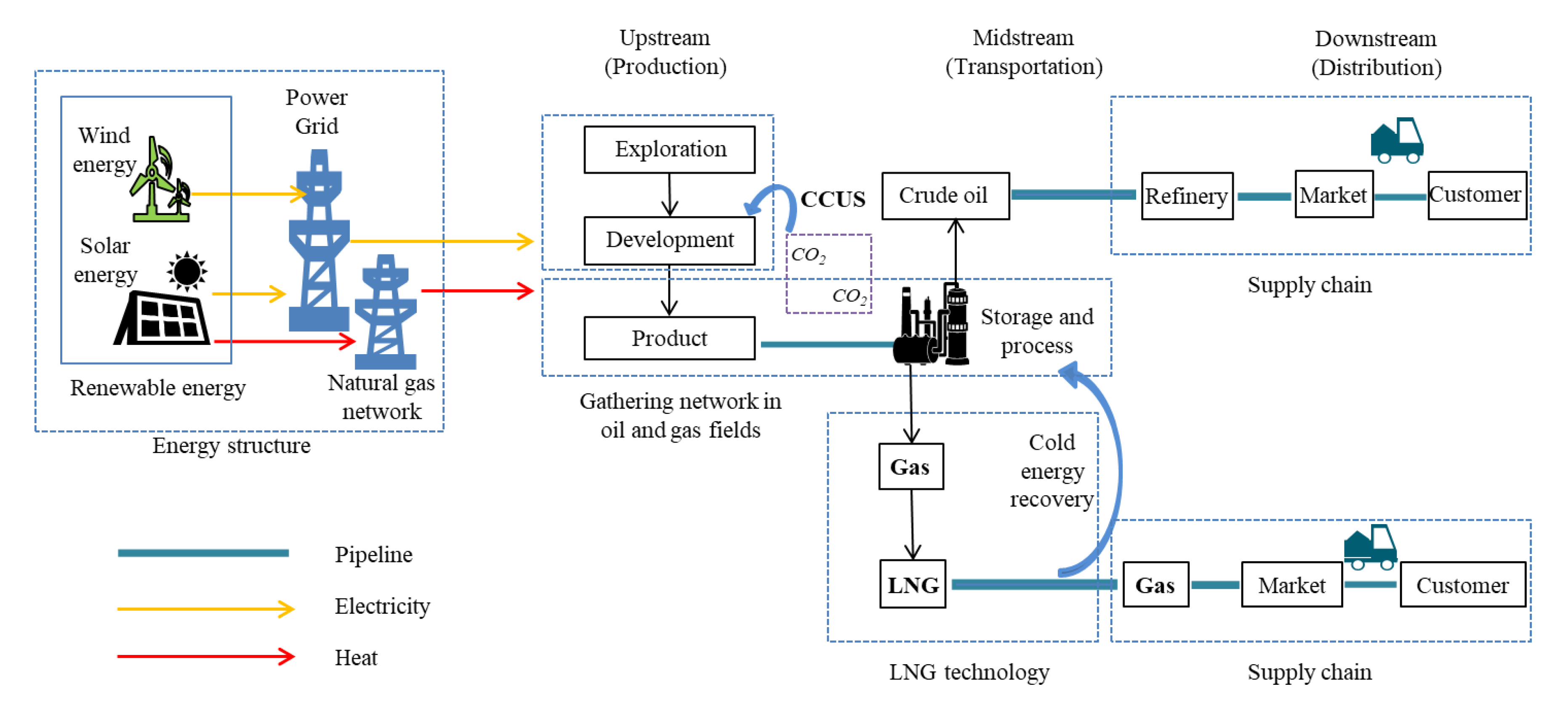
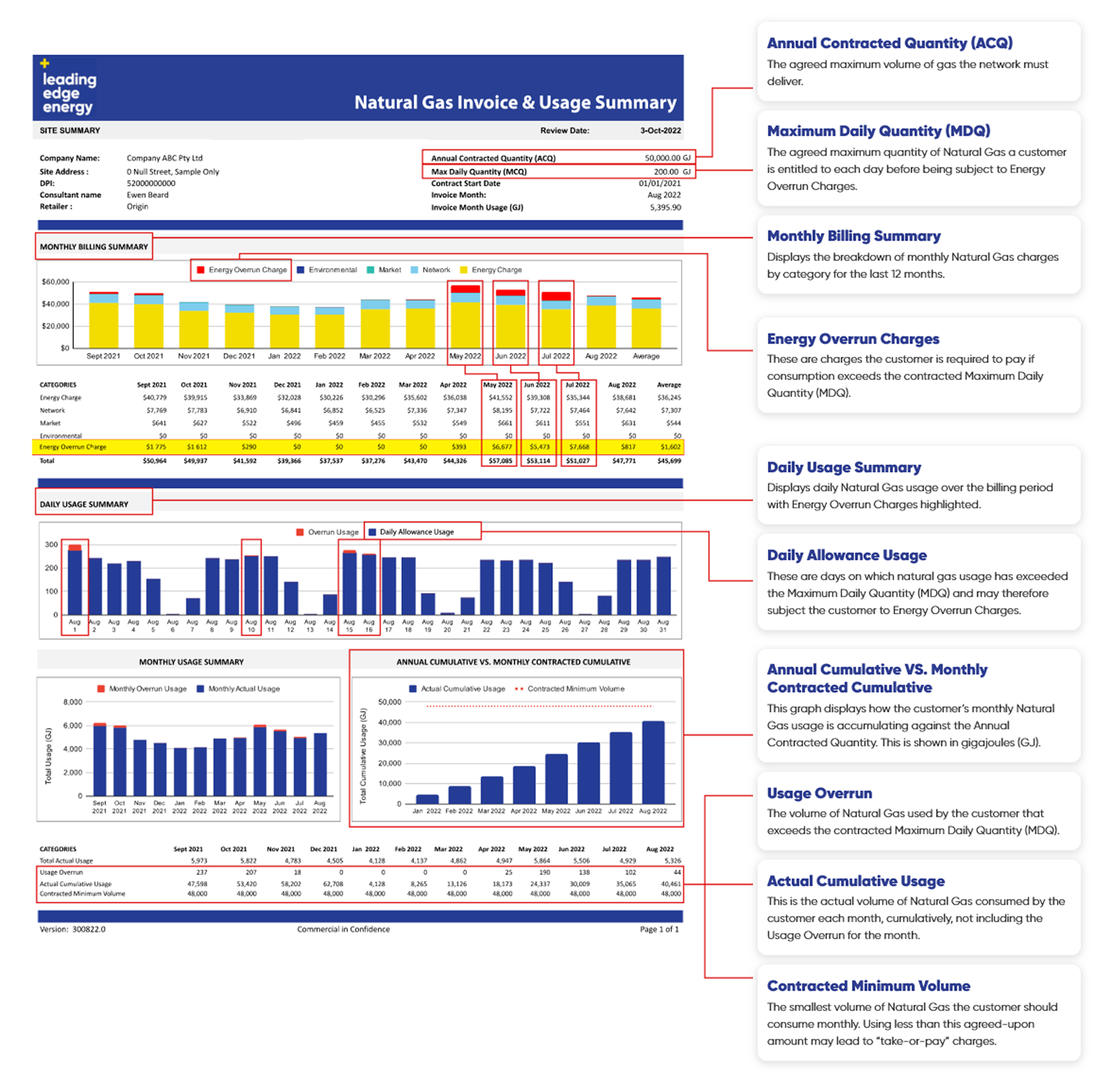
Armstrong Oil & Gas is a premier independent exploration firm renowned for the massive Pikka discovery in Alaska’s North Slope. Through "The Edge of Energy" platform and podcast, founder Bill Armstrong provides technical expertise and strategic perspectives on the global energy landscape, emphasizing the necessity of hydrocarbons alongside emerging technologies in the 2026 energy market.
The Legacy of Armstrong Oil & Gas
Armstrong Oil & Gas, Inc., based in Denver, Colorado, represents the pinnacle of the independent "wildcatter" spirit in the 21st century. Founded by geoscientist Bill Armstrong, the company has consistently punched above its weight class by identifying high-value opportunities in regions that major oil companies had either overlooked or deemed mature. Unlike the integrated "supermajors" that manage everything from extraction to retail gasoline, Armstrong Oil & Gas focuses primarily on the high-risk, high-reward phase of the industry: exploration and appraisal.
The company’s philosophy is rooted in a fundamental understanding of geology combined with a willingness to challenge industry dogma. Throughout the late 20th and early 21st centuries, Armstrong built a reputation for finding "elephants"—industry slang for massive oil fields—in areas where others saw only dry holes or marginal returns. By the time we reached 2026, the company’s impact on the domestic energy security of the United States, particularly through its work in the Arctic, became a case study in geological persistence.
The Business Model of an Independent Explorer
Armstrong Oil & Gas operates on a model of "find and flip," or more accurately, "find and partner." The capital requirements for developing a massive offshore or Arctic field are astronomical, often running into the billions of dollars. Armstrong’s strategy involves:
- Geological Hypothesis: Utilizing advanced seismic data to identify potential stratigraphic traps that others have missed.
- Lease Acquisition: Securing the rights to the land before the rest of the industry recognizes the potential.
- Discovery and Appraisal: Drilling the initial wells to prove the existence of a working petroleum system.
- Strategic Divestment: Selling a majority stake to a large operator (such as Santos or Repsol) while retaining an interest or royalty, ensuring the project has the capital needed for full-scale production.
The Pikka Discovery: A Paradigm Shift in Alaska
The most significant achievement in the history of Armstrong Oil & Gas is the Pikka Unit discovery on the North Slope of Alaska. Prior to this find, the prevailing wisdom was that the North Slope was a "dying" basin, with production from the massive Prudhoe Bay field in steady decline. Most exploration was focused on the deeper, older "Ellesmerian" structures.
Armstrong and his team took a different approach. They focused on the younger "Brookian" sequence, specifically the Nanushuk formation. This was a stratigraphic play rather than a structural one, meaning the oil was trapped by changes in the rock type rather than a fold or fault in the earth’s crust.
Technical Breakthroughs in the Nanushuk Play
The Nanushuk play was initially thought to be a series of small, disconnected sands. However, Armstrong’s use of high-resolution 3D seismic imaging revealed a massive, continuous depositional system. This discovery changed the map of Alaska.
- Reservoir Quality: The Nanushuk sands at Pikka are remarkably shallow (around 4,000 to 5,000 feet) and possess high porosity and permeability.
- Resource Estimate: Initial estimates placed the Pikka discovery at over 1 billion barrels of recoverable oil, making it the largest onshore discovery in the United States in over 30 years.
- The 2026 Status: As of 2026, the Pikka Phase 1 project is a cornerstone of Alaskan oil production. The infrastructure built to support Pikka has paved the way for satellite discoveries, extending the life of the Trans-Alaska Pipeline System (TAPS) for decades.
Defining "The Edge of Energy"
While Armstrong Oil & Gas represents the operational side of the business, The Edge of Energy is the intellectual and communicative arm. It is a multi-media platform, most notably a podcast and speaking series, where Bill Armstrong engages with the most pressing questions facing the industry today.
The "Edge" refers to two things: the cutting edge of technology and the precarious edge upon which global energy security sits. The platform serves as a bridge between the technical world of petroleum engineering and the broader public discourse on energy transition, climate change, and economic development.
Core Themes of The Edge of Energy
The platform focuses on several recurring themes that define the current 2026 energy landscape:
- Energy Poverty and Human Flourishing: Bill Armstrong frequently argues that access to affordable, reliable energy is the single greatest predictor of human health and economic success. He uses "The Edge of Energy" to highlight how hydrocarbons remain the most dense and transportable form of energy available to developing nations.
- The Realities of the Grid: The podcast delves into the technical limitations of wind and solar, specifically intermittency and the current lack of long-term battery storage. It advocates for an "all of the above" strategy where natural gas and oil provide the base load necessary to keep the lights on.
- The "Under-Investment" Crisis: A major talking point on the show is the lack of capital flowing into new oil and gas exploration over the last decade. Armstrong posits that the rush to divest from fossil fuels has created a supply-demand imbalance that risks global price shocks.
- Technological Innovation: From Carbon Capture and Storage (CCS) to advanced horizontal drilling, the platform showcases how the "old" oil industry is using "new" tech to reduce its carbon footprint while increasing efficiency.
Strategic Comparison: Traditional vs. Modern Exploration
The following table outlines how the approach of Armstrong Oil & Gas differs from the traditional industry standards of the past.
| Feature | Traditional Industry Approach | Armstrong/Edge of Energy Approach |
|---|---|---|
| Primary Target | Structural traps (anticlines, faults) | Stratigraphic traps (depositional changes) |
| Data Usage | 2D seismic and "wildcat" luck | High-definition 3D seismic and AVO analysis |
| Risk Profile | Diversified portfolio across many basins | Concentrated, high-conviction bets in "overlooked" areas |
| Communication | Closed-door corporate PR | Radical transparency and industry advocacy (The Edge of Energy) |
| Energy Transition | Defensive or resistant | Integrated; oil as the foundation for transition |
| Operational Goal | Long-term operatorship and "rent-seeking" | Exploration excellence and strategic partnership |
The Geopolitics of Energy in 2026
In the current year of 2026, the work of Armstrong Oil & Gas has taken on new geopolitical significance. With global supply chains remaining volatile, domestic production in stable jurisdictions like Alaska is more than just a business venture; it is a matter of national security.
"The Edge of Energy" has been vocal about the role of American energy exports. By producing oil and gas with higher environmental standards than many international competitors, the U.S. can effectively "export" its regulatory framework. Armstrong argues that every barrel produced in the Pikka Unit is a barrel that doesn't need to be sourced from regimes with lower environmental or human rights standards.
Environmental Stewardship on the North Slope
Exploration in the Arctic is subject to the most stringent environmental regulations in the world. Armstrong Oil & Gas has been a leader in implementing "tread lightly" technologies. This includes:
- Ice Roads: Using seasonal ice roads instead of permanent gravel roads to protect the tundra.
- Extended Reach Drilling (ERD): Drilling horizontally for miles from a single, small surface pad to minimize the physical footprint on the land.
- Zero-Discharge Operations: Ensuring that no waste products from the drilling process enter the local ecosystem.
Frequently Asked Questions
What is the relationship between Armstrong Oil & Gas and Santos?
In 2017 and 2018, Armstrong Oil & Gas sold a significant portion of its North Slope assets, including the Pikka Unit, to Oil Search (which later merged with Santos). However, Bill Armstrong and his team remained involved in the project’s development and continue to explore other leases in the region. Santos currently serves as the operator of the Pikka development, while Armstrong remains a key stakeholder and visionary for the play.
How can I listen to "The Edge of Energy"?
"The Edge of Energy" is available on most major podcast platforms, including Apple Podcasts and Spotify. It features interviews with CEOs, geologists, and policy experts. The show is designed for both industry professionals who want deep technical dives and laypeople who want to understand the complexities of global energy markets.
Is the Pikka discovery still relevant in 2026?
Yes, Pikka is more relevant than ever. As of 2026, it represents one of the few massive "greenfield" projects coming online in North America. Its success has sparked a "gold rush" of sorts in the Nanushuk formation, with other companies like ConocoPhillips and 88 Energy pursuing similar stratigraphic targets in Alaska.
Does Armstrong Oil & Gas invest in renewable energy?
While the core of the company is oil and gas exploration, the "Edge of Energy" philosophy acknowledges the necessity of a diversified energy mix. Bill Armstrong often speaks about the "synergy" of energy, noting that the revenues and technical expertise (such as sub-surface mapping) from the oil industry are essential for the development of geothermal energy and carbon sequestration.
Why is the Nanushuk formation so important?
The Nanushuk is important because it proved that significant oil reserves were "hiding in plain sight." For decades, companies drilled through the Nanushuk to get to deeper targets. Armstrong's insight was that the Nanushuk itself held massive potential. This has opened up thousands of square miles of the North Slope for re-evaluation using modern seismic techniques.
Practical Recommendations for Following the Industry
To stay informed about the developments of Armstrong Oil & Gas and the broader themes of The Edge of Energy, consider the following actions:
- Monitor AOGC (Alaska Oil and Gas Conservation Commission): This body provides public records on well data and production figures, which is the best way to track the actual performance of the Pikka Unit and surrounding explorations.
- Subscribe to Technical Journals: For those interested in the "how" behind the Pikka find, the American Association of Petroleum Geologists (AAPG) often publishes case studies on the Nanushuk and Brookian sequences.
- Follow the State of Alaska Department of Natural Resources: They manage the lease sales that companies like Armstrong participate in. Understanding which tracts are being bought can provide a "preview" of where the next major discovery might happen.
- Engage with The Edge of Energy Content: Beyond the podcast, look for Bill Armstrong’s presentations at industry conferences like NAPE (North American Prospect Expo). These often contain the most candid assessments of where the industry is heading in the next five to ten years.
Armstrong Oil & Gas remains a testament to the idea that even in a rapidly changing world, there is no substitute for sound geology and the courage to explore the unknown. Through "The Edge of Energy," that knowledge is being passed on to a new generation of energy professionals.