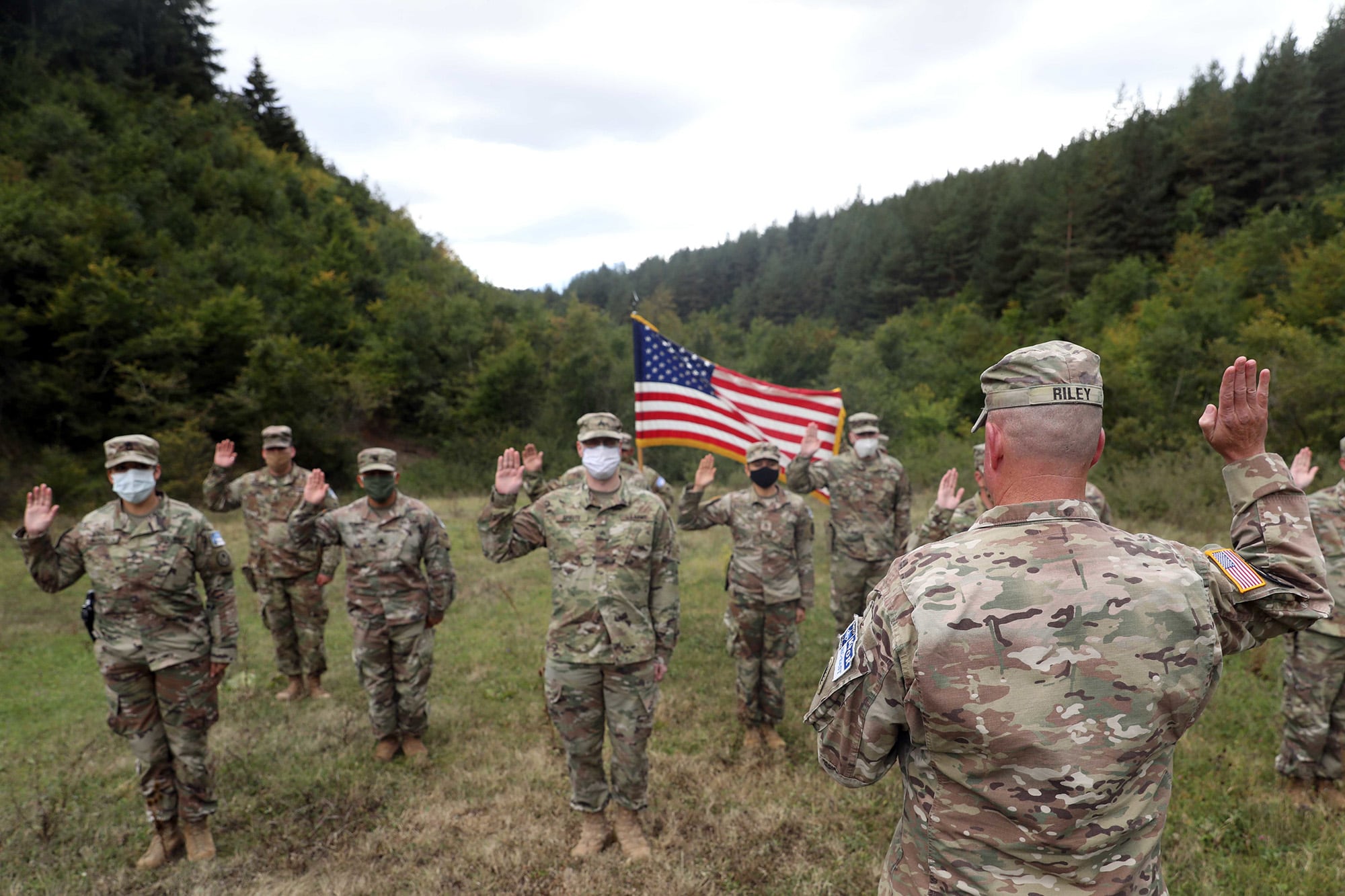
The Army 79R Recruiting and Retention Specialist is a non-commissioned officer (NCO) responsible for identifying, contacting, and processing qualified citizens for enlistment into the United States Army and Army Reserve. As a permanent professional recruiter, the 79R serves as the primary liaison between the civilian public and military service, managing the entire lifecycle of the enlistment process from initial lead generation to the point of shipment for Basic Training.
In 2026, the 79R MOS (Military Occupational Specialty) remains one of the most critical and challenging career paths within the U.S. Army. As the landscape of the American workforce shifts and the competition for high-quality talent intensifies, the role of the 79R has evolved from a traditional salesperson to a sophisticated career consultant and community influencer. This role is no longer just about meeting quotas; it is about finding the "right fit" for the future of the force, ensuring that the Army maintains its strategic advantage through its most valuable asset: its people.
Defining the 79R MOS: The Face of the U.S. Army
The 79R MOS is unique because it is not an entry-level position. Soldiers cannot enlist directly as a 79R. Instead, it is a "conversion" MOS, meaning that NCOs from other career fields must first serve as "detailed" recruiters (SQI 4) before they are eligible to apply for permanent status as a 79R. Once an NCO transitions to 79R, they leave their original MOS behind and commit the remainder of their career to the United States Army Recruiting Command (USAREC).
The primary mission of a 79R is to sustain the strength of the All-Volunteer Force. This involves a complex blend of salesmanship, administrative precision, and mentorship. In 2026, this mission is supported by the Army Enterprise Recruiting Platform (AERP), an integrated digital suite that allows 79Rs to track leads, manage social media engagement, and process applications with high efficiency. However, despite the technological advancements, the core of the 79R role remains the "face-to-face" interaction—building trust with applicants, parents, and community leaders.
The Path to Becoming a 79R: Transition and Eligibility
The transition to 79R is a deliberate career move. Most NCOs are initially "detailed" to recruiting duty for a three-year tour. During this time, they learn the fundamentals of the trade. If they demonstrate high aptitude and a desire to stay within the recruiting environment, they can apply for reclassification to 79R.
Eligibility Requirements for 2026
To be eligible for conversion to 79R, a Soldier must meet several stringent criteria. The Army maintains high standards for its recruiters because they operate with significant independence and represent the Army’s values to the public.
- Rank: Must be a Sergeant (E-5) through Sergeant First Class (E-7).
- Experience: Must have completed at least 24 months of successful recruiting duty as a detailed recruiter.
- Performance: Must consistently meet or exceed recruitment goals and demonstrate the potential for leadership within a recruiting station.
- Physical Standards: Must meet Army height and weight standards and possess a high level of physical fitness (ACFT scores).
- Background and Conduct: A 79R must have a clean record. This includes no history of domestic violence (Lautenberg Amendment), no civilian convictions other than minor traffic violations, and a "Secret" security clearance.
- Education: High school diploma or equivalent is required, though most successful 79Rs in 2026 hold at least an Associate or Bachelor’s degree to better relate to the educational aspirations of their applicants.
Core Responsibilities and Daily Operations
The daily life of a 79R is fast-paced and demands exceptional time management. Unlike a traditional "9-to-5" job, recruiting often requires evening and weekend work to accommodate the schedules of applicants and their families.
Lead Generation and Prospecting
In 2026, prospecting is a multi-channel effort. 79Rs utilize social media platforms, attend high school and college career fairs, and engage in "center of influence" (COI) networking. They work with local educators, coaches, and civic leaders to create a positive perception of Army service. Prospecting also includes traditional methods like "area canvassing" and phone calls, though data-driven digital marketing has become the dominant lead source.
The Interview and Counseling Process
Once a lead expresses interest, the 79R conducts a formal interview. This is not merely a sales pitch; it is a qualification screening. The 79R must assess the applicant’s physical, mental, and moral eligibility. They use the ASVAB (Armed Services Vocational Aptitude Battery) scores to guide the applicant toward MOS choices that align with their talents and the Army’s needs.
Processing and Enlistment
After a successful interview, the 79R manages the administrative heavy lifting. This involves scheduling physicals at a Military Entrance Processing Station (MEPS), verifying birth certificates and diplomas, and coordinating with the Security Manager for background checks. The 79R ensures that every "i" is dotted and every "t" is crossed, as administrative errors can lead to enlistment delays or disqualifications.
Future Soldier Management
Once an applicant enlists into the Delayed Entry Program (DEP), they are known as a "Future Soldier." The 79R’s job is not over yet. They must maintain regular contact with the Future Soldier, conducting training sessions on Army values, basic drill, and physical fitness. This "retention" aspect at the pre-entry level is vital for reducing "DEP loss"—the rate at which applicants back out before shipping to Basic Combat Training.
Training and Professional Development
The Army invests heavily in the professional development of 79Rs. The foundation of this training is the Army Recruiter Course (ARC) at the Recruiting and Retention College, located at Fort Knox, Kentucky.
The Army Recruiter Course (ARC)
The ARC is a rigorous program that teaches NCOs the art and science of recruiting. Curriculum topics include:
- Effective communication and public speaking.
- Sales psychology and overcoming objections.
- Regulatory requirements for enlistment (AR 601-210).
- Operation of the latest recruiting technology and CRM (Customer Relationship Management) software.
- Time management and station operations.
Advanced Career Path
As a 79R progresses, they move beyond individual production into leadership roles.
- Station Commander: Responsible for the operations of a specific recruiting station, managing a team of recruiters.
- Guidance Counselor: Located at MEPS, these specialists work the final stage of the enlistment contract, ensuring the applicant receives the correct MOS and incentives.
- Recruiting First Sergeant: Manages a recruiting company (multiple stations) and focuses on the welfare and training of the NCOs.
- Sergeant Major (Recruiting): Operates at the Battalion, Brigade, or USAREC level, shaping recruiting policy and strategy for the entire Army.
Key Differences: 79R vs. 79S
While the prompt mentions "Recruiting and Retention Specialist," it is important to distinguish between the two primary MOSs that fall under this umbrella in the Army.
| Feature | 79R (Recruiter) | 79S (Career Counselor) |
|---|---|---|
| Primary Focus | Bringing new Soldiers into the Army (Accessions). | Keeping current Soldiers in the Army (Retention). |
| Location | Civilian communities / Recruiting Stations. | On-post / Unit headquarters. |
| Target Audience | Civilians, High School/College students. | Active Duty Soldiers and their families. |
| Conversion Rank | SGT (E-5) to SFC (E-7). | SGT (E-5) to MSG (E-8). |
| Daily Tasks | Prospecting, community outreach, MEPS processing. | Re-enlistment contracts, career mapping, MOS transfers. |
| Primary Tool | Recruiting CRM / Social Media. | RETAIN system / SRB (Selective Retention Bonus) data. |
The Challenges of the 79R Role
The 79R MOS is often cited as one of the most stressful in the Army due to the "production" nature of the work. Recruiters are evaluated monthly based on their ability to meet enlistment goals. In 2026, factors such as a strong civilian labor market, declining eligibility among the youth population (due to health or legal issues), and public perception of military service create a high-pressure environment.
Mental Resilience: 79Rs face frequent rejection. A recruiter may speak to 50 people before finding one qualified lead. This requires a high level of "grit" and emotional intelligence.
Work-Life Balance: Because the mission is continuous, 79Rs often find it difficult to "turn off." Successful 79Rs in 2026 are those who master the art of digital boundaries while remaining accessible to their applicants during critical decision-making moments.
Ethical Integrity: There is immense pressure to meet numbers, but 79Rs must operate with absolute integrity. Enlisting an unqualified applicant or "cutting corners" on paperwork can lead to immediate removal from the MOS and disciplinary action under the UCMJ.
Rewards and Incentives
To compensate for the difficulty of the role, the Army provides several incentives for 79R Soldiers:
- Special Duty Assignment Pay (SDAP): Recruiters receive monthly extra pay to offset the costs of working in a civilian environment and the demands of the job.
- Civilians Clothes Allowance: Since recruiters often work in business-casual attire or specialized uniforms to blend into civilian environments, they receive an annual allowance for clothing.
- Promotion Opportunities: The recruiting field often has faster promotion rates for high performers. The "Gold Badge" and the "Recruiter Ring" are prestigious awards that signify elite status within USAREC.
- Stabilization: 79Rs often enjoy longer stabilization in a single geographic area compared to other MOSs, which provides more consistency for families and children in school.
The Technological Shift: Recruiting in 2026
By 2026, the 79R role has fully embraced artificial intelligence and big data. Recruiters no longer spend hours cold-calling random lists. Instead, predictive analytics identify "high-propensity" candidates—individuals whose online behavior and educational interests suggest a high likelihood of military interest.
Virtual Reality (VR) Integration: 79Rs now use VR headsets in their stations to give applicants a "day in the life" experience of different MOSs, from infantry maneuvers to cyber security operations. This immersive technology helps bridge the gap between civilian imagination and military reality.
Remote Processing: Much of the administrative burden that used to require trips to a central office is now handled via secure mobile applications. 79Rs can initiate background checks and verify documents from a tablet in a coffee shop, making the recruiter more mobile and responsive.
Frequently Asked Questions
Can I choose where I am stationed as a 79R?
While the Army tries to accommodate "home-town" recruiting or specific regional requests, 79Rs are assigned based on the needs of the Army. However, once established as a 79R, there is often more flexibility in requesting specific recruiting battalions compared to traditional MOS assignments.
Does 79R count as "Combat Arms" experience?
No, 79R is a functional support MOS. However, most 79Rs come from Combat Arms or Combat Support backgrounds. Their previous "real Army" experience is their best selling point, as it allows them to speak with authority about what life is like in the field.
What happens if a 79R fails to meet their mission (quota)?
The Army looks at "performance vs. effort." If a recruiter is following the prescribed prospecting systems and working hard but still missing goals, they will receive additional training and mentorship. Consistent, willful failure to perform can lead to "decertification" and a return to their original MOS or administrative separation.
Is the 79R role becoming obsolete due to online applications?
On the contrary, the 79R is more important than ever. While an applicant can start an application online, the complexity of military enlistment—medical waivers, moral clearances, and career counseling—requires a human expert to navigate. The 79R acts as the "closer" and the mentor that technology cannot replace.
Can 79Rs earn a college degree while on duty?
Yes. In fact, the Army encourages it. Because 79Rs work in civilian communities, they often have better access to local colleges and universities. Many 79Rs use their Tuition Assistance (TA) to complete degrees in Marketing, Human Resources, or Psychology, which directly complements their recruiting duties.
Expert Recommendation for Prospective 79Rs
If you are considering a transition to the 79R MOS in 2026, the most important step you can take is to master the Army's Professional Selling Skills (PSS) during your detailed recruiting tour. Do not just look at recruiting as a three-year break from the "real Army." Treat it as a masterclass in human psychology and communication.
For those currently on recruiting duty, evaluate your "Center of Influence" (COI) network. A successful 79R is only as good as their reputation in the community. If the local high school counselors and business leaders trust you, your mission will follow. Finally, ensure your personal and financial house is in order; the independence of recruiting duty requires high levels of self-discipline that can be easily undermined by personal stressors.