Armpit pain can indeed signal a heart attack, though it is rarely the only symptom. This sensation occurs due to referred pain, where the brain misinterprets distress signals from the heart as coming from the armpit or arm nerves. If armpit pain is accompanied by chest pressure, shortness of breath, or nausea, seek emergency medical care immediately.
While most people associate heart attacks strictly with crushing chest pain, the clinical reality is much more complex. Cardiovascular events often present through "referred pain" patterns that can manifest in the jaw, back, neck, and specifically the left armpit. In 2026, medical professionals continue to emphasize that recognizing these peripheral symptoms can be the difference between timely intervention and irreversible cardiac damage. Understanding why the armpit becomes a focal point for cardiac distress requires a look at human anatomy, neurological pathways, and the specific ways heart disease manifests in different populations.
The Neurological Link: Why the Armpit Feels Heart Pain
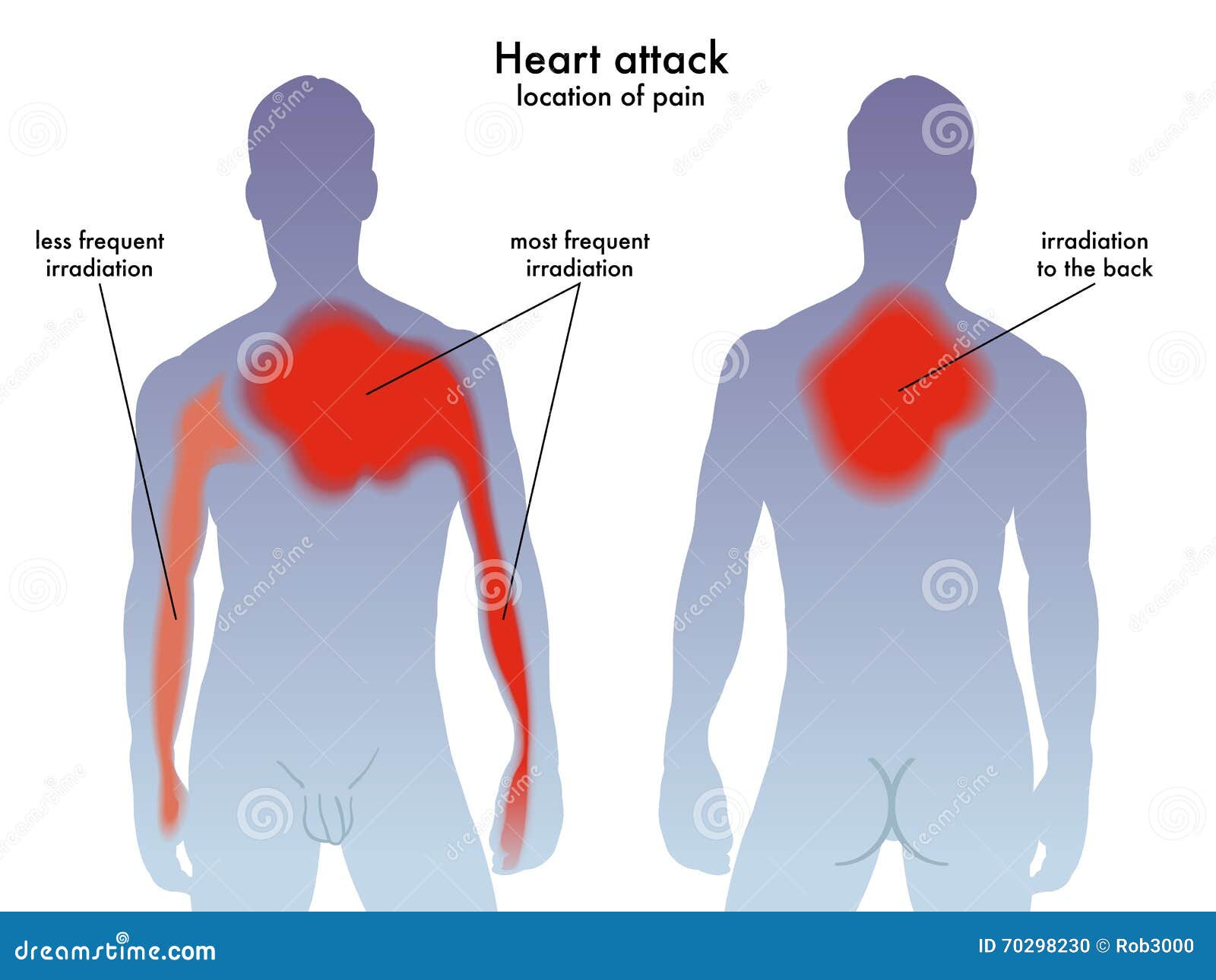
The connection between the heart and the armpit is rooted in the complex wiring of the human nervous system. This phenomenon is known as referred pain. When the heart muscle is deprived of oxygen (ischemia), it sends distress signals through the autonomic nervous system. However, these sensory fibers enter the spinal cord at the same levels (T1 through T5) as the nerves that receive sensations from the skin of the arms, armpit, and chest.
Because the brain is more accustomed to receiving sensory input from the skin and muscles than from internal organs, it frequently misinterprets the source of the pain. The intercostobrachial nerve, which provides sensation to the skin of the axilla (armpit) and the upper inner arm, shares a pathway with the cardiac nerves. Consequently, when the heart is under stress, the brain may perceive the discomfort as originating in the armpit.
This pain is typically described as a dull ache, a feeling of heaviness, or a radiating tingling. Unlike a muscle strain, cardiac-related armpit pain is often internal and cannot be "triggered" by pressing on a specific spot or moving the arm in a certain way.
Characteristics of Cardiac-Related Armpit Pain
Distinguishing between a minor muscle pull and a life-threatening cardiac event is critical. When armpit pain is linked to a myocardial infarction (heart attack), it rarely exists in isolation. It is almost always part of a constellation of symptoms that reflect the body’s systemic struggle to maintain blood flow.
Radiating Discomfort
In many cases, the pain does not start in the armpit. Instead, it begins in the center of the chest and "travels" or radiates outward. It may move across the shoulder and settle into the left armpit, eventually extending down the inner aspect of the left arm to the wrist or pinky finger. In some instances, particularly in patients with diabetes or the elderly, this radiation may occur without the classic "elephant on the chest" feeling.
Pressure vs. Sharpness
Cardiac pain is typically described as pressure, squeezing, or fullness. If the pain in your armpit feels like a sharp, stabbing sensation that lasts only a second or two, it is statistically less likely to be a heart attack. However, if the armpit feels heavy or tight, as if a band is being constricted around the upper torso and underarm, this is a significant red flag.
Persistence and Progression
Heart attack symptoms often build over several minutes. Unlike a sudden "tweak" from lifting a heavy object, cardiac-related armpit pain tends to persist regardless of rest or position. While some people experience intermittent "stuttering" symptoms before a major event (unstable angina), the pain associated with an active heart attack will not resolve with simple stretching or over-the-counter topical creams.
Heart Attack Symptoms: Women vs. Men
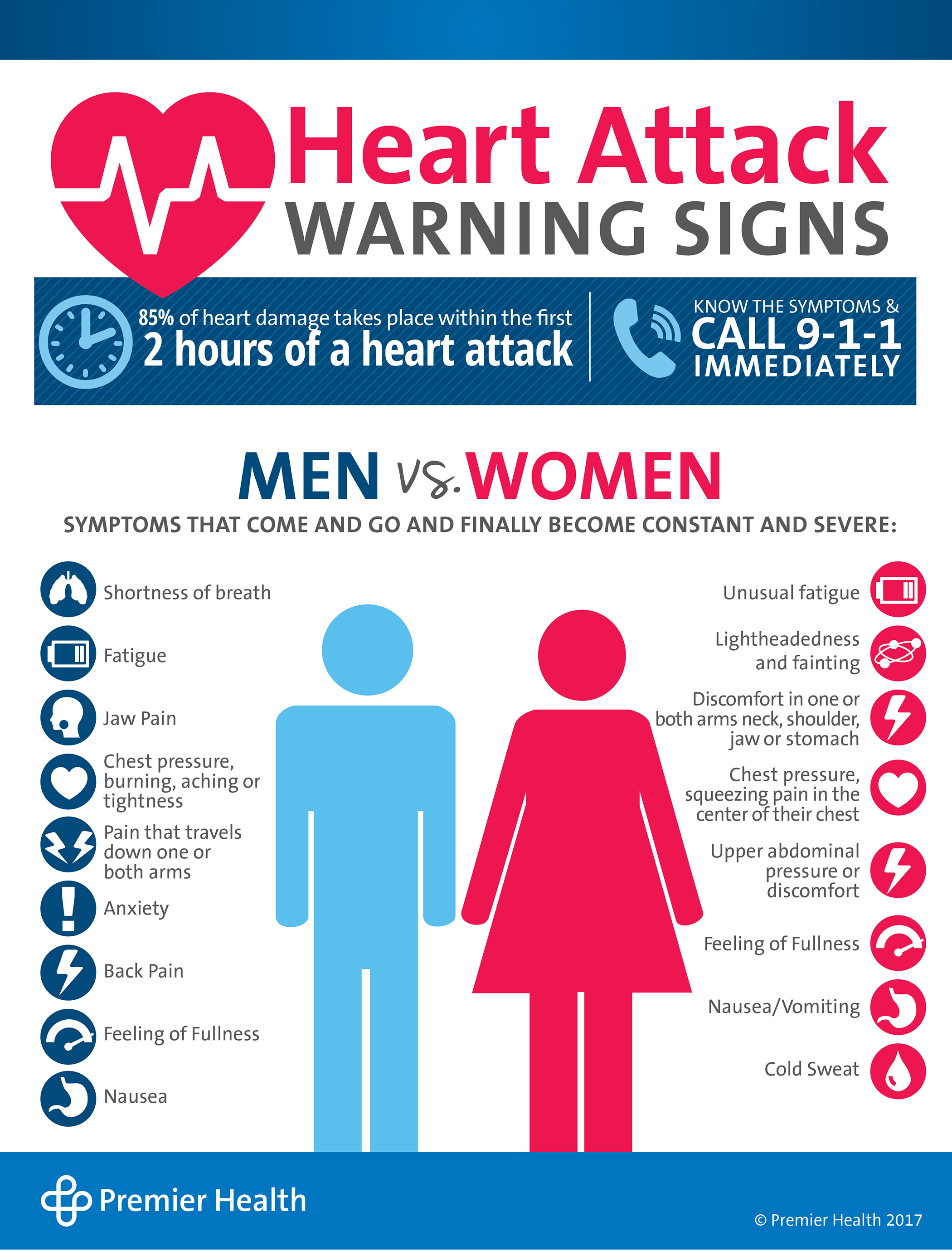
In 2026, the medical community remains highly focused on the disparity in how heart attacks are diagnosed across genders. Research from the American Heart Association has long confirmed that women are more likely to experience "atypical" symptoms, which frequently include armpit and back pain rather than the classic chest pain.
Atypical Presentation in Women
For women, a heart attack may feel more like extreme exhaustion or a "flu-like" heaviness in the upper body. Armpit pain in women can be accompanied by:
- Unexplained, profound fatigue that makes simple tasks difficult.
- Pain in the upper back that feels like a deep ache between the shoulder blades.
- Lightheadedness or a feeling of impending doom.
- Nausea or indigestion that is easily mistaken for acid reflux.
The Standard Presentation in Men
Men are statistically more likely to report the "classic" symptoms, including intense sub-sternal chest pressure. However, men also frequently report radiating pain into the left armpit and jaw. It is a common mistake for men to dismiss armpit pain as a sports injury or a result of strenuous labor, delaying necessary diagnostic testing.
Non-Cardiac Causes of Armpit Pain
While it is vital to treat armpit pain with caution, many other conditions can cause discomfort in this region. Identifying these can help provide clarity, though they should only be considered once a cardiac event has been ruled out by a professional.
Musculoskeletal Strain
The armpit is surrounded by the pectoralis major, latissimus dorsi, and various smaller muscles used for arm rotation and lifting. A strain in the "pecs" or the rotator cuff can cause significant pain in the axillary region. This type of pain is usually palpable, meaning if you press on the muscle and it hurts more, it is likely a muscular issue rather than a heart issue.
Lymphadenopathy (Swollen Lymph Nodes)
The armpit contains a high concentration of lymph nodes, which are part of the immune system. If you are fighting an infection—even a minor one like a skin infection or a cold—these nodes can swell and become tender. In some cases, swollen axillary lymph nodes can be a sign of more serious conditions, such as lymphoma or breast cancer, requiring a separate medical evaluation.
Hidradenitis Suppurativa and Skin Issues
The armpit is prone to skin conditions due to moisture and friction. Hidradenitis suppurativa is a chronic inflammatory skin condition that causes painful lumps under the skin, often in the armpit. Other common causes include infected hair follicles (folliculitis) or allergic reactions to deodorants (contact dermatitis). These causes are typically visible on the surface of the skin.
Nerve Compression
Conditions like a pinched nerve in the cervical spine (neck) or brachial plexus injury can cause radiating pain, numbness, and tingling into the armpit and down the arm. This is often associated with specific neck movements or positions.
Comparative Analysis: Cardiac vs. Non-Cardiac Pain
The following table provides a general guideline for distinguishing the nature of armpit pain. This is for informational purposes and should not replace a clinical diagnosis.
| Feature | Cardiac-Related Pain | Non-Cardiac (Muscular/Skin) |
|---|---|---|
| Pain Quality | Pressure, squeezing, dull ache, heaviness | Sharp, stabbing, or tender to touch |
| Location | Deep, internal, often radiates from chest | Superficial, localized, or specific to a muscle |
| Triggers | Physical exertion or emotional stress | Physical movement, reaching, or pressing the area |
| Duration | Persistent (15+ minutes) or worsening | Brief/fleeting or constant over several days |
| Skin Appearance | Pale, sweaty, or no visible change | Redness, lumps, rashes, or swelling |
| Relief | Not relieved by rest or position changes | Often relieved by rest, ice, or stretching |
| Associated Symptoms | Shortness of breath, nausea, cold sweats | None, or localized swelling/redness |
When to Seek Emergency Medical Care
In the context of heart health, time is muscle. If you are experiencing armpit pain, you must evaluate the "global" state of your health in that moment. Do not wait for the pain to become "unbearable" before acting.
Call emergency services (911 in the U.S.) immediately if armpit pain is accompanied by:
- Chest Discomfort: Any feeling of pressure, tightness, or squeezing in the center of the chest.
- Shortness of Breath: Feeling like you cannot get enough air, even while resting.
- Diaphoresis: Sudden, cold sweats that are not related to room temperature or physical activity.
- Nausea or Vomiting: Unexplained stomach distress combined with upper body pain.
- Dizziness: Feeling faint or lightheaded.
- Pain in Other Areas: Discomfort that spreads to the teeth, jaw, neck, or back.
The Centers for Disease Control and Prevention (CDC) emphasizes that the sooner you receive treatment, the higher the chance of survival and the lower the risk of permanent heart muscle damage.
Diagnostic Procedures in 2026
If you arrive at an emergency department with armpit pain and suspected cardiac distress, medical teams will use several tools to verify the status of your heart.
- Electrocardiogram (ECG/EKG): This is the first line of defense. It measures the electrical activity of the heart to see if there are abnormalities in the rhythm or signs of active muscle damage.
- Blood Tests (Troponin): When heart muscle is damaged, it releases a protein called troponin into the bloodstream. In 2026, high-sensitivity troponin tests can detect even minute levels of cardiac stress faster than ever before.
- Echocardiogram: An ultrasound of the heart that allows doctors to see how well the heart chambers are pumping and if any valves are malfunctioning.
- Coronary Angiography: If a heart attack is confirmed, doctors may perform an angiogram to find the specific blockage in the coronary arteries.
Preventive Measures for Heart Health
Understanding the signs of a heart attack is the second step; the first is prevention. Maintaining cardiovascular health involves managing the "silent" risk factors that lead to artery blockages.
- Blood Pressure Management: Chronic high blood pressure (hypertension) damages the artery walls, making it easier for plaque to build up. Regular monitoring is essential.
- Cholesterol Control: High levels of LDL (low-density lipoprotein) contribute to atherosclerosis, the primary cause of heart attacks.
- Diabetes Management: High blood sugar can damage the nerves and blood vessels that control the heart.
- Lifestyle Choices: A diet rich in whole foods, regular aerobic exercise (at least 150 minutes per week), and the total avoidance of smoking or vaping are the most effective ways to reduce cardiac risk.
Frequently Asked Questions
Can armpit pain on the right side indicate a heart attack?
While the left side is the classic location for referred heart pain, it is possible to experience cardiac symptoms on the right side. The nervous system's pathways are not always perfectly symmetrical, and some individuals report pain in the right armpit, right arm, or right side of the jaw during a myocardial infarction. Treat any unexplained, radiating upper body pain with caution, regardless of the side.
How long does cardiac-related armpit pain last?
If it is a heart attack, the pain is typically persistent. It may last for 15 minutes or more, or it may go away and come back. If the pain is a sharp "zap" that lasts only five seconds, it is less likely to be cardiac. However, "stable angina" can cause predictable armpit pain during exercise that subsides with rest; this is still a serious sign of heart disease that requires a doctor's visit.
Can acid reflux cause armpit pain?
Yes, gastroesophageal reflux disease (GERD) can cause "referred pain" that mimics a heart attack. Because the esophagus and the heart are located near each other and share nerve pathways, severe heartburn can radiate to the chest, throat, and occasionally the armpit. However, because GERD and heart attacks are so difficult to distinguish based on sensation alone, medical professionals recommend treating the symptoms as a potential heart attack until proven otherwise.
Is armpit pain a common sign of a "silent" heart attack?
A "silent" heart attack (SMI) occurs with few or no symptoms, or symptoms that are so mild they are ignored. In these cases, a person might only feel slight discomfort in the armpit or a vague sense of being "unwell." Many people only discover they had a silent heart attack weeks or months later during a routine ECG.
Can anxiety cause armpit pain that feels like a heart attack?
Anxiety and panic attacks can cause chest tightness, rapid heart rate, and muscle tension in the shoulders and armpits. This can lead to a "vicious cycle" where the physical symptoms of anxiety cause more panic, which worsens the symptoms. While anxiety is a common cause of such pain, an emergency room will always prioritize ruling out a heart attack first because the risks of missing a cardiac event are so high.
Practical Recommendation
If you are currently experiencing armpit pain and are unsure of its origin, perform a quick self-assessment. Does the pain change when you move your arm? Does it hurt when you press on the skin or muscle? If the answer is "no" to both, and the pain feels deep, heavy, or is spreading, do not wait. Call emergency services or have someone drive you to the nearest hospital. It is far better to be told you have a muscle strain in the emergency room than to stay at home during a cardiac event.