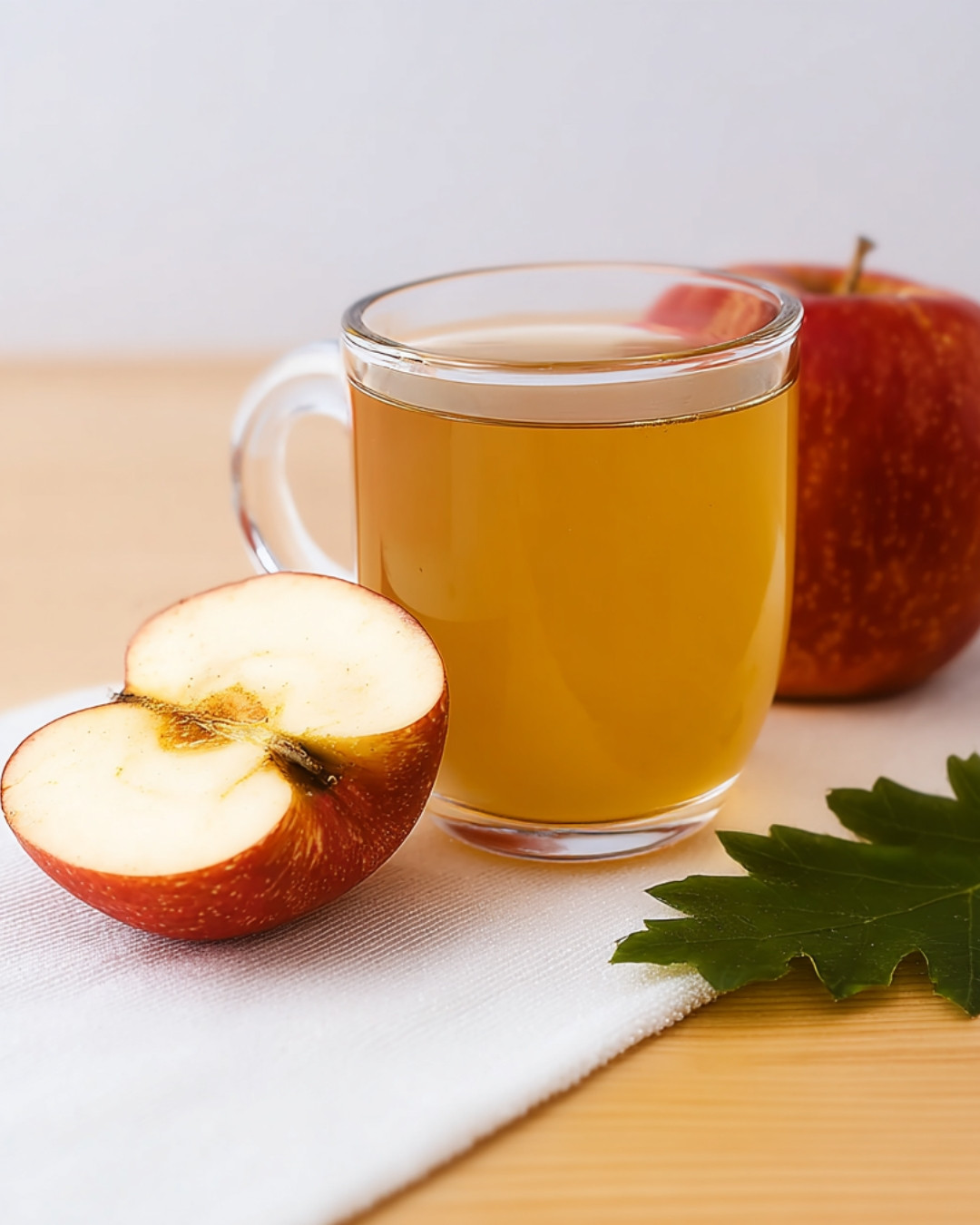
An apple cider vinegar Mounjaro recipe typically combines one teaspoon of raw, unfiltered apple cider vinegar with 8 to 12 ounces of water, fresh lemon juice, grated ginger, and optional electrolytes. Designed to support hydration and digestive comfort alongside tirzepatide treatment, these diluted drinks must be prepared carefully to prevent acid reflux and stomach distress.
The Science Behind Combining Apple Cider Vinegar and Mounjaro
Understanding how apple cider vinegar (ACV) interacts with Mounjaro requires examining the physiological mechanisms of both substances. Mounjaro (generic name: tirzepatide) is a dual glucose-dependent insulinotropic polypeptide (GIP) and glucagon-like peptide-1 (GLP-1) receptor agonist. It works by enhancing glucose-dependent insulin secretion, suppressing post-meal glucagon release, signaling satiety in the brain, and significantly slowing gastric emptying (the rate at which food leaves the stomach).
Apple cider vinegar, produced through the fermentation of apple sugars into acetic acid, has long been studied for its mild metabolic effects. Research suggests that acetic acid can modestly delay gastric emptying, improve peripheral insulin sensitivity, and blunt postprandial glucose spikes when consumed before meals containing complex carbohydrates.
- Dual Gastric Emptying Effect:
- Mounjaro (Tirzepatide):
- Slows stomach transit
- Promotes central satiety
- Apple Cider Vinegar (Acetic Acid):
- Delays carbohydrate digestion
- Modestly blunts glucose spikes
- Mounjaro (Tirzepatide):
- Combined Impact:
- Extended fullness (Positive)
- Risk of acid reflux, nausea, or delayed transit (Requires care)
Because both tirzepatide and acetic acid affect digestive transit speed, combining them creates a compounding effect on stomach motility. While many individuals seek ACV drink recipes to address mild sluggish digestion, bloating, or blood sugar management, the additive impact on gastric emptying means these beverages must be formulated thoughtfully. Rather than consuming concentrated shots, individuals using GIP/GLP-1 receptor agonists need gentle, high-dilution recipes that prioritize gastrointestinal comfort and systemic hydration.
Important Safety Considerations and Gastrointestinal Precautions
Before adding any apple cider vinegar recipe to a daily routine while taking Mounjaro, it is essential to evaluate potential safety risks and digestive side effects.
Gastric Emptying Overlap and Gastroparesis Risks
Mounjaro deliberately slows gastric motility to prolong feelings of fullness. Acetic acid also slows stomach emptying. For individuals already experiencing significant gastrointestinal delay, consuming acidic preparations can cause food to sit in the stomach longer than intended. This can trigger symptoms such as severe upper abdominal bloating, uncomfortable early satiety, burping with a sour or sulfur taste, and persistent nausea. Anyone diagnosed with gastroparesis or experiencing severe vomiting should avoid ACV drinks entirely.
Acid Reflux and Esophageal Irritation
Heartburn and gastroesophageal reflux disease (GERD) are common side effects of tirzepatide, largely due to delayed stomach emptying keeping gastric contents in contact with the lower esophageal sphincter. Introducing concentrated acetic acid can inflame the esophageal lining and exacerbate acid reflux. Diluting vinegar thoroughly in warm or cold water is critical to mitigating this mucosal irritation.
Dental Enamel Erosion
Acetic acid has a low pH (typically between 2.5 and 3.0), which can soften tooth enamel over time. Drinking acidic mixtures daily increases the risk of enamel erosion, tooth sensitivity, and decay. Using a straw and rinsing the mouth with pure water immediately after drinking helps protect dental health.
Hypoglycemia Awareness
Both Mounjaro and apple cider vinegar influence blood glucose control. While tirzepatide's glucose-lowering action is primarily glucose-dependent (reducing severe low blood sugar risk when used alone), combining ACV with co-prescribed glucose-lowering medications—such as sulfonylureas or insulin—requires extra caution and regular blood sugar monitoring.
Medical Disclaimer: This article is for informational and educational purposes only and does not constitute medical advice. Consult your prescribing physician or a registered dietitian before introducing apple cider vinegar or new dietary supplements into your regimen while taking Mounjaro or other GLP-1/GIP medications.
Safe Apple Cider Vinegar Recipes Tailored for Mounjaro Users
The following recipes are formulated specifically to accommodate the digestive sensitivities of individuals taking Mounjaro. They emphasize high dilution, soothing botanical additions, and minimal added sugars.
| ACV Volume | Water Volume | Target Ratio | Frequency Limit |
|---|---|---|---|
| 1 tsp (5 mL) | 8-10 oz | ~1:50 | Ideal Starting Dose |
| 1 tbsp (15 mL) | 12-16 oz | ~1:30 | Maximum Daily Dose |
1. The Gentle Morning ACV & Electrolyte Hydrator
This recipe focuses on baseline hydration, mild stomach awakening, and electrolyte replenishment—essential for users experiencing reduced fluid intake on Mounjaro.
- Prep time: 3 minutes
- Serving size: 1 mug (10–12 fl oz)
Ingredients:
- 1 teaspoon (5 mL) raw, unfiltered apple cider vinegar (with "the mother")
- 10 to 12 ounces filtered warm water (not boiling)
- 1 pinch (approx. 1/8 tsp) high-quality sea salt or unflavored electrolyte powder
- 2–3 thin slices of fresh cucumber
- Optional: 2 drops liquid stevia or monk fruit extract for taste balancing
Preparation Steps:
- Pour warm filtered water into a glass or ceramic mug. Ensure the water temperature is lukewarm to preserve the beneficial enzymes in raw ACV.
- Add 1 teaspoon of raw apple cider vinegar to the water.
- Stir in the sea salt or unflavored electrolyte powder until completely dissolved.
- Float cucumber slices on top to infuse a fresh, cooling note that counteracts vinegar acidity.
- Sip slowly using a reusable straw over 10 to 15 minutes.
Functional Benefits:
The high liquid volume ensures the acetic acid is diluted to less than 1% concentration, protecting the stomach lining. The added electrolytes help maintain fluid balance, which can be disrupted when appetite suppression reduces overall food and beverage intake.
2. The Soothing Ginger-Lemon ACV Anti-Nausea Tonic
Nausea is one of the most frequently reported side effects during Mounjaro dose escalation. This recipe combines low-dose ACV with fresh ginger root and lemon juice to calm an uneasy stomach.
- Prep time: 5 minutes
- Serving size: 1 glass (10–12 fl oz)
Ingredients:
- 1 teaspoon (5 mL) raw apple cider vinegar
- 1/2 teaspoon freshly grated ginger root (or 1/4 tsp pure ginger juice)
- 1 tablespoon fresh lemon juice (approx. half a small lemon)
- 10 ounces warm water or cooled chamomile tea
- 1/2 teaspoon pure raw honey (optional, omit if strict carbohydrate control is required)
Preparation Steps:
- Grate fresh ginger root directly into a cup.
- Pour warm water or brewed chamomile tea over the grated ginger and let steep for 3 minutes.
- Strain the tea through a fine-mesh sieve into a clean drinking glass to remove fibrous pulp.
- Stir in the fresh lemon juice and raw apple cider vinegar.
- Add honey if desired, stirring until fully incorporated.
- Drink lukewarm in slow, measured sips.
Functional Benefits:
Gingerol compounds in fresh ginger act on serotonin receptors in the gastrointestinal tract to help reduce nausea signals. Chamomile provides mild antispasmodic properties that help relax stomach muscles, balancing the mild acidity of the lemon and vinegar.
3. The Cooling Mint-Berry ACV Hydration Spritzer
For individuals who dislike the warm flavor of apple cider vinegar drinks, this chilled spritzer offers a refreshing alternative suitable for warm afternoons.
- Prep time: 5 minutes
- Serving size: 1 tall glass (12–14 fl oz)
Ingredients:
- 1 to 2 teaspoons (5–10 mL) raw apple cider vinegar
- 4–5 fresh mint leaves
- 2 ripe raspberries or blueberries (muddled)
- 12 ounces chilled plain sparkling water or cold filtered water
- Ice cubes
Preparation Steps:
- In the bottom of a tall glass, gently muddle the fresh mint leaves and berries using a spoon to release their juices and aromatic oils.
- Add the raw apple cider vinegar to the muddled fruit mixture.
- Fill the glass with ice cubes.
- Slowly top with cold sparkling or filtered water. Stir gently to mix without losing carbonation.
- Drink through a straw to protect tooth enamel from carbonation and vinegar acid.
Functional Benefits:
Menthol in fresh mint promotes gastric relaxation and helps alleviate lower abdominal gas and fullness. The small quantity of muddled berries adds natural botanical flavor and color without introducing excess simple sugars that could cause blood sugar spikes.
Optimal Timing, Dilution Ratios, and Consumption Practices
To gain potential benefits while minimizing adverse effects on Mounjaro, adhere to these operational guidelines:
| DO: | DON'T: |
|---|---|
| Dilute at least 1 tsp per 8 oz | Take concentrated "shots" |
| Use a straw to protect teeth | Drink right before lying down |
| Drink lukewarm or cold liquids | Drink on dose-escalation days |
| Stop if heartburn occurs | Exceed 1 tablespoon daily |
The 1:24 Minimum Dilution Rule
Never drink apple cider vinegar undiluted. A standard safety guideline is mixing no more than 1 teaspoon (5 mL) of ACV into at least 8 to 10 ounces (240–300 mL) of liquid. As tolerance develops, you may increase to 1 tablespoon (15 mL) in 12 to 16 ounces of fluid, but higher concentrations are unnecessary and increase gastrointestinal risk.
Timing Relative to Meals and Injections
- Morning Routine: Drink an ACV tonic 15 to 20 minutes before a light breakfast to prepare the digestive tract and encourage hydration.
- Pre-Meal Timing: If using ACV to assist with postprandial glucose stability, consume the mixture shortly before your largest meal of the day.
- Avoid Injection Days: On days when you administer your weekly Mounjaro dose—and for 24 to 48 hours afterward, when peak drug concentration occurs—gastrointestinal sensitivity is highest. Consider skipping ACV drinks during this window to avoid compounding nausea or acid reflux.
- Avoid Bedtime Consumption: Do not drink ACV preparations within 60 to 90 minutes of lying down. Retaining acidic liquids in a slow-emptying stomach while recumbent increases nighttime gastroesophageal reflux.
Dental Care Measures
- Always drink ACV beverages through a silicone, glass, or stainless steel straw to minimize direct contact with teeth.
- Rinse your mouth thoroughly with plain water immediately after finishing the beverage.
- Wait at least 30 minutes before brushing your teeth to avoid scrubbing acid-softened enamel.
Comparison of Functional ACV Drink Ingredients
The following table summarizes common additions to apple cider vinegar recipes, their targeted digestive benefits, and relevant safety precautions for individuals taking tirzepatide.
| Ingredient | Primary Mechanism | Targeted Benefit for GLP-1/GIP Users | Caution / Safety Note |
|---|---|---|---|
| Raw ACV (with Mother) | Provides acetic acid and trace fermentation byproducts | Mild postprandial glucose management; digestive support | Can worsen GERD; slows stomach transit further |
| Fresh Ginger Root | Contains gingerols and shogaols; antagonizes 5-HT3 receptors | Reduces nausea and stomach qualms associated with dose changes | High doses may cause mild heartburn or mouth irritation |
| Fresh Lemon Juice | Provides citric acid and vitamin C; stimulates bile flow | Enhances beverage flavor; supports digestive secretions | Increases total drink acidity; rinse teeth after consuming |
| Fresh Mint Leaves | Contains menthol; relaxes gastrointestinal smooth muscle | Alleviates intestinal gas, bloating, and upper abdominal tightness | May relax lower esophageal sphincter, increasing heartburn |
| Electrolyte Powder | Supplies sodium, potassium, and magnesium ions | Maintains hydration status during periods of reduced intake | Select sugar-free versions; monitor total sodium intake |
| Raw Honey / Stevia | Adds simple carbohydrates (honey) or non-nutritive sweetening | Improves palatability of acidic vinegar drinks | Honey adds calories and sugars; stevia may alter taste |
Common Mistakes When Drinking ACV on GLP-1 Medications
Even health-conscious individuals often make critical errors when incorporating vinegar drinks into their pharmaceutical weight management or diabetes care programs.
- Undiluted Shots: Causes esophageal burning
- Bedtime Drinking: Triggers nighttime acid reflux
- Sugary Mix-ins: Counteracts glycemic benefits
- Ignoring Symptoms: Worsens delayed gastric emptying
1. Taking Undiluted ACV Shots
Wellness trends often promote taking 1 to 2 tablespoons of straight ACV as a quick "shot." On Mounjaro, this practice presents severe risks. Undiluted acetic acid can cause immediate burning in the pharynx and esophagus, damage tooth enamel, and cause sudden nausea when it hits a slow-moving stomach. Always dilute vinegar in ample fluid.
2. Consuming ACV to Overcome Severe Fullness
Some individuals drink ACV assuming it acts as a digestif to speed up digestion when feeling painfully full after a meal. However, because acetic acid slows gastric emptying rather than accelerating it, drinking ACV on a uncomfortably full stomach can exacerbate bloating, pressure, and nausea.
3. Adding High-Calorie Sweeteners
Mixing apple cider vinegar with large amounts of maple syrup, agave, fruit juices, or honey to mask the sharp acid taste adds unnecessary simple sugars. This can counter the blood sugar-stabilizing and appetite-modulating effects of tirzepatide. Stick to minimal natural sweetening, such as a drop of monk fruit, stevia, or less than half a teaspoon of raw honey.
4. Ignoring Warning Signs of Gastric Distress
If you experience persistent heartburn, stomach ache, sour belching, or vomiting after consuming ACV drinks, discontinue them immediately. Do not assume these symptoms are a sign of "detoxification." They are direct indications of upper gastrointestinal irritation.
Frequently Asked Questions
Can I drink apple cider vinegar while taking Mounjaro?
Yes, most individuals can safely consume apple cider vinegar while taking Mounjaro, provided it is heavily diluted in water (e.g., 1 teaspoon in 8 to 12 ounces of fluid). However, because both substances slow stomach emptying, you should monitor for increased nausea, bloating, or acid reflux. If severe gastrointestinal symptoms occur, discontinue consumption and consult your healthcare provider.
Does apple cider vinegar speed up weight loss on Mounjaro?
There is no clinical evidence showing that apple cider vinegar accelerates weight loss achieved through tirzepatide treatment. Mounjaro provides powerful, clinically proven weight management through GIP and GLP-1 receptor activation. While ACV may offer modest benefits for post-meal glucose stability and hydration, it is not a substitute for prescribed medication or nutritional modifications.
Will ACV worsen Mounjaro side effects like nausea or heartburn?
It can. Acidic beverages like ACV can irritate the lining of the stomach and esophagus, potentially worsening heartburn and GERD. Additionally, because acetic acid slows stomach emptying, combining it with Mounjaro can exacerbate feelings of nausea or excessive fullness, particularly during the first few days following your weekly injection.
What is the best time of day to drink an ACV mixture on Mounjaro?
The ideal time is typically mid-morning or 15 to 20 minutes before your main meal of the day, fully diluted in warm or cool water. Avoid drinking ACV mixtures late at night or right before bed, as lying down with acidic liquids in a slow-emptying stomach increases the risk of nighttime acid reflux.
Are apple cider vinegar gummies a good alternative to liquid recipes?
ACV gummies are convenient, but they often contain added sugars, glucose syrup, or sugar alcohols that can cause digestive upset or unintended calorie intake. Furthermore, gummies do not provide the hydration benefits of a diluted beverage. If you prefer gummies, carefully check the nutrition label for sugar content and discuss them with your dietitian.
Summary and Practical Next Steps
Incorporating an apple cider vinegar drink into your routine while taking Mounjaro can support hydration and offer a refreshing daily ritual, but it requires a cautious, safety-first approach.
To introduce ACV recipes safely:
- Start Small: Begin with just 1 teaspoon of raw ACV diluted in 10 to 12 ounces of warm water once daily.
- Add Stomach-Soothing Ingredients: Incorporate fresh ginger, lemon, mint, or unflavored electrolytes to improve palatability and support digestive health.
- Protect Your Teeth: Always consume acidic beverages through a straw and rinse your mouth with plain water afterward.
- Listen to Your Body: Pause ACV use on injection days or if you experience heartburn, persistent belching, or stomach pain.
- Consult Your Care Team: Inform your prescribing physician or registered dietitian about all dietary supplements and home remedies you use alongside GLP-1/GIP therapy.