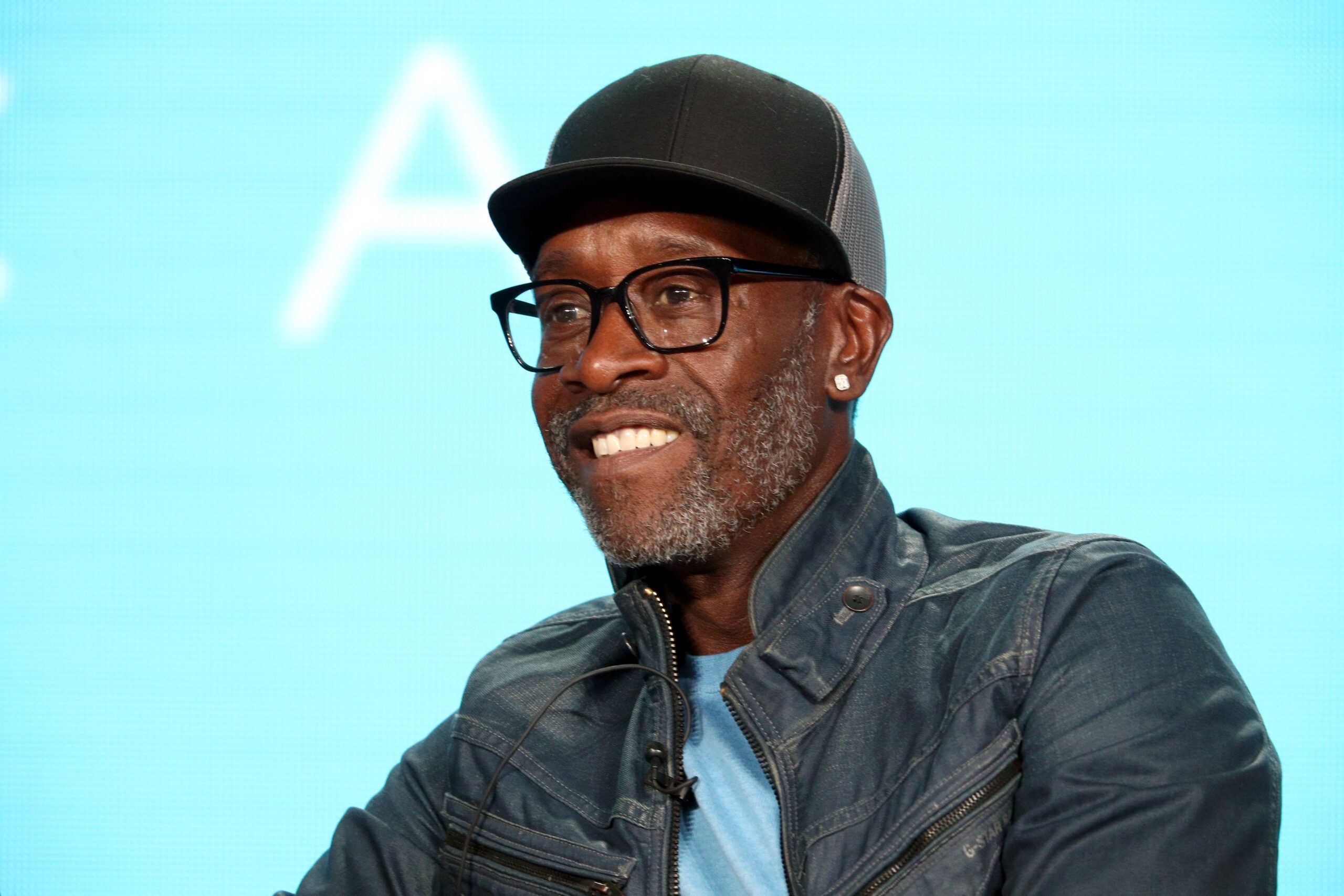
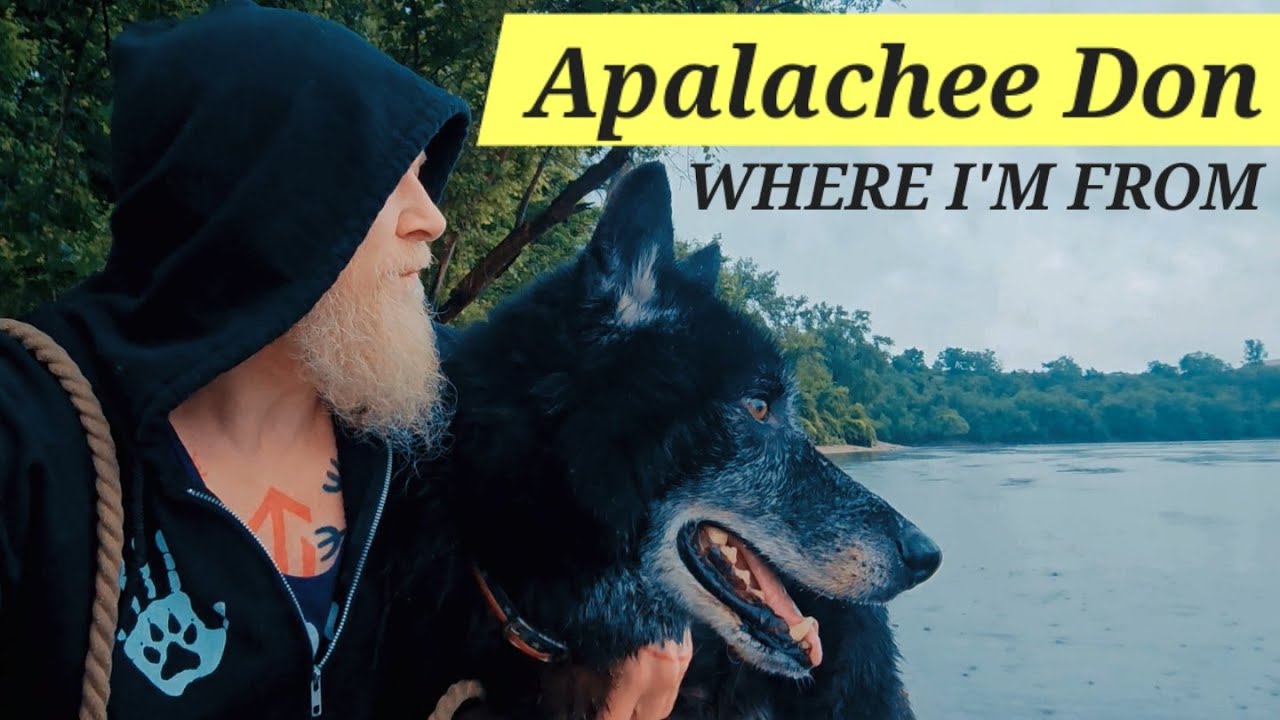
As of 2026, Apalachee Don’s estimated net worth is between $1.5 million and $2.5 million. This valuation is primarily driven by his decade-long career as an independent pioneer in the "hick-hop" genre, consistent streaming royalties from a deep discography, high-margin merchandise sales, and regular live performances across the American South.
The Financial Evolution of Donny G. Hillard
To understand the net worth of Apalachee Don—born Donny G. Hillard—one must look at the specific economic landscape of the country rap (or "hick-hop") subgenre. Emerging from the Apalachee River area in Georgia, Hillard did not follow the traditional Nashville label path. Instead, he built a localized brand that eventually gained national traction through digital platforms. This "bottom-up" financial growth is a hallmark of his career.
In the early 2010s, Hillard’s wealth was negligible, consisting mostly of localized performance fees and small-scale CD sales. However, the explosion of independent digital distribution changed the trajectory of his assets. By maintaining ownership of his master recordings—a feat many mainstream artists struggle to achieve—Hillard ensured that the majority of every dollar earned from streaming and digital sales stayed within his estate. This equity in his own intellectual property is the cornerstone of his $1.5 million to $2.5 million valuation in 2026.
His rise coincided with the peak of the "Mud Bogging" culture and the outdoor festival circuit, which provided a lucrative, non-traditional touring route. Unlike mainstream pop tours that carry massive overhead, Hillard’s operations have remained lean, allowing for a higher percentage of "take-home" pay per event.
Primary Revenue Streams in the Country Rap Niche
The wealth of an independent artist like Apalachee Don is rarely tied to a single "payday." Instead, it is a compilation of several high-performing revenue streams that work in tandem. For Hillard, these streams are categorized into digital assets, physical performances, and brand extensions.
Digital Streaming and Royalty Structures
In 2026, streaming continues to be a passive but powerful income generator for Apalachee Don. With hit tracks like "Country Boy Love" and "Keep It Redneck" having accumulated tens of millions of views and plays, the cumulative royalties are substantial.
Independent artists using services like DistroKid or TuneCore often keep nearly 100% of their royalties after distribution fees. For an artist with Hillard's volume of plays—estimated at over 100 million across all platforms (Spotify, Apple Music, YouTube)—the annual payout from streaming alone can range from $150,000 to $300,000. This is a perpetual asset; as long as the music is available, the revenue continues to flow with zero additional manufacturing costs.
YouTube Monetization and Ad Revenue
YouTube has been a pivotal platform for Apalachee Don’s financial growth. Unlike traditional radio, which pays "performance royalties" to songwriters but often nothing to the performer (in the US), YouTube pays for views through its Partner Program.
Hillard’s music videos are not just promotional tools; they are profit centers. With a loyal fanbase that re-watches videos, the AdSense revenue remains steady. In the music category, where RPM (Revenue Per Mille) can fluctuate between $2 and $5, his channel generates a significant monthly dividend. Furthermore, his collaborations with other "giants" in the genre, such as the Jawga Boyz and Big Smo, have created a cross-pollination effect, driving traffic back to his solo catalog.
The Power of Independent Brand Ownership
A significant portion of Apalachee Don’s net worth is tied to his brand identity. In the country rap world, authenticity is the primary currency. Hillard has successfully leveraged his "Apalachee" moniker into a lifestyle brand.
Merchandise and Direct-to-Consumer Sales
Merchandise often accounts for up to 40% of the total income for independent country artists. Apalachee Don’s store features a variety of items including hats, "Keep It Redneck" apparel, and limited-edition physical media. By selling directly to consumers (DTC), he bypasses retail markups and middleman fees.
The financial efficiency of this model is impressive. A standard t-shirt may cost $6 to produce and $30 to sell. For an artist with a dedicated following, selling 5,000 units a year results in a net profit of $120,000. When expanded across a full line of hoodies, hats, and accessories, the merchandise division of Hillard’s business becomes a multi-six-figure enterprise.
Live Performances and Event Appearances
While the 2026 music industry is heavily digital, the "live" aspect remains the most immediate way to generate cash flow. Apalachee Don frequently performs at:
- Outdoor Festivals: Events like "Muddy Roots" or local mud-bogging competitions.
- Club Tours: Small to mid-sized venues in the rural South and Midwest.
- Private Events: Corporate or high-end rural gatherings.
A typical appearance fee for an artist of his stature can range from $5,000 to $15,000 per show. Given a modest schedule of 40 dates a year, this equates to a gross touring income of $200,000 to $600,000 before expenses. Because his "crew" is usually small, the net margins are significantly higher than those of major-label acts with large traveling entourages.
Estimated Net Worth Breakdown and Valuation
The following table provides a breakdown of the estimated asset distribution contributing to Apalachee Don’s net worth in 2026. These figures are based on industry standards for independent artists with similar reach and catalog depth.
| Asset Category | Estimated Value (2026) | Description |
|---|---|---|
| Music Catalog (Masters) | $800,000 - $1,200,000 | Valuation of owned masters based on 5x-8x annual royalty earnings. |
| Digital Performance Income | $300,000 - $500,000 | Annualized YouTube AdSense, Spotify, and Apple Music royalties. |
| Physical Assets & Equipment | $150,000 - $250,000 | Recording studio gear, tour vehicles, and personal real estate equity. |
| Merchandise Inventory & Brand | $200,000 - $400,000 | Current stock and the intangible value of the "Apalachee Don" trademark. |
| Cash Reserves | $50,000 - $150,000 | Liquid assets for operational expenses and future projects. |
| Total Estimated Net Worth | $1,500,000 - $2,500,000 | Aggregated value of all verifiable revenue streams. |
Factors Influencing Wealth Stability in 2026
Several factors ensure that Apalachee Don’s net worth remains stable or grows as we move through 2026. The most prominent is the "Long Tail" theory of digital content. Because country rap fans are notoriously loyal, his older hits continue to perform nearly as well as his new releases. This creates a "floor" for his income that is rarely seen in more trend-dependent genres like pop or EDM.
Low Overhead and Financial Independence
Hillard operates largely as a "solopreneur." He does not answer to a board of directors or a major label that takes a 80% cut of his earnings. By utilizing modern digital tools for marketing and distribution, his "cost of goods sold" remains low. This financial independence means that even during periods without a new "hit" single, his existing assets generate enough revenue to maintain his lifestyle and reinvest in the brand.
Demographic Loyalty
The "Redneck" and "Country Rap" demographic is one of the most underserved yet commercially viable markets in the United States. This audience values physical connection, leading to higher-than-average sales in physical merchandise and VIP meet-and-greet packages. In 2026, where digital fatigue is common, the ability to monetize physical experiences and "lifestyle" products provides a critical buffer for Hillard’s net worth.
Comparing Apalachee Don to Industry Peers
In the hierarchy of hick-hop, Apalachee Don occupies a unique middle-tier space. While he may not reach the massive multi-million dollar heights of artists like Upchurch or Jelly Roll (who successfully crossed over into mainstream country and rock), he maintains a more stable and profitable career than many flash-in-the-pan viral stars.
Unlike peers who signed restrictive early-career deals, Hillard’s insistence on independence has resulted in a higher "Net Worth to Gross Revenue" ratio. For example, an artist who grosses $5 million but only keeps 10% after label recoupment is technically less wealthy than Hillard, who might gross $1 million but keep 70%. This distinction is vital when assessing his financial health in 2026.
Frequently Asked Questions
What is Apalachee Don’s real name?
Apalachee Don’s real name is Donny G. Hillard. He chose his stage name as a tribute to the Apalachee River in Georgia, which serves as a central theme in his music and branding.
How does Apalachee Don make most of his money?
In 2026, his primary income is a split between digital streaming royalties (Spotify, YouTube, and Apple Music) and live performance fees. His ownership of his "master recordings" allows him to retain a much higher percentage of profits compared to traditional artists.
Has Apalachee Don ever signed with a major record label?
No, Apalachee Don has largely remained an independent artist. While he has collaborated with artists on various labels and worked with independent collectives like the Jawga Boyz, he has avoided the traditional major-label system to maintain creative and financial control.
What is his most profitable song?
Historically, "Country Boy Love" remains one of his most profitable assets. Due to its viral nature and longevity on YouTube and streaming platforms, it continues to generate significant passive income years after its initial release.
Does Apalachee Don own any businesses?
Beyond his music career, Hillard operates his own merchandise and apparel line. This is a fully integrated business that handles design, sales, and distribution, contributing a significant portion to his annual net worth.
Final Recommendation for Fans and Researchers
When evaluating the net worth of a niche artist like Apalachee Don, it is essential to look beyond "celebrity lifestyle" tropes and focus on the business of independent music. For those interested in the financial side of the industry, Hillard serves as a prime case study on how to build a million-dollar brand through:
- Niche Specialization: Owning a specific geographic and cultural sound.
- Asset Ownership: Retaining the rights to all master recordings.
- Direct Engagement: Building a fanbase that buys merchandise directly.
For fans, the best way to support his financial growth in 2026 and beyond is through direct-to-consumer purchases on his official website and attending live events, as these provide the highest margins for the artist. For financial researchers, his model proves that "middle-class" stardom in music is not only possible but highly sustainable through digital independence.